Support

Casa del Alabado Pre-Columbian Art Museum

About

Located in the heart of the historic center of Quito is a unique space where South America's distant past comes to life. The Casa del Alabado Pre-Columbian Art Museum is a specialized gallery dedicated to the amazing artistic heritage of cultures that flourished in the region long before the arrival of European explorers. Housed in a beautifully preserved colonial-era building, the museum is an architectural monument in itself, bridging different historical layers.
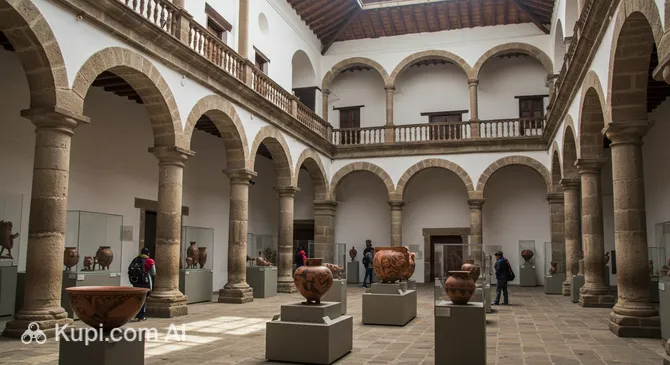
Casa del Alabado Pre-Columbian Art Museum
Casa del Alabado Pre-Columbian Art Museum. Иллюстрация. Источник: Kupi.com AI

This treasury of ancient craftsmanship invites guests to explore the worldview of the indigenous peoples who inhabited modern-day Ecuador. The exhibition is masterfully organized to showcase not only the aesthetic value of the artifacts but also their sacred significance, the daily life, and the philosophy of the civilizations of the Andean region and the Pacific coast.

The museum's halls feature rare archaeological finds, from exquisite ceramics to cult objects, which allow for a deeper understanding of the roots of Ecuadorian culture. It is considered a must-visit for anyone who appreciates history and seeks to see the true soul of the ancient continent.

Contacts

For information on special exhibitions or to book a group tour, you can use the museum's official contact details.

How to contactContact
AddressCuenca N1-41, Quito 170401, Ecuador
Phone+593 2-228-0772
Websitealabado.org

What to Do

The main reason to visit Casa del Alabado is the opportunity to see over 5,000 unique exhibits. Visitors can take a close look at masterfully crafted ceramic vessels, anthropomorphic sculptures, ancient jewelry, and tools. Of particular interest are the ritual items from cultures such as the Valdivia, Cañari, and Caras, which allow you to literally touch the thousand-year history of the region's spiritual traditions.

The museum's exhibition is divided into thematic zones reflecting ancient concepts of the world: earthly life, the underworld, and the celestial sphere. This structure helps guests not just look at artifacts, but follow the logic of ancient philosophies. In addition to the main collection, the museum frequently hosts temporary exhibitions focused on more specific aspects of pre-Columbian art.

For those who want a deeper immersion, the museum offers themed tours and educational programs. Interactive workshops are regularly organized here, which are especially interesting for families with children. Within the walls of Casa del Alabado, science and creativity combine, turning a simple museum visit into an exciting intellectual adventure.

Getting There

The Casa del Alabado Museum is located at Cuenca N1-41, in the heart of the historic center, which is officially recognized as a UNESCO World Heritage site. If you are already in the Old Town, it is most convenient to reach the museum on foot — it is within walking distance of most central squares and iconic cathedrals.

For those coming from more distant neighborhoods, the best option is a taxi or public transport. Nearby bus stops and metro stations provide quick access to the historic quarter, leaving only a short walk through the colorful cobbled streets. The area around the museum has a well-developed tourist infrastructure with many cozy cafes and restaurants.

Ближайший город: Quito

History & Facts

The building housing the collection is a priceless artifact in its own right. This mansion was built in the early 17th century and is considered one of the oldest surviving residential structures from the colonial period. Its architecture is a classic example of the Andalusian style, featuring a characteristic inner courtyard, massive walls, and elegant decor typical of the Spanish colonial era.

The house received its current name from the inscription above the main entrance — "Alabado sea el Santísimo Sacramento" ("Praised be the Blessed Sacrament"), which was a traditional expression of piety in colonial times. Over the centuries, the building changed hands many times until it was purchased in the early 21st century to establish a cultural center.

The modern history of the museum began after a large-scale and careful restoration, culminating in its opening to the public. The collection, gathered over decades with the involvement of leading archaeologists and researchers, was systematized to present not just a set of objects, but a cohesive story of the development of the region's ancient civilizations.

Time Needed

To thoughtfully explore the rich collection and enjoy the architectural details of the historic mansion, most travelers need about 1.5–2 hours. This is the optimal amount of time for a self-guided tour of all the thematic rooms without feeling rushed.

If you plan to use a guide's services, participate in one of the interactive workshops, or simply want to linger in the courtyard with a cup of coffee, we recommend setting aside about half a day. The museum invites slow contemplation, so it's best to allow some extra time.

Working Hours

The museum welcomes guests on a fixed schedule from Wednesday to Sunday. Please note that the beginning of the week is traditionally reserved for maintenance and internal museum activities.

Current opening hours:

  • Monday: Closed
  • Tuesday: Closed
  • Wednesday — Sunday: 09:00 – 17:00
DayWorking hours
ПонедельникЗакрыто
ВторникЗакрыто
Среда9:00 – 17:00
Четверг9:00 – 17:00
Пятница9:00 – 17:00
Суббота9:00 – 17:00
Воскресенье9:00 – 17:00

Nearby

A visit to the museum can easily be combined with exploring other interesting places in the city. A walk through the historical center and its surroundings will allow you to further immerse yourself in the capital's atmosphere and see the contrast between ancient artifacts and modern city life.

NameDistance
Sinners Microbrewery – Historic Center0.1 km
Church and Convent of St. Francis0.1 km
Museum of the City0.2 km
Church of the Society of Jesus0.2 km
Plaza de la Independencia0.4 km
Quito Historic Center0.4 km
La Casona de la Ronda0.4 km

Reached the end of the page?

That means the route is fully explored