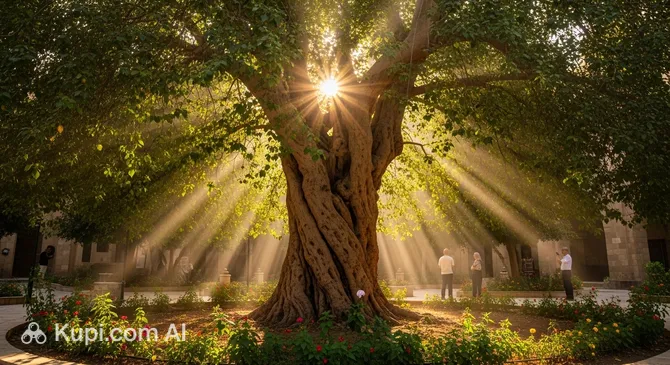
Located in the heart of the Nile Delta, Al-Matariyyah is a distinctive corner where life is closely intertwined with the waters of Lake Manzala. This city in Egypt does not strive for the glitz of tourist metropolises, offering instead an authentic atmosphere of a working fishing and agricultural hub. Here, amidst fertile lands and vast waters, live about 165,000 people who preserve traditions of hospitality and a simple rural way of life.
Al Matariyah. Illustration.
Source: Kupi.com AI
The city's geographical location makes it an important node between Port Said and Mansoura. The rich history of this region is inextricably linked with the development of irrigation in the Nile Delta and the fishing industry that has fed local families for centuries. Al-Matariyyah enchants with its endless fields of rice and cotton, as well as a slow pace of life that is hard to find in bustling Cairo.
Travelers are primarily drawn here by the natural landscapes and the opportunity to see an "unfiltered" Egypt. A walk along the shores of Lake Manzala or a visit to colorful local neighborhoods like El-Ghasna and El-Oqbayin allows you to feel the true spirit of the province. We invite you to take a look at Al-Matariyyah to discover the quiet beauty of the Egyptian Delta and experience the warmth of its inhabitants.
Weather Overview
The climate in Al-Matariyyah is characterized as typical for the Egyptian Delta—hot and arid. Summers here can be truly scorching, with temperatures often exceeding +35°C, while the proximity to Lake Manzala and agricultural lands adds humidity to the air, creating a muggy effect on windless days. Winters, by contrast, are very mild and comfortable: daytime temperatures range between +15...+22°C, and rarely drop below +9°C at night.
Precipitation in this region is extremely rare, despite the city's name translating to "place of rain." Most rainy days occur between December and March, but even then they are short-lived. Typical weather features clear skies and plenty of sunshine practically year-round. If you want to know more about what the weather in the city will be like during your visit, we recommend following the latest forecasts.
The best time to visit Al-Matariyyah is spring and autumn, when the exhausting heat recedes while the air remains warm. Expect very hot and dry summers with a minimal chance of rain, and pleasant, sunny winters that are ideal for walking through local markets and trips to the lakeshore.
Average monthly temperature
Average monthly precipitation
Interesting Facts
The name of the city, Al-Matariyyah, comes from the Arabic word "matar", meaning "rain"—this is quite symbolic for arid Egypt and emphasizes the historical humidity of this part of the Delta.
The city is divided into two key historical quarters—El-Ghasna and El-Oqbayin—each with its own unique character and dense urban layout.
Al-Matariyyah is a strategic fishing hub for the Dakahlia Governorate due to its location on the shores of the shallow but resource-rich Lake Manzala.
The city's economy rests on "three pillars": fishing, the cultivation of high-quality rice, and the production of Egyptian cotton, which is considered one of the best in the world.
Unlike most tourist cities in Egypt, Al-Matariyyah maintains its status as a transit hub, allowing tourists to see the country's life without embellishments or markups for foreigners.
How to Get There
Al-Matariyyah, located in the northern part of the Nile Delta, is an important transport hub for locals, although direct communication with remote regions may require transfers. The main flow of travelers arrives here by land from large cities such as Cairo, Mansoura, or Port Said. If you are planning a trip, research the available routes and ways to get to the city in advance.
For those who prefer air travel, the nearest major air hubs are located in Cairo and Port Said. There are no direct flights to Al-Matariyyah itself, so after landing, tourists need to transfer to a bus or take a taxi. A trip from Cairo by comfortable bus will take about 3–4 hours, while the journey from Port Said by shared taxi will be significantly shorter—about an hour.
There is no direct railway service to Al-Matariyyah. The nearest major railway station is in Mansoura, the administrative center of the province. From there, Al-Matariyyah can be easily reached by microbuses that run regularly. This option is convenient for those who want to combine a train ride with a view of the picturesque landscapes of the Nile Delta.
Within the city and for trips to the surrounding areas, the most popular transport remains microbuses and shared taxis. This is an affordable and fast way to get around, although it should be noted that during peak hours, roads in the market areas can be congested. Self-driving is possible via Highway 111, but it is recommended to use reliable navigation apps to orient yourself on rural roads.
Main Attractions
While Al-Matariyyah is primarily known as a fishing and agricultural center, there are interesting sites here reflecting the spiritual and daily life of the region. One of the notable architectural landmarks is the St. Fatima’s Chaldean Basilica. This majestic building stands out against the city skyline and serves as an important landmark for those interested in religious architecture.
For those who want to feel the true pulse of the city, the central markets in the El-Ghasna and El-Oqbayin quarters are a must-visit. These are not just trading platforms, but real centers of social life where you can see the fruits of the labor of local farmers and fishermen. There are no typical tourist attractions here, but that is exactly the charm of the place—its absolute authenticity.
The main natural treasure of the city remains Lake Manzala. The coastal zones of the lake are ideal for observing traditional fishing methods. The rural landscapes of the Nile Delta surrounding Al-Matariyyah provide a picturesque backdrop for walks, allowing guests of the city to enjoy the tranquility and views of endless vegetable and cotton plantations.
Local Cuisine
The culinary traditions of Al-Matariyyah are inextricably linked to the waters of Lake Manzala. The gastronomic symbol of the city is the freshest fish, prepared in many different ways. It is definitely worth trying the local red mullet or pike-perch, grilled with aromatic herbs or served as part of a rich shorba soup. Fish markets in the port area offer the catch of the day, which can be prepared right in front of you in small street stalls.
In addition to seafood, classic Nile Delta dishes are widely represented here. For breakfast, locals usually eat ful medames (a hearty fava bean mash) and ta’ameya—the Egyptian version of falafel, which is particularly tender here. If you are looking for something more familiar, you can stop by Primo's Pizza in the city, which serves popular international dishes.
Those with a sweet tooth should visit an establishment like Etoile Patisserie. Here you can find both traditional oriental sweets soaked in honey and syrup, as well as modern desserts. It is customary to wash down a meal with strong mint tea or thick Egyptian coffee, and on a hot day, there is nothing better than fresh juice from ripe mango or guava grown in the Delta plantations.
The general character of the Al-Matariyyah gastro scene is simplicity and authenticity. Most establishments are small family restaurants or street kiosks where the emphasis is on the taste and freshness of the products rather than a posh interior. The tastiest and most inexpensive food can be found in the markets of the El-Ghasna quarter, where life is always buzzing and the air smells of spices.
Travel Tips
Al-Matariyyah is a city with deep traditions, and a little preparation will help make your trip as comfortable and safe as possible. These practical tips will help you better navigate the local way of life and enjoy your visit to the Nile Delta.
Clothing and Essentials: Choose clothing made of natural fabrics, such as cotton or linen, as the climate here is hot and dry. Given the conservative nature of the region, it is recommended to wear modest clothing that covers the shoulders and knees. Be sure to bring comfortable closed-toe shoes for walking on dusty streets and sunglasses.
Transport: For travel between cities, it is best to use microbuses. Within the city, it is most convenient to get around by tuk-tuks. If you plan to take a taxi, always discuss the fare before the trip.
Finance: The primary currency is the Egyptian pound. Cards are rarely accepted, only in the largest stores, so always carry a sufficient supply of cash in small denominations for markets and transport.
Health: Drink only bottled water and use it even for brushing your teeth. There may be insects near Lake Manzala, so be sure to bring repellents.
Communication: The main language is Arabic. English is not widely spoken, so it is useful to learn basic phrases ("shukran"—thank you, "min fadlak"—please). It is better to purchase a SIM card in advance at the airport or in large cities.
Local Etiquette: Greet people politely. If you are invited for tea, it is a sign of hospitality that you should not decline immediately. Always ask for permission before taking photos of local residents.
What to Avoid: It is not advisable to walk alone in the outskirts near the lake after dark due to poor lighting. Also, avoid discussing political topics and show respect for religious customs.
Additional Tip: Visit the fish market early in the morning—it is the best time to see the richest catch and feel the true energy of Al-Matariyyah.
May your introduction to this distinctive region be filled only with pleasant discoveries and warm encounters. Have a great trip!
Entertainment & Nightlife
Evening life in Al-Matariyyah is quiet and family-oriented, typical of the provincial areas of the Nile Delta. You won't find noisy nightclubs or neon discos here, as the city is focused on traditional leisure. Locals prefer to spend time in cozy tea houses or outdoors by the shores of Lake Manzala, discussing the day's events over a cup of strong mint tea.
Nevertheless, there are establishments in the city where you can spend a pleasant evening. For example, for those looking for a familiar bar format, places like Bar EG or BOB’S Heliopolis Bar are open. These venues offer a more modern atmosphere and are popular gathering spots for those looking to diversify their leisure time.
For more active entertainment and a rich nightlife program, residents and guests usually head to neighboring major centers such as Port Said or Mansoura. During the day, Al-Matariyyah offers simple pleasures: walking through bustling markets and observing rural life, which in itself is a kind of open-air theater of everyday life.
Parks & Museums
Al-Matariyyah is primarily a working city, so there are few classic parks or museums in the traditional sense. The role of the main "green zones" is played by the endless agricultural lands of the Nile Delta that surround the residential quarters. Nevertheless, for those looking for historical architecture, a significant site is the Koubba Palace, which impresses with its scale and reflects the grandeur of the region's official architecture.
The lack of major state museums in the city is more than compensated for by the atmosphere of the streets themselves. Instead of museum exhibits, you can observe the living history of the fishing industry on Lake Manzala. A walk along the shore allows you to see traditional boats and gear that have changed little over recent decades, which is an ethnographic exhibition in its own right under the open sky.
For outdoor recreation, locals mostly use the coastal areas, although they are not always equipped like modern parks. The lack of planned greenery in the city center is compensated for by the proximity to fields where rice and vegetables are grown. These areas serve as the city's lungs, creating a natural green belt that looks particularly picturesque in the rays of the setting sun.
Getting Around
The transport system of Al-Matariyyah is highly adapted to the needs of the local population and is characterized by simplicity. The main form of public transport is microbuses, which connect the city's main quarters—El-Ghasna and El-Oqbayin—with neighboring settlements. This is the most budget-friendly and fastest way to get around, though be prepared for vehicles to be crowded during peak hours.
For short-distance travel within the city, motorized rickshaws (tuk-tuks) are very popular. They easily maneuver through narrow and sometimes dusty streets, delivering passengers right to the doors of shops or residential buildings. You should always agree on the price for a tuk-tuk or taxi ride in advance, as meters are a rarity here. Taxis in the city are inexpensive, but the fleet consists mostly of private cars.
Fare payment is made in cash Egyptian pounds directly to the driver or conductor. There are no transit cards or mobile payment apps familiar to tourists here. The central part of the city is quite compact, so many residents and guests prefer to move on foot, especially in the morning hours when it is still cool and local markets are opening.
Accommodation
Al-Matariyyah is not a traditional tourist resort, so the hotel infrastructure here is limited. Most available accommodation options are geared toward locals or professionals visiting the city on business. The main range of housing is represented by modest guest houses and apartments for long-term rent.
If you plan to visit the city for a short stay, you should look into the private sector in the central districts. Prices here are usually quite affordable, starting from $10–20 per night. However, keep in mind that the comfort level will be basic, and staff are unlikely to speak fluent English.
For those seeking a higher level of service and comfort, experienced travelers advise booking hotels in neighboring major cities—Mansoura or Port Said. These cities offer a wide range of international-class hotels from which you can make day trips to Al-Matariyyah. If you do decide to stay here, try to book accommodation in advance through local services or by recommendation, as popular international booking systems may offer a limited selection.
Nearby Cities
Al-Matariyyah is a convenient starting point for exploring the northern part of the Nile Delta and the coastal regions. The city's surroundings offer travelers the chance to see a multifaceted Egypt—from bustling metropolises to quiet agricultural settlements. Proximity to major transport arteries makes it easy to plan one-day trips.
Just 12 kilometers from here, the great Cairo pulses with life—a city of contrasts where ancient pyramids stand alongside modern business centers. Also noteworthy is Shubra El Kheima, a large industrial center closely linked to the capital. For those who want to see the typical life of the Egyptian province, Mit Nama, Al-Khankah, and Qalyub are interesting destinations.
Do not miss the chance to also visit Mansoura, known for its universities and lively shopping quarters, or Port Said with its unique architecture and Mediterranean breeze. Exploring the surroundings of Al-Matariyyah will allow you to deeper understand the culture and lifestyle of this amazing country, discovering new facets of its daily life.
Shopping & Souvenirs
Shopping in Al-Matariyyah is primarily an immersion into the atmosphere of an oriental bazaar, where handmade goods sit alongside the gifts of the fertile land. The city does not have huge malls, but it is famous for its traditional markets. Main commercial activity is concentrated in the El-Ghasna and El-Oqbayin districts, where you can purchase the freshest produce, fabrics, and household goods at very attractive prices.
For those who prefer an organized shop format, centers like El Tawheed & El Nour operate in the city. This is a popular chain offering a wide range of clothing, textiles, and household goods. Another notable retail point is Hyper Moussa, where you can find groceries and essential items in a familiar supermarket setting.
As souvenirs from Al-Matariyyah, it is worth bringing back items made from local Egyptian cotton or woven reed objects crafted by artisans in the villages near Lake Manzala. Shops usually operate from morning until late evening, with a small break during the hottest time of the day. Payment is most often made in cash in the local currency, so it is worth taking care to have small bills ready in advance.