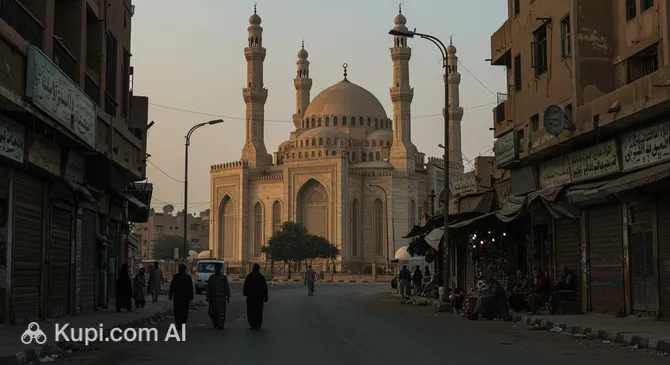
Helwan is a unique city in Egypt that combines the status of a powerful industrial hub with the reputation of being the country's oldest climatic health resort. Located on the east bank of the Nile, about 30 kilometers south of Cairo, it serves as an important industrial suburb of the capital. With a population of over 600,000, the city lives to the rhythm of its plants and factories while maintaining the atmosphere of a working-class district with deep historical roots.
The city's geographical position makes it a strategically important hub: it is located in close proximity to the ancient ruins of Memphis and famous necropolises. The climate here is dry and warm, which, combined with local thermal springs, has attracted people for healing since ancient times. Unlike bustling, tourist-heavy Cairo, Helwan offers a more down-to-earth, everyday look at the lives of modern Egyptians.
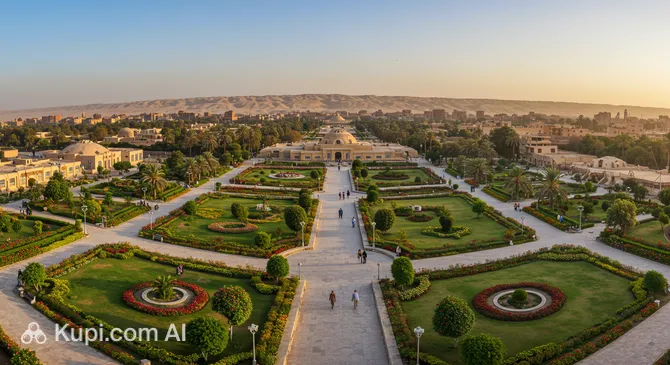
Helwan. Illustration.
Source: Kupi.com AI
Despite the dominance of metallurgical and chemical enterprises, the city holds many secrets. By exploring the history of Helwan, you can learn about the times when it was an elite holiday destination and home to King Farouk's palace. Today, tourists are primarily drawn here by the therapeutic sulfur baths and the opportunity to see authentic Egypt without the bells and whistles. We invite you to discover this city of contrasts, where factory chimneys stand alongside ancient tombs and healing waters.
Weather Overview
The climate in Helwan is classified as dry subtropical, which is typical for the desert regions of Egypt. There is almost no rain: the average annual rainfall is only about 40 mm, and most days of the year are absolutely dry and sunny. If you are planning a trip, expect the weather here to be stable but with noticeable seasonal temperature fluctuations.
Summer in the city is very hot: in July and August, the thermometer regularly rises above +35°C during the day, sometimes reaching +38°C. Winter, on the other hand, is very mild and pleasant—the daytime high in January is around +19°C, making this period ideal for visiting local health spas. To plan your wardrobe more accurately, we recommend checking the current weather in Helwan in advance.
An important feature of the city is its industrial status: due to the operation of large plants, the air can be smoky on windless days. However, the proximity of the Nile provides natural ventilation. The optimal time for a trip is considered the period from November to March, when the exhausting heat subsides and the dry air makes being outdoors as comfortable as possible.
Average monthly temperature
Average monthly precipitation
Interesting Facts
Soviet Legacy: The famous Helwan Iron and Steel Works, which forms the backbone of the city's economy, was built with active technical and economic assistance from specialists from the USSR.
Ancient Burials: Just 5 kilometers from the modern city is the Helwan Necropolis, where archaeologists in the mid-20th century discovered about 10,000 tombs dating back to the 1st and 2nd dynasties of Ancient Egypt (30th–27th centuries BC).
Royal Residence: Before the 1952 revolution, Helwan was a favorite vacation spot for the nobility; the luxurious palace of Egypt's last king, Farouk, was located here.
Window to Space: Helwan is home to Egypt's oldest observatory, which for decades served as the country's primary astronomical center.
A Giant City: Despite its "suburb" status, Helwan's population exceeds that of many European capitals—more than 640,000 people live here.
How to Get There
Helwan has excellent transport accessibility thanks to its proximity to the Egyptian capital. The city is located just 30 kilometers south of Cairo, and there are several ways to get here. The fastest and most budget-friendly option is the metro—Helwan is the final station on Line 1 of the Cairo Metro. The trip from central Cairo takes about an hour, though the carriages can be very crowded during peak hours.
For those who prefer comfort, a taxi or ride-sharing services like Uber and Careem are the best choices. The drive follows the scenic banks of the Nile, but you should take Cairo's famous traffic jams into account, which can increase travel time to an hour and a half or two hours. If you are planning your trip in advance, it is helpful to look up general information on how to get to Helwan via the most convenient route for you.
Travelers arriving in the country by air usually land at Cairo International Airport (CAI). There is no direct public transport from the airport to Helwan, so the best solution is a transfer or taxi, which will cost between 300 and 500 Egyptian pounds.
Railway connections also play an important role in the city's life. Helwan Station connects the district with Cairo's central stations, ensuring a steady flow of passengers. Regular suburban trains and microbuses (mashrutkas) run between the cities of the metropolitan area almost around the clock.
Main Attractions
Helwan may not be a typical tourist center, but it hides several sites worth visiting. One of the city's main features is its climatic and balneological resources. Sanatoriums and clinics using local thermal springs with water temperatures ranging from +25 to +33°C attract those seeking wellness in a quiet setting. Additionally, the city is home to the famous Helwan Observatory, which holds significant scientific importance for the region.
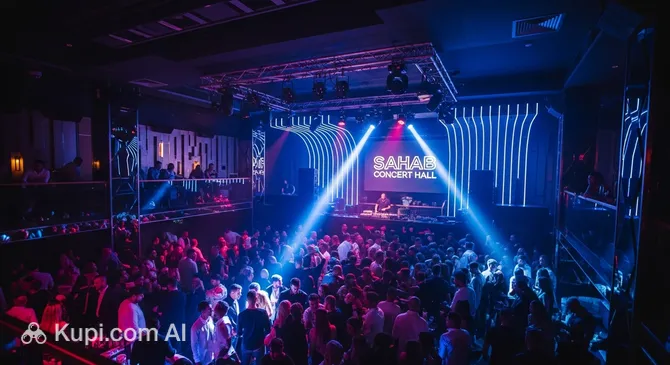
For those interested in culture and leisure, the Sahab Concert Hall is worth noting. It is one of the few venues in the city that hosts public events and performances. Archaeology enthusiasts will be interested to know that just 5 kilometers from the center lies an ancient necropolis, where thousands of shaft tombs from the early dynasties of Ancient Egypt were discovered.
Sahab Concert Hall. Illustration.
Source: Kupi.com AI
Traveler photos:
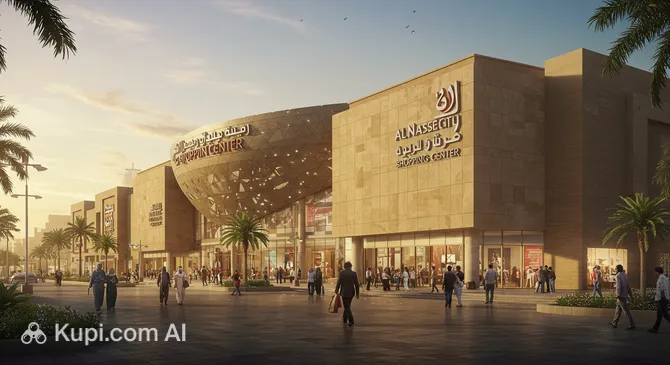
Modern city life is centered around its shopping zones. Al-Nasser Mall is a popular spot among locals for shopping and strolling. Although Helwan is primarily an industrial giant, such places allow tourists to feel the rhythm of a modern Egyptian suburb and find everything they need for a comfortable stay.
Local Cuisine
The culinary scene in Helwan is a paradise for fans of authentic Egyptian food. You won't find an abundance of fine-dining restaurants with Michelin stars here, but you will be able to try the dishes that millions of Egyptians eat every day. The local diet is based on hearty, simple, and inexpensive street food. The city's signature dish is undoubtedly koshary—a wonderful mix of rice, pasta, lentils, and chickpeas topped with a spicy tomato sauce and fried onions.
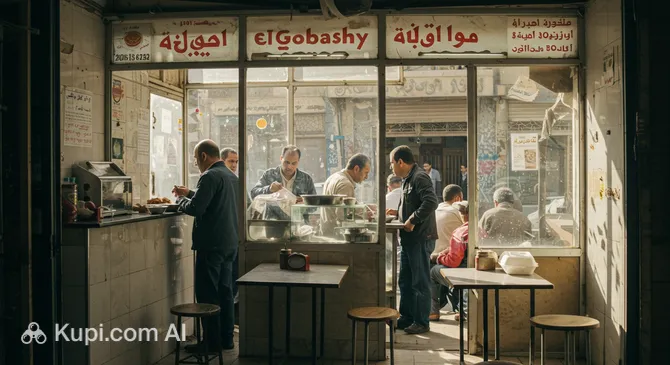
If you want to try legendary koshary at its best, stop by Koshary El Gobashy. This establishment is deservedly popular with locals for its consistent quality and traditional flavor. Also, don't miss the chance to have a classic breakfast of ful (mashed fava beans) with flatbread or crispy ta'ameya (Egyptian falafel made from green beans).
Koshary El Ghobashy. Illustration.
Source: Kupi.com AI
Traveler photos:
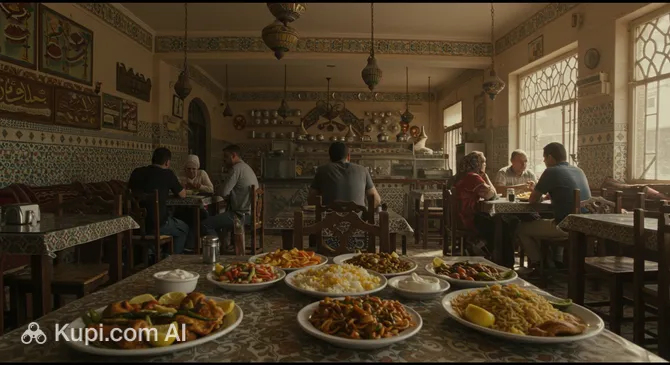
For those who prefer fresh pastries and desserts, Golden Bread is an excellent choice. The food culture in Helwan is closely linked to markets and small snack bars at the sanatoriums. For drinks, be sure to try strong Egyptian coffee with cardamom or refreshing freshly squeezed mango and guava juices, which are particularly fragrant here. In the evening, it's pleasant to sit in one of the street cafes, watching the city's slow-paced life over a cup of sweet mint tea.
Golden Bread. Illustration.
Source: Kupi.com AI
Traveler photos:
Travel Tips
Visiting Helwan is an opportunity to see the real, working-class Egypt, and a few practical tips will help make your trip more comfortable and safe.
Clothing and Essentials: Choose modest, closed clothing made of natural fabrics to show respect for the local traditions of a working-class suburb. Be sure to bring comfortable closed shoes, as the streets can be dusty. It can get chilly in the evenings during winter, so a light jacket won't go amiss.
Transport: The most reliable way to get to central Cairo is the metro. For traveling around the city, use official taxi apps to avoid long disputes over prices. Always plan your time with a buffer due to possible traffic jams on the highway along the Nile.
Finances: The main currency is the Egyptian pound (EGP). In Helwan, cash is priority; cards are only accepted in large shopping centers. Carry small bills for tips (baksheesh) and for paying in microbuses.
Health: Helwan is famous for its thermal springs. If you plan to take therapeutic baths, consult a doctor first. Drink only bottled water and use sunscreen even in the winter months.
Communication: The main language is Arabic. English is understood by sanatorium staff and the youth, but it’s helpful to learn a couple of phrases: "Shukran" (thank you) and "Min fadlak" (please). It is better to buy a SIM card in advance at the airport or in central Cairo.
Etiquette: Egyptians in Helwan are friendly but conservative. Always ask for permission before photographing locals or their shops. Greet people with a polite "Salam alaykum."
What to Avoid: You should not walk alone through industrial outskirts after dark. Also, refrain from criticizing local customs or discussing political topics.
Best Time: The ideal season for a visit is from November to March, when the air temperature is most comfortable for walks and wellness procedures.
May your introduction to this industrial heart of Egypt be rewarding and bring only positive emotions and interesting discoveries!
Entertainment & Nightlife
Nightlife in Helwan is significantly different from that of central Cairo. Since it is primarily an industrial and residential area, you won't find an abundance of loud nightclubs or Western-style bars. The city's atmosphere after sunset is quieter and geared toward locals. The main spots for evening leisure are traditional cafes and small establishments where you can drink tea and smoke shisha while discussing the day's events.
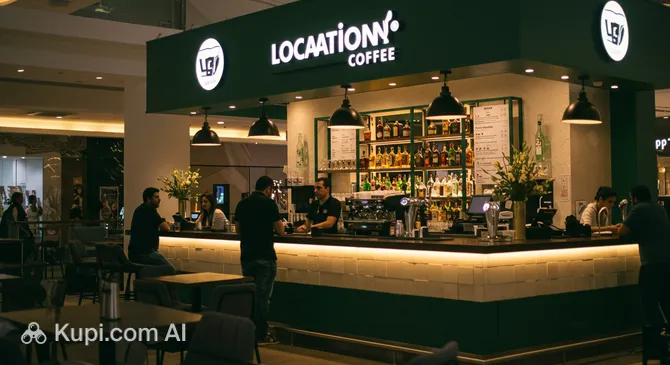
Nevertheless, there are a few notable spots in the city. The Sahab Concert Hall occasionally becomes the center of cultural life, hosting artists and musical groups. If you're looking for a cozy place to spend an evening over a cup of coffee, check out Location Coffee. This venue offers a modern leisure format that is popular among local youth and expats.
Location Coffee. Illustration.
Source: Kupi.com AI
Traveler photos:
For those who enjoy walking, the Nile promenade or the central squares, where life buzzes until late evening, are great options. In terms of safety, Helwan is considered a typical suburb: walking in residential zones is quite comfortable, though it is best to avoid remote industrial outskirts. If you crave vibrant discos, the best solution is to take a taxi to central Cairo, which is only a 30-40 minute drive away.
Parks & Museums
As a major industrial center, Helwan cannot boast an abundance of green park zones or large-scale art galleries. The urban development here is dense, and nature often gives way to industrial facilities. Nevertheless, the city's main "green artery" is the bank of the Nile, where you can find small patches of greenery suitable for a quiet rest by the water.
The cultural and scientific life of the city is centered around the Helwan Observatory. This is a unique place where lectures and small exhibitions dedicated to astronomy and the history of scientific observations in Egypt are sometimes held. For those seeking privacy and silence, the private gardens at local sanatoriums, such as the relaxation areas near the springs, are a great option—they are well-maintained and designed for the relaxation of clinic visitors.
If you want to visit classic museums with rich collections of antiquities or stroll through spacious landscaped parks, we recommend heading to neighboring Cairo. Helwan remains a place for those who appreciate industrial aesthetics and seek specific health resources rather than classic park strolls.
Getting Around
Helwan's transport system is inextricably linked to the greater Cairo network, making movement within the district and beyond its borders quite simple. The city's main advantage is being the terminus of Metro Line 1. The metro is the fastest way to avoid traffic jams and reach central Cairo. Trains run frequently, and the fare depends on the number of stations, making it extremely affordable for all segments of the population.
Inside Helwan itself, the most popular forms of transport are microbuses (mashrutkas) and taxis. Microbuses run along all major streets and industrial zones, but they are often overcrowded, and understanding their routes can be tricky for a newcomer. In this case, taxis or mobile ride-hailing apps, which work reliably here, come to the rescue. It's worth noting that roads in industrial areas can be dusty and traffic can be chaotic.
Of particular interest to tourists is the possibility of traveling on suburban trains, which connect Helwan with the southern provinces and the Ramses Central Station in Cairo. For daily trips, we recommend using the metro or taxis, agreeing on the fare in advance if you are not using a fixed-price app. Bicycles and car-sharing are practically non-existent in the city due to traffic and climate characteristics.
Accommodation
The choice of accommodation in Helwan is specific and directly reflects the city's character. There are virtually no luxury five-star hotels from global chains here; instead, sanatorium-style establishments are widely represented. The main flow of guests consists of people coming for wellness treatments, so guesthouses and institutional hotels at balneological centers are the most popular options.
If you are looking for a more private option, it is worth looking into apartments and flats offered for short-term rent. The areas closer to the Nile are considered more prestigious and quieter; here you can find accommodation with views of gardens and the river. For business trips or long-term stays, travelers often choose budget hotels in the center of Helwan, which offer basic amenities at very affordable prices.
Al Tawheed Wal Nour – 15 May. Illustration.
Source: Kupi.com AI
Traveler photos:
When planning a trip during the peak season (winter), when the climate is most favorable for thermal spring treatments, it is recommended to book in advance. Overall, the price range in Helwan is significantly lower than in central Cairo or the Red Sea resorts, making it attractive for budget travelers. The main booking methods are international services or direct contact with local sanatoriums.
Nearby Cities
Helwan serves as an excellent starting point for exploring the surroundings and the southern outskirts of the Cairo metropolitan area. Its location allows you to quickly reach places where the history of ancient civilizations unfolded and see Egypt beyond the usual tourist routes.
Just 9 kilometers from the city is Al-Badrashin, near which lie the ruins of legendary Memphis—the first capital of Ancient Egypt. A bit further away, 22 kilometers out, lies the famous Giza, where you can see the Great Pyramids and the Sphinx. Of course, you cannot overlook Cairo itself—the pulsing heart of the country with its endless museums, mosques, and markets, which can be reached from Helwan by a simple metro ride.
Exploring these destinations will give you a wealth of impressions: from the grandeur of ancient monuments to the bustle of modern megacities. Each of these places is easily accessible for a day trip, making a stay in Helwan both convenient and enriching.
Shopping & Souvenirs
Shopping in Helwan is primarily an introduction to the everyday life of Egyptians. You won't find high-fashion boutiques here, but the city offers excellent opportunities to buy quality textiles, cotton products, and fresh produce. The main trade buzzes in local markets and bazaars located in the central part of the city and along the promenade. Here you can purchase spices, traditional clothing, and household items at prices significantly lower than in the capital.
For those who prefer a modern shopping format under one roof, there are large shopping centers in Helwan. Al-Nasser Mall is one of the most famous spots, where you can find clothing, shoes, and accessories from local and international brands. Another popular point is Al-Tawhid wal-Nur – 15 May, offering a wide range of goods for the whole family.
Al Nasser Shopping Center. Illustration.
Source: Kupi.com AI
Traveler photos:
For souvenirs from Helwan, it's worth bringing back local honey, dates, or traditional Egyptian fabrics. Most shops are open from morning until late evening, closing only during the midday heat or Friday prayers. Payment is most often made in cash in Egyptian pounds, although large centers like Al-Nasser accept bank cards. Don't forget that polite haggling is appropriate and even expected in the markets.