Support

Beni Suef

About

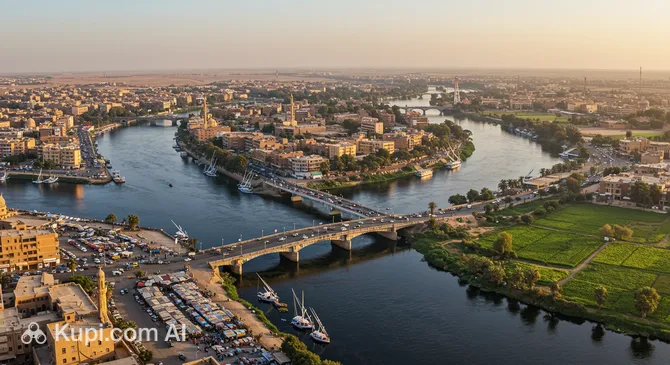
Beni Suef is a cozy administrative center in Middle Egypt, serving as an important bridge between bustling Cairo and the ancient monuments of the Nile Valley. Located on the west bank of the great river, the city charms with its authentic provincial atmosphere, where agricultural traditions harmoniously intertwine with the modern rhythm of a university hub. Home to about 200,000 people, it is lively enough yet retains the spirit of real, non-touristic Egypt.
\n\n
Beni Suef. Illustration.
Source: Kupi.com AI
\n\n

The city is closely linked to the rich history of the region, which dates back to antiquity and received a new impetus in the early 20th century. Fertile fields stretch along the banks of the Nile, while hills concealing deposits of the famous Egyptian alabaster loom on the horizon. For the traveler, Beni Suef reveals itself as a place to see life in the Nile Valley without embellishment: from bustling markets with cotton and sugar cane to the quiet streets of old quarters with traditional mud-brick houses.

\n\n

While the city is not a classic tourist resort, it attracts visitors with its role as an important transit hub. From here, it is convenient to make excursions to the majestic Meidum Pyramid or explore the hidden treasures of the governorate. We invite you to visit Beni Suef to experience the authentic rhythm of the Egyptian provinces, enjoy views of the Nile, and the hospitality of the locals.
Weather Overview

The city of Beni Suef is characterized by a dry desert climate, typical of the Nile Valley. Summer here is hot and sunny: from June to August, daytime temperatures often reach 35–40°C, and rain is almost entirely absent. Winters, on the other hand, are quite mild and comfortable for walking, with daytime figures around 15–20°C, although it can be quite cool at night, down to 8°C. If you want to know more about the current weather in the city, we recommend checking the current forecast before you leave.

\n\n

Precipitation in the region is an extremely rare phenomenon, with most of it falling in the winter months (January and February) in the form of short-lived rains. A characteristic feature of the local climate is airborne dust, especially during periods of spring winds, when sand can blow in from the desert. The location along the Nile River slightly tempers the heat due to water evaporation, but the dry desert air still dominates the atmosphere of Beni Suef.

\n\n

The best time to visit the city is from October to April. At this time of year, pleasant warm weather sets in, ideal for sightseeing and walking along the waterfront, without the exhausting summer heat. When planning your trip, bring light clothing made of natural fabrics, but don't forget a warm sweater for cool evenings in the winter season.

Average monthly temperature

Average monthly precipitation

Interesting Facts

    \n
  • Alabaster Center: The region around Beni Suef has been known since antiquity for the extraction of alabaster from the surrounding hills. Local artisans still use this translucent stone to create elegant lamps, figurines, and interior items.

  • \n
  • Cotton Capital of the Region: The city grew from a small village into a major center due to the development of irrigation in the 19th and 20th centuries. Today, it is a key hub for cotton processing and textile production, supplying much of Middle Egypt with its products.

  • \n
  • Educational Hub: Despite its agrarian status, Beni Suef is an important scientific center. The local university is considered one of the largest in the country and attracts students from all over the region, giving the city a young and energetic atmosphere.

  • \n
  • City Scale: By population, Beni Suef ranks 19th in Egypt, while remaining a compact and easy-to-manage administrative center for its governorate.

  • \n
  • Weaving Traditions: Weaving production in these parts has flourished since the Middle Ages. To this day, you can find unique handmade carpets made using ancient technologies passed down from generation to generation.

  • \n

How to Get There

Getting to the city of Beni Suef is quite easy thanks to its favorable location in the Nile Valley, just 115 kilometers south of the capital of Egypt. The main flow of travelers arrives here from Cairo, using the developed road and rail network. Detailed information on how to get to the city by various means will help you plan your trip as comfortably as possible.

\n\n

The city does not have its own airport, so the nearest international aviation hub is Cairo International Airport (CAI). From the airport to Beni Suef, you can take a taxi or book a transfer; the travel time is about 2–3 hours depending on traffic. Intercity buses from companies like Super Jet also run regularly from Cairo, departing from the capital's main bus stations.

\n\n
AirportPassenger trafficDistance
Giza Sphinx1.2 mln117 km
Cairo International Airport26 mln121 km
Assiut Airport331 893224 km
Borg El Arab Airport1.7 mln246 km
\n\n

Railway communication is one of the most convenient and popular ways to travel. Beni Suef railway station is located on the busy Helwan–Aswan line. High-speed trains like the Spanish Talgo stop here, taking passengers from Cairo in just 2–2.5 hours. Traveling by train allows you to enjoy picturesque views of the Nile landscapes and the countryside.

\n\n\n\n

For moving between neighboring cities in the governorate, locals often use microbuses (mashrutkas), which depart once they are full. This is an inexpensive, though less comfortable, option for those who want to truly immerse themselves in local life. River trips along the Nile are also possible, but they more often serve entertainment purposes rather than regular transport.

Main Attractions

Although Beni Suef is primarily an administrative center, its surroundings and urban spaces hide much of interest for the inquisitive traveler. The main magnet of the region is rightfully considered the Meidum Pyramid, located nearby. This is one of the oldest pyramids in Egypt, built by Pharaoh Sneferu. Its unusual stepped shape makes this site a unique monument of early monumental construction.

\n\n

In the city itself, it is worth noting Beni Suef University, whose campus is the center of the cultural and intellectual life of the governorate. Walking through the central squares, you may notice the Ismail Mansion — a majestic villa that belonged to General Ahmed Mamdouh Ismail. This building is a remarkable example of local architecture, reflecting the status and history of the local elite.

\n\n

For those looking for modern places to relax, establishments like Despacito Beni Suef offer a pleasant environment for a snack. If you want to immerse yourself in the local flavor, be sure to visit the traditional agricultural markets. Here, life is in full swing from early morning: merchants offer the best fabrics, carpets, and alabaster products for which the region is famous.

\n\n
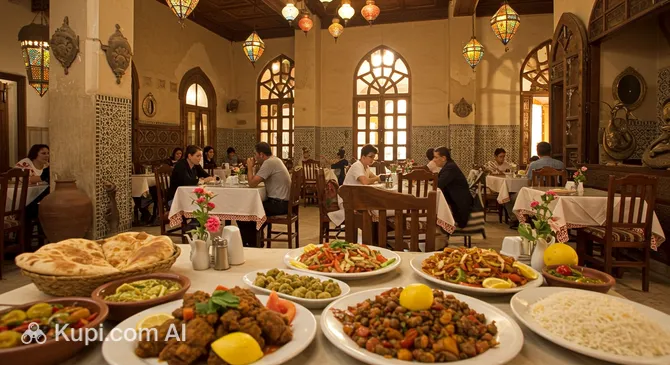
Branches Oriental. Illustration.
Source: Kupi.com AI

Traveler photos:

\n\n

Lovers of gastronomic discoveries and an oriental atmosphere should stop by Branches Oriental. This place is popular among locals and visitors alike for its cuisine and hospitality. You can end your walk on the Nile waterfront, watching the slow flow of the river and passing boats, creating the perfect backdrop to end the day in Beni Suef.

Local Cuisine

The gastronomy of Beni Suef is a true celebration of the flavors of the traditional Nile Valley. Local cuisine relies heavily on the richness of the surrounding fields, so you can always find the freshest vegetables, legumes, and cereals here. The basis of the townspeople's diet consists of classic Egyptian dishes such as ful medames (mashed fava beans with oil and spices) and ta'ameya — a local version of falafel, which is particularly tender and aromatic here.

\n\n

One of the most popular places where you can experience oriental hospitality is Branches Oriental. Here, guests are offered a wide selection of grilled meat dishes and traditional appetizers in a cozy setting. If you want something more modern and casual, check out Despacito Beni Suef, which serves popular dishes in a youthful atmosphere.

\n\n
Branches Oriental. Illustration.
Source: Kupi.com AI

Traveler photos:

\n\n

It is impossible to imagine a visit to Beni Suef without tasting koshary — a hearty mix of rice, pasta, lentils, and chickpeas topped with a spicy tomato sauce and fried onions. Since the city stands on the Nile, the menus of local restaurants often feature river fish grilled with lemon and herbs. Street food in the city's markets allows you to try the most authentic specialties at very low prices.

\n\n

As for drinks, locals prefer strong black tea with mint, Turkish coffee, and freshly squeezed juices. Depending on the season, you will be offered sugarcane, mango, or guava juice on the city streets. The gastronomic scene of Beni Suef lacks pretension, but it wins you over with its honesty and use of natural products grown on this ancient land.

Travel Tips

Preparing for a trip to Beni Suef will help you feel confident in this unique corner of Egypt. Use these practical tips to ensure your introduction to the city goes smoothly and leaves only pleasant memories.

\n\n
    \n
  1. Clothing and Dress Code: Choose clothing made of natural "breathable" fabrics, such as cotton or linen, to make the heat easier to bear. Since the city is provincial and traditional, it is recommended to wear modest clothing that covers the shoulders and knees, especially when visiting mosques or markets. Be sure to bring sunglasses, a hat, and comfortable shoes for walking.
  2. \n
  3. Transport: The main transport in the city is microbuses and taxis. Always agree on the price of a taxi ride in advance, as there are often no fixed rates for foreigners. For trips to Cairo, it is best to use high-speed trains, for which tickets should be bought a day or two before departure.
  4. \n
  5. Finances: The official currency is the Egyptian pound. There are ATMs in the city, but they are concentrated in the center and near major banks. Cards are rarely accepted, so always carry enough cash in local currency. Tips ("baksheesh") are welcome in restaurants and for small services.
  6. \n
  7. Health and Safety: Drink only bottled water and avoid ice in drinks at street cafes. Pharmacies can be found on central streets, but it is better to bring specific medications with you. In terms of safety, the city is calm, but watch your belongings in markets and avoid walking on the outskirts late at night.
  8. \n
  9. Communication: The main language is Arabic. English is not widely spoken in Beni Suef, so it is useful to learn basic phrases: "Salam" (hello), "Shukran" (thank you). For communication, it is better to buy a local SIM card at one of the operator offices in the city center.
  10. \n
  11. Local Etiquette: Greetings are very important — a simple "As-salamu alaykum" will win over the locals. Be prepared for increased attention, as foreign tourists are a rarity here, and handle this with friendly patience.
  12. \n
  13. What to Avoid: Do not photograph government buildings, military sites, or bridges — this can cause problems with the police. Also avoid public displays of affection, which are not accepted in a conservative society.
  14. \n
  15. Tip for Visiting Time: Try to plan all important tasks and walks for the morning or evening. During the day, the city gets very hot, and many shops may close for a break.
  16. \n
\n\n

Beni Suef will reveal its best side to you if you show respect for local traditions and are open to new experiences. Have a pleasant journey to the heart of the Nile Valley!

Entertainment & Nightlife

Beni Suef is a city with a traditional way of life, so the vibrant nightlife with clubs and bars typical of megacities is virtually non-existent here. The main evening entertainment for locals centers around the Nile waterfront, where families stroll and enjoy the cool river breeze. The atmosphere is calm and friendly, and the primary gathering spots are the numerous street cafes serving strong tea and coffee.

\n\n

For those looking for a place with a more modern approach to relaxation, Despacito Beni Suef is worth a visit. This establishment offers a pleasant setting and is popular among the city's youth. Also in the city center, you can find the Branches Oriental restaurant, which attracts visitors with its traditional oriental cuisine and hospitable atmosphere, suitable for a quiet dinner.

\n\n
Branches Oriental. Illustration.
Source: Kupi.com AI

Traveler photos:

\n\n

Daytime entertainment in the city includes visiting local markets, which are a colorful sight, especially on trading days. Cultural life is often linked to events at Beni Suef University or local workshops on traditional crafts such as weaving or pottery. If you crave large-scale entertainment or late-night parties, locals usually recommend heading to nearby Cairo or the Faiyum Oasis.

Parks & Museums

Beni Suef is primarily a living and active city where public spaces are closely linked to the Nile River. Although there are no major art galleries or world-famous museums here, the city itself and its waterfront serve as a kind of open-air exhibition, demonstrating the daily life of the Egyptian province. The main "green zone" of the city is rightfully the shoreline, where residents relax from the hustle and bustle, admiring the flow of the river and the irrigated fields on the opposite bank.

\n\n

Small squares and landscaped areas can be found on the campus of Beni Suef University. This place is a magnet for young people and offers a calmer atmosphere for walking. For those looking for modern places to relax with the option of a snack, establishments like Despacito Beni Suef are a good option, providing a cozy space for meetings.

\n\n
Branches Oriental. Illustration.
Source: Kupi.com AI

Traveler photos:

\n\n

The cultural life of the city is often reflected in the interiors of popular restaurants, such as Branches Oriental, where architectural elements and decor emphasize the oriental heritage of the region. If your goal is serious historical collections, locals usually recommend heading to the Meidum Pyramid or the museums of Cairo, as the city itself has not yet acquired its own large museum complex, relying instead on the natural beauty of the Nile and the surrounding rural landscapes.

Getting Around

The transport system of Beni Suef reflects its status as an important regional hub. Within the city, the most popular and accessible way to get around is by microbuses, which locals call "micro." They connect the center with the outskirts and neighboring districts of the governorate, such as Wasta or El Fashn. Microbus routes cover almost the entire city, but it is worth considering that during peak hours they are very crowded, and movement slows down due to traffic jams in the narrow streets of the old quarters.

\n\n

For more comfortable trips, tourists often choose taxis. Cars can be easily found in the main squares and near the railway station. It is customary to agree on the price of a trip in Beni Suef in advance, as taxi meters are rarely used. Ride-hailing apps can be unstable, so personal communication with the driver remains the main way to order a car. Pedestrian accessibility in the central part of the city is acceptable, but you should be careful when crossing roads due to the chaotic traffic.

\n\n

The railway plays a key role in the life of the city. Beni Suef station on the Cairo–Aswan line is an important stop for many trains. This is a great way to reach the city from the capital or head further south. Tickets for high-speed trains are best purchased in advance at the station. For those who prefer buses, terminals for companies like Super Jet operate in the city, offering regular services to Cairo and other major cities.

\n\n

Alternative modes of transport, such as bicycles, are rare in Beni Suef due to the hot climate and dusty roads. Most locals and visitors rely on microbuses and taxis as the most reliable ways to reach their destination. Fares on public transport are paid in cash to the driver or conductor, so it is always useful to have small Egyptian pounds with you.

Accommodation

The city of Beni Suef is not a typical tourist center, so the hotel stock here consists mainly of options for business trips and transit travelers. Most of the accommodation is concentrated in central areas, which is convenient for access to government offices, the market, and the railway station. Budget hotels and guesthouses of the 2–3 star category predominate here, offering a basic level of comfort at very affordable prices.

\n\n

For those planning to stay in the city longer, renting apartments is a popular option. Such offers can often be found on specialized platforms and are in demand among expats or students. In the city center, there are establishments that have become local landmarks, such as Despacito Beni Suef, near which you can find several private housing options.

\n\n
Branches Oriental. Illustration.
Source: Kupi.com AI

Traveler photos:

\n\n

If you are looking for a place with more developed service, it is worth looking at the areas near Beni Suef University or the central squares. The city's most decent hotels are usually within walking distance of places like the Branches Oriental restaurant. When planning a trip, it is better to book accommodation in advance, especially if your visit coincides with major regional events or the start of the academic year at the university.

\n\n

It is worth noting that luxury five-star resorts are absent in the city itself. For a higher level of service and a full-fledged tourist holiday, travelers usually go to neighboring Faiyum or return to Cairo. Nevertheless, Beni Suef offers honest and affordable hospitality for those who want to see the real Egypt.

Nearby Cities

Beni Suef is an excellent starting point for exploring the central part of the Nile Valley. The city's surroundings are rich in small settlements, each possessing its own unique character and agrarian flavor. A trip to neighboring towns will allow you to dive deeper into the life of the Egyptian province and see unique historical monuments hidden from the mass tourist.

\n\n

Just 20 kilometers away is the city of Biba, a major center of the governorate known for its lively markets. It is also worth noting Sidmant el-Gabal and Kiman al-Arus, which are conveniently located for a short trip by microbus or taxi. If you are interested in ancient history, the El Hiba area, where traces of ancient settlements and necropolises have been preserved, is a must-visit.

\n\n
CityPopulationDistance
Biba385 52820 km
Sidmant al Jabal13 11921 km
Qiman al-Arus28 24624 km
Dishashah11 84426 km
El Hiba16 20937 km
\n\n

For those ready to drive a little further, the gates to majestic Cairo, located 115 kilometers to the north, or the picturesque Faiyum Oasis, famous for its lakes and waterwheels, are open. Each of these directions will give you a lot of new impressions and allow you to see the diversity of Egypt beyond the main tourist routes.

Shopping & Souvenirs

Shopping in Beni Suef is primarily an immersion into the atmosphere of traditional oriental bazaars. The city does not have huge shopping malls with global brands, but it is famous for its unique handicraft goods and agricultural products. The main shopping venues are the central markets (souks), where life is in full swing from early morning. Here you can find famous Egyptian cotton fabrics, handmade carpets, and household items at very attractive prices.

\n\n

Special attention should be paid to alabaster products. The Beni Suef region has long been famous for the extraction of this stone, and local craftsmen create elegant lamps, vases, and souvenirs from it, which will make an excellent gift from Egypt. When looking for quality goods or places where you can combine relaxation with shopping, look at the area around the Branches Oriental establishment, where interesting shops and stalls are concentrated.

\n\n
Branches Oriental. Illustration.
Source: Kupi.com AI

Traveler photos:

\n\n

For daily shopping and getting to know the local flavor, the food markets are ideal, with mountains of aromatic spices, grain, and fresh fruit from the Nile Valley. There are few specialized tourist shops here, which makes the shopping process more authentic — you will have to bargain with local sellers using a few phrases in Arabic. Shops usually operate from morning until late evening with a break during the hottest part of the day. Payment is accepted mainly in cash (Egyptian pounds), so it is worth taking care of change in advance.

Reached the end of the page?

That means the route is fully explored