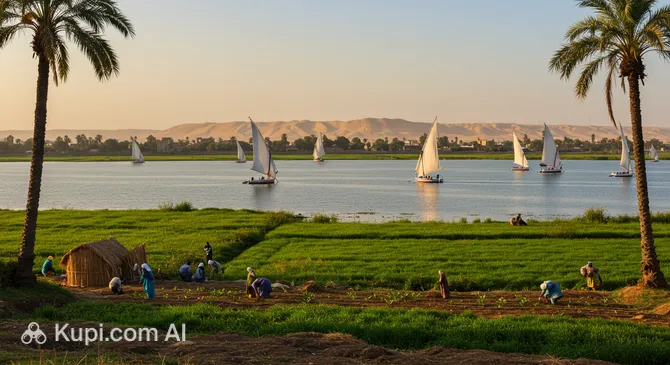
Faiyum is an amazing city located in the heart of Egypt's largest oasis. Unlike bustling metropolises like Cairo, an atmosphere of peace and tranquility reigns here, permeated with the scents of farmland and the freshness of nearby lakes. This place has incredibly deep roots: the city's history began tens of thousands of years ago when the flooding of the Nile formed this fertile land amidst the sands of the Libyan Desert.
Fayoum. Illustration.
Source: Kupi.com AI
Geographically, Faiyum occupies a unique position, sitting in a tectonic depression below sea level. The city's population is about 316,000 people, making it an important administrative and provincial center. Despite its scale, Faiyum retains its rural charm: the famous water wheels and lush palm groves are visible everywhere, creating the unique landscape of a "green island" in the middle of the desert.
The city attracts tourists primarily with its unique hydraulic structures and proximity to ancient monuments. Here you can see the functioning water wheels that have become a symbol of the region, or head to the mysterious ruins of ancient temples and pyramids located on the outskirts of the oasis. A visit to Faiyum is an invitation to experience authentic Egypt, where life flows to the rhythm of nature and centuries-old traditions.
Weather Overview
The climate of Faiyum is distinctly desert-like, which implies plenty of sun and extremely rare precipitation. Summers here can be very hot: in July and August, daytime temperatures often exceed +38°C...40°C. However, thanks to low humidity, the heat is easier to bear than in coastal areas. Winters in the oasis are mild and pleasant, with daytime temperatures around +20°C, although nights can be quite cool, with the thermometer dropping to +9°C.
Expect dry and sweltering summers followed by comfortable and sunny winters. The presence of large bodies of water, such as Lake Qarun, creates a special microclimate in some areas, slightly softening the desert heat, but the general state of the air often depends on dust winds. Detailed weather in Faiyum by month will help you choose the ideal time for your trip to avoid extreme temperatures.
The best time to visit the city is considered to be the period from October to April, when the most favorable weather for walks and excursions is established. Short sandstorms (khamsin) are possible in spring, bringing dust from the desert, so it's worth keeping an eye on the forecasts. Precipitation in Faiyum is very rare, and even in winter, it is symbolic, rarely exceeding a couple of millimeters per month.
Average monthly temperature
Average monthly precipitation
Interesting Facts
The Faiyum Oasis is the largest in Egypt; it began to form about 70,000 years ago thanks to the waters of the Nile breaking into a natural depression in the desert.
The famous water wheels appeared in this region as early as the 3rd century BC during the Ptolemaic era for land irrigation, and some of them still function today.
In the city's vicinity lies the unique "Valley of the Whales" (Wadi Al-Hitan)—a UNESCO World Heritage site where hundreds of fossils of ancient whales that had hind limbs are preserved.
The largest water wheel in the country is located just 14 km from Faiyum, in the village of Basunia: it reaches a height of 8 meters and weighs over 2 tons.
Faiyum Zoo is considered one of the oldest in the region; it offers guests a rare opportunity to feed animals in a very homey and quiet atmosphere.
How to Get There
Faiyum is conveniently located relative to the Egyptian capital, making it accessible to most travelers. The city is about 100 kilometers southwest of Cairo, and the journey by car or bus usually takes between 1.5 and 2.5 hours. It is best to check information on how to get to Faiyum as comfortably as possible in advance, as transport logistics can depend on traffic leaving the metropolis.
Faiyum does not have its own airport, so most tourists arrive via Cairo International Airport (CAI). This is the country's largest aviation hub, receiving flights from all over the world. From the airport to the oasis, you can take a taxi, book a transfer, or use intercity buses that regularly depart from the Heliopolis bus station. A trip across the desert at sunset can be a pleasant start to your journey.
Railway connections also link Faiyum with other regions; however, trains run less frequently than buses and are often overcrowded. The city's railway station is located in the central part, which is convenient for those who prefer budget travel. Most tourists still choose organized tours or car rentals to be able to see the pyramids of Giza or Dahshur along the way.
Main Attractions
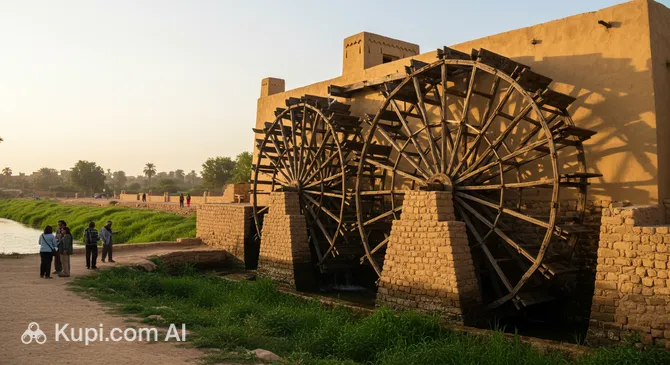
The main attractions of Faiyum are inextricably linked to its status as an ancient oasis. The Hadir Water Wheels are rightfully considered the symbol of the city. These unique wooden mechanisms, used for irrigation since the 3rd century BC, create the characteristic sound of falling water that has become the region's signature. A walk along the canals where these huge wheels are installed allows you to feel the engineering genius of the ancient Egyptians.
Hadir Water Wheels. Illustration.
Source: Kupi.com AI
Traveler photos:
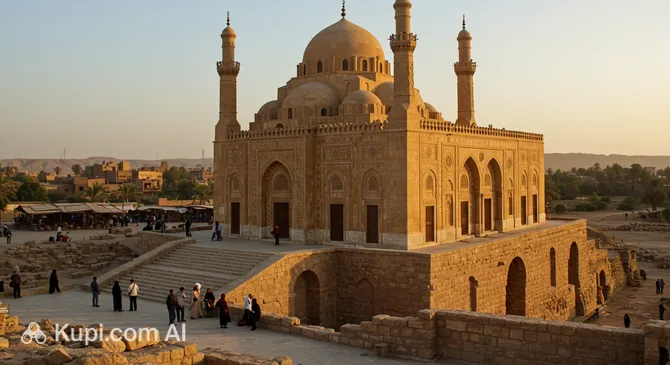
The city's architectural heritage is represented by magnificent religious buildings. The Hanging Mosque, which gets its name from its elevated location, deserves special attention. This Ottoman-period building impresses with its monumentality and elegant interiors. No less significant is the Mosque of Sultan Qaitbay, built in the 15th century, which is a fine example of Mamluk architecture with its characteristic details and ornaments.
The Hanging Mosque. Illustration.
Source: Kupi.com AI
Traveler photos:
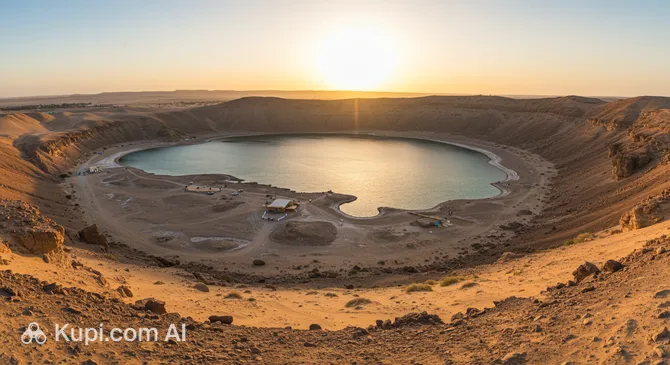
Natural and historical wonders await travelers outside the city center. The surroundings of Faiyum are famous for Lake Qarun—one of the oldest bodies of water in the world—and the Wadi El Rayan waterfalls. History buffs will appreciate the proximity of the Lahun and Hawara pyramids, as well as the opportunity to visit the unique ruins of the ancient city of Karanis, which complete the image of this multifaceted region.
Local Cuisine
The gastronomic scene in Faiyum is a celebration of fresh produce grown right here in the fertile oasis. The city's cuisine is deeply rooted in Egyptian traditions: be sure to try ful (slow-cooked fava beans) and golden ta'ameya (local falafel), which are prepared here with special skill. The pride of the region is fish caught in Lake Qarun, which is grilled with spices and lemon.
Locals highly value sweets and pastries. By visiting Sabli Patisserie, you can enjoy traditional desserts that perfectly complement a cup of strong Egyptian coffee or fragrant mint tea. If you're looking for something more modern, Crinkle cafe offers interesting snacks in a cozy atmosphere popular among the city's youth.
Crinkle. Illustration.
Source: Kupi.com AI
Traveler photos:
Special attention in Faiyum should be paid to fruit: local dates, figs, and citrus fruits are considered some of the best in the country thanks to the mineral-rich soil. Street food is concentrated in markets and squares, where you can always find freshly prepared koshari—a hearty mix of rice, pasta, and lentils. A meal in Faiyum is always simple, filling, and home-style hospitable.
Travel Tips
A visit to Faiyum will give you unforgettable impressions of authentic Egypt if you prepare in advance for the characteristics of this unique oasis. Use these practical tips to ensure your trip goes smoothly and comfortably.
Clothing and sun protection: Choose clothes made of natural fabrics that cover the shoulders and knees—this is a nod to local traditions and protection from the sun. Be sure to bring sunscreen, a wide-brimmed hat, and comfortable shoes for walking through dusty ruins.
Transport within the oasis: Use taxis or microbuses to move around the city. If you plan a trip to the lake or the pyramids, it's better to hire a taxi for the whole day; be sure to agree on the price in advance.
Finances: In Faiyum, cash is king. There are ATMs in the center, but cards are accepted very rarely, only in large hotels. Always carry small bills for tips (baksheesh) and market purchases.
Health: Drink only bottled water and avoid ice in drinks. There are enough pharmacies in the city, but it's better to bring specific medications with you. Thoroughly wash fruit bought at the market.
Communication: English is less common than in the Red Sea resorts. Learn a couple of basic phrases in Arabic: "Shukran" (thank you) and "Salam Alaikum" (hello)—this goes a long way with the locals.
Local etiquette: Egyptians in the oasis are very hospitable. Always remove your shoes when entering a mosque or a private home. Do not photograph people without their permission, especially women.
What to avoid: It is not recommended to walk alone on the outskirts of the city at night. Also, refrain from swimming in irrigation canals—it is unsafe for your health.
Best time to visit: Plan your trip from October to April. During this time, the weather is most comfortable for sightseeing outdoors.
Following these simple rules will help you focus on the beauty of the oasis and enjoy its unique flavor!
Entertainment & Nightlife
Entertainment in Faiyum is of a calm and contemplative nature, focused on natural beauty and historical heritage. You won't find noisy nightclubs or neon discos here—the city lives at a measured pace. The main spots for evening leisure are the cozy cafes in the center, especially in the area where the Hadir Water Wheels are located. Locals love to gather here to drink tea, smoke shisha, and enjoy the cool air from the water.
Daytime leisure often includes family walks. One of the popular spots is the Faiyum Zoo, where you can see lions, hippos, and other animals surrounded by greenery. For those seeking aesthetic pleasure, a visit to the Sabli Patisserie is an excellent option, where you can taste exquisite desserts in a pleasant atmosphere.
If you're looking for more active pastimes, it's best to head to Lake Qarun. There, you can rent a boat for a trip or have a picnic on the shore. For vibrant nightlife and modern entertainment centers, travelers usually head to nearby Cairo, which can be reached in less than two hours, while Faiyum remains an ideal place for those seeking a break from the urban hustle.
Parks & Museums
Park culture in Faiyum is closely intertwined with the rural landscapes of the oasis. The central place for walks within the city is the Faiyum Zoo. This is not just a place to get to know the fauna, but also one of the few managed green zones where residents and tourists can relax in the shade of the trees. Despite its modest size, the zoo has a special provincial charm and is an important social space.
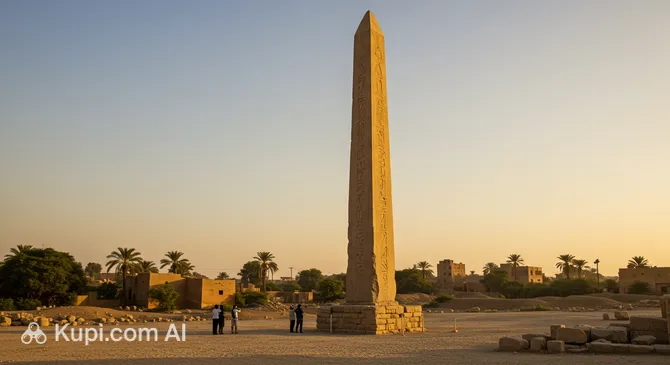
History buffs should pay attention to the open-air monuments. An important site is the Obelisk of Senusret I. This ancient monument of pink granite, reaching 13 meters in height, was moved to the city center so that everyone could touch the heritage of the Ancient Egyptian era. A small square has been formed around the obelisk, which has become a popular meeting spot.
Obelisk of Senusret I. Illustration.
Source: Kupi.com AI
Traveler photos:
The region's museum component is supplemented by unique sites in the surrounding area. The Caricature Museum, located nearby in the village of Tunis, is of great interest, showcasing an ironic look at Egyptian society. Furthermore, the ruins of ancient Karanis and the pyramid at Hawara themselves serve as natural historical museums, where the landscape and architecture tell the thousand-year history of the Faiyum Oasis.
Getting Around
Public transport in Faiyum is mainly represented by an extensive network of minibuses, which locals call "microbuses." This is the most popular and budget-friendly way to move both within the city and between the settlements of the oasis. Microbuses do not have strict stops: to board, just wave your hand on the side of the road, and to get off—simply ask the driver to stop. The fare is fixed and very low, but it's worth considering that the vehicles can be very crowded during peak hours.
Traditional taxis are also widely available and convenient for trips to attractions located on the outskirts, such as the pyramids or the shores of Lake Qarun. It is customary to agree on the fare for a taxi ride in advance, as meters are rarely used. For tourists, a taxi often becomes the most comfortable option, allowing them to avoid the hustle and bustle of public transport and reach the desired place without transfers.
There is no metro or tram system in Faiyum itself, and the railway connection is used primarily for long-distance trips to Cairo or other large cities. If you plan to explore remote corners of the oasis, such as the Wadi El Rayan waterfalls, the best solution would be to rent a car with a driver for the whole day or buy an organized excursion. This will provide you with mobility and comfort in the desert climate.
Accommodation
The choice of accommodation in Faiyum is primarily oriented toward those who want to experience authentic Egyptian hospitality. Most hotels in the city itself belong to the budget and mid-range price segments. In the center, near the famous water wheels, you can find simple but cozy hotels that are ideal for a short stay. This is a great option to be in the heart of the oasis's daily life.
For those looking for a more secluded and atmospheric holiday, it's worth considering eco-lodges and guesthouses located closer to Lake Qarun or in the picturesque villages of the oasis. These options often offer unique traditional-style designs, home cooking, and stunning views of the desert landscapes or the water's surface. Here you can find both modest rooms and quite comfortable resort complexes with swimming pools.
If you plan a trip to Faiyum during the peak tourist season or on public holidays, it is recommended to book accommodation in advance, as the best eco-hotels are in high demand among Cairo residents coming here for the weekend. Payment in small hotels is most often made in cash in local currency, although larger establishments may accept international cards. Rental apartments are also available but are less popular among tourists than traditional hotel facilities.
Nearby Cities
Faiyum serves as an excellent starting point for exploring the surroundings and the small, authentic settlements of the oasis. Very close by, just 7 kilometers away, is the town of Biyahmu, known for its archaeological monuments from the era of the pharaohs. Also within a short drive is Sinnuris, where you can observe the traditional rural way of life in the Egyptian province.
For those interested in the history of Ancient Egypt, a trip to Sidmant el-Gabal is a must. This area is famous for its ancient necropolises and findings that shed light on how people lived thousands of years ago. Traveling between these towns is most convenient by taxi or rental car, as it allows you to stop at picturesque canals and palm groves.
City
Population
Distance
Biyahmu
17 486
7 km
Sinnuris
125 905
11 km
Sidmant al Jabal
13 119
19 km
Qiman al-Arus
28 246
32 km
Dishashah
11 844
36 km
The region around Faiyum offers an incredible variety of experiences: from the ruins of ancient cities to quiet villages where time seems to have stood still. Don't miss the opportunity to look into the most remote corners of the oasis to see the real, non-touristic Egypt in all its diversity.
Shopping & Souvenirs
Shopping in Faiyum is primarily an immersion into the atmosphere of traditional oriental bazaars. There are no huge modern shopping malls in the city, but there is an abundance of colorful markets where you can find unique locally produced goods. The main shopping district is considered to be the city center, especially the streets adjacent to the square with the water wheels. Life here is in full swing from early morning until late evening.
As souvenirs from Faiyum, people most often bring back folk crafts. Look out for pottery from the nearby village of Tunis, as well as souvenir miniature water wheels sold in the shops near the Hadir Water Wheels. The region is also famous for its woven baskets made of palm leaves and woolen products created by local artisans.
Gastronomic shopping will delight lovers of natural products. At the local markets, it's worth purchasing the famous Faiyum dates, fresh spices, and honey. Shops usually open from 9-10 am until late in the evening, although many private stalls may close for a break during the midday heat. Payment in most places is made in cash in Egyptian pounds, so it's worth taking care of small change for market purchases in advance.