Support

Desouk

About

Desouk is an amazing city in northern Egypt, nestled comfortably on the west bank of the mighty Nile. It possesses a special atmosphere where ancient traditions are harmoniously interwoven with modernity, and life flows at a slow and steady pace. The city occupies a strategically important position among the fertile lands of the Nile Delta, serving as a significant hub on the country's trade routes.
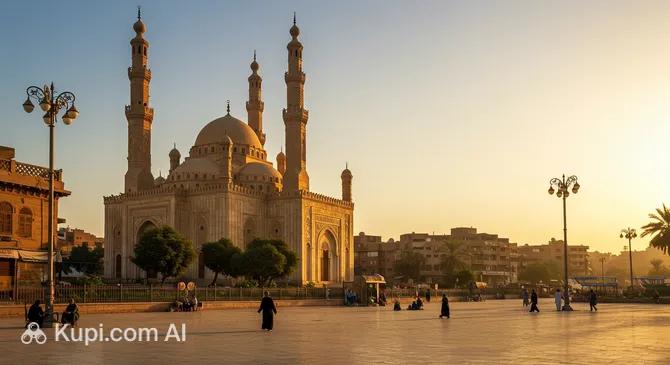
Desouk. Illustration.
Source: Kupi.com AI

With a population of about 143,000 people, Desouk is neither a bustling metropolis nor a small village. It is an important administrative center in the Kafr El Sheikh Governorate, where the true pulse of Egyptian life can be felt. The city streets are filled with the aromas of oriental spices, and local markets are always lively and colorful. Here, you can experience the authentic culture of the country, away from standard tourist trails.

One of the main draws of Desouk is its authenticity and the genuine hospitality of the local residents. Travelers note that it is easy to feel like a welcome guest here. Walks along the picturesque Nile promenade, where you can watch traditional boats gliding across the water, will leave unforgettable impressions. Furthermore, Desouk is famous for its local cuisine, offering unique dishes that every gourmet should try.

If you are looking for more than just historical sites—if you seek warmth of soul, local traditions, and the real atmosphere of Egypt—then Desouk will be a true discovery for you. This city invites you to relax your spirit, enjoy its unique character, and discover Egypt from a new, unexplored side.

You can find more interesting facts on the history of Desouk page.

Weather Overview

The weather in Desouk is characterized by very hot and dry summers and mild winters with low rainfall. During the hottest months, July and August, the average air temperature is around 29.0°C, while maximum values can rise to 34.3°C. Rain is virtually non-existent during this period. In winter, for example, in January, the average temperature stays at 14.6°C, and the minimum night temperature rarely drops below 10.4°C.

Precipitation in Desouk is an infrequent occurrence, with most of it (about 1 mm per month) falling during the winter period, from December to February. From May to September, the number of rainy days is usually zero. Thus, when planning a trip, expect very hot and arid summers and mild winters with rare precipitation. You can learn more about the climate features on the weather in Desouk page.

Average monthly temperature

Average monthly precipitation

Interesting Facts

Beyond its well-known landmarks, the city of Desouk hides many surprising stories and little-known details that make it truly special. Here are just a few interesting facts about this corner of Egypt:

  • According to ancient traditions, the Holy Family's route during their time in Egypt passed right through Desouk. It is believed they crossed the Nile here while heading south, which gives the city special spiritual significance and makes it part of one of the most revered pilgrimage routes.

  • Since ancient times, Desouk served as an important transit point for trade caravans traveling between the north and south of the country. Local legends say that the remains of ancient settlements, which archeologists still find today, may be hidden in its surroundings.

  • The city is the birthplace of several revered Sufi sheikhs and is famous for its massive Sufi festival. This event attracts pilgrims and culture enthusiasts from all over Egypt every year, turning Desouk into an important center of spiritual life.

  • Ancient handicraft traditions still flourish in Desouk. Local masters are famous for their skill in pottery, weaving, and woodcarving, and their unique handmade items can be found in the colorful city markets, making for excellent souvenirs.

How to Get There

You can reach the city of Desouk, located in the Kafr El Sheikh Governorate of Egypt, in several ways. For most international tourists, the most convenient option is to fly into one of the country's major airports, followed by a ground transfer to Desouk.

The closest airport to Desouk is Borg El Arab Airport (IATA: HBE), which serves Alexandria and is located about 94 km from Desouk. This is an international airport with significant passenger traffic. A trip from here to the center of Desouk by taxi or rented car usually takes about 2.5–3 hours, depending on traffic conditions.

The main international hub in Egypt, which is also convenient for reaching Desouk, is Cairo International Airport (IATA: CAI). It is located in the capital, Cairo, approximately 134 km away. As the country's largest airport, it receives flights from all over the world. A transfer to Desouk can take between 3.5 and 4 hours.

Another option is the Giza Sphinx Airport (IATA: SPX), located near Giza, about 116 km from Desouk. This airport is smaller but may offer convenient flights for some routes. The travel time to Desouk will be about 3–3.5 hours.

For clarity, here is a summary of the main airports through which you can reach Desouk:

AirportPassenger trafficDistance
Borg El Arab Airport1.7 mln94 km
Giza Sphinx1.2 mln116 km
Cairo International Airport26 mln134 km
Alamein International1.2 mln210 km

In addition to air travel, Desouk can be reached by car or bus from other cities in Egypt. The road network is quite developed, allowing you to organize an independent trip or use the services of intercity bus carriers. It is recommended to check local transport schedules and routes in advance to plan your trip as comfortably as possible.

Main Attractions

The city of Desouk may not be as widely known as Egypt's major tourist centers, but it offers a unique opportunity to immerse yourself in the country's authentic atmosphere and discover important cultural and religious sites. Travelers will find interesting places here that reflect the region's rich history and daily life.

The main jewel and center of attraction in Desouk is the majestic Sidi Ibrahim El Desouki Mosque. It is one of the largest and most significant religious structures in the Nile Delta, dedicated to the prominent 13th-century Sufi saint Ibrahim El Desouki, one of the four main "Qutbs" (spiritual poles) of Sufism. The mosque attracts pilgrims from all over Egypt, especially during the annual celebration of the saint's birthday (Mawlid). Its impressive architecture and spiritual atmosphere make it a must-visit site, offering a connection to an important part of Egypt's Islamic heritage.

Desouk is picturesquely situated on the eastern bank of the Rosetta branch of the Nile, which is an attraction in itself. A stroll along the Nile promenade (Corniche) is a wonderful way to enjoy views of the great river, watch passing feluccas, and feel the calm rhythm of local life. In the evening, residents gather here, creating a lively yet peaceful atmosphere. It is an excellent place for relaxation and contemplating the beauty of nature.

To truly feel the pulse of the city, one should head to the local markets (souks) of Desouk. Here, you can dive into the bustling atmosphere of an oriental bazaar, where vendors offer a variety of goods: from fresh fruits, vegetables, and aromatic spices to traditional clothing, handicrafts, and household supplies. Visiting the market is not only an opportunity to purchase unique souvenirs but also a chance to observe the daily life of the townspeople, haggle, and perhaps try some local delicacies. It is a vibrant and memorable experience for any traveler.

Local Cuisine

The culinary scene in Desouk is a true immersion into the world of authentic Egyptian flavors, where the freshest gifts of the Nile and the fertile land play the leading role. The river's proximity ensures an abundance of fresh fish and vegetables year-round, making the local cuisine particularly bright and rich. The city's gastronomy attracts tourists with the chance to try dishes prepared according to ancient recipes and feel the authentic spirit of Egypt.

Be sure to try the traditional dishes that are Desouk's signature. Among them, a special place is held by feseekh—salted fish prepared using ancient recipes passed down through generations. This dish is a true delicacy and a point of pride for local residents. No less popular is ful medames—a hearty and aromatic dish of slow-cooked fava beans with olive oil and spices, often eaten for breakfast. On the city streets, you will also easily find taameya (the Egyptian version of falafel), served in fresh flatbreads with savory sauces—a perfect option for a quick and tasty snack.

For those with a sweet tooth, Desouk will not disappoint. Local confectioners are famous for their skill in preparing traditional Oriental desserts such as halva, delicate basbousa (semolina cake soaked in syrup), and melt-in-your-mouth baklava. These treats are perfectly complemented by various drinks. In addition to traditional strong Egyptian tea and aromatic coffee, which are integral parts of local hospitality, be sure to try refreshing karkadeh (hibiscus tea) or freshly squeezed juices from seasonal fruits like mango, guava, or sugar cane. During the season, juicy mangoes, sweet dates, and ripe pomegranates appear in the city markets, adding bright colors to the gastronomic palette. Regarding alcoholic beverages, local brands of beer and wine may be available to tourists in some hotels and restaurants; however, it is important to remember the cultural characteristics of the region and consume them responsibly and in designated areas.

The food culture in Desouk is closely linked to street food and bustling markets, where you can not only buy fresh produce but also try many local delicacies. Life is vibrant here, and the aromas of freshly prepared food mingle with the chatter of vendors and buyers. Besides street stalls, the city has restaurants offering both traditional Egyptian dishes and more familiar European cuisine. Furthermore, gastronomic festivals are periodically held in Desouk, where you can get a deeper look at the region's culinary traditions, participate in masterclasses, and simply enjoy the atmosphere of a flavor festival.

Travel Tips

Planning a trip to colorful Desouk? To ensure your journey through this Egyptian city goes smoothly and leaves only pleasant impressions, we have prepared some practical tips to help you find your way around.

  1. Clothing and Essentials: The climate in Desouk, as in all of Egypt, is hot and dry, especially in summer. Bring light, breathable clothing made of natural fabrics (cotton, linen). Don't forget a hat, sunglasses, and sunscreen with high SPF. For evening walks or during the winter period, a light sweater or jacket might be useful. Be sure to bring comfortable closed-toe shoes for walking around the city. For electrical appliances, you will need an adapter (Type C and F sockets are used in Egypt, with 220V voltage). When visiting religious sites, such as the famous Ibrahim El Desouki Mosque, choose modest clothing that covers shoulders and knees; it is advisable for women to have a scarf to cover their heads.
  2. City Transport: You can move around Desouk on local buses or shared taxis (microbuses), which are the main form of public transport. Taxi services are also available; it is recommended to agree on the fare in advance or ensure the driver has turned on the meter. Taxi-hailing apps may be less common than in major tourist centers. Car rental might be convenient if you plan to explore the surroundings, but for moving within the city itself, it will likely not be necessary.
  3. Financial Matters: The official currency is the Egyptian Pound (EGP). You can exchange currency at banks or official exchange offices. Credit and debit cards are accepted in some hotels and large stores, but for purchases in markets, small shops, and for paying for taxis, it is better to always have cash on hand. ATMs are available in the city, but you should check with your bank in advance about possible withdrawal fees. The tipping culture ("baksheesh") is widespread—it is customary to leave a small reward for quality service.
  4. Health and Safety: Pharmacies are available in Desouk; some may be open 24 hours or have on-call hours. Having international medical insurance is highly recommended before your trip. Drink only bottled water and wash fruits and vegetables thoroughly. Follow standard precautions: keep an eye on your belongings, especially in crowded places, do not carry large sums of money, and do not display expensive jewelry.
  5. Language and Communication: The official language is Arabic (Egyptian dialect). English may be understood in the tourism sector and among the youth, but you should not count on it everywhere. Learning a few basic phrases in Arabic, such as "Salam Alaikum" (Hello), "Shukran" (Thank you), "Aywa" (Yes), and "La" (No), will show respect for the local culture. A local SIM card with internet access can be purchased at mobile operator shops. Wi-Fi is usually available in hotels and some cafes.
  6. Local Etiquette: Egyptians are generally hospitable and friendly. When greeting men, a handshake is customary. When interacting with women, it is better to wait for their initiative. Show respect for local traditions and religion. Behave modestly in public places. Do not photograph people without their permission.
  7. Things to Avoid: Refrain from public criticism of religion, local customs, or the political situation. Do not photograph military objects, police officers, or certain government buildings. Consuming alcohol in public places (except for licensed restaurants and bars) is not customary and may cause disapproval.
  8. Feature of Desouk: The city is an important religious center, famous for the mosque and tomb of the Sufi saint Ibrahim El Desouki. An annual large religious festival—the Mawlid—takes place here, attracting thousands of pilgrims. If your trip coincides with this event, be prepared for large crowds, but it is also a unique opportunity to immerse yourself in local culture. Check the Mawlid dates in advance if you wish to attend or, conversely, avoid mass events.

We hope these tips help you better prepare for your trip to Desouk and enjoy every moment of your stay in this interesting corner of Egypt. We wish you an unforgettable journey!

Entertainment & Nightlife

Evening and nighttime Desouk offers tourists a chance to immerse themselves in the authentic atmosphere of an Egyptian city, where entertainment centers around traditional pastimes rather than loud nightclubs in the European sense. The nightlife here is quieter and focused on socializing in cozy settings; finding specialized nightclubs or large concert venues like those in major metropolises will be difficult.

As darkness falls, the main center of evening activity is the Nile promenade (Corniche El Nil), where locals and visitors stroll and gather in numerous cafes. Liveliness can also be observed in the streets adjacent to the central Ibrahim El Desouki Mosque. Traditional coffeehouses (ahwa) are popular here, such as "Ahwa Baladi" style establishments (local coffeehouses), where you can drink strong Egyptian coffee or aromatic tea and smoke a hookah (shisha). Among the restaurants specializing in local Egyptian cuisine, you can find places often called "Nile View Restaurant," offering fresh river delicacies, or small eateries with traditional dishes like ful and taameya. As the names and popularity of venues can change, tourists are encouraged to look around and ask locals for recommendations to find the best cafes and restaurants. There are no formal night markets in Desouk, though some shops in the central market area may stay open until early evening. Average prices in Desouk's cafes and restaurants are quite affordable, especially compared to major tourist centers, but it is always recommended to check the cost in advance. Most establishments operate until late evening, usually until 10:00 PM or 11:00 PM; some cafes may stay open slightly longer, but 24-hour entertainment venues are virtually non-existent here.

The atmosphere in evening Desouk is generally friendly and family-oriented. The crowd is mostly local, but tourists are treated hospitably. The dress code in most venues is casual, though it is recommended to respect local traditions and choose modest clothing, especially when visiting areas near religious sites. The best time for evening walks and visiting cafes is after sunset, when the daytime heat subsides.

For getting around the city at night, it is most reliable to use local taxis or rickshaws (tuk-tuks) for short distances. It is recommended to agree on the fare in advance, as meters are not always used. In terms of safety, Desouk is generally considered a peaceful city. Walking along the central streets and the promenade in the evening is usually safe; however, as anywhere, you should follow standard precautions: avoid poorly lit and deserted streets and keep an eye on your belongings.

During the day, Desouk also offers interesting leisure options. The city is known as an important religious center, with its main attraction being the Ibrahim El Desouki Mosque. In addition, you can stroll through the local markets (souk), where fresh produce, spices, textiles, and souvenirs are sold, or relax in one of the small city squares. There are few classic European-style museums and theaters in Desouk, as the emphasis is on cultural-historical heritage and local character.

Parks & Museums

Desouk, a city with a rich history in Egypt, offers its guests not only a chance to touch ancient traditions but also to find corners for relaxation in nature and connection with local culture.

While Desouk may not be famous for extensive park complexes like some larger cities, you can find pleasant public gardens and green zones for relaxation here. Strolls along the Nile branch, where small promenades are often established, can be especially attractive. These places are excellent for enjoying the tranquility, watching the river flow, and observing the daily life of the townspeople. Those seeking solitude can find charm in the small, well-maintained squares scattered throughout the city.

Speaking of museums, Desouk offers immersion in culture through its living traditions and historical monuments rather than large museum exhibitions. The main center of attraction for those interested in history and architecture is the Sidi Ibrahim El Desouki Mosque. This is not just a religious site, but also a significant cultural and architectural monument that attracts pilgrims and tourists with its grandeur and unique style. Although there may be few specialized art galleries or large historical museums in the city, the spirit of history is felt in its streets and the architecture of old buildings.

Besides the mosque, the architectural face of Desouk is shaped by other, less massive but interesting structures. Exploring the city, you can notice old residential houses and public buildings that reflect different periods of its development. For a deeper understanding of the local culture, it is worth visiting the city markets—they are a kind of living open-air museum where you can see traditional crafts and goods.

For authentic impressions, peek into the local bazaars where real life bustles, and you can find unique souvenirs or try local delicacies. Also, don't miss the chance to simply walk along the Nile promenade, especially in the evening when the heat subsides and picturesque views open up.

Getting Around

You can get around Desouk using several types of public transport that will help you get to know the city. The system is not as extensive as in megacities, but it manages to meet the needs of residents and guests.

The backbone of public transport in Desouk consists of buses and, more commonly, shared taxis (microbuses). Microbuses usually run along specific routes, connecting different areas of the city. They do not have a fixed schedule; departure often happens as the vehicle fills up. Buses may have more fixed routes, but be prepared for the fact that information about them may be available mostly in Arabic. In some areas, especially for short trips, tuk-tuks (motorcycle rickshaws) can be popular.

The payment system for public transport in Desouk is generally very simple. For rides in microbuses and most buses, you pay in cash directly to the driver or conductor upon boarding or exiting. There are likely no specialized travel cards or mobile apps for fare payment. Fares are usually low, but it is better to have small change on you. You can check the cost of the trip with the driver or other passengers before boarding.

For tourists, taxis are the most convenient alternative to public transport. They can be hailed on the street or ordered through local services, if available. Before a taxi ride, it is always recommended to agree on the fare in advance, as meters may not always be used. Information about developed car-sharing systems or official bike rentals in Desouk is generally unavailable, but you can get around the city center on foot.

No unique types of transport, such as historical subways or cable cars, are found in Desouk. Public transport operates primarily during the day, with activity decreasing in the evening. If you are planning a trip, don't hesitate to ask locals for directions or route details—this is often the most reliable way to get up-to-date information.

Accommodation

When planning a trip to Desouk, you will be able to find an accommodation option that matches your expectations and budget. The city mostly features small local-level hotels, guest houses, and potentially private apartments for rent. While major international hotel chains may be absent, you will find cozy and functional places to stay that offer comfort at a reasonable price.

To make your stay in Desouk as comfortable as possible, we recommend choosing accommodation in the central districts of the city or near major transport hubs. This will ensure easy access to local attractions and infrastructure. Even though Desouk is not among Egypt's primary tourist destinations, it is worth booking your accommodation in advance, especially if your trip coincides with local festivals or significant events. This will help guarantee availability and secure better rates.

The price range for accommodation in Desouk usually varies from very budget-friendly options to mid-range offers. You can conveniently book a hotel or apartment through popular international and local online booking services. There is also always the option to contact your chosen accommodation directly to clarify details and stay conditions.

Nearby Cities

For those who want to explore the surrounding area, Desouk serves as an excellent starting point for day trips to several interesting nearby locations:

For example, Damanhur, located just 19 km away, is the capital of the Beheira Governorate and an ancient city where you can touch the region's history and observe the modern life of the Egyptian Delta.

Another attractive option is Tanta (51 km)—a significant religious center of Egypt, known for its magnificent Ahmad al-Badawi Mosque and colorful annual "Mawlid" festivals that gather thousands of believers and curious tourists.

For more detailed planning of your journey, below is a table with information about some other nearby cities:

CityPopulationDistance
Ar Rahmaniyah32 0933 km
Shubrakhit28 50513 km
Damanhur244 04319 km
Sa El Hagar20 56821 km
Kafr El Sheikh147 39328 km

These and other nearby cities offer a unique opportunity to expand your impressions of a trip to Egypt and get to know the diversity of its culture, history, and daily life.

Shopping & Souvenirs

Shopping in Desouk offers tourists an immersion into the atmosphere of traditional Egyptian trade, albeit without the glitz of major tourist centers. The city is not famous for exclusive goods, but you can find authentic local products, handmade items, and everyday goods at affordable prices. The main focus should be on the local markets and small shops, where you can feel the true character of Egypt.

The main retail points in Desouk are generally concentrated along the central streets and around the main squares. Here you will find a variety of shops, from grocery stalls and pharmacies to clothing and household goods stores. Walking through these lively streets can be an interesting experience in itself, allowing you to observe the daily life of the city.

Large modern shopping centers in the Western sense may be absent in Desouk or represented by small complexes. Instead, market rows or small local department stores where you can find a basic range of goods are more common here.

A special place in Desouk's shopping scene is occupied by the markets (souks). This is the heart of local trade, where you can buy fresh fruit, vegetables, spices, tea, as well as inexpensive clothing, shoes, and household items. Visiting a local market is a great opportunity not only to make purchases but also to feel the authentic atmosphere of an Egyptian city. Don't hesitate to bargain; it is part of the local culture.

As souvenirs from Desouk, you can bring back traditional Egyptian goods. Pay attention to cotton products, small figurines, aromatic oils and incense, spices (especially karkadeh, cumin, coriander), and local sweets. You might also find unique handmade items from local craftsmen reflecting the culture of the Nile Delta region.

Shops in Desouk are usually open from the morning (around 10:00 AM) until late evening (until 9:00 PM or 10:00 PM), often with a lunch break in the middle of the day, especially during the hot season. Markets start operating early in the morning. The main method of payment, especially in markets and small shops, is cash (Egyptian pounds). Some larger stores may accept bank cards, but it is better to always have cash on hand.

The possibility of Tax Free (VAT refund) for tourists in Desouk is unlikely, as this system usually operates in major tourist centers and airports when purchasing goods in specialized stores. If you are making a large purchase, it's worth checking this with the seller, but do not rely on it too much.

Reached the end of the page?

That means the route is fully explored