Support

Pyha

Attractions

About

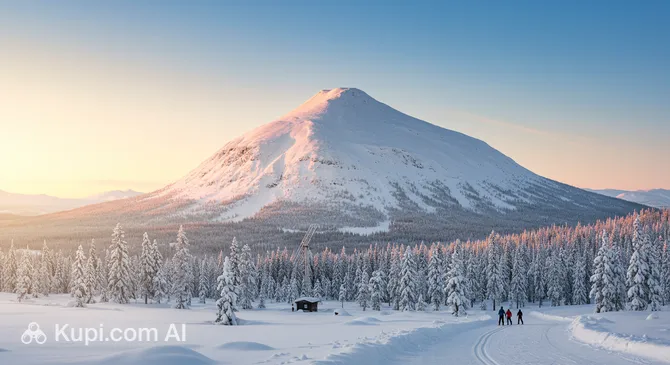
Pyhä is a true gem among the northern expanses, nestled at the foot of Pyhätunturi mountain. This small but incredibly hospitable resort, located in Finland, attracts travelers with its unique atmosphere of peace, tranquility, and a wonderful connection with nature.

Pyhä. Illustration.
Source: Kupi.com AI

Geographically, Pyhä is situated in the heart of Lapland, approximately 120 kilometers from Rovaniemi and just 50 kilometers north of the Arctic Circle. This is where a world of a true winter fairy tale begins: endless snowy plains, dense coniferous forests, and crystal-clear lakes. Although the town's permanent population is small, life here is vibrant thanks to tourists coming for the purest air and northern wonders.

The main point of attraction for guests is the opportunity to experience untouched nature. The resort borders Pyhä-Luosto National Park, the oldest in the country, where you can hike ancient trails or witness the magical Northern Lights. The history of Pyhä as a holiday destination is inextricably linked with the development of skiing: the local slopes are considered some of the best in the region, offering trails for both beginners and pros.

Pyhä is an ideal destination for those tired of the noise of big cities and seeking harmony. Come here to enjoy the silence of the snow-covered forest, go skiing or snowmobiling, and see the majestic Arctic sunsets with your own eyes.

Weather Overview

The climate in Pyhä is characterized by a distinct change of seasons, allowing you to enjoy a variety of outdoor activities year-round. To properly prepare for your trip and choose the right clothing, we recommend checking in advance what the weather in Pyhä is expected to be during your visit.

The winter months here are moderately cold, but without extreme frosts. In January and February, the average temperature stays around -3°C, and minimum values rarely drop below -6°C. This time of year is marked by frequent precipitation: snow or rain can occur for 10 to 14 days a month, creating an atmosphere of a northern winter.

Summer brings pleasant warmth, ideal for walking. The warmest month is July, with an average temperature of +17.3°C, while on sunny days, the air can warm up to +21°C. Expect a comfortable, mild summer with occasional rain and a cool winter with steady sub-zero temperatures.

Average monthly temperature

Average monthly precipitation

Interesting Facts

In addition to magnificent slopes and winter fun, Pyhä holds many fascinating stories and natural treasures that make this place truly unique.

  • Gems under your feet. The town is famous for its Lampivaara Amethyst Mine—one of the few such attractions in the world open to tourists. Here, you can not only learn the secrets of mining gemstones but also try to find your very own amethyst, which you are allowed to keep as a souvenir.

  • Centuries-old trees. Located near the resort, Pyhä-Luosto National Park is one of the oldest in the region. It was founded to preserve pristine landscapes, and today you can walk among ancient pine forests where some trees are up to 400 years old.

  • Ideal place for "hunting." In winter, Pyhä becomes a magnet for those wishing to see the Northern Lights. Thanks to its distance from the city bustle and the lack of artificial lighting, perfect conditions are created for observing this phenomenon, including as part of special night snowmobile safaris.

  • Indigenous heritage. Sami cultural traditions remain alive in Pyhä. Guests can visit local farms to meet reindeer herders and take sled rides, and during seasonal festivals, they can hear national songs and learn about the ancient crafts of the North.

How to Get There

Planning a trip to Pyhä requires attention to logistics, as the choice of route depends on your preferences and point of departure. To learn about all possible options and route details, we recommend studying the more about how to get to Pyhä section. Most often, travelers combine a flight or a train journey with a transfer by car or bus.

If you are planning to fly, the most convenient option is Turku Airport (IATA: TKU). It is located in the city of Turku, just 26.6 km from Pyhä. This is the nearest air hub, so the transfer to your destination will be short and easy. The airport serves regional and some international flights, ensuring a comfortable arrival.

For a wide selection of international flights, Helsinki-Vantaa Airport (IATA: HEL) is an excellent choice. It is the country's main international airport, located in the city of Helsinki, at a distance of about 174.5 km. The journey from here will require a longer trip by car or bus. You can also consider flying via Tampere-Pirkkala Airport (TMP), which is located in the city of Tampere (127.2 km from Pyhä).

For convenience, here is a summary of the main airports:

AirportPassenger trafficDistance
Turku Airport453 00027 km
Mariehamn Airport61 568123 km
Tampere-Pirkkala Airport168 328127 km
Helsinki-Vantaa Airport15.3 mln174 km
Tallinn Airport3.5 mln214 km

Traveling by rail is also possible, though it will require a transfer to road transport for the final leg. The nearest major hub is the Central Station (HEC), located in the city of Helsinki. The station is 177.8 km from Pyhä. From the station, you will need to continue your journey by bus or rental car. It is the country's largest transport hub with a well-developed infrastructure.

Below is information about the nearest significant railway stations:

StationPassenger trafficDistance
Helsinki Central Station37 mln178 km
Uppsala Central Station8.5 mln249 km
Gävle Central Station258 km
Stockholm Central Station73 mln258 km

Main Attractions

While Pyhä is primarily famous as a ski resort, it is also rich in natural wonders that are worth seeing firsthand. The main points of attraction here were created by nature itself, and the locals have carefully preserved their original beauty for guests visiting Finland.

Pyhä-Luosto National Park. This is the heart of the region and a place of power for many travelers. There are kilometers of marked trails leading through ancient coniferous forests and over the tops of the fells (tunturi). The park is known for its geological features and diverse flora, and in winter, it turns into an ideal location for snowshoeing surrounded by "snow sculptures"—trees covered in a thick layer of snow.

Isokuru Gorge. Located within the park, this is the deepest gorge in the country, reaching a depth of 220 meters. In summer, you can walk along the bottom of the gorge on convenient wooden boardwalks, enjoying the silence and the rugged beauty of the cliffs. This place has a special acoustic and atmosphere that transports you into a world of ancient legends.

Lampivaara Amethyst Mine. A unique attraction located at the top of a fell. It is one of the few mines in the world that allows tourists. Visitors can not only learn about the history of mining this semi-precious stone but also mine an amethyst of their own to keep as a souvenir. The platform near the mine offers perhaps one of the best panoramic views of the endless Lapland wilderness.

Pyhäkasteenputous Waterfall. The name of this place translates as "Holy Baptism Waterfall." This 17-meter stream of water falls into a small lake at the end of the Isokuru Gorge. In ancient times, this was a sacred place for the Sami people where important rituals were held. In winter, the waterfall freezes, forming an impressive ice wall that attracts photographers and lovers of winter aesthetics.

Local Cuisine

The culinary traditions of Pyhä are a true reflection of Lapland's rugged but generous nature. The local cuisine is based on simple, eco-friendly products: what the forest provides and what lives in the purest lakes. Here, food is not just about satisfying hunger, but a way to warm up and gain energy for active outdoor recreation.

The main delicacy of the region is rightfully considered to be reindeer. Be sure to try the classic sautéed reindeer, traditionally served with mashed potatoes, pickles, and sweet-and-sour lingonberry sauce. Fish lovers will enjoy the rich creamy salmon soup (lohikeitto) or baked trout caught in local waters. These dishes have become true symbols of northern hospitality.

Those with a sweet tooth should pay attention to desserts featuring wild berries, especially the "gold of Lapland"—cloudberries. A fresh Finnish cinnamon bun or a warm berry pie is the perfect accompaniment to tea or coffee. Among beverages in the winter season, the king of the table is hot glögg—a spicy Scandinavian version of mulled wine (alcoholic or non-alcoholic), which warms you up perfectly after a day on the ski slopes.

The food culture in Pyhä is characterized by coziness and a lack of pretension. Atmospheric restaurants, often decorated with wood and reindeer skins, are popular places to try high-end northern cuisine. However, street food is equally appealing: markets often sell grilled sausages and waffles. A special pleasure for tourists is to buy farm products at the market and have a picnic, grilling sausages themselves over an open fire in specially equipped rest areas.

Travel Tips

Welcome to the winter wonderland of Pyhä! To ensure your journey to this amazing corner of Lapland is as comfortable and carefree as possible, we have prepared a list of practical recommendations to help you feel confident and avoid minor inconveniences.

  1. Clothing and Essentials. The main rule in these parts is layering. In winter, be sure to bring thermal base layers (merino wool is best), fleece sweaters, and high-quality windproof outerwear. Footwear should be spacious (to fit a warm sock), waterproof, and have non-slip soles. Also, don't forget a power bank for your phone: electronics drain instantly in the cold.
  2. Transport. Pyhä is a compact resort where many distances can be covered on foot. A free or inexpensive SkiBus runs during the season to move between the slopes and hotels. There is no conventional city public transport here. Taxis are expensive, so if you want to explore the surroundings freely, it makes sense to rent a car. Keep in mind that winter driving requires skills for driving on snow and ice.
  3. Finances. The official currency is the Euro. Finland is one of the most advanced countries regarding cashless payments: cards are accepted almost everywhere, even in small cafes. Cash might be useful in rare cases, but you don't necessarily need to seek out an exchange office. Plan your budget with a margin, as prices for food and services here are higher than the European average. Service charges are usually included in the bill, but rounding up the amount is appreciated.
  4. Health and Safety. This is one of the safest regions in the world, but the harsh nature demands respect. Never leave marked trails alone. The nearest pharmacy may have limited hours, so bring a basic first-aid kit with you. Tap water here is extremely pure and drinkable—you can safely fill your bottles.
  5. Communication. Locals speak excellent English, so there should be no language barrier. Wi-Fi is available in almost all hotels and cottages. For constant connectivity and navigation, we recommend buying a prepaid SIM card (e.g., DNA, Elisa, or Telia) at a supermarket or R-kioski upon arrival in the country. It’s useful to download the 112 Suomi app for emergencies—it automatically transmits your coordinates to rescuers.
  6. Local Etiquette. Locals value personal space and silence. Loud talking in public places is considered bad manners. Greetings are usually limited to a handshake. If you are invited to a sauna, it is a sign of respect; remember that it's customary to go to the sauna without clothes (swimsuits are often prohibited for hygienic reasons), but you can always wrap yourself in a towel.
  7. What to Avoid. It is strictly forbidden to walk on the prepared ski tracks—this ruins the trail and can lead to collisions with skiers (there are separate winter paths for pedestrians). Also, avoid violating "Everyman's Right" to nature in reverse: littering in the forest or disturbing wild animals is strictly forbidden.
  8. Additional Tip. Be careful on the roads: reindeer roam freely here and often wander onto the roadway, especially at dusk. Reindeer have the right of way on the roads, and local drivers always slow down when they see them. Have your camera ready, but keep your distance!

By following these simple tips, you can focus on the main thing—enjoying the silence, the purest air, and the magic of northern nature. Pyhä is a place where the soul rests, and we hope your journey will be unforgettable!

Entertainment & Nightlife

Nightlife in Pyhä is fundamentally different from that of noisy metropolises. Here, you won't find the neon signs of massive night clubs or red-light districts. Entertainment in this Arctic resort follows the rhythm of ski holidays and the After Ski philosophy. The evening program here consists of cozy gatherings by the fireplace, live music in bars, and a warm, friendly atmosphere where skiers and snowboarders share their impressions of the day.

The epicenter of evening life is concentrated in the resort center, at the foot of the main slopes and near the Pyhätunturi Hotel. This is where the main venues are located, drawing tourists after the lifts close. The dress code in local bars and restaurants is extremely relaxed: sportswear, thermal base layers, and ski boots are considered the norm here. Formal wear and evening dresses would look out of place; the main focus is on comfort and warmth.

Among the specific venues worth visiting, Hanki Baari stands out. It is perhaps the most popular place for traditional after-ski in Pyhä. The bar features a laid-back atmosphere where you can warm up with hot drinks and have a great time with friends. During high season, music often plays, and many winter sports enthusiasts gather here, creating that unique ski resort energy.

Another important spot on the resort map is Ravintola Pyhän Uula. Located right at the foot of the slopes, this restaurant is famous for its magnificent views and delicious food, perfect for refueling. In the evening, it’s a pleasant place to relax in a cozy setting. Also a major attraction is Camp Kitchen & Bar, located in the Pyhätunturi Hotel. This modern establishment offers excellent cocktails and dishes made from local products, often serving as a meeting point for resort guests.

For non-sporting daytime entertainment, the cultural program is inextricably linked with nature. Be sure to stop by the Naava Visitor Centre. It is not just an information point but also a free interactive museum that tells the story of the nature, geology, and cultural history of the Pyhä-Luosto National Park. It’s a wonderful option for a quiet leisure activity for the whole family.

Practical tips for evening leisure:

  • Opening hours: Most restaurant kitchens close quite early, around 9:00 PM–10:00 PM, though bars may stay open until midnight or 2:00 AM on weekends. Plan your dinner in advance.
  • Safety: Pyhä is an exceptionally safe place. Night walks pose no threat from people; the main hazards are the cold and slippery roads. Always wear reflectors, as it gets very dark in winter, and it is difficult for drivers to spot pedestrians.
  • Transport: There is no night public transport. If you are staying in a remote cottage, find out the local taxi number in advance. There aren't many cars, and the wait can be long, so it's better to book your trip well ahead of time.
  • Prices: Be prepared for "Finnish" prices. A glass of beer or a cocktail in a bar will cost more than the European average, so many tourists prefer to start their evening in their own cottage saunas before heading out to the bars later at night.

Parks & Museums

In Pyhä, the concept of a "city park" takes on a completely different scale: here, well-kept alleys are replaced by centuries-old forests, and instead of fountains, waterfalls and mountain streams roar. The cultural heritage of this resort in Finland is inextricably linked with nature, so museums and galleries here serve as guides to the world of geology, Sami history, and Arctic flora.

Pyhä-Luosto National Park is the main green zone of the region, which begins literally at the hotel doorstep. It is not just a forest, but a unique natural complex combining ancient fell mountains that are over 2 billion years old. For tourists, dozens of kilometers of marked trails are laid out, allowing for comfortable exploration of the taiga and marshes. The park is interesting for its accessibility: even a short walk will allow you to enjoy the silence and the purest air saturated with the scent of pine needles.

The Tunturiaapa Nature Trail deserves special attention as a magnificent area for contemplative relaxation. The route passes through an extensive marshland along convenient wooden boardwalks. This place is particularly attractive for birdwatchers and photographers: the spacious open areas offer breathtaking views of the chain of fells, and in spring and autumn, you can observe the migration of many birds here.

The Naava Visitor Centre (Luontokeskus Naava) serves as the main museum and information heart of the resort. Admission is free, making it a must-visit for all guests. Inside is the interactive exhibition "Nature of Pyhä-Luosto," which fascinatingly tells the story of the geological history of the fells, the lives of local animals, and the cultural traditions of the Sami. It’s the perfect place to understand how this rugged but beautiful land was formed and to prepare for hikes.

The Chapel of the Northern Lights (Revontulikappeli) is a unique architectural and cultural site located on the shore of Lake Pyhäjärvi. It is the only church in the world specifically designed for tourists visiting a ski resort. The building is architecturally interesting: through a huge altar window, there is a view of nature that changes with the seasons, creating a living "icon." Concerts are often held here, where the acoustics of the wooden walls create a unique atmosphere.

For those seeking solitude away from popular routes, we suggest walking to Lake Pyhäjärvi in summer or heading out onto its ice in winter (following safety precautions). From the shore, you can find perhaps the most photogenic view of the profile of the fells reflecting in the water or rising above the snowy wilderness—an ideal spot for meditation and watching the sunset.

Getting Around

The public transport system in Pyhä has its own characteristics, dictated by its format as a small ski resort. You won't find a metro, trams, or trolleybuses here. The resort is quite compact, and most key facilities—slopes, hotels, restaurants, and shops—are within walking distance of each other. However, for comfortable travel between different parts of the resort and nearby attractions, there is an established bus service system.

The primary mode of transport for tourists is the SkiBus. This is a specialized bus that runs during the winter season and connects the skiing areas, main residential complexes, and the resort center. The SkiBus schedule is usually synchronized with the lift operations, making it an ideal option for skiers and snowboarders. Riding this bus is often free for holders of valid ski passes, but it's best to confirm this information at your hotel reception or at the resort ticket offices.

For trips outside the resort, such as to Kemijärvi railway station or Rovaniemi airport, intercity buses are used. The main bus operator in the region is Matkahuolto. The buses here are modern and comfortable, equipped with Wi-Fi and toilets. This is the most reliable way to get to Pyhä if you are not renting a car.

The payment system is as convenient as possible for the modern traveler. On local buses and the SkiBus, bank cards with contactless payment are accepted almost everywhere. Cash payment is possible, but drivers prefer cards, and large bills might not be accepted due to a lack of change. For intercity trips, it is strongly recommended to buy tickets in advance through the official Matkahuolto website or mobile app. You simply need to show the e-ticket to the driver on your smartphone screen when boarding.

If you require more flexibility, you can use taxi services. Local carriers operate in Pyhä, but their fleet is limited. During high season and holidays, it's better to book a car in advance by phone. It is worth noting that taxi fares in this region are quite high, especially at night and on weekends. Popular international taxi apps may be unreliable here or may not find available cars, so it is more dependable to rely on local dispatch numbers.

A popular alternative to public transport is renting a car. This gives you complete freedom of movement and the opportunity to visit remote corners of the national park. Rental points are usually located at arrival airports (Rovaniemi, Kuusamo); the choice of cars within the village itself is minimal. In winter, all rental cars are equipped with studded tires, but drivers should be prepared for driving on snowy and icy roads.

As an exotic and eco-friendly means of transport around the village, many tourists and locals use Finnish kicksleds (potkuri). These are high sleds with long runners that you stand on and push off with your foot. They can often be found at cottages or rented. It’s not only fun but also genuinely convenient for moving along the resort's packed snow paths.
Accommodation

Accommodation in Pyhä is not just a place to sleep, but a full part of the Arctic adventure. Unlike large cities with standard chain hotels, the predominant format here is cozy, eco-friendly housing that blends harmoniously into the landscape. Tourists are offered a wide range of options: from atmospheric log cottages (mökki) with a fireplace and sauna to modern apartments and unique glass igloos for observing the Northern Lights.

When it comes to areas, the location should be chosen based on your trip's goals. For those here for skiing, it’s best to stay in the resort center (Pyhä Centre). Many properties here operate on a Ski-in/Ski-out basis, allowing you to put on your skis right at the hotel doorstep. For those seeking privacy and silence, accommodation options on the shores of Lake Pyhäjärvi or in the forest zone, a bit further from the lifts, are ideal for feeling a total connection with nature.

Apart-hotels and cottage complexes are particularly popular. The most famous and strategically convenient option is the Pyhätunturi Hotel, located in the heart of the resort. It serves as a landmark and the center of village life. It’s also worth noting the growing trend for "emotional housing"—panoramic igloos and suites with transparent roofs that allow you to admire the starry sky and the flashes of the Aurora without leaving your warm bed.

Booking tip: Pyhä is a popular destination, especially during the winter holidays (Christmas, New Year) and spring ski breaks. Demand for high-quality cottages during these times is enormous, so it is recommended to book accommodation for peak dates 4–6 months in advance. Keep in mind that many cottages in high season are only rented for full weeks (usually from Saturday to Saturday).

The price range varies from mid-range to high-end. There are virtually no budget hostels here, but you can find affordable apartments for a group by splitting the cost. Booking is available through major international online platforms, as well as through local Finnish services and the resort's official website, which often feature exclusive accommodation options not available in other systems.

Nearby Cities

For those who want to explore the surroundings, Pyhä serves as an excellent starting point for day trips to several interesting places in the region:

Just a half-hour drive away is Turku—the oldest city in the country and its historical first capital. This is the cultural heart of the region, where you can visit the majestic Turku Castle, walk along the picturesque Aura River embankment, and see the Cathedral. The city offers a rich selection of museums, restaurants, and events, combining medieval heritage with the rhythm of modern life.

Connoisseurs of unique architecture should definitely visit the city of Rauma. Its historical center, known as "Old Rauma," is a UNESCO World Heritage site. It is one of the best-preserved wooden towns in Northern Europe, famous for its winding streets, old houses, and lace-making traditions.

Also of interest is Salo, often called the city of meetings and trade. Here you can find excellent shopping opportunities, visit art exhibitions, or explore nearby historical estates and ironworks transformed into cultural centers. The city is also known for its beautiful river landscapes and parks.

CityPopulationDistance
Masku9 70616 km
Naantali19 16722 km
Raisio24 29025 km
Laitila8 52027 km
Turku252 46830 km

These nearby destinations allow you to get a full picture of the diverse culture and landscapes of Southwest Finland.

Shopping & Souvenirs

Shopping in the town of Pyhä is not your typical marathon through shopping centers and global brand boutiques, but rather a cozy and authentic process of searching for unique northern souvenirs. Since it is a small ski resort, shopping opportunities are limited but carefully selected to meet travelers' needs. Tourists visiting Finland will find everything they need for active recreation here, as well as high-quality local products that serve as a reminder of the rugged beauty of Lapland.

The center of shopping and resort life is concentrated around the main road and the roundabout in the Pyhätunturi area. There are no long shopping streets in the classic sense. All key shops are within walking distance of each other, near the main hotels and lifts. This makes the shopping process as convenient as possible: you can stop for souvenirs or groceries immediately after skiing without wasting time on long trips.

There are no large malls in Pyhä. The main shopping point is K-Market Pyhätunturi. It is not just a grocery supermarket, but a true general store where you can buy essentials, household goods, firewood for the fireplace, and even some souvenirs. Also noteworthy are specialized sports shops, such as the Pyhä Store, which offers a wide range of winter sports clothing, high-quality thermal base layers, and equipment from leading Finnish and international brands.

Markets in Pyhä are more of an occasional event than a permanent one. At the height of the tourist season, especially during Christmas and spring ski holidays, small fairs may be organized in the central square. Local artisans and farmers bring their goods here: from knitted wool socks to homemade delicacies. This is a great opportunity to chat with locals and purchase something truly exclusive.

The choice of souvenirs here is dictated by nature itself. Be sure to look for products featuring amethysts—this is the hallmark of Pyhä, as the famous amethyst mine is nearby. Also popular are traditional Sami kuksa mugs made from birch burl and handmade knives. For edible gifts, tourists often bring back cloudberry jam, dried reindeer meat, licorice, and the famous Finnish Fazer chocolate. Those who appreciate comfort will love the reindeer skins and warm sweaters with traditional patterns.

Shops in Pyhä operate on a schedule convenient for tourists. The grocery supermarket is usually open daily from morning until 9:00 PM, allowing you to stock up on food even after returning late from the slopes. Clothing and souvenir shops most often close earlier, around 5:00 PM–6:00 PM. Payment is almost everywhere made by bank cards (Visa, Mastercard), even when buying small souvenirs. Cash may only be needed in rare cases at fairs, but an ATM in the center of the village is always at your service.

The Tax-Free system is available for tourists from non-EU countries. If you make a purchase in one store for an amount exceeding the set minimum (usually around 40 euros), look for the Global Blue logo in the window or ask the seller for a tax refund check. This will allow you to get a portion of your spent funds back when leaving the country, making shopping even more pleasant.

Reached the end of the page?

That means the route is fully explored