Support

Maison Bonaparte

About

In the narrow streets of the old quarter, where time seems to have slowed down, lies the Bonaparte House Museum — a place of exceptional historical significance. It was here, in the city of Ajaccio, that the man who changed the course of world history, Napoleon Bonaparte, was born in 1769.
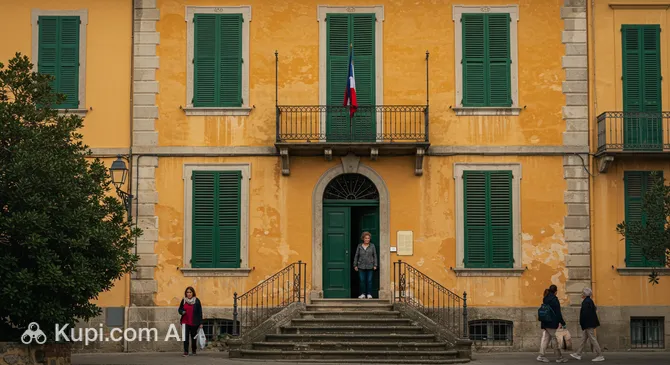
Maison Bonaparte
Maison Bonaparte. Иллюстрация. Источник: Kupi.com AI

The building is a classic example of 18th-century Corsican architecture. It is not just a museum but a genuine ancestral home that was expanded and rebuilt by generations of the family. Today, it is a primary landmark that France and the island of Corsica take great pride in.

Inside the museum, the setting has been recreated to be as close as possible to what surrounded Napoleon in his childhood. Visitors value this site for the opportunity to see the authentic lifestyle of the minor nobility of that time and to touch the origins of the legend of the emperor.

Contacts

To contact the museum administration and clarify visit details, you can use the following information. It is recommended to check the accuracy of the data before your visit, especially during public holidays.

How to contactContact
AddressRue Saint-Charles, 20000 Ajaccio, France
Phone+33 4 95 21 43 89
Websitemusees-nationaux-malmaison.fr

What to Do

Stepping inside this historic building, you enter the world of Napoleon's childhood. Visitors are free to move through the authentic living rooms, where the original layout and decor have been preserved. Guests often feel a special sense of awe in the childhood bedroom and the private chambers of the future emperor's parents.

The halls display a rich collection of family relics: from chestnut wood furniture to personal letters and portraits. Be sure to notice the kitchen with its traditional Corsican hearth — here you can imagine the quiet family evenings the Bonapartes spent before their forced departure to France.

For a deeper immersion into the context of the era, it is worth using an audio guide. It will tell you about the significance of each document in the exhibition and help you understand how the strict customs and traditions of Corsica influenced the formation of the personalities of Napoleon and his brothers.

Getting There

Finding the legendary house is easy: the Bonaparte House Museum is located in the heart of the historical center at Rue Saint-Charles. Since the old part of the city is characterized by narrow streets and dense buildings, the most pleasant way to get here is a leisurely stroll from the waterfront or the main city squares.

If you are arriving from the airport, it is most convenient to take a shuttle bus to the central terminal or take a taxi. Within the city itself, public transport is well-developed, but stops are located a short distance from the museum's pedestrian zone to preserve the authentic atmosphere of the old quarter.

For those traveling by car, it is recommended to leave your vehicle in one of the paid parking lots near the port or Place Foch, as parking directly at the museum doors is impossible due to the layout of the ancient streets.

Ближайший город: Ajaccio

History & Facts

The history of this building is inextricably linked with the rise of one of the world's most influential dynasties. The Bonaparte family owned this house almost continuously for two and a half centuries — from 1682 to 1923. The first owner from the family was Napoleon's great-great-grandfather, Giuseppe Buonaparte, who gradually purchased separate parts of the building until it was entirely owned by the family.

The future emperor's father, Carlo Buonaparte, played a special role in the house's appearance. After his marriage to Letizia Ramolino, he undertook a large-scale renovation, expanding the living quarters and adding an elegant terrace. It was within these walls that almost all of Carlo and Letizia's children were born, including Napoleon himself in 1769.

The fate of the house was as turbulent as the history of France. After the death of the family patriarch, the Bonapartes were forced to flee Corsica due to political strife, and their ancestral home was looted by supporters of Pasquale Paoli. Only later was the building restored and turned into a place of remembrance, carefully preserving the atmosphere of the times when the impending world fame of its inhabitants was still unknown.

Time Needed

To leisurely explore all the floors and carefully study the exhibits, most travelers need 1 to 2 hours. This is sufficient time to listen to the audio guide and soak in the atmosphere of an old Corsican mansion.

As the museum is very popular, additional waiting time in line may be required during peak tourist seasons. When planning your visit, it is better to allocate a couple of hours so that after touring the rooms, you have time to browse the souvenir shop and walk through the surrounding streets of the old town.

Working Hours

The museum welcomes visitors throughout the week, except for Mondays. Please note that there is a short break in the middle of the day, which is typical for many cultural institutions in Corsica.

Opening hours: from Tuesday to Sunday, the doors are open from 10:00 to 12:30 and from 13:15 to 16:30. Monday is a closing day.

DayWorking hours
ПонедельникЗакрыто
Вторник10:00 – 12:30, 1:15 – 16:30
Среда10:00 – 12:30, 1:15 – 16:30
Четверг10:00 – 12:30, 1:15 – 16:30
Пятница10:00 – 12:30, 1:15 – 16:30
Суббота10:00 – 12:30, 1:15 – 16:30
Воскресенье10:00 – 12:30, 1:15 – 16:30

Nearby

The museum's location in the historical heart of the city makes it an ideal starting point for further exploration of Corsican culture. A walk through the surrounding neighborhoods will allow you to immerse yourself deeper into the era that shaped the character of the future great leader.

Many interesting sites are just a few steps away, allowing you to create a rich itinerary without the need for long transfers between points of interest.

NameDistance
Place Foch0.1 km
A Casetta Corsican Products0.1 km
Le Trou dans le Mur Bar0.1 km
NapoRama0.2 km
Saint-François Beach0.2 km
Place de Gaulle0.2 km
Le Globo0.3 km

Reached the end of the page?

That means the route is fully explored