Support

Centro Storico di Portoferraio

About

Imagine a sun-drenched rocky promontory crowned with powerful terracotta walls and elegant towers—this is the historical center of Portoferraio. A true open-air museum located in the city of Portoferraio, it represents a unique example of Renaissance urban planning on the picturesque island of Elba.
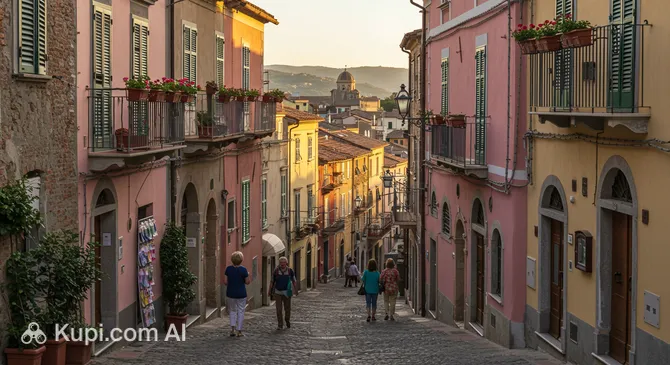
Historic Center of Portoferraio
Historic Center of Portoferraio. Иллюстрация. Источник: Kupi.com AI

This area in Italy is famous for its impregnable bastions, erected by decree of Cosimo de' Medici in the 16th century. Here, narrow, steeply ascending streets neighbor spacious squares, and the air is filled with the scent of the sea and Mediterranean greenery. The city center harmoniously combines rugged military architecture with the cozy atmosphere of a seaside port.

Today, you can see not only grand fortifications but also colorful ancient houses hiding craft shops and cafes in their courtyards. The historical heart of Portoferraio is rightfully considered one of the most significant places on the island, preserving the memory of grand dukes and emperors.

Contacts

To plan your visit to this historical part of town, it is helpful to have current reference information at hand. You can check the municipality's official resources in advance or find the location of key administrative buildings on the city map.

How to contactContact
AddressVia Giuseppe Garibaldi, 17, 57037 Portoferraio LI, Italy
Websitewww.comune.portoferraio.li.it

What to Do

Your walk should begin with an ascent to the Medici fortresses: Forte Falcone and Forte Stella. Their massive bastions offer perhaps the best views of the turquoise bay and the neat rows of old town rooftops. Be sure to check out the Torre della Linguella, which has guarded the harbor entrance for centuries.

History buffs will be interested in exploring the Palazzo Comunale and visiting small museums that tell the story of Napoleon Bonaparte's life. Don't miss the chance to enter the ancient Misericordia Church (Church of Mercy), which houses a unique organ and personal belongings of the great commander. The atmosphere here is steeped in the spirit of past centuries.

After the cultural program, it's pleasant to walk along the embankment, stopping by the shops of local perfumers for the famous Aqua dell'Elba fragrance. In numerous restaurants, you can taste the freshest seafood, and at local markets, you can purchase authentic souvenirs and delicacies that will serve as a great reminder of your trip.

Getting There

The easiest way to reach this iconic part of the island is by ferry from the mainland. Regular services depart from the port of Piombino and arrive directly in the city harbor, located at the foot of the old quarters. Once you step ashore, you won't need any transport—all the main attractions are within walking distance.

If you arrive on Elba Island by plane via the airport in Marina di Campo, you can reach your destination by local bus or taxi. Within the city itself, car traffic is limited, so a walking tour is the best way to explore the narrow streets and steep staircases.

Official address for navigation: Via Giuseppe Garibaldi, 17, 57037 Portoferraio. This is a central point from which it is convenient to start exploring the fortifications and historical buildings.

Ближайший город: Portoferraio

History & Facts

The historical center of Portoferraio owes its modern appearance to the ambitions of Cosimo I de' Medici. In 1548, under his orders, construction began on grand fortifications intended to turn the city into the impregnable fortress of Cosmopolis. The mighty Falcone and Stella forts became a reliable defense against frequent Mediterranean pirate raids.

In the 19th century, the city made its mark on world history thanks to Napoleon Bonaparte. The French emperor, exiled to the island of Elba, chose this place as his residence. His short but vibrant reign left a notable mark on the city's architecture and cultural life, transforming it from a military port into an elegant capital.

Over the centuries, the city center remained an important strategic hub on maritime routes. Every building here literally breathes the past: from ancient churches to former bakeries that, by the will of rulers, were transformed into majestic town halls.

Time Needed

To leisurely stroll through the picturesque alleys and appreciate the grandeur of the fortifications, it usually takes 3–4 hours. This is enough time for a quick look at the main squares and several viewpoints overlooking the bay.

If your plans include a detailed visit to the museums dedicated to Napoleon, exploring the interiors of the fortresses, and a traditional Italian lunch at one of the local restaurants, you should set aside half a day to get to know the center.

Working Hours

Since the historical center is an open urban district, you can walk through its streets and squares 24 hours a day (Open 24 hours). This provides a wonderful opportunity to see the city both in the bright light of day and under romantic evening illumination.

However, keep in mind that individual attractions, such as museums, forts, and churches, have their own operating schedules. Most of them are open to visitors in the morning and evening hours, with a mandatory siesta break in the middle of the day. We recommend checking the access times for specific sites in advance.

Круглосуточно

Nearby

Exploring the surroundings of the old town will allow you to dive deeper into the island's atmosphere and discover many hidden gems. A walk beyond the main bastions will reward you with breathtaking panoramas and an introduction to lesser-known but equally interesting sites.

NameDistance
La Tonnina0.1 km
La Cisterna0.1 km
Teatro Bistro & Wine Bar0.1 km
Forte Falcone0.2 km
Napoleon's Mills House0.2 km
Ghiaie Beach0.6 km
Ristorante Bologna0.9 km

Reached the end of the page?

That means the route is fully explored