Support

Fecamp

About

Fécamp is a charming town and a true gem of Normandy, nestled comfortably on the shores of the English Channel. It is located on the famous Alabaster Coast of France, approximately 230 kilometers northwest of Paris. With a population of about 18,000, Fécamp offers its guests a unique blend of picturesque nature, rich historical heritage, and the tranquil atmosphere of coastal life.
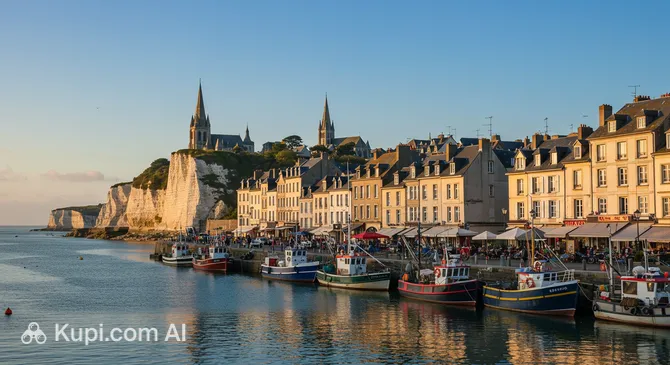
Fecamp. Illustration.
Source: Kupi.com AI

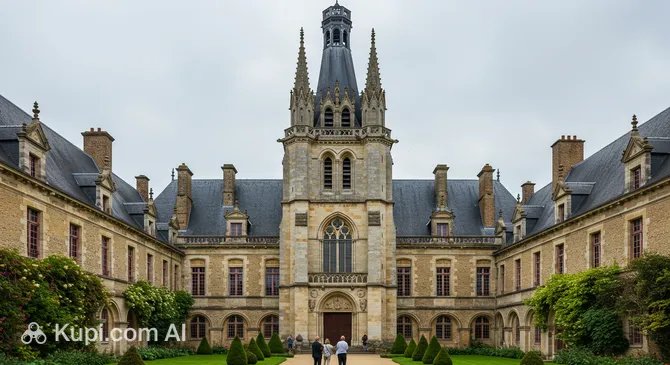
The town takes pride in its status as a "City of Art and History," and for good reason: architectural monuments from various eras have been beautifully preserved here. One of the town's calling cards is the majestic Palais Bénédictine, built in an eclectic style, where, according to legend, the famous namesake liqueur was created. Equally significant is the Abbey Church of the Holy Trinity (Abbatiale de la Trinité), a former monastery church that impresses with its scale and architecture. Fécamp has long been an important fishing port, and its maritime traditions are still felt today, especially on the lively waterfront and in the local fisheries museum.

Fécamp's unique location between the sea and high chalk cliffs, such as Cap Fagnet, creates unforgettable landscapes and a sense of freshness. It is a pleasure to simply stroll along the pebble beach, breathing in the sea air, or to explore the historical streets. Fécamp is a place that charms with its authenticity and hospitality, inviting travelers to discover its hidden treasures and enjoy the steady rhythm of Norman life.

You can find more interesting facts on the history of Fécamp page.
Weather Overview

In Fécamp, a temperate maritime climate awaits you. Summers here are mild, with average temperatures in the warmest months (July-August) staying around 18°C and peak values reaching approximately 20.5°C. Winters are cool but without severe frosts, with an average January temperature of about 6.6°C. Expect moderately warm summers with low rainfall and cool, more humid winters. The highest amount of precipitation falls between September and January, with December being the wettest month, while there is significantly less rain from April to August. For more detailed information on weather and climatic conditions, you can visit the Fécamp Climate page.

Average monthly temperature

Average monthly precipitation

Interesting Facts

Beyond its well-known attractions, Fécamp holds many intriguing stories and surprising details that make it truly special. Ready to learn a few of them?

Benedictine Palace. Illustration.
Source: Kupi.com AI

Traveler photos:

  • The town is home to the famous Abbey of the Holy Trinity, dating back to the 13th century. According to ancient legend, a priceless relic is kept here—several drops of Christ's blood, the vessel for which was miraculously fished out near the Norman coast after being lost by Crusaders.

  • It was in Fécamp, within the walls of the future Palais Bénédictine, that back in 1510, a monk named Dom Bernardo Vincelli developed the secret recipe for the world-famous "Bénédictine" liqueur. This unique drink, which includes 27 different herbs and spices, is still produced on the same site today.

  • The great French writer Guy de Maupassant had a special affection for Fécamp. He often stayed here with his grandmother, and the rugged beauty of the local coast and the colorful fishing port frequently served as a source of inspiration and a backdrop for his famous short stories.

  • The majestic cliffs of Cap Fagnet, which dominate the town, not only offer travelers breathtaking panoramic views of the English Channel but have also served as an important strategic point for centuries. A lighthouse and defensive fortifications were located here, traces of which can still be found today.

How to Get There

Reaching the charming coastal town of Fécamp, located in Normandy, is possible through several means, primarily via transport hubs in other cities, as Fécamp itself does not have a major airport or a railway station for long-distance routes.

Although Fécamp does not have its own airport, travelers can use several airports in the region and beyond. The most convenient options include:

The closest to Fécamp is the small regional airport Saint-Gatien (DOL), located in Deauville, about 46.5 km away. This airport primarily serves seasonal and regional flights. From there, you can reach Fécamp by taxi in about 1.5 hours, or use regional buses, which may take longer.

A larger option, often used by budget airlines, is Beauvais–Tillé Airport (BVA). While it formally serves Paris, it is located significantly north of the capital, about 129.6 km from Fécamp. A taxi ride from here to Fécamp will take about 3.5 hours. You can also consider taking a shuttle bus to the nearest major city and then continuing by regional transport.

The main international hub of France, Charles de Gaulle Airport (CDG) in Paris, is one of the largest in Europe and accepts flights from all over the world. It is located 177.8 km from Fécamp. A taxi ride from Charles de Gaulle to Fécamp can take about 4.5-5 hours and will be quite expensive. A more common and economical option is to take a train from Paris (for example, from Saint-Lazare station) to Le Havre or Yvetot, and then transfer to a local bus or taxi to Fécamp, which takes a total of about 3-4 hours depending on the schedule and connections.

For convenience, here is a summary of the main airports to consider for a trip to Fécamp:

AirportPassenger trafficDistance
Saint Gatien Airport65 66446 km
Carpiquet Airport329 63288 km
Beauvais-Tille Airport6.5 mln130 km
London Gatwick Airport43.2 mln161 km
Charles de Gaulle Airport70.3 mln178 km

Train connections to Fécamp also involve using stations in larger cities. There is no direct rail service to Fécamp from distant regions, but you can reach nearby stations and then use local transport.

The main railway hubs through which you can reach the region are the Paris stations, such as Gare du Nord (XPG), located about 173.4 km from Fécamp, and Gare de l'Est (XHP), located at a distance of about 173.9 km. From these stations, you will need to continue on regional trains (for example, to Le Havre or Yvetot) and then take a bus or taxi to Fécamp. The total travel time from Paris to Fécamp, including transfers, is usually 2.5-3.5 hours.

Below is information on some railway stations that may serve as transit points on the way to Fécamp:

StationPassenger trafficDistance
Brighton Station14.5 mln125 km
Ashford International Railway Station3.5 mln158 km
Calais-Fréthun Railway Station163 km
Gare du Nord Station220 mln173 km
Gare de l'Est34 mln174 km

In addition, Fécamp can be conveniently reached by car. The town is connected to a network of regional roads (such as the D925 and D940), which provide access from Le Havre, Rouen, and other cities in Normandy. Traveling by car also provides a wonderful opportunity to enjoy the picturesque landscapes of the Alabaster Coast and the surrounding countryside.

Main Attractions

Fécamp, a charming Norman town, offers its guests several interesting attractions that allow for a deeper acquaintance with its history and culture. Everyone will find something to their liking here, from majestic architecture to fascinating museums.

One of the town's main jewels is undoubtedly the Palais Bénédictine. This impressive building, combining Gothic and Renaissance features, is known not only for its architecture but also as the production site of the famous "Bénédictine" liqueur. Visitors can explore the luxurious interiors, learn the history of the drink's creation, and, of course, enjoy a tasting. The palace attracts visitors with its unique atmosphere and rich history.

Benedictine Palace. Illustration.
Source: Kupi.com AI

Traveler photos:

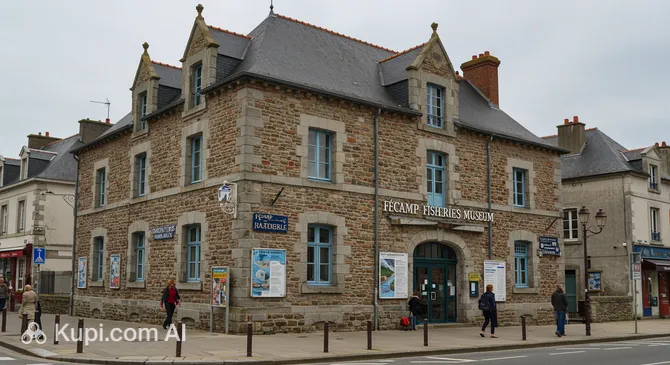
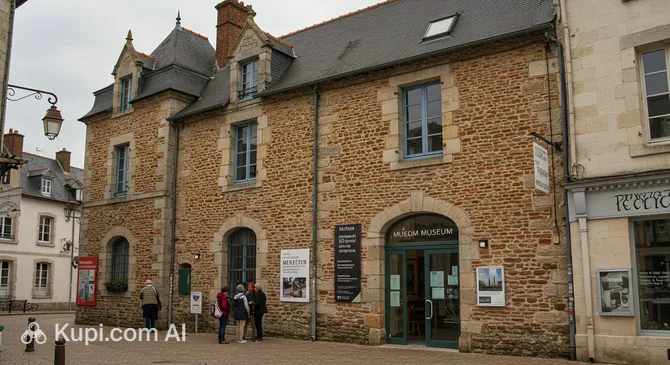
For those interested in Fécamp's maritime past, a visit to the Les Pêcheries - Museum of Fécamp is a must. Located in a former cod-drying factory, the museum tells the glorious story of fishing in the region, the lives of fishermen, and the development of fishing technologies. Exhibits include ship models, fishing gear, and interactive displays, making the visit educational and exciting for the whole family.

Fécamp Fisheries Museum. Illustration.
Source: Kupi.com AI

Traveler photos:

Those with a sweet tooth and curious tourists alike will enjoy the Hautot Chocolate Museum. Here you can immerse yourself in the fragrant world of cocoa, learn about the history of chocolate from ancient civilizations to the present day, observe the manufacturing process, and, naturally, sample various types of this treat. This place provides not only knowledge but also plenty of positive emotions.

Hautot Chocolate Museum. Illustration.
Source: Kupi.com AI

Traveler photos:

It is also worth checking out Woody Park if you are traveling with children or simply want to spend an active time in nature. This adventure park offers various rope courses and other activities among the trees, making it excellent entertainment for fans of active recreation.

Local Cuisine

Fécamp is a true paradise for gourmets, especially for lovers of the freshest seafood. Located on the coast of Normandy, the town is famous for its fishing traditions, thanks to which fresh oysters, mussels, scallops, and the famous Norman lobster are always present on the tables of local restaurants and in the homes of residents. Many establishments buy the catch directly from fishermen early in the morning, guaranteeing exceptional quality and flavor.

A special gastronomic pride of Fécamp is the world-renowned Bénédictine liqueur. This unique drink with a rich herbal bouquet is produced according to a secret recipe that, legend has it, was created by Benedictine monks back in the 16th century. You can try the original liqueur and learn more about its history by visiting the magnificent Palais Bénédictine. Among other local drinks, the traditional Norman cider is worth noting, as it perfectly complements the regional cuisine.

Benedictine Palace. Illustration.
Source: Kupi.com AI

Traveler photos:

In addition to seafood and liqueur, Fécamp's cuisine offers other classic Norman specialties. Be sure to try the rich creamy fish soup, the fragrant apple tart (tarte aux pommes), and, of course, the famous Camembert cheese. Locals and tourists alike enjoy these delicacies in cozy cafes, traditional brasseries, and restaurants, many of which specialize specifically in seafood. It is also worth visiting Fécamp's farmers' markets, where you can buy fresh vegetables, cheeses, homemade pastries, and other delicacies that Normandy is so famous for.

Fécamp's culinary scene offers an authentic experience of immersion into the region's culture. Throughout the year, various gastronomic festivals are often held here, where you can not only taste local products but also watch culinary masterclasses. Every meal in Fécamp is an opportunity to discover new flavors and enjoy the bounty of the Norman land and sea.

Travel Tips

Welcome to charming Fécamp! To make your journey through this Norman town as comfortable and pleasant as possible, we have prepared some practical tips.

  1. Wardrobe and Essentials: The weather in Fécamp, as in all of Normandy, can be changeable. We recommend bringing layered clothing to easily adapt to temperature changes and possible rain. Don't forget comfortable shoes for walking around town and along the picturesque coast, as well as a raincoat or umbrella. You will need a Type E adapter for your electrical appliances, which is standard for France. When visiting churches, such as the Abbey Church of the Trinity (Église de la Trinité), general modesty in dress is sufficient.
  2. Getting Around: Fécamp is a relatively small town, and its historical center, port, and waterfront are pleasant to explore on foot. For longer trips within the town, you can use the local Ficibus network. Taxis are also available, but there may not be many, so it's better to book in advance, especially during peak season. Renting a car would be an excellent solution if you plan to explore the surrounding area, such as the famous Alabaster Coast (Côte d'Albâtre).
  3. Financial Matters: The official currency in Fécamp, as in the rest of France, is the Euro (EUR). Bank cards (Visa, Mastercard) are widely accepted in most shops, restaurants, and hotels. ATMs (distributeurs automatiques de billets) are easy to find in the town center. In restaurants, a service charge (service compris) is usually already included in the bill; however, a tip of 5-10% for exceptionally good service is always welcome, though not strictly mandatory.
  4. Health and Safety: Pharmacies (pharmacie), easily recognizable by a green cross, are available in town; information on duty pharmacies can be found in windows or online. In case of an emergency medical need, call the pan-European number 112. Fécamp is considered a very safe town. Nevertheless, as with anywhere, standard precautions should be observed: keep an eye on your personal belongings, especially in busy tourist areas.
  5. Language and Connectivity: The official language is French. In tourist areas, hotels, and some restaurants, staff may speak English, but you shouldn't rely on this everywhere. Knowing a few basic French phrases (e.g., "Bonjour" – hello, "Merci" – thank you, "S'il vous plaît" – please, "Au revoir" – goodbye) will be very warmly received by the locals. SIM cards for mobile internet can be purchased at tobacco shops (tabac) or mobile phone stores. Free Wi-Fi is often available in hotels, cafes, and the tourist office.
  6. Local Customs and Etiquette: The French value politeness. It is customary to say hello ("Bonjour" during the day, "Bonsoir" in the evening) when entering small shops or cafes or when addressing someone, and to say goodbye ("Au revoir"). Using "vous" (the formal "you") with strangers is the norm. Try not to speak too loudly in public places, especially in restaurants and on transport.
  7. What to Avoid: Whenever possible, try to start your interaction with locals with a greeting in French, even if you switch to English afterwards—it’s a sign of respect. Also, it’s best not to criticize local ways or cuisine if something isn't to your taste; the French are very proud of their culture.
  8. Special Highlight of Fécamp: Don't miss a visit to the Palais Bénédictine—a magnificent palace where the famous namesake liqueur is produced; the tour includes a tasting. Fécamp is also an important fishing port, so be sure to try the freshest seafood in one of the local restaurants. And, of course, enjoy walks along the beach and the high chalk cliffs characteristic of this stretch of the Norman coast.

We hope these tips help you better prepare for your trip and fully enjoy the unique atmosphere, beauty, and hospitality of Fécamp. Have a wonderful journey!

Entertainment & Nightlife

Fécamp, a charming port town in Normandy, offers its guests not only picturesque landscapes and a rich historical heritage but also cozy opportunities for evening relaxation. While Fécamp is not famous for boisterous nightclubs, you can find pleasant spots here to unwind after a busy day, enjoy some drinks, and soak in the local atmosphere.

Evening life in Fécamp is mainly concentrated around the port and in the central part of the town. Here you will find traditional French bars and restaurants where you can spend a pleasant time. The atmosphere is generally calm and friendly, conducive to conversation. Many establishments offer local drinks, including the famous Bénédictine liqueur produced right here. The dress code in most places is casual, allowing you to feel comfortable.

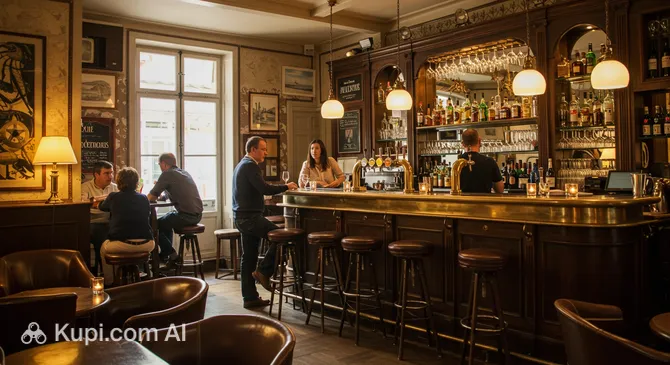
One of the pleasant spots for evening relaxation is the Le Grand Pavois Hotel Bar. Here you can enjoy drinks in an elegant setting, often with a view of the sea. It is an excellent place for a quiet evening or an aperitif before dinner. Another popular option is the La Verrière Bar, known for its relaxed atmosphere and good selection of drinks. Such establishments are usually open until late in the evening, especially during the tourist season and on weekends.

Le Grand Pavois Hotel Bar. Illustration.
Source: Kupi.com AI

Traveler photos:

If you are planning an evening out, the best time is after dinner, starting around 9:00 PM. Prices in Fécamp's bars are generally moderate. You can get around the town at night on foot if your accommodation is near the center or the port. Otherwise, it is recommended to use taxi services. Check with your hotel or the tourist office for local taxi numbers to plan your return trip in advance.

Fécamp is considered a fairly safe town. Nevertheless, as with anywhere, it is worth observing standard precautions after dark: avoid poorly lit and deserted streets, and keep an eye on your belongings. Walking along the promenade or the central streets in the evening can be very pleasant.

During the day, Fécamp also offers many interesting activities. Be sure to visit the majestic Palais Bénédictine, where the famous liqueur is made and where you can learn about its history. Fans of maritime themes will enjoy the Les Pêcheries - Museum of Fécamp, while those with a sweet tooth will love the Hautot Chocolate Museum. For active family recreation, Woody Park is a great choice, offering various outdoor entertainment options.

Parks & Museums

Fécamp, a charming Norman town, offers its guests not only picturesque coastal landscapes but also a rich cultural heritage that can be explored through its parks, museums, and historical landmarks.

While Fécamp is better known for its coastline, there are also spots for relaxing in nature. Take a walk along the impressive chalk cliffs, such as Cap Fagnet, which offers breathtaking views of the English Channel and the town. Fécamp beach is a great place for relaxed rest and enjoying the sea breeze. For more active pastimes or family outings with children, Woody Park is an excellent choice. This park offers various outdoor entertainments, including rope courses, making it an attractive destination for those seeking adventure and fun in the fresh air.

The cultural life of Fécamp is closely linked to its maritime history and unique traditions. A visit to the Les Pêcheries - Museum of Fécamp is essential; it tells the history of fishing in the region, particularly the cod industry off the coast of Newfoundland. The museum's exhibition is housed in a former fish-packing factory and offers a panoramic view of the town and port.

Another iconic site is the majestic Palais Bénédictine. This is not just an architectural masterpiece combining Gothic and Renaissance styles, but also a working distillery where the famous "Bénédictine" liqueur is produced. The tour includes an exploration of the palace, art collections, and, of course, a tasting of this unique drink.

For those with a sweet tooth and curious travelers, the Hautot Chocolate Museum (Découverte du Chocolat Hautot) will be an interesting discovery. Here you can learn about the history of chocolate, the process of its manufacture from cocoa bean to finished product, and, naturally, sample local chocolate delicacies.

To round off your experience, take a leisurely stroll around Fécamp's harbor, watching the fishing boats, or climb up to the Chapel of Notre-Dame-du-Salut on the cliff top—it offers some of the best panoramic views of the town and coast, especially at sunset.

Getting Around

Fécamp is a charming town that is often a pleasure to explore on foot, especially if you want to discover its historical center or stroll along the waterfront. However, for longer journeys or to save time, several public transport options and alternative modes of travel are available to tourists.

The main form of public transport in Fécamp is the bus. The urban bus network, known as Ficibus, connects key areas, including the center, the Gare de Fécamp railway station, and important tourist spots. Bus tickets can generally be purchased directly from the driver upon boarding. Multi-trip tickets or day passes may sometimes be available, which can be advantageous for frequent travel. It is recommended to check current schedules and routes at stops or on the official website of the Ficibus network or the town. Note that buses may run less frequently on weekends and public holidays.

For those who prefer individual comfort or need to travel at off-peak hours, taxi services are available in Fécamp. Taxi ranks can usually be found in busy locations, such as near the station or in the town center. You can also order a car by phone.

Given the picturesque surroundings of Fécamp, a great alternative for getting around, especially in warm weather, is bicycle rental. This is not only a convenient way to travel but also a wonderful opportunity to enjoy views of the coast and the surrounding area at your own pace. Bicycle rental points can be found in tourist areas or by checking with the local tourist office.

Practical tips for tourists: Before setting off on public transport, try to have some small change on hand to buy a ticket from the driver. Always check if you need to validate your ticket—sometimes this must be done in a special machine inside the bus. If you plan to use buses actively, inquire about the possibility of purchasing travel passes. And, of course, don't forget that Fécamp is a town perfectly suited for leisurely walks that allow you to better feel its atmosphere.

Accommodation

In Fécamp, tourists will find a variety of accommodation options to suit different preferences and budgets. The town offers a choice from cozy guesthouses and self-catering apartments to traditional hotels. Whether you are looking for a budget option or more comfortable lodging, Fécamp has a suitable place for your stay in France.

Many travelers prefer to stay in areas close to the main attractions and the waterfront. For example, accommodation within walking distance of the famous Palais Bénédictine or the Les Pêcheries - Museum of Fécamp is very popular. Options with sea views or those located near the port are also in demand, offering picturesque vistas and easy access to restaurants and cafes.

When planning your budget for staying in Fécamp, you will find that the town offers both affordable options and comfortable mid-range accommodation. While there are few luxury resorts here, the emphasis is on authentic and cozy lodging, which adds a special charm to the holiday. To ensure the best choice, especially during peak tourist season (summer months and public holidays), it is recommended to book your accommodation well in advance. This can be done through popular online platforms or, for some guesthouses and apartments, by contacting the owners directly.

Nearby Cities

For those who want to explore the surrounding area, Fécamp serves as an excellent starting point for day trips to several interesting nearby locations:

CityPopulationDistance
Bolbec11 61021 km
Montivilliers15 56427 km
Lillebonne8 84529 km
Octeville-sur-Mer16 94829 km
Gonfreville l'Orcher9 16230 km

These nearby destinations offer a glimpse into the diverse culture and landscapes of this region of France. Each trip promises new discoveries, whether it be historical monuments, picturesque scenery, or the charm of local towns.

Shopping & Souvenirs

Shopping in Fécamp is a pleasant addition to exploring this charming Norman port town. While there are no massive shopping malls, there is the opportunity to find authentic local goods and souvenirs that reflect the spirit of the region. The town is particularly famous for its renowned Bénédictine liqueur, as well as products related to the sea and Norman gastronomic traditions.

The main shopping opportunities are concentrated in the central part of Fécamp, especially on the streets adjacent to the port and iconic sites like the Palais Bénédictine. Strolling through these streets, you will discover small boutiques, souvenir shops, and stores offering local delicacies.

You likely won't find large modern shopping centers in Fécamp. Shopping here is of a more traditional nature, with an emphasis on small specialized shops and stalls where you can chat with the sellers and find something unique.

As in many French towns, Fécamp likely hosts a traditional market (marché). Usually, these markets offer fresh local products—cheeses, sausages, seafood, vegetables, and fruits, as well as flowers and sometimes the work of local artisans. Visiting the market is a great way to feel the local atmosphere and purchase something delicious.

The main souvenir from Fécamp is undoubtedly the famous Bénédictine liqueur, which is produced right here. It can be purchased at the shop within the Palais Bénédictine. It is also worth looking for other Norman specialties: cider, Calvados, salted butter caramel, and canned seafood. Sweet lovers can visit the Hautot Chocolate Museum, where tasty souvenirs are sure to be found. Small souvenir shops offer maritime-themed items and symbols of Normandy.

Shops in Fécamp are usually open from the morning (around 9:00-10:00 AM) until the evening (6:00-7:00 PM), with a traditional lunch break (roughly from 12:30 PM to 2:00 or 2:30 PM). On Sundays, most shops, except for some souvenir and grocery stalls in tourist zones, may be closed. Bank cards (Visa, Mastercard) are widely accepted, but cash might be useful for purchases at the market or in very small shops.

If you are a tourist from a non-EU country, you can take advantage of the Tax Free system when making purchases above a certain threshold in a single store. This allows you to claim back part of the VAT. Don't forget to ask the shop for a special form (détaxe) and present it along with your purchases and receipts to customs when leaving the EU.

Reached the end of the page?

That means the route is fully explored