Support

Le Havre

About

Le Havre is a fascinating city where stark modernity harmoniously intertwines with maritime romance. Located on the shores of the English Channel in the heart of Normandy, it is one of Europe's largest ports and a major economic center with a population of about 170,000. Geographically, the city sits at the picturesque mouth of the Seine, and just a two-hour drive separates it from Paris, making Le Havre an accessible and attractive destination for travelers exploring northern France.

The city's unique architectural appearance was largely shaped by the history of Le Havre in the 20th century. After significant mid-century changes, the center was completely rebuilt under the leadership of visionary Auguste Perret. His bold use of reinforced concrete and innovative spatial solutions turned the city into a masterpiece of modernism, which is today rightfully included in the UNESCO World Heritage list. This is a rare case where a modern urban development has received such high international status.
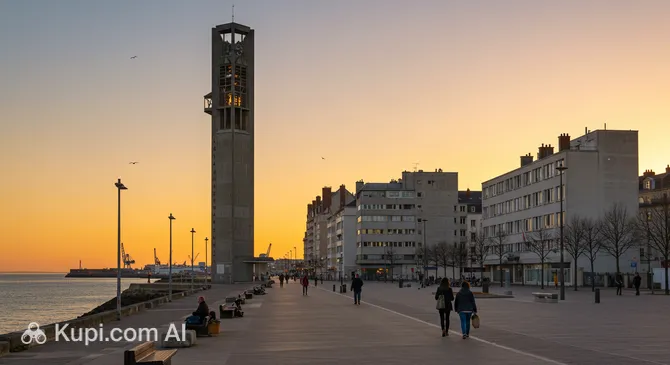
Le Havre. Illustration.
Source: Kupi.com AI

Despite the monumentality of the architecture, an incredibly light and creative atmosphere prevails here. Le Havre is rightfully called a city of artists and the cradle of Impressionism: it was these very landscapes that inspired Claude Monet. Visitors can stroll along the spacious embankments, enjoy the fresh sea breeze on the wide pebble beach, or drop into cozy cafes to try the famous Normandy cider and fresh pastries.

Le Havre is worth visiting for the feeling of freedom and the endless sea horizon. There is no hustle and bustle of typical metropolises here, but there is a unique aesthetic, a rich cultural life, and hospitality that makes tourists return here again and again.
Weather Overview

The city's climate is determined by its coastal position and proximity to the English Channel. A moderate maritime weather prevails here, characterized by an absence of extreme heat in summer and severe frosts in winter. The influence of the Atlantic is felt year-round, bringing a fresh breeze and regular humidity. To plan your wardrobe for the trip, we recommend checking the detailed weather in Le Havre in advance.

The summer season here is mild and comfortable, which is ideal for long walks. In July and August, the average temperature is about 18°C, and daytime maximums usually reach 21–22°C. However, even in summer, don't forget your umbrella: an average of 11 to 13 rainy days are recorded during these months.

Winter in Normandy is cool but not harsh. In January and December, the air temperature stays in the 6–8°C range, rarely falling below 4°C. Expect a fresh, mild summer with occasional precipitation and cool, damp winters, when the number of rainy days can reach 19 per month.

Average monthly temperature

Average monthly precipitation

Interesting Facts

In addition to its main attractions, Le Havre holds many fascinating secrets that reveal themselves only to curious travelers. This city, like a phoenix, possesses a unique history and architectural phenomena capable of surprising everyone.

  • The city center is a grand architectural experiment that has received world recognition. Auguste Perret applied such innovative methods of working with concrete during the post-war reconstruction that this ensemble was added to the UNESCO World Heritage list. To see what cutting-edge mid-20th-century living looked like, it's worth visiting the Perret Showflat, where the historical interior has been fully recreated.

  • Le Havre is rightfully considered the cradle of Impressionism. It was the local light effects and seascapes that inspired Claude Monet to create the painting "Impression, Sunrise." Today, the MuMa (André Malraux Museum of Modern Art) houses one of the most significant collections of Impressionists in France, and its glass building allows the sea to literally become part of the exhibition.

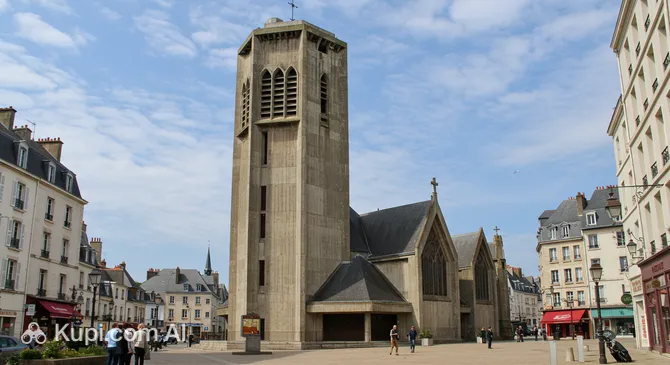
  • The majestic St. Joseph's Church serves a dual function, being both a place of worship and a spiritual lighthouse. Its 107-meter tower is visible from the sea for many miles, and inside, light passing through thousands of colored glass pieces creates a unique play of colors that changes depending on the time of day.

  • You can find amazing green oases in the most unexpected places in the city. For instance, the Hanging Gardens of Le Havre are located right on the walls of an old military fort. Plants from different corners of the world are collected here, symbolizing the city's port status, and offering a magnificent panoramic view of the Seine estuary.

St Joseph's Church. Illustration.
Source: Kupi.com AI

Traveler photos:

How to Get There

When planning a trip to Normandy, it is important to think about logistics in advance, as routes can vary depending on your starting point. You can find all the ways to get to the city to choose the most suitable option. Le Havre has a well-developed transport network connecting it with both key regions of France and neighboring countries.

The nearest air hub to the city is Saint-Gatien Airport (DOL). It is not located in Le Havre itself, but in neighboring Deauville, just 15.3 km from the center. This is a small but convenient airport for regional flights. A trip from here by car or taxi will take about 20–30 minutes, making it an excellent choice for those who value time and want to be as close to their destination as possible.

Another popular option is Caen-Carpiquet Airport (CFR), located in the city of Caen. The distance to Le Havre is about 53.7 km. This is a larger hub with significant passenger traffic. The journey by taxi or transfer from here will take approximately 45–50 minutes, passing along scenic Norman roads. This route is often chosen by tourists planning a trip throughout the entire region.

For international travelers, especially those using low-cost airlines, Beauvais-Tillé Airport (BVA), located near Paris, is an important hub. Although it is 145.9 km away from Le Havre, a wide selection of budget flights makes it a popular entry point. The journey by car from here takes about 1.5–2 hours; a combination of bus and train is also an option.

Below is summary information on the main airports in the region:
AirportPassenger trafficDistance
Saint Gatien Airport65 66415 km
Carpiquet Airport329 63254 km
Beauvais-Tille Airport6.5 mln146 km
Alderney Airport49 823169 km
Jersey Airport1.5 mln170 km

Rail travel in France is famous for its efficiency. The largest stations, through which tourist routes often pass, are in the capital. One of the key hubs is Gare du Nord (North Station) in Paris. It serves a colossal flow of passengers and is located approximately 178 km from Le Havre. Travelers often arrive here by international trains and then transfer to regional lines going to the English Channel coast.

It is also worth noting Le Mans Station, located in the city of the same name at a distance of 166.9 km from Le Havre. This is an important transport hub, convenient for transfers for those traveling from the south or west of the country. The travel time by car from Le Mans to Le Havre is about 2 hours, allowing you to reach the coast fairly quickly.

Below is information on the nearest major railway stations:
StationPassenger trafficDistance
Brighton Station14.5 mln149 km
Le Mans Railway Station5.4 mln167 km
Gare du Nord Station220 mln178 km
Gare de l'Est34 mln178 km
Massy TGV Station1.5 mln180 km

Main Attractions

Le Havre offers travelers an unconventional set of attractions, where avant-garde architecture sits alongside historical heritage and seascapes. A city that reinvented itself in the modern era, today it surprises with bold shapes and a careful attitude towards its preserved monuments of the past. A walk through its streets is a journey through eras, from the 18th century to futuristic modern projects.

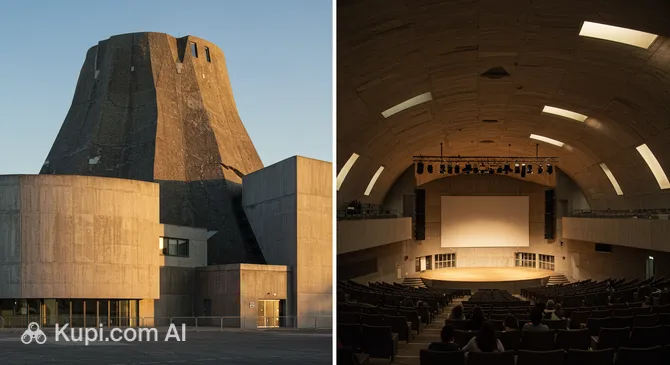
One of the most recognizable architectural landmarks in the city is the Le Volcan cultural center. Designed by the famous Brazilian architect Oscar Niemeyer, this snow-white complex, with its smooth lines, contrasts with the strict geometry of the surrounding buildings by Auguste Perret. Locals affectionately call it the "yogurt pot" because of its characteristic shape. Inside "The Volcano" is a national stage—a theater that has become an important center of cultural life in the region—as well as a modern library where you can relax in silence.

Le Volcan. Illustration.
Source: Kupi.com AI

Traveler photos:

To touch the city's history before the major mid-century reconstructions, it is worth visiting the Maison de l'Armateur (Shipowner's House Museum). This 18th-century mansion miraculously survived and today opens its doors to everyone who wants to learn about the life of wealthy merchants of that era. The building is unique in its architecture: five floors are centered around a central light well, creating a wonderful play of light in the interiors. The exhibition is filled with antique furniture, maps, and everyday objects that tell the story of Le Havre's maritime greatness.

For lovers of sea walks and fresh air, Le Havre Beach is a must-visit. This is not just a place for swimming, but a true center of urban activity. A picturesque promenade stretches along the two-kilometer pebble shore, ideal for morning jogs or evening sunset strolls. In summer, the famous village of white wooden cabins springs up here, becoming one of the symbols of the resort season in the city.

Another interesting location where port history meets modern leisure is the Vauban Docks. Former port warehouses built of brick and wood have been carefully reconstructed and turned into a shopping and entertainment complex. Here you can not only go shopping but also enjoy the atmosphere of the industrial past while walking along the water. It is a great place to have coffee with a view of the harbor and feel the rhythm of the port city.

Local Cuisine

The gastronomic map of Le Havre is inextricably linked to the sea and the generous gifts of the Norman land. Local cuisine is a true feast for foodies, where the main roles are played by the freshest seafood and traditional farm delicacies. Thanks to its location on the English Channel coast, fish and shellfish reach restaurant tables literally within a few hours of being caught, ensuring exceptional food quality.

Seafood is the foundation of many menus. Tourists should definitely try Norman oysters and tender sea scallops. However, the real hit that unites locals and visitors is "moules-frites"—a large pot of mussels steamed in sauce, served with hot French fries. This dish is perfect for a leisurely lunch on a terrace overlooking the port.

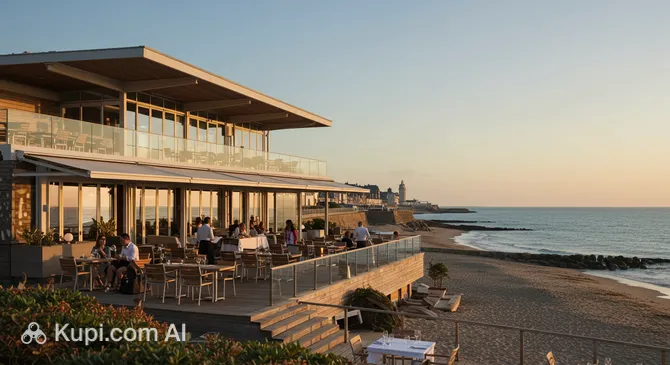
L'Horizon Restaurant. Illustration.
Source: Kupi.com AI

Traveler photos:

As for drinks, wine in this region often gives way to cider. Normandy is famous for its apple orchards, and local sparkling cider is considered one of the best in France. It pairs perfectly with both main courses and desserts, such as the famous "Tarte Tatin"—an upside-down apple tart with caramel. It is customary to end the meal with a cheese plate, where Camembert and the pungent but delicious Pont-l'Évêque take pride of place.

Dining culture in Le Havre is diverse: from cozy street stalls with galettes (buckwheat crepes with fillings) to prestigious establishments. Fans of haute cuisine and beautiful views should look into L'Horizon Restaurant, where gastronomic delights are complemented by a panorama of the coast. For those who want to immerse themselves in an authentic atmosphere and see all the gastronomic wealth of the region in one place, we recommend visiting Les Halles Centrales. This indoor market is the ideal place to buy fresh pâtés, cheeses, and pastries for a picnic.

Travel Tips

Welcome to Le Havre! To make your trip to this unique Norman port city as comfortable and carefree as possible, we have prepared a list of practical recommendations. These tips will help you easily navigate the area and feel confident in any situation.

  1. Clothing and Climate: The weather in Normandy is changeable and strongly influenced by the Atlantic. Even if you are traveling in summer, be sure to bring a windbreaker and a scarf, as the sea breeze can be cool. Comfortable waterproof shoes are your best choice for walks along the embankments and the city center. An umbrella or raincoat should be kept handy in any season.
  2. Transport: The center of Le Havre, restored by Auguste Perret, is compact enough for walking. For longer distances, use the convenient LiA public transport network, which includes modern trams and buses. Tickets can be bought at machines at stops. A feature of the city is the funicular connecting the lower and upper parts of Le Havre; it is not only transport but also a quick way to see a panorama of the city.
  3. Finances: The official currency is the Euro (€). Bank cards are accepted almost everywhere: in museums, restaurants, and supermarkets. However, for purchases at markets or in small bakeries, it is better to have some small cash denominations. Tips in France are often included in the bill, but leaving €1–2 or rounding up the amount is a sign of good manners.
  4. Health and Safety: Le Havre is a peaceful city, but standard precautions apply: keep an eye on your belongings in crowded places and at the station. Pharmacies are easily recognized by the glowing green cross. The tap water here is of excellent quality and safe to drink, so you can safely refill your reusable bottle.
  5. Communication and Language: The main language is French. In tourist offices and large museums, staff speak English, but learning a couple of phrases like "Bonjour" (Hello) and "Merci" (Thank you) will help you win the favor of the locals. Free Wi-Fi is available in many cafes and public areas ("LeHavre_WiFi_Public").
  6. Local Etiquette: Politeness plays a key role here. Always greet sellers when entering a shop and bus drivers when boarding. In restaurants, it is customary to wait for a waiter to seat you at a table rather than sitting down yourself.
  7. What to Avoid: Do not try to rush waiters during lunch or dinner. For the French, a meal is a ritual that does not tolerate haste. Also, at local markets, you should not touch the products with your hands without the seller's permission—better to ask them to choose the freshest fruit or cheese for you.
  8. Good to Know: Remember that on Sundays, most shops, including grocery supermarkets, are closed or only open until lunch. Plan your shopping in advance so as not to be left without essentials on a day off.

We hope these tips help you avoid minor inconveniences and focus on the main thing—enjoying the unique architecture and maritime atmosphere of Le Havre. We wish you vivid impressions and a pleasant stay!

Entertainment & Nightlife

Contrary to stereotypes about gritty port cities, the nightlife in Le Havre is diverse and features a cozy, friendly atmosphere. There is no aggressive glitz of a metropolis, but rather many atmospheric places where you can have a great time after sunset. The Saint-François historical quarter is a magnet for fans of evening walks and gastronomic pleasures. Its narrow streets are packed with restaurants, Breton crêperies, and pubs where locals and tourists alike gather in the evenings.

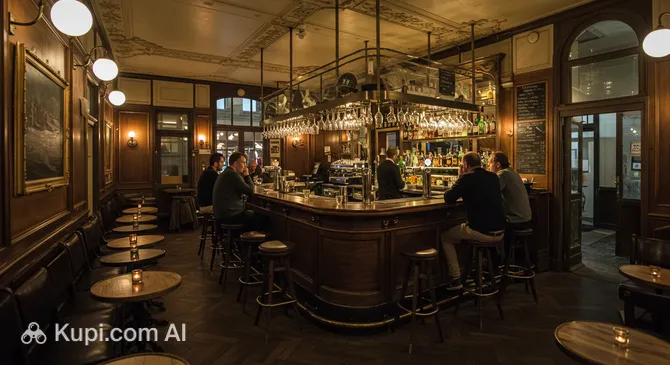
For those looking for more active entertainment and unusual leisure formats, Paradox Bar & Leisure Center is an excellent choice. This venue combines a classic bar with interactive entertainment such as escape rooms and virtual reality. Large groups come here not just for a cocktail, but for a dose of adrenaline. The crowd here is predominantly young and casual, and the dress code is relaxed.

Paradox Bar & Leisure Center. Illustration.
Source: Kupi.com AI

Traveler photos:

Another important spot on the evening leisure map is the Vauban Docks district. This revitalized port quarter has turned into a modern space for relaxation. It is especially beautiful in the evening: lights reflect in the water of the basins, and cinemas and numerous cafes are open. It is the perfect place to start the evening—you can have dinner, browse shops that stay open late, or simply stroll along the illuminated embankments.

Cultural enthusiasts should keep an eye on the schedule of the Le Volcan national theater. This architectural masterpiece comes to life in the evening, hosting concerts, theatrical productions, and high-level dance shows. Visiting "The Volcano" requires a slightly more elegant style of dress, although a strict evening dress code is usually not mandatory.

Practical Tips and Safety:

Nightlife in Le Havre usually winds down by 1:00 AM–2:00 AM on weekdays, but on Friday and Saturday, bars and clubs stay open until 4:00 AM–5:00 AM. The average cost of a glass of beer in a pub is €5–7, and a cocktail starts from €9. The city is considered safe for night walks, especially in the center and the beach area. However, as in any port city, it is worth avoiding unlit and deserted alleys in the cargo port area. Public transport runs infrequently at night, so it is better to use a taxi or ride-sharing apps to return to your hotel.

If you are planning entertainment during the day, Le Havre will not disappoint. Families with children should definitely visit Gulli Parc—a huge indoor entertainment center with attractions and play zones. For young people and extreme sports fans, the famous Le Havre Skatepark is located right on the waterfront—it is the largest free outdoor skatepark in France, where you can not only ride but also just watch the tricks of local riders.

Parks & Museums

Despite its austere industrial appearance and fame as a major port, Le Havre surprises guests with its number of green zones and wealth of museum collections. The city harmoniously combines urban landscapes with peaceful gardens and world-class exhibition spaces, offering a rich cultural program for travelers.

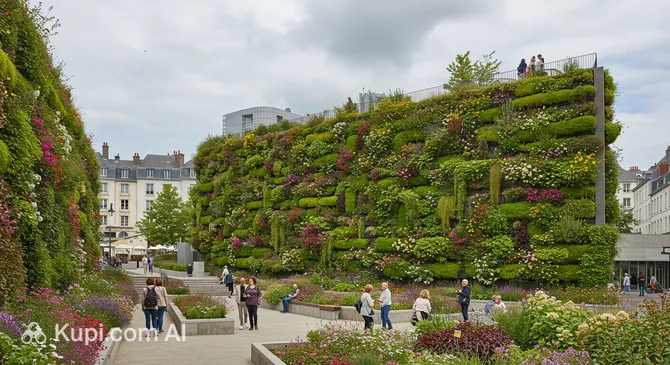
A true landscape gem of the region is the Hanging Gardens of Le Havre. They are located on the territory of the old Fort de Sainte-Adresse, overlooking the city. This botanical garden is divided into thematic zones representing the flora of different continents, symbolizing the port's openness to the world. Tourists come here not only for rare plants but also for the breathtaking panoramic views of the Seine estuary and the English Channel.

Hanging Gardens of Le Havre. Illustration.
Source: Kupi.com AI

Traveler photos:

In the heart of the city, creating a soft contrast with the concrete architecture of Auguste Perret, is Square Saint-Roch. This English-style park is the perfect place to relax after long walks. Here you can admire flower beds, a pond, and centuries-old trees. Locals value this square for its romantic atmosphere and the silence that reigns in the midst of the city's hustle and bustle.

The main cultural magnet for art lovers is the André Malraux Museum of Modern Art (MuMa). It is known for its impressive collection of Impressionists—the second largest in France after the Musée d'Orsay in Paris. The museum building, made of glass and steel, stands right at the entrance to the harbor, allowing natural light to flood the exhibition halls and highlight the beauty of the works by Monet, Boudin, and Dufy.

Fans of science and history will find it interesting to visit the Museum of Natural History of Le Havre. It is housed in a beautiful 18th-century building that miraculously survived past mid-century events. The exhibition includes rich collections on paleontology, zoology, and mineralogy, and interactive displays make it a great place for educational leisure with children.

Speaking of historical landmarks, one cannot fail to mention the La Hève Lighthouse. Although the modern tower was built in the post-war era, this place has deep historical significance for navigation in the region. The lighthouse is located on a high cliff, and a walk to it will give you a "edge of the world" feeling and fresh sea air.

As a tip for those looking for unusual photo locations and modern outdoor art: be sure to find the Catène de Containers installation. Two monumental arches made of colorful shipping containers have become the unofficial symbol of Le Havre's port power and look especially impressive at sunset.

Getting Around

Le Havre's transport system, known under the LiA brand, is modern, punctual, and convenient for city guests. Given the compactness of the historic center and the features of the terrain, moving around here is easy. The core of the network consists of tram lines and bus routes that connect the railway station, the beach, main attractions, and residential quarters.

The main mode of transport for tourists is the tram. Two lines (A and B) run through the city, providing quick access to key locations, including the coast and the upper part of the city. Trams run frequently, with intervals of just a few minutes during peak hours. The bus network complements the trams, covering areas where tracks are not laid, and operates until late evening.

A unique feature of Le Havre's transport system is the funicular, which locals affectionately call "Funi." This historic mode of transport, launched at the end of the 19th century and modernized today, connects the Lower Town (center and port) with the Upper Town (residential areas on the hill). The trip takes only a couple of minutes but avoids the tiring climb up the stairs and offers an interesting view of the industrial architecture. The funicular is fully integrated into the general system: the same tickets as for the bus or tram are valid here.

The payment system is unified. You can purchase a single ticket valid for one hour (transfers allowed) or a 24-hour pass, which is especially beneficial for active tourists. Tickets are sold in machines at tram stops, at LiA offices, and by bus drivers (though note that when buying from a driver, the price may be slightly higher). Buying tickets via the LiA mobile app or SMS (for local mobile subscribers) is also available.

Important tip: Always validate your ticket every time you enter a vehicle, even if you are transferring. Validators are located inside buses and trams, as well as at funicular stations. Fines for fare evasion or unvalidated tickets are quite high.

As an alternative to public transport, bicycle rental is popular in Le Havre. The LiA Vélos service offers rentals of regular and electric bikes, which are perfect for rides along the promenade or the wide avenues of the center designed by Auguste Perret. For short trips, you can use taxis, with stands located at the station and in the center, or international ride-hailing apps. However, given the clever layout of the city, many attractions are easy to explore on foot.

Accommodation

Le Havre offers travelers a wide range of accommodation options that will satisfy both budget tourists and those seeking increased comfort. The city's hotel base mainly consists of modern hotels, which is not surprising given the architectural history of the region. Here you will find many reliable mid-range chain hotels (3–4 stars), cozy private apartments ideal for families, and inexpensive hostels for young people. There are fewer luxury five-star resorts here than in neighboring Deauville, but the level of service in existing establishments remains high.

When choosing an area to stay, you should focus on the purpose of your trip. Most tourists prefer to stay in the city center, which is on the UNESCO list. This is a strategically convenient location: main shops, restaurants, and transport hubs are nearby. Staying here allows you to walk to iconic places like the Les Halles Centrales indoor market, where you can buy fresh produce if you have chosen to stay in an apartment.

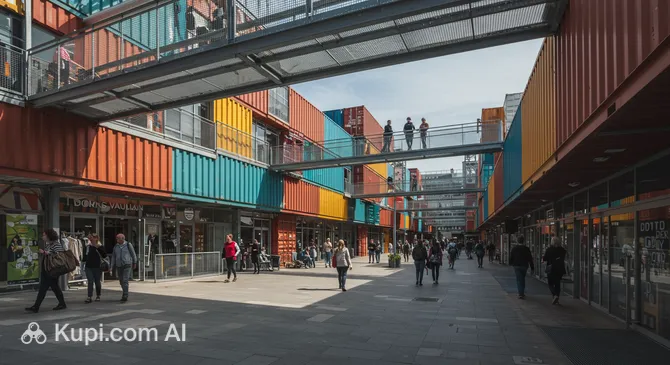
Docks Vauban. Illustration.
Source: Kupi.com AI

Traveler photos:

Another popular location is the waterfront area. Hotels here offer rooms with sea views and quick access to the promenade. This is an excellent choice for a summer vacation, as Le Havre Beach will be literally on your doorstep. It is also worth paying attention to the area around the Vauban Docks. After reconstruction, this area has become a trendy hub: it is quiet at night but very close to shopping centers, cinemas, and cafes, making it a convenient base for a few days.

Booking Tip: Le Havre is a popular destination, especially in the summer and during major maritime festivals. We strongly recommend booking accommodation in advance (2–3 months) if your trip falls in July or August to guarantee yourself the best view and a reasonable price.

The price range in Le Havre can be described as "moderate," especially compared to the expensive resorts of Normandy. Budget rooms can be found for €50–60, while comfortable hotels in the center will cost from €90 to €150 per night. Booking is most convenient through major international online platforms, where the most complete list of available properties with reviews from real guests is presented.

Nearby Cities

For those who want to explore the surroundings, Le Havre serves as an excellent starting point for day trips to several interesting nearby places. Normandy is rich in history and picturesque landscapes, and just an hour's drive from the city, you can find locations that are radically different from the industrial charm of Le Havre itself.

One of the most popular destinations is Caen. This is a city with a thousand-year history, inextricably linked with the name of William the Conqueror. Here you can visit the majestic castle, the Men's and Women's Abbeys, and the famous Caen Memorial, dedicated to 20th-century history and the struggle for peace. A trip here will be a real gift for lovers of architecture and a deep dive into the region's past.

If you are more attracted to seascapes and gastronomic discoveries, you should head to Fécamp. This coastal city is famous for its high chalk cliffs and port atmosphere. The main gem of Fécamp is the Palais Bénédictine—an architectural masterpiece where the famous herbal liqueur is still produced. Also of interest is Lisieux, the spiritual center of Normandy, known for its magnificent Basilica of St. Therese, which impresses with its scale and the beauty of its mosaics.

CityPopulationDistance
Octeville-sur-Mer16 9487 km
Montivilliers15 5648 km
Gonfreville l'Orcher9 16210 km
Deauville3 70016 km
Bolbec11 61029 km

These nearby destinations provide an insight into the region's diverse culture and landscapes, making your journey through Normandy even more rewarding.

Shopping & Souvenirs

Shopping in Le Havre is a pleasant and relaxed activity that perfectly complements an exploration of the city's architecture. Unlike bustling Paris, purchases here are made at a calmer pace, and commercial spaces are harmoniously integrated into the urban environment. The city does not claim to be the capital of haute couture, but it offers an excellent choice of both well-known international brands and authentic Norman goods that will serve as a wonderful reminder of the trip.

The heart of commercial life is the restored city center. Main shops for clothing, accessories, and cosmetics are concentrated along Avenue René Coty and the pedestrian streets adjacent to it. Strolling here, you can find boutiques of French mid-range brands, jewelry salons, and cozy bookstores. Auguste Perret's architectural ensemble creates a unique backdrop for shop windows, making a regular shopping trip an aesthetic pleasure.

Fans of large shopping areas should head to the Vauban Docks. This is not just a shopping center, but an example of brilliant revitalization of industrial heritage: shops, restaurants, and a cinema are located in former 19th-century port warehouses. Here, under wooden vaults and among brick walls, you can find sportswear, fashion, and home decor. Also in the city center is Espace Coty—a classic indoor mall with a large supermarket and dozens of popular chain stores.

For those who want to feel the taste of real France, a visit to the markets is a must. The gastronomic dominant of the city is the Les Halles Centrales indoor market. People come here for the freshest Norman cheeses (Camembert, Livarot, Pont-l'Évêque), farm butter, and, of course, seafood. The atmosphere here is lively and friendly, and sellers often offer samples before you buy.

As souvenirs from Le Havre, regional gastronomic specialties are traditionally brought home. A bottle of high-quality cider, Calvados, or a jar of salted caramel will make an excellent gift. For lovers of literature and beautiful things, it is worth looking into La Galerne—a famous bookstore with a special atmosphere where you can purchase not only books but also stylish stationery or postcards. Breton-striped shirts (marinières) and items with maritime symbols are also popular.

Shops in Le Havre usually operate from Monday to Saturday, opening around 10:00 AM and closing at 7:00 PM or 7:30 PM. It is important to remember that Sunday in France is traditionally a day off for most retail outlets, except for some bakeries and souvenir shops in tourist areas. Bank cards (Visa, Mastercard) are accepted almost everywhere, but at markets or when buying small souvenirs, it is better to have some cash in Euros.

Tourists residing permanently outside the European Union can take advantage of the Tax Free (VAT refund) system. To do this, you must make a purchase of more than €100.01 in one shop within one day. Be sure to ask the seller to issue a tax refund form (bordereau de détaxe) and present your passport. The documents will need to be stamped at customs upon leaving the EU.

Reached the end of the page?

That means the route is fully explored