Megève's transport system is perfectly adapted to its status as a compact and cozy ski resort. You won't find bulky metros or trams here; the town is too small for such infrastructure. The main burden of transporting tourists is handled by shuttle buses and a network of cable cars that connect residential areas with the mountain slopes. The historic center is predominantly pedestrian, which makes leisurely walks the most pleasant and natural way to get around.
The main form of public transport is the Meg-Bus network. These shuttles run along several color-coded lines, connecting the village center with key lift stations: Rochebrune, Mont d'Arbois, Jaillet, and Côte 2000. In the winter season, buses run regularly at 15–20 minute intervals, providing comfortable transfers for skiers. In summer, the schedule changes and the number of trips is reduced, so it is important to check the current schedule at stops or at the tourist office before your trip.
A pleasant feature for travelers is the payment system. Rides on the Meg-Bus shuttles are generally free for holders of a valid ski-pass or a guest card, which is issued at some hotels. This is done to reduce car traffic on the streets. If you don't have a pass, check the travel conditions with the driver, but most often the system works on a free-access principle for skiers in gear.
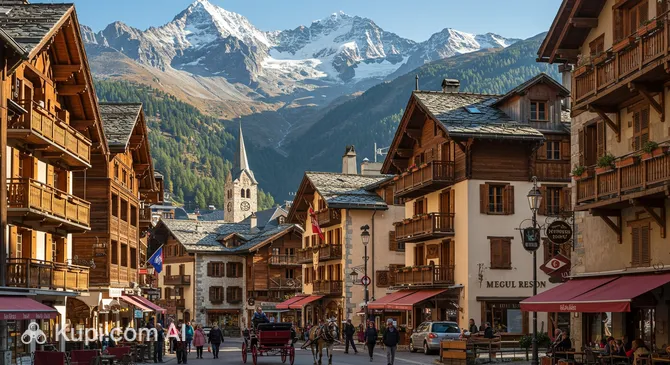
A unique "trademark" of Megève that is impossible to ignore is the horse-drawn carriages (calèches). These are not just a tourist attraction, but a full-fledged type of taxi permitted to move through the pedestrian center, which is closed to regular cars. The famous carriage stand is located on the central square near the church. Fares for trips are fixed and depend on the destination zone; it is an ideal option for a romantic transfer to a restaurant or hotel with a special Alpine flair.
Cable cars and gondolas are also considered an integral part of the transport network here. They are actively used not only by athletes but also by pedestrians wishing to reach high-altitude restaurants or observation decks. For those going up without skis, there are special "piéton" (pedestrian) tickets, which are cheaper than a sports pass. You can purchase them at ticket offices at the base of the lifts or via special terminals; validation is contactless through turnstiles.
Among the alternatives, taxis should be mentioned, though there are few cars in the town and prices are quite high. It is practically impossible to hail a car on the street — it must be ordered in advance by phone or through the hotel reception. Car sharing is not developed here, and renting a car can become a burden due to the lack of parking and paid parking lots in the center. However, in summer, electric bike rentals are gaining popularity, helping you easily navigate the mountain terrain.
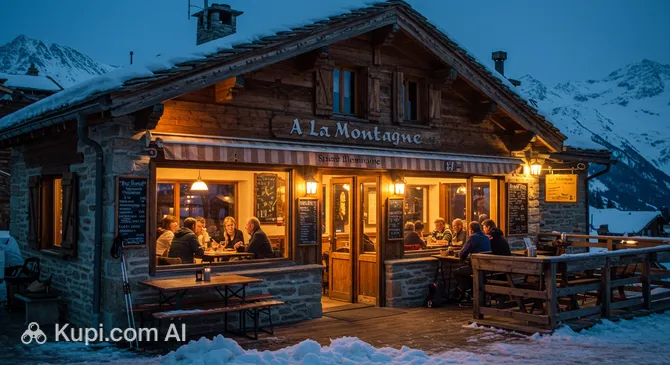
Tourists should keep an eye on an important detail: the transport schedule is highly dependent on the season. In the off-season (late autumn and spring), bus activity quietens down. During peak winter hours — in the morning before the slopes open and in the evening after they close — shuttles can be overcrowded. Also, note that there is practically no night public transport, so if you plan a late dinner at a remote chalet, think about your return method in advance.