Support

Chamonix

About

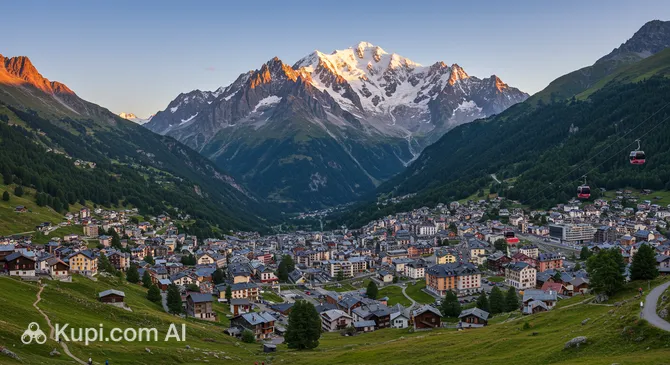
Chamonix, or more formally Chamonix-Mont-Blanc, is a legendary town nestled in the heart of the French Alps at the foot of the majestic Mont Blanc, the highest peak in Western Europe. It is not just a resort, but a true alpine capital and a world-renowned center for mountaineering and winter sports, attracting travelers with its unique atmosphere and breathtaking scenery. The town is located in the Auvergne-Rhône-Alpes region of France.

Due to its high-altitude location, Chamonix features an alpine climate: snowy, long winters are ideal for skiers and snowboarders, while cool, sunny summers are perfect for hikers, climbers, and mountain bikers. The town's population is just over 8,600 people, but during peak season, it increases many times over thanks to tourists from all over the world.

Chamonix. Illustration.
Source: Kupi.com AI

The main attraction, of course, is Mont Blanc itself. You can get closer to its peaks via the famous Aiguille du Midi cable car, which offers breathtaking panoramic views, while the brave can test themselves on the "Step into the Void" attraction — a glass skywalk over a precipice. Equally impressive is the Mer de Glace ("Sea of Ice") glacier, which can be reached via the historic Montenvers cogwheel train.

Chamonix is a place where everyone will find something to enjoy, whether it's extreme adventures on the slopes and peaks, peaceful walks through picturesque valleys, or discovering Alpine culture. Come and experience the magic of the high mountains and the hospitality of this amazing corner of the world!

You can find more interesting facts on the history of Chamonix page.

Weather Overview

The weather in Chamonix is characterized by an alpine climate with distinct seasons. Winters here are cold and snowy, ideal for skiing. The average temperature in January is around -6.7°C, while in December and February it stays at -6.1°C and -3.7°C respectively. Summer in Chamonix is relatively cool but sunny, with temperatures comfortable for active mountain recreation. In July, the warmest month, the average temperature reaches 13.4°C, and in August it is 13.1°C. Spring and autumn are transitional periods with gradual temperature changes and a fair amount of precipitation.

Overall, in Chamonix, you can expect a cool summer with moderate rainfall and cold, snowy winters. The highest number of rainy days occurs in May (around 22 days), while the amount of precipitation in millimeters is relatively stable throughout the year, varying from 4 mm to 8 mm per month. To learn more about the weather conditions, you can view detailed information about the climate of Chamonix.

Average monthly temperature

Average monthly precipitation

Interesting Facts

Beyond its world-famous ski runs and mountaineering routes, Chamonix hides many surprising stories and little-known details. Ready to look at this Alpine town from a different angle?

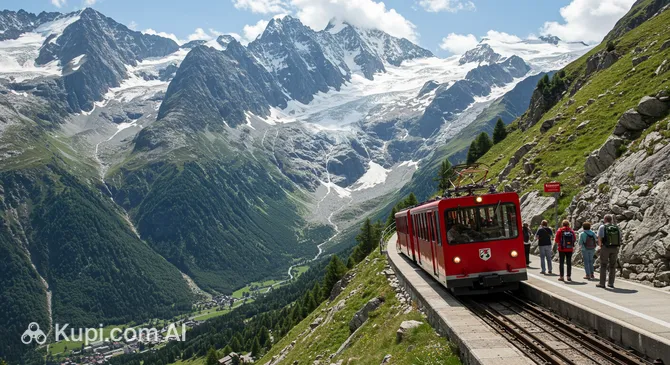
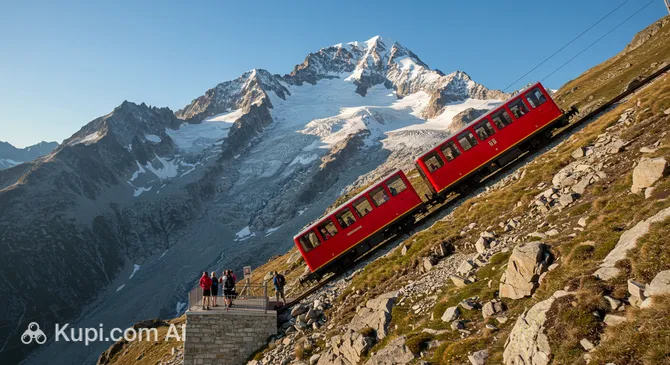
Montenvers Railway. Illustration.
Source: Kupi.com AI

Traveler photos:

  • The First Winter Games with a twist: In 1924, Chamonix hosted the first ever Winter Olympic Games. A curious fact: medals for Alpinism were awarded to members of the 1922 British Everest Expedition, even though the ascent itself was not part of the official Olympic program of those Games!

  • Scientific interest at the roots of fame: The famous monument in the center of Chamonix does not just depict two conquerors of peaks. One of the bronze figures is the scientist Horace-Bénédict de Saussure. It was he, driven by a passion for scientific research, who offered a significant reward for the first ascent of Mont Blanc, thereby stimulating the conquest of the highest point in the Alps.

  • A train witnessing climate change: The legendary Montenvers railway, which has been taking tourists to the famous Mer de Glace glacier since 1909, has become an involuntary chronicler of its retreat. Comparing old photographs with the views seen today clearly demonstrates the impact of climate change.

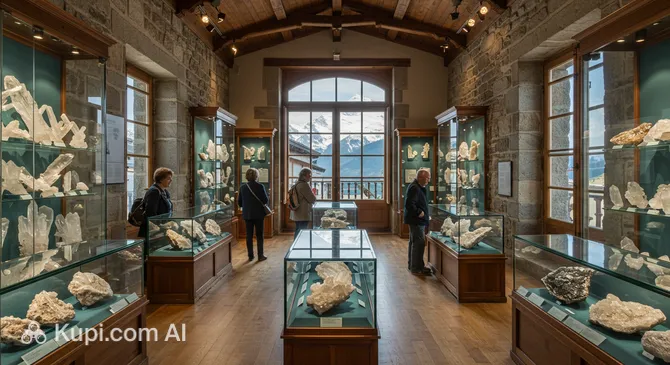
  • The Alpine Crystal Treasury: The Chamonix Valley is not just about mountains and snow; it is a true geological Klondike. Rare specimens of smoky quartz and unique pink fluorite, sometimes of impressive size, are still found here. The region's best finds can be seen at the Crystal Museum — Espace Tairraz.

How to Get There

Chamonix, tucked away in the heart of the Alps, is a popular destination, but the town does not have its own airport. However, getting here is quite easy thanks to the well-developed transport network of neighboring regions. You can find all ways to get to the city on a separate page, and below we look at the main options for arriving through the nearest transport hubs.

The most convenient and popular option for international tourists is Geneva Airport (IATA: GVA). It is located in the city of Geneva (Switzerland), approximately 68 km from Chamonix. This is a major international hub with excellent transport links. The journey from the airport to the resort by transfer or rental car usually takes about 1 hour and 15 minutes, and buses run regularly throughout the year.

Another significant option is Lyon–Saint-Exupéry Airport (IATA: LYS), located in the French city of Lyon. The distance to Chamonix is about 140 km. This is a large airport that handles many flights. A trip by car or bus from here will take approximately 2 hours and 15 minutes. You can also consider flying into Turin Airport (IATA: TRN) in Italy (about 100 km away), from where the route goes through the Mont Blanc Tunnel and takes about 1.5 hours.

For clarity, here is a summary of the main airports:

AirportPassenger trafficDistance
Sion35 92948 km
Geneva Airport17.8 mln68 km
Chambéry Airport169 00083 km
Turin Airport4.5 mln101 km
Bern Airport57 000120 km

Traveling by train is also a scenic way to reach the region, although there are no direct high-speed trains to the resort itself. A key railway hub for transfers is the Geneva-Cornavin station, located in the city of Geneva, about 64 km from Chamonix. From here, you can continue the journey by bus or take the Mont Blanc Express regional train (with a transfer), enjoying the alpine views. Travel time by road from the station is just over an hour.

If you are traveling from Italy, a convenient point of arrival can be Porta Nuova Station in the city of Turin (about 115 km from Chamonix). This is one of the largest railway stations in Italy. From here, the resort can be reached by bus or transfer through the Mont Blanc Tunnel, which takes about 1 hour and 40 minutes depending on traffic.

Below is information about the nearest major railway stations:

StationPassenger trafficDistance
Sion Railway Station4.5 mln51 km
Geneva Railway Station42.1 mln65 km
Porta Susa Railway Station10 mln113 km
Porta Nuova Railway Station70 mln115 km
Oerlikon Railway Station34.4 mln121 km

Main Attractions

Chamonix offers an incredible variety of attractions capable of impressing any traveler. From breathtaking high-altitude panoramas to charming nature parks, there is something for everyone here. Here are just a few key places worth visiting:

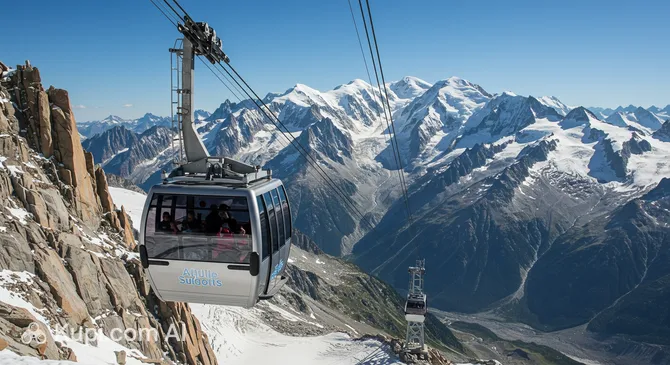
One of the most famous and must-visit attractions is the Aiguille du Midi cable car. This impressive lift takes you to an altitude of 3,842 meters, to a rocky peak offering stunning views of Mont Blanc, the surrounding Alpine peaks, and glaciers stretching across France, Switzerland, and Italy. At the top, the brave can try the "Step into the Void" attraction — a glass box suspended over a thousand-meter precipice, offering unforgettable sensations and unique photo opportunities.

Aiguille du Midi Cable Car. Illustration.
Source: Kupi.com AI

Traveler photos:

An equally iconic experience is a trip on the historic Montenvers cog railway to the famous Mer de Glace ("Sea of Ice") glacier. The journey itself on the charming red train through alpine forests is an adventure in its own right. Upon arrival, you are greeted by a majestic view of the largest glacier in France. Here, you can visit the Ice Cave, which is carved anew into the glacier every year, and explore the crystal collection at the local museum.

Montenvers Railway and Mer de Glace. Illustration.
Source: Kupi.com AI

Traveler photos:

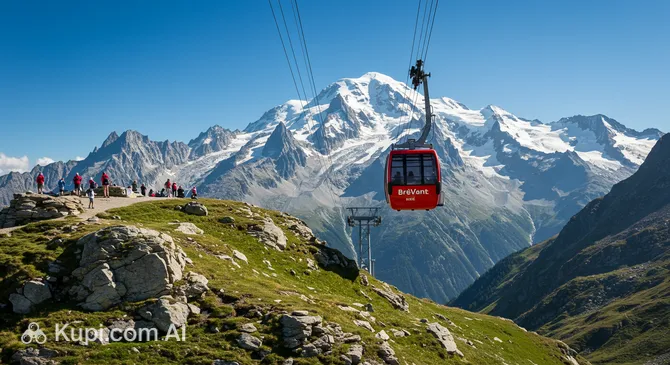
To enjoy the best views directly of the Mont Blanc massif from the opposite side of the valley, take the Brévent cable car. Upon reaching the summit of Le Brévent (2,525 m), you will find yourself on sunny terraces with unsurpassed panoramic views of the "Roof of Europe." In summer, it is a popular spot for hiking along numerous trails, while in winter, the slopes of Brévent attract skiers and snowboarders.

Brévent Cable Car. Illustration.
Source: Kupi.com AI

Traveler photos:

For a more relaxed experience and an introduction to Alpine wildlife, the Parc de Merlet is ideal. This picturesque animal park, located at an altitude of about 1,500 meters, is home to many representatives of the local fauna. Here, against the backdrop of majestic Mont Blanc, you can see chamois, alpine ibex, deer, marmots, and even llamas roaming freely across the vast territory. It is a wonderful place for a family visit and leisurely walks.

Parc de Merlet. Illustration.
Source: Kupi.com AI

Traveler photos:

Local Cuisine

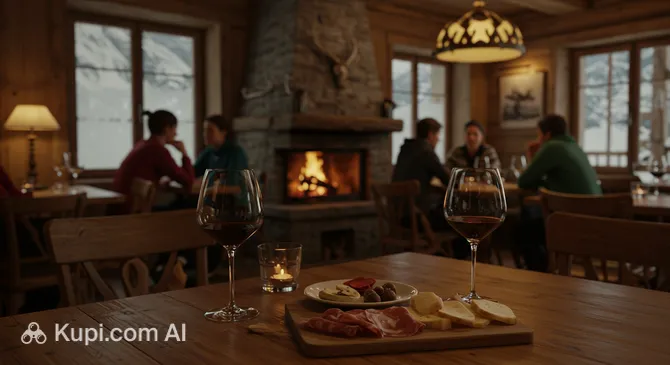
The cuisine of Chamonix is a true reflection of the Alpine spirit of France and the Savoy region: hearty, warming, and incredibly delicious. After an active day on the slopes or mountain trails, there is nothing better than enjoying traditional dishes prepared from fresh local ingredients. The city's gastronomic scene offers both cozy restaurants with an authentic atmosphere and establishments with a more modern take on culinary arts.

Be sure to try the famous Savoyard specialties. Tartiflette is a gratin made of potatoes, bacon, onions, and Reblochon cheese that simply melts in your mouth. Equally popular is Fondue Savoyarde, where pieces of bread are dipped into melted cheese (usually a blend of several varieties such as Beaufort, Comté, and Emmental) with white wine and garlic. Another iconic dish is Raclette, where melted cheese of the same name is scraped onto boiled potatoes, served with pickles, onions, and cured meats. Meat lovers should look out for Diots — local pork sausages often stewed with onions and white wine.

As for drinks, local Savoy wines such as white Apremont or Roussette pair perfectly with hearty Alpine dishes. Among spirits, Génépi is popular — a fragrant herbal liqueur often drunk as a digestif. For non-alcoholic options, you can always find freshly squeezed juices, herbal teas, or simply enjoy a cup of hot chocolate after a frosty day.

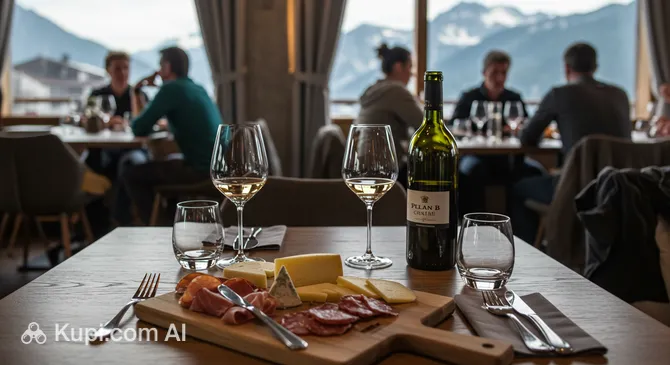
Plan B Hotel. Illustration.
Source: Kupi.com AI

Traveler photos:

The dining culture in Chamonix is centered around restaurants and cafes, many of which are decorated in a traditional chalet style, creating a warm and welcoming atmosphere. Locals and tourists alike love to gather here for a leisurely dinner with friends or family. In the town, you can find places for every taste and budget, from simple bistros to gastronomic restaurants. For example, to try both traditional and modern dishes, you can visit Hotel Plan B, which offers a diverse menu in a pleasant setting. Overall, a gastronomic journey through Chamonix is an integral part of experiencing this amazing mountain resort, where every dish tells a story of the region and offers the warmth of Alpine hospitality.

Travel Tips

Welcome to Chamonix! This amazing Alpine town at the foot of Mont Blanc is ready to give you an unforgettable experience. To make your trip as comfortable and safe as possible, we have prepared some practical tips.

  1. Clothing and Mountain Gear:

    Chamonix is in the Alps, so layering your clothing is your best friend at any time of year. In winter, warm, windproof, and waterproof clothing, thermal underwear, a hat, gloves, and a scarf are essential. In summer, it can be warm during the day, but evenings and high-altitude areas require a fleece or a light jacket. Be sure to take sunscreen, sunglasses, and a hat even in winter — the sun in the mountains is very strong. Comfortable shoes are the key to pleasant walks. Sneakers or boots are fine for the town, but trekking boots are needed for mountain hikes. Don't forget a universal adapter (Type E in France) and perhaps a portable power bank for your phone, as batteries drain faster in the cold.

  2. Getting Around Chamonix and the Valley:

    The center of Chamonix is quite compact and easy to get around on foot. For travel within the valley, use the free Chamonix Bus service — for this, you will need the Carte d’Hôte guest card (usually issued at your hotel). The Mont Blanc Express train also runs between the villages. Taxis are available in Chamonix, but they are a relatively expensive way to get around. Renting a car can be useful if you plan to explore the areas outside the Chamonix Valley, but be aware that parking in the town itself can be difficult and expensive.

  3. Financial Matters:

    The official currency in France is the Euro (EUR). You can exchange money at banks or exchange offices, but it is more economical to withdraw cash from ATMs (distributeurs automatiques de billets). Bank cards (Visa, Mastercard) are accepted almost everywhere. American Express is less common. Be sure to notify your bank about your trip. Chamonix is not the most budget-friendly resort. An approximate daily budget (excluding accommodation and ski passes) is from 70-100 euros. Tipping in restaurants is not mandatory, as service (service compris) is usually included in the bill, but 5-10% for good service will be appreciated.

  4. Health and Safety in the Mountains:

    Pharmacies (Pharmacie) are easy to find by the green cross. Check which one is on duty (pharmacie de garde) for night or emergency cases. There is a hospital in Chamonix. It is critically important to have travel insurance that covers mountain sports. The single emergency number is 112. Chamonix is a safe town. The main risks are associated with the mountains: sudden weather changes, avalanches (in winter), and falls. Always check the weather forecast, do not leave marked trails without a guide, and inform others of your plans if going on a long hike. Remember the possibility of altitude sickness when ascending quickly to high altitudes (e.g., Aiguille du Midi) — acclimatize gradually.

  5. Language and Communication:

    The official language is French. In tourist areas (hotels, restaurants, shops, lift ticket offices), many people speak English. Learn a few basic French phrases: "Bonjour" (Hello), "Merci" (Thank you), "S'il vous plaît" (Please), "Excusez-moi" (Excuse me). This is always appreciated by locals. SIM cards can be bought at mobile phone shops or supermarkets. Wi-Fi is available in most hotels and cafes, and there are municipal hotspots. Download the official Chamonix.com app for up-to-date information.

  6. Local Etiquette and Socializing:

    When entering a shop or small cafe, it is customary to say hello ("Bonjour") and goodbye ("Au revoir"). A handshake is a common greeting when meeting someone. The French value politeness. Follow queues and do not make noise in public places, especially in residential zones and in nature. Respect the mountains — do not leave trash.

  7. What to Avoid:

    Underestimating the mountains: Never go on a hike or onto the slopes without proper preparation, equipment, and information about weather conditions and route states. Safety comes first. Also, avoid loud criticism or unflattering comparisons of the resort with other places; locals are very proud of their region.

  8. Useful Life Hack: Guest Card (Carte d'Hôte):

    Make sure to get the Carte d'Hôte when checking into your hotel, apartment, or campsite. This card is issued for free and entitles you to free travel on the Chamonix Bus network throughout the valley, as well as on some sections of the Mont Blanc Express train. Additionally, it may provide discounts for visiting certain museums and other activities. It's a great way to save money and get around conveniently!

We hope these tips help you better prepare for your trip and fully enjoy everything Chamonix has to offer. We wish you a fantastic holiday in the heart of the Alps!

Entertainment & Nightlife

When the sun sets behind the majestic peaks of Mont Blanc, Chamonix is in no hurry to sleep. This famous Alpine resort offers a variety of opportunities for evening and night-time relaxation, from cozy bars with an après-ski atmosphere to more lively spots for dancing and socializing. The nightlife here might not be as boisterous as in major metropolises, but it possesses its own unique charm and is geared towards those who appreciate good company and quality rest after an active day in the mountains.

The main concentration of evening venues is in the center of Chamonix, particularly along the pedestrian Rue du Dr Paccard and its surrounding side streets. Here you will find numerous bars, pubs, and restaurants for every taste. The atmosphere in most places is quite relaxed and friendly. The crowd is a mix of locals, experienced mountaineers, and tourists from all over the world. The dress code is generally casual, as comfort after a day on the slopes or trails is paramount. Most bars are open until late evening, and some clubs operate until the early morning, especially during the height of the season.

Mumma. Illustration.
Source: Kupi.com AI

Traveler photos:

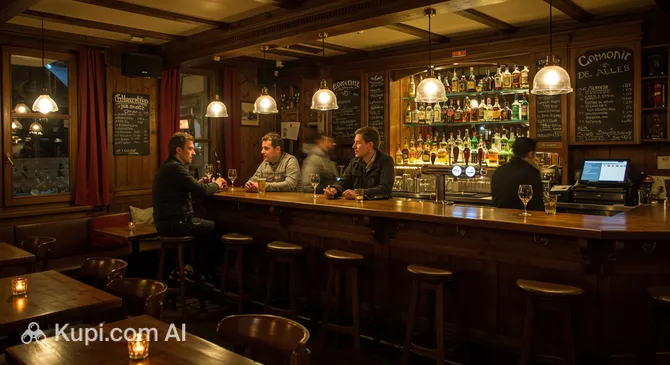
Among the popular places to spend a pleasant evening, the bar Mumma is worth noting. This stylish venue often attracts a younger crowd and cocktail enthusiasts, offering modern music and a lively atmosphere. Another worthy option is Le Comptoir des Alpes, known for its drink selection and cozy setting, perfect for leisurely conversations. If you are looking for a place for dinner that transitions into a pleasant evening, Hotel Plan B offers not only delicious cuisine but also an enjoyable atmosphere for relaxation.

Le Comptoir des Alpes. Illustration.
Source: Kupi.com AI

Traveler photos:

Practical Tips: The best time to visit bars is in the evening, starting around 18:00-19:00, when après-ski ends, through until midnight. Clubs usually liven up later, after 22:00-23:00. Average drink prices can vary: beer costs around 5-8 euros, and cocktails start from 10-15 euros. Getting around the center of Chamonix at night is easy on foot. If your accommodation is further away, you can use taxi services, which are available but best booked in advance, especially during peak season or late hours. Information about taxis can usually be obtained from hotel receptions or the tourist office.

Regarding safety, Chamonix is considered a very safe town. The central streets are well-lit and pleasant to walk through even in the evening. However, as in any tourist destination, you should take basic precautions: keep an eye on your belongings and avoid poorly lit or deserted areas late at night. Public transport runs less frequently or stops at night, so plan your route in advance or use a taxi.

While the main focus of this block is on nightlife, it's worth mentioning that during the day, Chamonix has plenty to offer besides mountain activities. For instance, you can visit the Crystal Museum — Espace Tairraz to see unique minerals found in the Alps. For family fun, the Les Planards amusement park or a walk through the scenic Parc de Merlet (though it requires a daytime visit) are excellent choices. These and other daytime activities will perfectly complement your Alpine adventures before you dive into the evening atmosphere of Chamonix.

Parks & Museums

Chamonix, a world-famous center for mountaineering and winter sports, offers its guests not only breathtaking mountain landscapes but also charming green corners for relaxation and interesting museums that reveal the rich history and culture of this unique Alpine region. Here, you can harmoniously combine active recreation with immersion into the world of nature and knowledge.

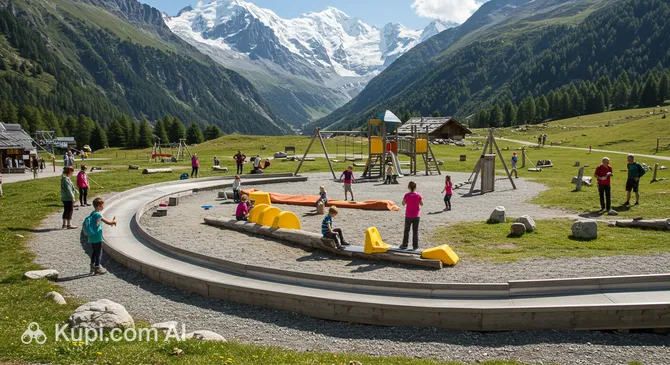
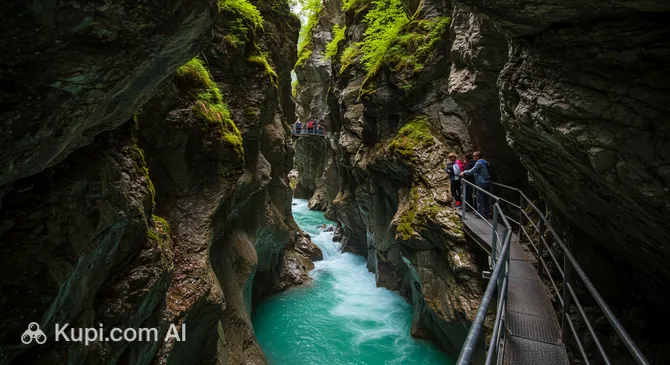
Among the natural areas where you can enjoy the tranquility and beauty of Alpine flora and fauna, Parc de Merlet stands out. Although already mentioned, it is worth emphasizing again that this is a wonderful place for family walks, where you can see Alpine animals up close in their natural habitat against the backdrop of Mont Blanc. For lovers of wild nature and impressive landscapes, the Gorges de la Diosaz will be a real discovery. This natural canyon with hanging bridges over a rushing stream offers a fascinating walk among rocks and waterfalls, providing cool relief on a hot summer day. It is an ideal spot for those seeking connection with nature and spectacular views. If you are traveling with children or just want some outdoor fun, check out the Les Planards leisure park. In summer, there is a popular luge track (luge d'été), as well as playgrounds and picnic areas, making it a great place for family leisure.

Les Planards. Illustration.
Source: Kupi.com AI

Traveler photos:

Diosaz Gorges. Illustration.
Source: Kupi.com AI

Traveler photos:

The cultural life of Chamonix is equally rich. One of the most famous sites is the Crystal Museum — Espace Tairraz. It presents an impressive collection of minerals found in the Mont Blanc massif and other mountain regions of the world. Pink fluorite, smoky quartz, and other Alpine treasures tell the story of the geological wealth of these mountains. This place will be interesting for both adults and children fascinated by natural sciences.

Crystal Museum – Espace Tairraz. Illustration.
Source: Kupi.com AI

Traveler photos:

To gain a deeper understanding of the history of peak conquests and the development of mountaineering, be sure to visit the Chamonix Alpine Museum (Musée Alpin de Chamonix). Its exhibition covers the period from the first explorers to modern-day climbers, presenting antique equipment, maps, photographs, and works of art dedicated to the mountains. This is a unique opportunity to touch the heroic past of the region. Another place worth noting is the House of Memory and Heritage (Maison de la Mémoire et du Patrimoine), where you can learn more about the daily life, traditions, and history of the residents of the Chamonix Valley through the centuries.

Although Chamonix is primarily famous for its natural attractions, interesting architectural objects can be found in the town itself and its surroundings. These include old chalets, churches such as Saint-Michel Church in the center of Chamonix, and, of course, the famous monument to Horace-Bénédict de Saussure and Jacques Balmat, pointing towards Mont Blanc. A walk through the town center is an introduction to its architectural heritage in itself.

For an authentic experience, stroll along the less busy streets branching off from the central Rue du Dr Paccard, where you can discover charming old houses and feel a calmer rhythm of life. It is also worth paying attention to the small chapels scattered across the valley, such as the Chapelle des Praz, which offers beautiful views. Before visiting museums and parks, always check the current opening hours, especially during the off-season, as they may change.

Getting Around

Getting around Chamonix and its picturesque valley is surprisingly easy thanks to a well-organized public transport system geared toward the needs of both locals and numerous tourists. The backbone of the transport network consists of buses and trains, complemented by the famous cable cars leading to the mountain peaks.

The main form of public transport in the Chamonix Valley is the Chamonix Bus network. These buses run along several routes, connecting the center of Chamonix with various districts, neighboring villages (such as Les Houches, Argentière, Le Tour), and the main lift stations. A great advantage for tourists is the Carte d’Hôte (Guest Card), which is usually provided free of charge at hotels and apartments. This card entitles you to free travel on most bus routes in the valley. If you do not have such a card, single tickets can be purchased directly from the driver, but this is less economical. Buses run quite frequently, especially in high season, but it is always recommended to check the current schedule, particularly for evening services.

Another important element of the transport system is the Mont Blanc Express train. This scenic railway line runs through the entire Chamonix Valley, connecting Saint-Gervais-les-Bains-Le Fayet in France with Martigny in Switzerland, with stops at key locations including Chamonix. The train is not only convenient for moving between villages but is also an attraction in itself, offering magnificent views. Discounts or even free travel with the Carte d’Hôte or certain ski passes may also apply to some sections of the Mont Blanc Express line within the Chamonix Valley — it is best to clarify this information on-site.

When talking about transport in Chamonix, one cannot fail to mention the numerous cable cars and gondolas (for example, to Aiguille du Midi, Brévent, Flégère, Grands Montets). Although they primarily serve to access ski slopes in winter and hiking trails in summer, they are essentially a form of transport that takes you to significant altitudes. Tickets for these are purchased separately or are included in ski passes (such as Mont Blanc Unlimited or Chamonix Le Pass). Prices vary depending on the altitude and popularity of the lift.

Practical tips for tourists: Always carry your Carte d’Hôte with you if you have one. Bus and train schedules are available at stops, at the Chamonix tourist office, and online on the official websites of the transport companies. Tickets for the Mont Blanc Express train can be bought at stations from ticket offices or machines. Bus tickets (if not traveling for free with a card) must be validated upon boarding. Transport operating hours generally cover the main daylight period, from early morning until evening; night routes are limited or non-existent, so plan your evening travel in advance.

As an alternative to public transport in Chamonix, you can use taxi services. They are available, but it is a more expensive way to travel, especially for long distances. In the summer, bicycle rental is popular — there are convenient bike paths laid out along the valley. Chamonix town center itself is quite compact and easy to explore on foot.

Accommodation

Chamonix offers a wide range of accommodation options to satisfy the needs and budgets of any traveler. You can find everything from budget hostels and cozy guesthouses to comfortable mid-range hotels, luxury resort complexes, and apartments or chalets for self-catering. This diverse choice allows you to find the perfect option for solo travelers, families, or large groups.

The most popular area to stay is undoubtedly the center of Chamonix. This is where the main infrastructure is concentrated: shops, restaurants, bars, as well as the stations for some lifts, such as the Aiguille du Midi. Staying in the center is convenient for those who want to be in the thick of things and have easy access to many attractions. Other areas, such as Les Houches or Argentière, are also popular, especially among those who come for specific ski areas (for example, Argentière is convenient for accessing the Grands Montets area). These areas offer a quieter atmosphere and often more spacious housing options.

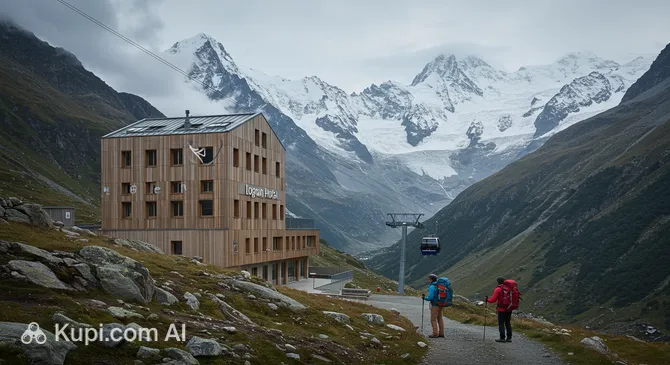
Argentière Resort – Chamonix. Illustration.
Source: Kupi.com AI

Traveler photos:

Among the many hotels in Chamonix, you can find both traditional alpine chalets and modern hotel complexes. For example, if you are looking for a resort hotel with a full range of services, you might consider the Argentière – Chamonix Resort, which offers comfortable accommodation and easy access to the ski slopes. The choice of a specific hotel depends on your preferences for location, comfort level, and range of services.

Booking Tip: Chamonix is a very popular destination, especially during the peak winter (December-March) and summer (July-August) seasons. Therefore, it is strongly recommended to book accommodation in advance, sometimes several months before your trip, to ensure the best choice and prices. The price range varies from budget options (hostels, simple apartments) to the mid-range (comfortable hotels, chalets) and luxury segments (high-end hotels and luxury residences). It is convenient to book accommodation through popular online platforms (such as Booking.com, Airbnb, Expedia) or directly on hotel websites or through local real estate agencies, which can sometimes offer better conditions or special deals.

Nearby Cities

For those who wish to explore the surroundings, Chamonix serves as an excellent starting point for day trips to several interesting nearby locations:

CityPopulationDistance
Passy11 23314 km
Sallanches16 83119 km
Megève3 00021 km
Martigny18 30126 km
Cluses16 99627 km

These nearby destinations offer a glimpse into the diverse culture and landscapes of the region. For example, Annecy, often called the "Venice of the Alps," charms with its canals, old town, and picturesque lake. Albertville, known for hosting the 1992 Winter Olympics, offers a chance to explore sports history and the medieval center of Conflans. A trip to any of these towns will complement your experience of staying in Chamonix.

Shopping & Souvenirs

Chamonix, being a world-famous mountain resort, offers shopping opportunities focused primarily on active recreation enthusiasts and those who love the Alpine atmosphere. You won't find huge malls or high-fashion districts like in major cities, but you can purchase high-quality sports equipment, mountain clothing, as well as charming local souvenirs and delicacies. Shopping in Chamonix is more of a pleasant addition to your holiday, a chance to take home a piece of the Alpine spirit.

The main commercial life of Chamonix is concentrated in its charming center. The main artery for shopping is the pedestrian Rue du Dr Paccard and its surrounding streets, as well as Place Balmat. Here you will find numerous sports equipment stores from leading global brands, boutiques with Alpine-style clothing, souvenir shops, and stores selling local products.

In Chamonix, there are no large shopping centers in the traditional sense, as seen in big cities. The town maintains its Alpine charm, and trade is mostly represented by individual shops and boutiques located along the central streets. However, you can find small shopping galleries or passages that combine several shops under one roof, but they are not comparable in scale to traditional malls.

Be sure to visit the local market, which usually takes place in Chamonix on Saturday mornings (times and days may change depending on the season; it is recommended to check locally or at the tourist office). This is a wonderful opportunity to immerse yourself in the local atmosphere and buy fresh farm products — cheeses, sausages, honey, fruits, and vegetables — as well as find items from local artisans and souvenirs. The market is not just a place for shopping, but a vibrant social event.

From Chamonix, it's worth bringing home souvenirs that reflect its unique location and spirit. Items featuring Mont Blanc symbols — T-shirts, mugs, magnets, postcards — are very popular. Pay attention to items from local artisans: wooden figurines, ceramics, textiles with Alpine motifs. Gourmets will appreciate local delicacies: Savoyard cheeses (Reblochon, Beaufort, Tomme de Savoie), cured meats and sausages, mountain honey, and forest berry jams. Of course, don't forget the famous Alpine chocolate and the traditional herbal liqueur Génépi. High-quality sports equipment or clothing purchased at one of the specialized stores also makes a great gift.

Most shops in Chamonix are open from approximately 9:00-10:00 in the morning until 19:00-19:30 in the evening. Some small private shops may close for a lunch break, usually from 12:30 to 14:30. During the peak tourist season (winter and summer), many shops, especially in the center, may work without a break and even on Sundays. However, in the off-season, hours may be reduced. Bank cards (Visa, Mastercard) are accepted almost everywhere. Cash (Euros) may be needed at the market or in small souvenir shops. ATMs are easy to find in the town center.

Tourists who are not residents of the European Union can take advantage of the VAT refund system (Tax Free Shopping or Détaxe) when making purchases in Chamonix, as in all of France. To do this, you must make a purchase for a certain minimum amount (usually over 100 euros, but it's best to check the exact amount in the store) in one store on one day. When purchasing, ask the salesperson to issue a special Tax Free check. Present this check along with your purchases and passport at customs when leaving the EU to receive a stamp, after which you can get a partial tax refund.
Reached the end of the page?

That means the route is fully explored