Support

Vannes

About

Vannes is a true gem of Brittany, nestled comfortably on the shores of the Gulf of Morbihan in western France. The city lies in a picturesque spot where the Marle and Vincin rivers flow into the sea, creating charming landscapes that look as if they’ve stepped off an artist's canvas. Here in southern Brittany, the fresh sea air is always present, and the horizon is adorned with the green islands of the gulf and historic buildings reflecting in the water.

With a population of just over 53,000 people, Vannes maintains an intimate, cozy atmosphere while serving as an important administrative and cultural hub for the Morbihan department. It is a City of Art and History where every corner breathes the past, from ancient Roman fortifications to elegant timber-framed houses and the cobbled streets of the Old Town.
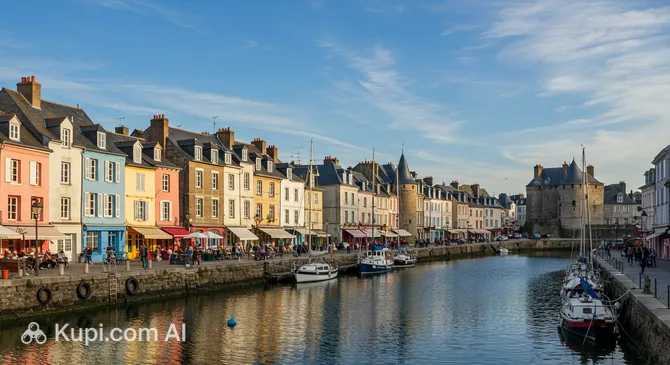
Vannes. Illustration.
Source: Kupi.com AI

The particular charm of Vannes lies in its key attractions and a unique atmosphere that blends maritime romance, medieval fairy tales, and Breton identity. A stroll through the Old Town feels like a journey back in time: you are greeted by magnificent 14th-16th century timber-framed houses, the majestic Saint-Vincent Gate, and ancient towers. Cozy squares, where street music often plays and the scent of blooming hydrangeas fills the air, complete the picture.

Vannes is definitely worth a visit for its unmistakable charm, unique architectural monuments, picturesque quays, and, of course, to experience the rich culture and traditions of Brittany. This city is perfect for leisurely walks, romantic weekends, and inspiring journeys, leaving warm memories in the heart of every guest.

You can find more interesting facts on the history of Vannes page.
Weather Overview

The weather in Vannes is characterized by a temperate maritime climate. Summers are usually warm and relatively dry, with average temperatures in July and August around 18-19°C and maximums reaching 22-23°C. Winters are mild but wetter, with average temperatures in January and December around 7-8°C. Precipitation is fairly evenly distributed throughout the year, with a slight increase in the autumn-winter period, when the number of rainy days can reach 12-14 per month.

Expect pleasant warm summers with occasional refreshing showers and cool, damper winters. For more detailed information on weather by month, you can explore the Vannes climate.

Average monthly temperature

Average monthly precipitation

Interesting Facts

Beyond its picturesque canals and medieval architecture, Vannes hides many fascinating details and stories. This Breton city is full of surprises that make it even more attractive to curious travelers.

Vannes Ramparts. Illustration.
Source: Kupi.com AI

Traveler photos:

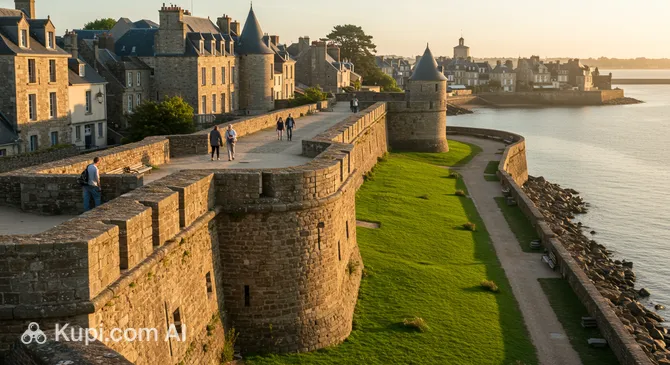
  • Vannes is one of the oldest cities in Brittany, with its history rooted in the days of the Roman Empire. The medieval Vannes City Walls surrounding the historic center are considered among the best-preserved in all of France, bearing witness to the city's rich past.

  • On the facade of a 16th-century building in the old town, you can spot the famous "Vannes and his wife" (Vannes et sa femme) carvings. These smiling stone figures have become an unofficial symbol of the city and its hospitality, catching the eye of every passerby.

  • Strolling through the Historic Center of Vannes, you will discover as many as 171 timber-framed houses! This number is a true architectural rarity, immersing visitors in a medieval atmosphere and creating a unique character for the narrow streets.

  • Every July, Vannes transforms into a stage for two major events: the Historical Festival (Fêtes historiques) and the Jazz en Ville festival. The streets fill with music, costumed parades, and a unique celebratory atmosphere that involves both locals and tourists.

How to Get There

When planning a trip to Brittany, it's important to map out your route in advance. Vannes is located in the west of the country, and there are several ways to get here. You can find more about how to get to Vannes by reading our full overview of options, and below we look at the main transport hubs through which tourists reach this picturesque corner.

There is no airport in Vannes itself, so travelers usually fly into nearby major cities. One of the most popular options is Nantes Atlantique Airport (IATA: NTE), located in the city of Nantes. This is a major international aviation hub that handles many flights. The distance to Vannes is about 103 km, which takes approximately 1 hour and 30 minutes by taxi or rental car.

Another convenient option is Rennes Airport (IATA: RNS), located in the administrative center of Brittany, the city of Rennes. It is slightly closer, about 89 km from Vannes, and the drive takes about 1 hour and 15 minutes. It's also worth mentioning Lorient South Brittany Airport (IATA: LRT). This is the nearest airport (only 52 km away), but it serves significantly fewer flights and has a lower passenger volume.

For clarity, here is a summary of the region's main airports:

AirportPassenger trafficDistance
Lann Bihoue Airport6 21852 km
Rennes Airport600 00089 km
Nantes Atlantique Airport7.2 mln103 km
Pluguffan Airport18 247111 km
Pleurtuit Airport95 000115 km

Rail links in France are excellent, and the train is often the most comfortable way to travel. While Vannes has its own station, many tourists use large transfer hubs in neighboring metropolises before heading to the coast. A key point on the map is Nantes Railway Station (IATA: QJZ), located about 104 km from Vannes. This is a major transport hub with a huge passenger flow, from where it's easy to continue your journey by regional train or bus.

Rennes Station (IATA: ZFJ) also plays a key role. Located 95 km from Vannes, it connects the region with TGV high-speed lines from Paris. Travel time from Rennes to Vannes by car or bus is just over an hour. Using these large stations allows for flexible connection planning and convenient arrival times.

Below are the nearest major railway stations for planning your route:

StationPassenger trafficDistance
Rennes Station15.2 mln95 km
Nantes Railway Station15.5 mln104 km
Angers Saint-Laud Station5.7 mln167 km
Le Mans Railway Station5.4 mln224 km
Tours Railway Station6.5 mln262 km

Main Attractions

Vannes, a charming city in Brittany, is rich in historical and cultural treasures that attract travelers from all over the world. A walk through its streets is a true immersion into a medieval atmosphere, complemented by the beauty of the Gulf of Morbihan.

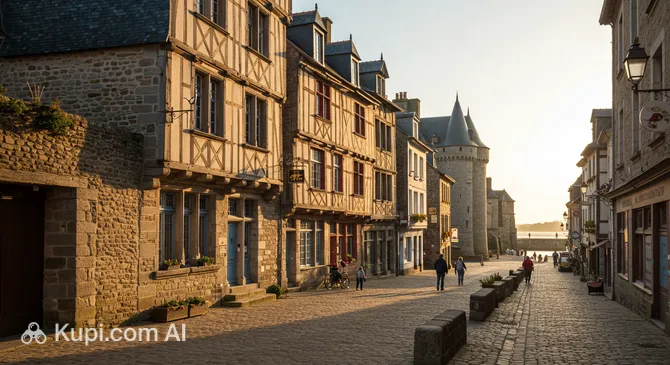
The heart of the city is undoubtedly the Historic Center of Vannes. Here you will find picturesque 15th-16th century timber-framed houses, narrow cobbled streets, and cozy squares. It is an ideal place for leisurely walks, discovering local architecture, and enjoying the atmosphere of an ancient Breton town. Every corner here is steeped in history, while numerous cafes and shops add to its charm.

Vannes Historic Center. Illustration.
Source: Kupi.com AI

Traveler photos:

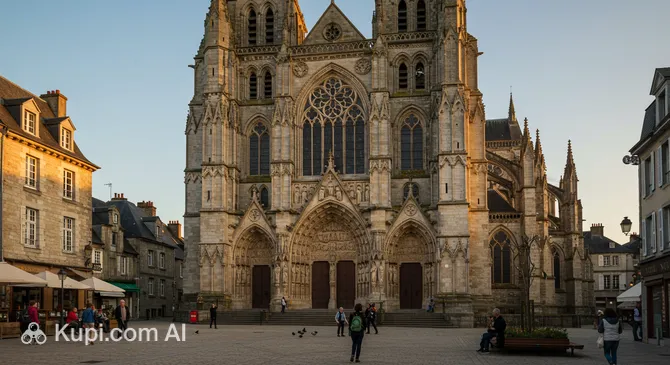
One of the main symbols of Vannes is the majestic Saint Peter's Cathedral. This Gothic cathedral, whose construction began in the 13th century, impresses with its size, stained glass windows, and rich interior decoration. Inside are the relics of Saint Vincent Ferrer, the city's patron saint. The cathedral is not only an important religious center but also an outstanding architectural monument.

Saint Peter's Cathedral, Vannes. Illustration.
Source: Kupi.com AI

Traveler photos:

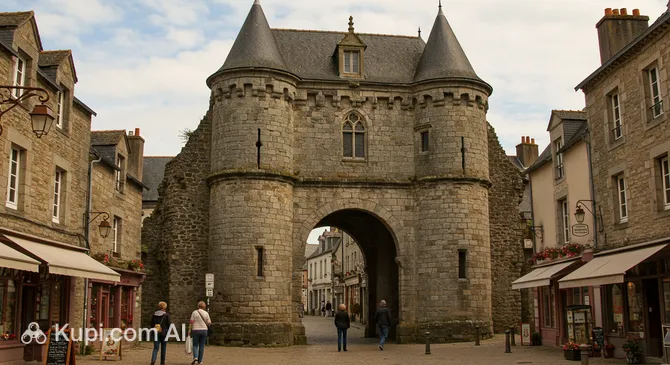
An integral part of Vannes' historical identity is the Vannes City Walls. These well-preserved fortifications with towers and gates surround the old town, serving as a reminder of its rich past. A walk along the ramparts allows you to admire panoramic views of the city and its surroundings, as well as visit the ancient washhouses on the banks of the Marle River.

Vannes Ramparts. Illustration.
Source: Kupi.com AI

Traveler photos:

The iconic entrance to the old town is the Saint-Vincent Gate. Built in the early 17th century, it is decorated with the city's coat of arms and a statue of Saint Vincent Ferrer. Passing through this gate, you immediately find yourself in the lively Place Gambetta, which overlooks the port and serves as the starting point for many tourist routes.

Saint Vincent Gate. Illustration.
Source: Kupi.com AI

Traveler photos:

For nature lovers and fans of maritime scenery, a visit to the Gulf of Morbihan Regional Natural Park is a must. This unique inland sea, dotted with numerous islands and islets (legend says there are as many as there are days in a year), offers incredible opportunities for boat trips, kayaking, and bird watching. The beauty of its landscapes and rich biodiversity make it one of the most attractive places in the region.

Local Cuisine

The gastronomy of Vannes is a true immersion into the culinary traditions of Brittany, where fresh seafood and farm products take center stage. Located by the Gulf of Morbihan, the city offers unique taste experiences based on the freshness and quality of local ingredients.

Be sure to try the famous Breton galettes—thin buckwheat pancakes served with a variety of fillings, ranging from the classic ham, egg, and cheese to gourmet options with seafood. Equally deserving of attention are the fresh oysters and mussels harvested directly from the Gulf of Morbihan. These delicacies are a hallmark of the region and are served in many restaurants throughout the city.

Among the local treats, kouign-amann stands out—a delicious flaky cake made with plenty of butter and sugar that caramelizes during baking to create a crispy crust. For drinks, you must sample the local cider, which is considered the traditional accompaniment to galettes and many other dishes in Brittany. It comes in both sweet and dry varieties and is perfectly refreshing.

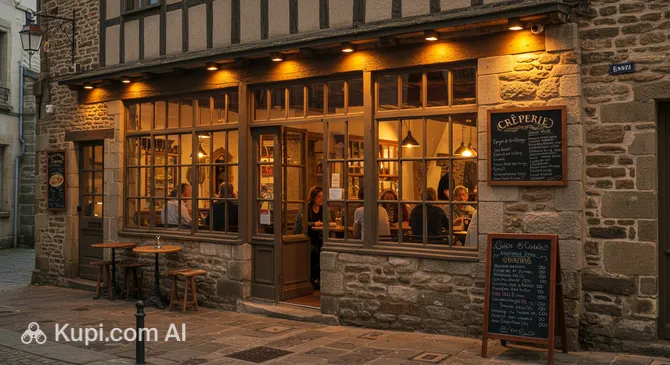
The dining culture in Vannes is diverse. Locals and tourists alike enjoy visiting the lively markets where you can find homemade cheeses, smoked fish, and fresh vegetables. Street food is primarily represented by stalls selling hot crêpes (sweet wheat flour pancakes) with chocolate, caramel, or fruit. Of course, one cannot overlook the numerous crêperies—restaurants specializing in Breton pancakes. One such authentic place to enjoy traditional Breton crêpes and galettes is Crêperie Dan Ewen – Breton Crêpes and Galettes.

Dan Ewen Crêperie – Breton Crêpes & Galettes. Illustration.
Source: Kupi.com AI

Traveler photos:

Vannes is a true paradise for foodies. The city's gastronomic scene offers everything from traditional dishes in cozy bistros to modern culinary delights. Throughout the year, various food festivals may also take place, providing a deeper look into the rich cuisine of Brittany and its culinary secrets.

Travel Tips

Welcome to charming Vannes! To ensure your journey through this historic city in Brittany is as comfortable and enjoyable as possible, we have prepared a few practical tips.

  1. Clothing and Essentials: The climate in France, particularly in Brittany, is changeable. Bring layered clothing and be sure to pack a waterproof jacket or umbrella, as rain is not uncommon here. Comfortable shoes are your best friend for walking along the cobbled streets of the old town. Don't forget a power adapter (type E), sunglasses, and sunscreen. When visiting religious sites like Saint Peter's Cathedral, it is customary to cover your shoulders and knees.

  2. Getting Around Town: The historic center of Vannes is best explored on foot. For longer trips, you can use the Kicéo city bus network. Taxis are available but can be more expensive; check for ride-hailing apps. Renting a car is useful if you plan to explore the scenic Breton countryside, though parking in Vannes itself can be difficult.

  3. Financial Matters: The official currency is the Euro (EUR). You can exchange money at banks or exchange offices, but it is often more economical to withdraw cash from ATMs (DAB – distributeur automatique de billets), which are easy to find. Credit and debit cards (Visa, Mastercard) are widely accepted in most establishments. International cards usually work without issues. Tips in restaurants are often included in the bill (service compris), but for good service, it is customary to leave 5-10% extra or round up the bill.

  4. Health and Safety: Pharmacies are easy to spot by their green cross; there are "pharmacies de garde" (duty pharmacies) open after hours. EU citizens are advised to have a European Health Insurance Card (EHIC), while other tourists are strongly encouraged to take out travel insurance. The emergency number is 112. Vannes is considered a safe city, but standard precautions (keeping an eye on personal belongings in crowded areas, avoiding poorly lit streets at night) are always wise.

  5. Language and Connectivity: The official language is French. In tourist areas, many people speak English, but knowing a few basic French phrases (e.g., "Bonjour" – Hello, "Merci" – Thank you, "S'il vous plaît" – Please) will be very warmly received by locals. Local SIM cards can be purchased at carrier stores or supermarkets. Free Wi-Fi is available in many hotels, cafes, and at the tourist information center. For ease of travel and planning, we recommend installing useful apps: the official Kicéo app for bus schedules, the Golfe du Morbihan Tour guide, as well as popular French apps for restaurant bookings or weather forecasts.

  6. Local Etiquette: The French value politeness. It is customary to say hello ("Bonjour" during the day, "Bonsoir" in the evening) when entering a shop, cafe, or other establishment. A handshake is appropriate when meeting someone. In public places, try not to speak too loudly. Even if you don't speak French well, an attempt to communicate in the local language will be appreciated.

  7. What to Avoid: Try not to start a conversation in English right away without first asking politely: "Parlez-vous anglais?" (Do you speak English?). Also, avoid loudly discussing or criticizing local customs or cuisine—Bretons are very proud of their culture.

  8. Additional Tip: Be sure to visit the local market at Place des Lices, which usually runs on Wednesday and Saturday mornings. It’s a wonderful opportunity to soak up the city's atmosphere and try fresh local products and Breton specialties. Also, check if there are any local festivals or holidays during your visit—it's a great chance to see Vannes in all its glory!

We hope these tips help you plan an unforgettable trip to Vannes. Enjoy its medieval charm, beautiful views of the Gulf of Morbihan, and the hospitality of the locals!

Entertainment & Nightlife

As the sun sets over the picturesque Gulf of Morbihan, Vannes transforms, offering its guests a variety of options for evening and nighttime relaxation. Most of the city's nightlife is concentrated around the charming port and within the winding streets of the historic center. Here you will find cozy bars, lively pubs, and several clubs where you can dance until the late hours.

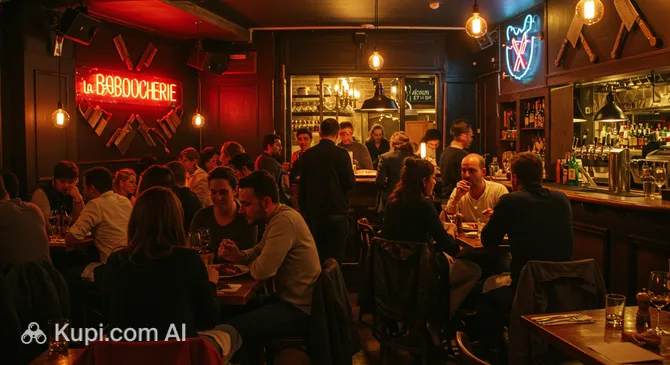
The evening atmosphere in Vannes is typically relaxed and friendly. Many venues attract both locals and tourists alike. The choice is wide: from traditional Breton pubs where you can try local cider to stylish cocktail bars with modern music. If you're looking for a place to dance, check out venues like the La Boucherie nightclub, known for its energetic atmosphere. Most bars stay open until 1 or 2 AM, while clubs run until the early morning, especially on weekends. The dress code is generally casual or smart-casual, with strict requirements being rare.

La Boucherie. Illustration.
Source: Kupi.com AI

Traveler photos:

For dinner before your night out or simply for a pleasant evening, Vannes has plenty of restaurants. Many of them offer local Breton cuisine. For example, you can stop by Crêperie Dan Ewen – Breton Crêpes and Galettes to enjoy authentic sweet and savory pancakes. Some restaurants in the port area offer wonderful views and stay open until late.

When planning a night out, keep in mind that things are liveliest on Friday and Saturday. Prices in Vannes' bars and clubs are generally moderate but can vary depending on the venue. You can get back to your hotel at night by taxi; it is recommended to book them in advance or use official taxi ranks, especially late at night. Public transport runs less frequently after dark.

Vannes is generally considered a safe city. However, as with anywhere, it's best to stick to well-lit and busy streets at night, especially if you're walking alone. If you need a taxi, it's better to call one by phone or via an app, or use official carriers. Keep your valuables in a secure place.

During the day, Vannes also offers many interesting activities. You can explore its rich historical heritage by visiting the Historic Center of Vannes, strolling along the ancient Vannes City Walls, or admiring the architecture of Saint Peter's Cathedral. For nature enthusiasts, a visit to the Gulf of Morbihan Regional Natural Park is an excellent choice.

Parks & Museums

Vannes, a charming city in the heart of Brittany, offers its guests not only a rich historical heritage but also wonderful opportunities for outdoor relaxation and cultural immersion. Here you will find picturesque parks, ancient city walls, and unique museums telling the story of the region.

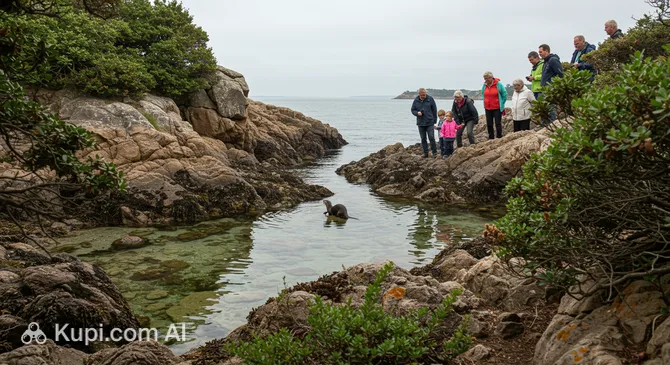
The main natural gem near Vannes is the Gulf of Morbihan Regional Natural Park. This vast area with its many islands, picturesque coves, and rich marine fauna is ideal for boat trips, kayaking, bird watching, and simply enjoying the unique landscapes of the "little sea" (which is what "Morbihan" means in Breton).

Gulf of Morbihan Regional Natural Park. Illustration.
Source: Kupi.com AI

Traveler photos:

For peaceful relaxation within the city limits, the Gardens of the Ramparts (Jardins des Remparts) are perfect. These well-kept gardens, stretching along the ancient fortifications, offer scenic views and a pleasant atmosphere for walks. From here, you have a magnificent view of the Vannes City Walls, which are themselves a significant landmark and a place for a promenade amidst greenery.

Vannes Ramparts. Illustration.
Source: Kupi.com AI

Traveler photos:

For lovers of art and history, Vannes offers several interesting museums. Among them, the Fine Arts Museum (La Cohue) stands out, located in a former market building and presenting collections of paintings from the Middle Ages to the present day. Also noteworthy is the Museum of History and Archaeology (Château Gaillard), housed in a 15th-century mansion, where you can learn about the rich past of the city and region through archaeological finds and historical artifacts. The Historic Center of Vannes itself is something of an open-air museum, with its labyrinth of narrow cobbled streets and timber-framed houses. An integral part of the city's historical face is the majestic Saint Peter's Cathedral, which impresses with its Gothic architecture.

Vannes Historic Center. Illustration.
Source: Kupi.com AI

Traveler photos:

Among other significant historical sites is the Château de l’Hermine (Hermine Castle). This former residence of the Dukes of Brittany, though rebuilt over the centuries, preserves the memory of key moments in the region's history. To fully experience the atmosphere of medieval Vannes, be sure to enter the old town through the famous Saint-Vincent Gate—one of the city's main symbols and once the grand entrance.

For an authentic experience, step off the main tourist routes in the Historic Center of Vannes and explore the quiet backstreets. There you can find cozy craft shops and small cafes that convey the true spirit of Brittany. Also, take a walk along the port's quay at sunset to enjoy the peaceful atmosphere and beautiful views of the moored yachts and ancient buildings.

Getting Around

Public transport in Vannes is primarily represented by a bus network operated by the company Kicéo. Buses cover both the city center and its suburbs, ensuring fairly convenient travel. The routes are well-planned and allow you to reach most key points, including the train station and tourist areas.

The fare system in Vannes is quite standard. You can purchase single-trip tickets (usually costing around 1.50 - 2 euros), which can be bought directly from the driver (sometimes slightly more expensive) or from special machines and kiosks. More cost-effective options are also available, such as carnets (sets of several tickets at a discount) or day, week, or month passes. For those planning to use transport frequently, there are reloadable transport cards. It is best to check the official Kicéo website or information points for all current information on fares and ticket types.

Tourists should remember that tickets purchased in advance must be validated when entering the bus using the special validation machines. Buses usually run from early morning until late evening, though the schedule may change on weekends and public holidays, becoming less frequent. Schedule information can be found at stops, on the transport company's website, or in mobile apps.

In addition to buses, you can use taxi services in Vannes. Taxi ranks are typically located at the train station and in central parts of the city. Bicycle rental is also popular—the city and its surroundings are perfectly suited for cycling. There are both classic rental shops and automated bike-sharing systems (vélos en libre-service). The historic center of Vannes is quite compact and is best explored on foot.

Accommodation

In the city of Vannes, a charming corner of Brittany, travelers will find various accommodation options for every taste and budget. There are cozy budget hotels and guesthouses, more comfortable mid-range hotels, and apartments for those who prefer more independence. High-end options are also available for those seeking extra comfort.

Staying in the Historic Center of Vannes is particularly popular with tourists. This is no surprise, as the main attractions are concentrated here, such as Saint Peter's Cathedral and the Vannes City Walls, as well as numerous cafes and restaurants. Staying in this part of the city makes it easy to explore on foot. Areas adjacent to the port or main transport hubs are also convenient, facilitating trips to the surrounding areas, such as the Gulf of Morbihan Regional Natural Park.

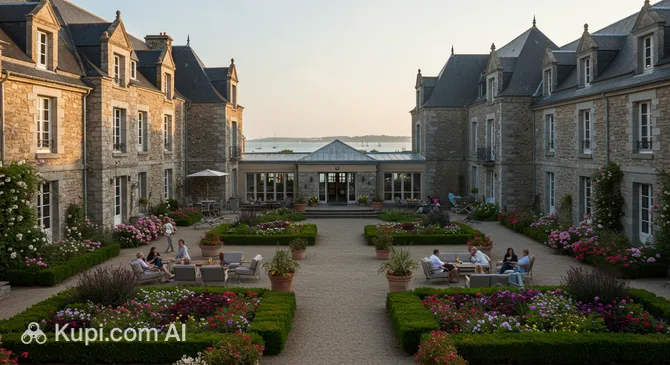
Vannes Apartment Hotel. Illustration.
Source: Kupi.com AI

Traveler photos:

Among the accommodation options in Vannes, one might mention the Apart'hotel Vannes, which offers comfortable apartments. Overall, the city has a wide range of hotels, from small family-run establishments to larger hotel complexes.

When planning a trip to Vannes, especially during the peak tourist season (usually the summer months), it is recommended to book your accommodation in advance. This will help you secure the best choices and prices. The most common booking methods are popular online platforms and aggregators, as well as direct booking through official hotel websites. The price range varies from budget options to luxury offers, allowing every traveler to find a suitable match for their preferences and budget.

Nearby Cities

For those looking to explore the surrounding area, Vannes serves as an excellent starting point for day trips to several interesting nearby locations. Here are some attractive options:

Lorient, located about 47 km from Vannes, is known for its rich maritime heritage. Visitors can explore the former Keroman submarine base, which is now a museum complex, stroll through the lively fishing port, or attend the famous annual Inter-Celtic Festival if their trip coincides with the event.

Saint-Nazaire, situated around 59 km away, is a major port city and shipbuilding center. Here you can take a fascinating tour of the Chantiers de l'Atlantique shipyard, where some of the world's largest cruise ships are built, or visit the Escal'Atlantic museum dedicated to the history of transatlantic liners.

La Baule-Escoublac, about 50 km south of Vannes, is famous for having one of the longest and most beautiful sandy beaches in Europe. This elegant resort offers wonderful opportunities for seaside relaxation, water sports, promenade walks, and enjoying a sophisticated atmosphere.

For more detailed planning of your day trips, below is a table with information about some cities in the vicinity of Vannes:

CityPopulationDistance
Saint-Avé11 8954 km
Séné8 9465 km
Sarzeau8 79115 km
Auray14 14117 km
Ploermel9 79141 km

These nearby destinations will allow you to delve deeper into the diverse culture, history, and natural beauty of the Brittany region and the French Atlantic coast.

Shopping & Souvenirs

Vannes offers a charming experience for shopping enthusiasts, especially if you're looking for authentic Breton goods and souvenirs. The city isn't known for huge shopping malls; its charm lies in the cozy streets of the historic center, home to numerous independent boutiques, craft shops, and stores selling local delicacies. You can find everything here: from fashionable clothing and accessories to works of art and traditional Breton products.

The main shopping arteries of Vannes are concentrated in its medieval heart, within the ramparts. Take a stroll through the Historic Center of Vannes, especially along streets like Rue Saint-Vincent, Rue des Halles, and the connecting alleys. Here you'll discover many small shops offering clothing, jewelry, books, antiques, and, of course, Breton specialties. The old town's atmosphere makes shopping particularly pleasant.

Vannes Historic Center. Illustration.
Source: Kupi.com AI

Traveler photos:

Vannes lacks the giant modern shopping malls found in megacities. The focus here is on unique boutiques and specialized shops located in the historical part of the city. However, on the outskirts, you can find several larger supermarkets and commercial zones with chain stores if you need everyday goods or a wider selection of standard brands.

Markets are a vital part of Vannes' commercial life and a great way to experience local culture and produce. Several times a week, usually on Wednesday and Saturday mornings, a large market takes place at Place des Lices, where you can buy fresh fruit, vegetables, cheeses, deli meats, seafood, and of course, the famous Breton galettes and crêpes. It's also worth visiting the covered Halles des Lices market and the Halles aux Poissons (fish market) near the port to get a real taste of Brittany.

When in Vannes, it's worth bringing home something special that reflects the spirit of Brittany. Look out for:

  • Gastronomic souvenirs: salted caramel (caramel au beurre salé), Breton biscuits (palets bretons, galettes bretonnes), cider, chouchen (a honey-based drink), and canned seafood.
  • Maritime theme: striped shirts (marinières), sailor caps, and decor items with nautical knots or anchors.
  • Crafts: ceramics (you might find items in the style of neighboring Quimper), textiles with Celtic patterns, and handmade jewelry.
  • Books and postcards: featuring views of Vannes and the Gulf of Morbihan.

Most shops in Vannes are open from around 10:00 to 19:00, with many closing for a lunch break, usually from 12:30/13:00 to 14:00/14:30, especially smaller independent shops. On Sundays, most shops are closed, except for some souvenir and food stores. Large supermarkets may have longer hours and may be open on Sunday mornings. Bank cards (Visa, Mastercard) are accepted almost everywhere, but cash is also useful, especially at markets.

Tourists from non-EU countries can take advantage of the Tax Free system for purchases over a certain minimum (in France, this is usually 100.01 euros in one shop in one day). To do this, you need to ask the shop for a special form (bordereau de détaxe) and present it along with your purchases at customs when leaving the EU.

Reached the end of the page?

That means the route is fully explored