Support

Moenchengladbach

About

Mönchengladbach is a cozy and colorful city located in the heart of North Rhine-Westphalia. Here, just 25 kilometers west of Düsseldorf, travelers find a harmonious blend of modernity and a deep respect for tradition. If you want to discover what the real Germany is like beyond the bustling capital metropolises, this city will be a pleasant discovery for you.

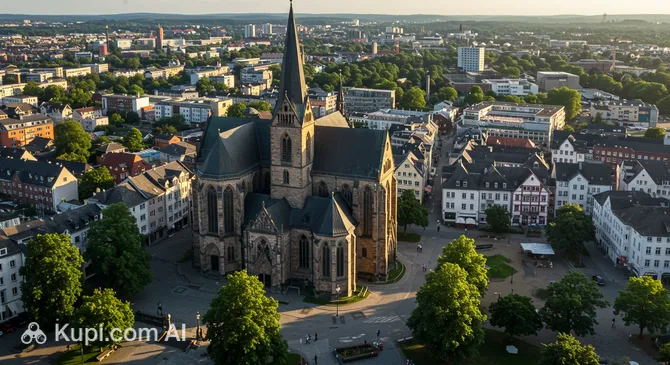
Stretching along the picturesque banks of the Niers River, the city is literally immersed in green parks and well-kept alleys, making it one of the "greenest" cities in the region. With a population of about 261,000, Mönchengladbach plays the role of an important cultural and economic center while maintaining a calm, almost intimate atmosphere that invites leisurely walks.

Moenchengladbach. Illustration.
Source: Kupi.com AI

The city's architectural appearance is striking in its diversity: from majestic Gothic cathedrals to bold designs in modern art galleries. The rich history of Mönchengladbach is reflected in ancient castles and museums, which coexist harmoniously with developed urban infrastructure.

The city earned special fame through the local residents' incredible passion for football, which can be felt everywhere. However, Mönchengladbach attracts more than just sports fans: art connoisseurs, lovers of ancient architecture, and foodies will also find many interesting spots here. This city is worth a visit to feel the rhythm of the German province and dive into an atmosphere of genuine European hospitality.

Weather Overview

The climate of Mönchengladbach can be described as moderately warm, with a mild Atlantic influence. Extreme temperature fluctuations are rare here, making the city quite comfortable to visit at any time of year. If you are planning a trip and want to know what the weather in Mönchengladbach will be like on specific dates, we recommend checking the forecast in advance, as variability is a common feature of the local climate.

Summer here is usually pleasant and not too hot: in June, July, and August, daytime temperatures reach comfortable levels of 23–24°C, while nights bring freshness (around 14–15°C). Winters are mild, without severe frosts: in January and December, the thermometer stays on average around 4–5°C, rarely falling below 2°C.

Expect a warm summer perfect for walking and a cool, damp winter. Precipitation in the region occurs quite regularly throughout the year: the number of rainy days varies from 11 in summer to 18 in December. Therefore, when packing for your trip, be sure to bring an umbrella or a raincoat, regardless of the season.

Average monthly temperature

Average monthly precipitation

Interesting Facts

Mönchengladbach holds many fascinating secrets and historical parallels beyond its main attractions, making a visit to the city even more exciting.
Rheydt Castle. Illustration.
Source: Kupi.com AI

Traveler photos:

  • Connection to Cologne Cathedral. The city has deep historical roots dating back to the 10th-century Gladbach Abbey, but the Basilica of St. Vitus is particularly interesting. This Gothic architectural masterpiece was designed by Gerhard von Rile—the very same master who became the first architect of the world-famous Cologne Cathedral.

  • Château Heritage. Mönchengladbach is famous for its palace complexes. It is home to Schloss Rheydt—a unique Renaissance monument perfectly preserved to this day—as well as the picturesque Wickrath Castle, surrounded by water and ideal for romantic walks.

  • Football "Mecca." The city is known far beyond Germany thanks to the Borussia Mönchengladbach club. The local stadium is not just a sports arena, but a true cult center where, in addition to thrilling matches, large-scale concerts and festivals are regularly held.

  • Home of Avant-Garde Artists. The city's cultural life is not limited to the past. Mönchengladbach has given the world outstanding contemporary artists such as Gregor Schneider and Heinz Mack, whose works today adorn the halls of major museums and galleries across the globe.

How to Get There

Mönchengladbach is located in the center of a densely populated region with excellent transport infrastructure, making it easily accessible for travelers from anywhere in the world. You can get here by plane, train, or car, choosing the most suitable route. You can find out more about how to get to Mönchengladbach and plan your trip in advance by exploring the available options.

Mönchengladbach does not have a major international airport within the city itself, but you can fly into Düsseldorf International Airport (DUS), which is only 25.3 km away. This is the region's main air hub. A trip from there by taxi or bus takes approximately 60 minutes.

Another popular option is Cologne/Bonn Airport (CGN), located 59.8 km from the city. Traveling from this airport to the center of Mönchengladbach takes about 1 hour and 50 minutes. It's also worth considering Eindhoven Airport (EIN) in the Netherlands if you're looking for alternative routes through the neighboring country.

For your convenience, here is summary information on the main airports:

AirportPassenger trafficDistance
Dusseldorf International Airport20 mln25 km
Weeze Airport2.0 mln50 km
Maastricht Aachen Airport230 93256 km
Cologne Bonn Airport10 mln60 km
Eindhoven Airport6.8 mln79 km

Railway connection is another convenient way to reach the region. Many tourists use major hub stations nearby. For example, Düsseldorf Hauptbahnhof is about 25.5 km from Mönchengladbach. From there, you can quickly reach your destination by taxi or transfer (approximately 60 minutes).

You can also use the Venlo station in the city of Venlo, located 26.3 km from Mönchengladbach. This is a convenient option for those entering from the western border.

Below is a table with information on the nearest railway stations:

StationPassenger trafficDistance
Krefeld Station18 km
Düsseldorf Hauptbahnhof91.3 mln26 km
Venlo Station2.8 mln26 km
Dormagen Railway Station2.2 mln29 km
Leverkusen Mitte Station5.5 mln43 km

Main Attractions

Mönchengladbach offers travelers a fascinating combination of historical heritage, green oases, and unique modern locations. A walk through the city will allow you to see how harmoniously eras intertwine here, from the Renaissance to the present day.

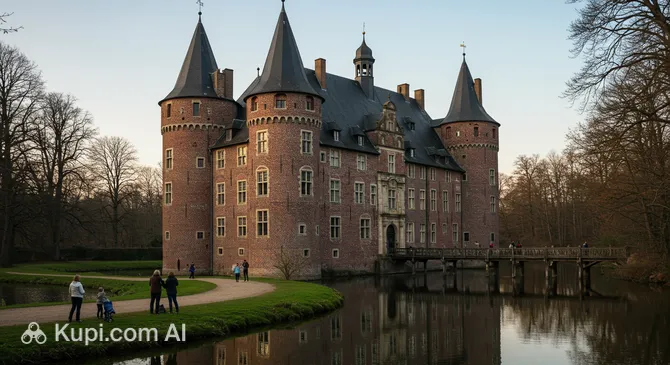
The undisputed crown jewel of the region is Schloss Rheydt. It is one of the best-preserved Renaissance palaces on the Lower Rhine. The complex, surrounded by a water-filled moat, looks like an illustration from an old fairy tale. Inside the castle is a museum where you can learn a lot about the city's history, and in the surrounding park, you can often find peacocks roaming freely, which gives the place a special charm.

Rheydt Castle. Illustration.
Source: Kupi.com AI

Traveler photos:

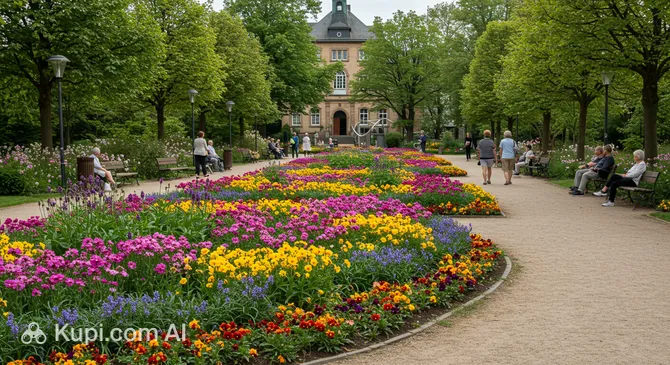
For those seeking solitude and natural beauty, the Bunter Garten, whose name translates as "Colorful Garden," is the perfect spot. This magnificent city park, which includes a botanical garden and an arboretum, is famous for its floral arrangements and rare tree species. It is a wonderful location for leisurely strolls, morning jogs, or an outdoor picnic away from the city noise.

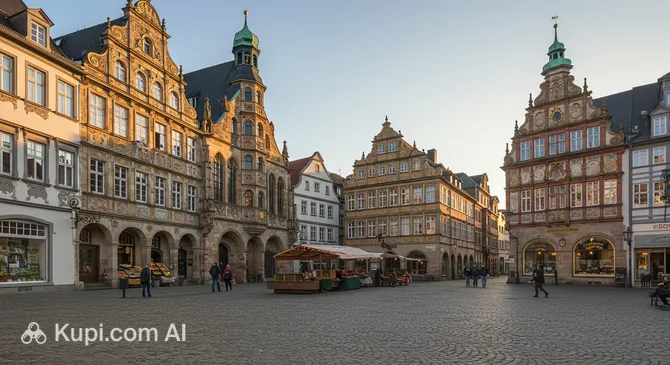
The heart of the city's social life is the Alter Markt. This historic market square draws tourists with its architecture and special atmosphere. During the day, it is pleasant to have a cup of coffee here while admiring the building facades, and in the evening, the area comes alive thanks to numerous bars and restaurants where you can try local dishes and famous German beer.

Alter Markt. Illustration.
Source: Kupi.com AI

Traveler photos:

For fans of pop culture and sci-fi, the city has a real surprise—the Stars of the Galaxy museum. This unique space is entirely dedicated to the Star Wars universe. It features life-size character figures, detailed dioramas, starship models, and Lego installations. A visit to this museum will be a thrilling adventure for both children and adult fans of the legendary saga.

Local Cuisine

Mönchengladbach's gastronomic scene is a wonderful blend of hearty Rhenish traditions and modern culinary trends. Travelers wishing to taste the region should definitely order "Sauerbraten." This is tender beef marinated in vinegar with spices, then served with potato dumplings and red cabbage. Another local hit with the poetic name "Himmel und Ärd" ("Heaven and Earth") is an unusual but harmonious combination of mashed potatoes, apple sauce, and fried sausages.

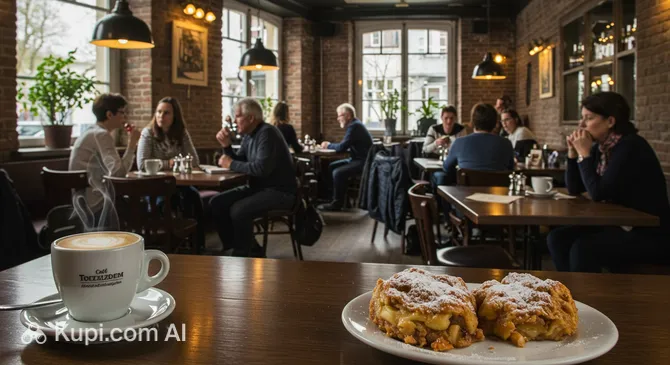
For those with a sweet tooth who enjoy cozy gatherings, the city offers an excellent selection of pastries. Local bakeries and coffee shops are famous for their fruit pies and fresh rolls, which perfectly complement a cup of a hot beverage. If you're looking for a place with a pleasant atmosphere to take a break, check out Cafe Trotzdem. As for alcohol, beer is highly regarded here: in cozy pubs, it's worth trying a glass of local rye beer or other varieties popular in North Rhine-Westphalia.

Café Trotzdem. Illustration.
Source: Kupi.com AI

Traveler photos:

Street food and markets play an important role in the city's food culture. Walking through the center, it's hard to pass by stalls with gingerbread, homemade cheeses, and meat delicacies. Mönchengladbach regularly hosts gastronomic festivals and farmers' markets where tourists can try seasonal products directly from producers and immerse themselves in the authentic atmosphere of a German festival of taste.

Travel Tips

Mönchengladbach is a welcoming and calm city, but like anywhere in Germany, there are certain nuances that will make your trip much more comfortable and save you from minor inconveniences. We've compiled a list of the most important recommendations to help you feel like a welcome guest rather than just a tourist.

  1. Clothing and Essentials. The weather in the North Rhine-Westphalia region is changeable, so the best principle for clothing is "onion style" (layering). Even in summer, it's worth having a light windbreaker or cardigan with you. Be sure to bring an umbrella or a raincoat: rain can start suddenly here. For walks through the historic center and parks, choose comfortable flat shoes, as cobblestones are quite common. There is no specific dress code for visiting churches, but modest and neat clothing is recommended.
  2. Transport. The city has an excellent network of bus routes (operated by NEW) that will take you anywhere. To plan your trips, download the VRR or DB Navigator app. Tickets can be bought from the driver or at vending machines. Renting a car in the city itself is not necessary unless you plan trips to remote villages. Taxis can be called via apps (e.g., FreeNow) or found at stands, but they are not cheap.
  3. Finances. The currency is the Euro (€). Despite progress, the country remains a place where cash (Bargeld) is preferred. Small bakeries, kiosks, and some traditional pubs may not accept cards, so always carry banknotes and coins. ATMs (Geldautomat) are everywhere. In restaurants, it's customary to leave a tip of 5–10% of the bill or simply round up the amount, telling the waiter the total figure when paying.
  4. Health and Safety. Mönchengladbach is a safe city, but standard precautions (watching your bags in crowded places) still apply. Pharmacies are marked with a red "A" (Apotheke). They are not open 24/7, but the address of the nearest duty pharmacy (Notdienst) open at night is always posted on the door of any pharmacy. Tap water here is of excellent quality and perfectly safe to drink.
  5. Communication. The official language is German. Young people and tourism workers speak English well, but the older generation may not know it. Learn a couple of phrases: "Hallo" (Hello) and "Danke" (Thank you)—this goes a long way with the locals. A SIM card can be bought at supermarkets (Aldi, Lidl) or mobile shops, but a passport and address registration (sometimes a hotel address works) are required for activation. Free Wi-Fi is available in cafes and public places, but it's not everywhere.
  6. Local Etiquette. It's customary to greet people when entering a small shop or an elevator. Punctuality is not a stereotype but a way of life: it's better to arrive on time for meetings and tours. On Sundays (Ruhetag), most shops, including supermarkets, are closed—this is a time for family and rest, so stock up on groceries in advance on Saturday.
  7. What to Avoid. Never walk on bicycle paths (usually marked in red or with markings on the sidewalk)—this can lead to collisions and will cause frustration for cyclists. It's also not recommended to cross the road on a red light, even if there are no cars: it's considered bad manners and a poor example for children, for which you might receive a remark from passers-by or a fine.
  8. Extra Tip: The Pfand System. When buying drinks in plastic bottles or cans, you'll notice the price at the checkout is slightly higher than on the price tag. This is a deposit for the container (Pfand), usually 25 cents. Don't throw away empty bottles! You can return them to special machines in any supermarket and get a voucher that can be redeemed for cash at the register. This is not only a way to save money but also part of the local environmental culture.

Mönchengladbach reveals itself to those ready to slow down and enjoy its steady pace. By following these simple tips, you can avoid tourist traps and focus on the main thing—the beauty of the architecture, the taste of local cuisine, and the unique atmosphere of this green city.

Entertainment & Nightlife

Mönchengladbach's nightlife has its own unique charm. You won't find the pretentiousness of massive metropolises here, but you will discover an incredibly soulful atmosphere that Germans call "Gemütlichkeit" (coziness). Evening leisure in the city focuses on socializing, good music, and high-quality drinks, and the compact center makes it easy to move from one venue to another on foot.

The epicenter of night entertainment is rightfully considered the Old Town (Altstadt). This is where the famous Waldhausener Straße is located, which locals proudly call the "longest bar counter" in the region. On weekends, this street turns into a single pedestrian zone of fun, where the doors of pubs, cocktail bars, and small clubs are open until the early morning. The crowd here is diverse: from lively students to respectable citizens enjoying a glass of Altbier after the work week.

If you're looking for more than just a bar, but a place with interactive entertainment, Mönchengladbach can surprise you. For those who want to combine drinks with the thrill of a game, the Hollywood 4D Blacklight Mini Golf Bar is an excellent choice. This venue offers a unique mini-golf experience in neon settings with 4D effects—an ideal way to start an evening with friends.

Fans of more rugged entertainment should check out the Mönchengladbach Axe Throwing Bar. This has been a popular trend in recent years: here you can safely practice your aim under the guidance of instructors while enjoying craft beer and snacks. The atmosphere here is always charged with adrenaline and positivity.

Practical tips for night owls:

  • Opening hours: Bars start filling up after 8:00 PM, and the peak of the fun is between 11:00 PM and 1:00 AM. Most venues stay open until 3:00–4:00 AM on Friday and Saturday.
  • Prices: A glass of beer ranges from 3 to 5 euros, while cocktails cost between 8 and 12 euros. Entry to most bars is free; a cover charge (5–10 euros) may only be required at nightclubs with DJs.
  • Safety: The Altstadt area and Schillerplatz are considered safe for nighttime walks as they are always crowded and well-lit. However, as with anywhere, keep an eye on your personal belongings.
  • Transport: At night, special "Night Express" buses (marked NE) run through the city, taking revelers to different districts until 3:00–4:00 AM. Taxis are easy to find at designated stands near Waldhausener Straße.

Daytime entertainment in the city is just as diverse. The cultural program might include attending theater performances at the Theater Mönchengladbach or viewing contemporary art collections at the Museum Abteiberg. For shopping lovers, the main attraction is the modern Minto shopping center, impressive for its architecture and selection of brands.

If you prefer active recreation, head to the Hi-Fly Trampoline Park. This is a massive arena where adults and children can jump to their heart's content, play dodgeball, or tackle a ninja obstacle course—a great way to energize before a night out in the city.

Parks & Museums

Mönchengladbach is rightfully proud of its status as a "city in the greenery," where urban landscapes coexist harmoniously with vast park areas, and cultural life is rich thanks to unique museums and galleries. For tourists, this is a wonderful opportunity to combine relaxed walks in the fresh air with immersion in the art and history of the region.

Among the natural oases, the Bunter Garten ("Colorful Garden") holds a special place. This park, located almost in the very center of the city, is a favorite holiday spot for locals. Here you will find a magnificent botanical garden with rare plants, themed flower beds, and an arboretum with hundreds of tree species. It is an ideal location for morning runs, leisurely strolls, or reading a book in the shade of the alleys.

Bunter Garden. Illustration.
Source: Kupi.com AI

Traveler photos:

Another significant green zone is the Volksgarten. It is the city's oldest public park, attracting visitors with its large pond where you can go boating during the warm season. The park is famous for its centuries-old trees and spacious lawns, perfect for family picnics. In summer, open-air concerts are often held here, adding musical accompaniment to your walk.

Speaking of cultural heritage, it's impossible not to mention Museum Abteiberg. This world-famous contemporary art gallery, whose building was designed by architect Hans Hollein, is considered a postmodern masterpiece. Its halls feature works by masters such as Joseph Beuys and Andy Warhol. This place is a must-visit for everyone interested in current artistic trends and unique architecture.

Lovers of history should look into Schloss Rheydt. In addition to the castle itself being an important architectural monument, its walls house a museum that tells the story of the region's rich past and the noble life of the Renaissance era. The exposition includes antique furniture, weapons, and art objects, while the park surrounding the castle with its peacocks creates a true fairy-tale atmosphere.

For those looking for something truly unique and modern, the doors of the Stars of the Galaxy museum are open. This space is entirely dedicated to the universe of science fiction. It houses an impressive collection of props, life-size costumes, and Lego models from cult films that will delight both children and adult fans of space sagas.

Insider Tip: If you want to see art in its natural environment, head to the Sculpture Garden (Skulpturengarten) located next to Museum Abteiberg. This is a free-to-visit area where modern art objects are whimsically integrated into the landscape, creating great opportunities for original photos.

Getting Around

The public transport system in Mönchengladbach is simple and efficient, allowing tourists to easily plan their routes. Unlike large metropolises, there are no metro or tram lines here—the main way to get around the city is by bus. The route network, operated by NEW, covers all districts, including remote corners and main attractions. Buses run strictly according to a schedule, which can be found at stops or in online apps.

Railway connections are an important part of the transport infrastructure. The city has two main stations: Mönchengladbach Hauptbahnhof (Central Station) and Rheydt Hauptbahnhof. Moving between them on regional trains (RE) or S-Bahn commuter trains takes only a few minutes and is often faster than taking a bus through city traffic. This is especially convenient if you need to quickly get from one part of the city to another.

Mönchengladbach is part of the VRR (Verkehrsverbund Rhein-Ruhr) transport association, so a unified ticket system applies here. For trips within the city, you will need a Zone A ticket. For tourists, it is most cost-effective to purchase a TagesTicket (day pass), which allows unlimited travel during the day for one person or a group of up to five. The 4erTicket is also a popular option—a set of four tickets that costs less than buying four individual single tickets.

Tickets can be purchased at special machines at stations, from bus drivers (often cash only), or through mobile apps such as the VRR App or DB Navigator. If you bought a paper ticket from a machine or kiosk, don't forget to validate it (stamp it) before starting your journey. Orange or red validators are usually located inside buses or on station platforms. A ticket without a time stamp is considered invalid, and fines for fare evasion in Germany are quite high.

At night, especially on weekends, special night buses called NachtExpress (NE) run through the city. This is a great way to get to your hotel after a night at the bars or a late dinner, as they operate until early morning. However, keep in mind that they run less frequently than daytime routes, so it's best to check the schedule in advance.

As an alternative to public transport, bicycles are very popular in Mönchengladbach. The city has flat terrain and many bike lanes, making two-wheeled travel comfortable and safe. Rental points can be found in the center or you can use bike-sharing systems. For those who prefer the comfort of a car, taxi services are available (easy to find at designated stands by stations and in the center) along with popular ride-hailing apps.

Accommodation

The choice of accommodation in Mönchengladbach is broad enough to satisfy most travelers' needs, even though the city is not a typical tourist resort. Practical and comfortable options prevail here: from cozy family-run guesthouses (Gasthauser) and budget chain hotels to modern apartments and solid business-class hotels. There are virtually no luxury five-star complexes here, but German quality standards guarantee cleanliness and comfort even in affordable rooms.

The most popular and convenient area to stay is the City Center (Mönchengladbach-Mitte). By staying here, you'll be within walking distance of the main train station and key attractions. This is an ideal choice for those who want to be in the heart of the action, close to restaurants and shops. A good landmark is the modern Minto shopping center: hotels located in its vicinity offer excellent transport accessibility and a high level of service.

For those who prefer a quieter atmosphere or are interested in history, the Rheydt district is worth considering. It is essentially the city's "second center," with its own train station. Staying here is convenient for those planning to visit castles and parks. Also, if your goal is nightlife and evening walks, look for accommodation near the historic Alter Markt square, where many bars and cafes are concentrated.

Booking tip: Mönchengladbach is very close to Düsseldorf, a major exhibition center. During large international trade fairs (Messe) or Borussia football home matches, accommodation prices can rise sharply, and vacancies fill up very quickly. Therefore, it is highly recommended to book your hotel in advance, especially if your trip coincides with major events.

The price range in the city can be described as moderate. A night in a budget hotel or hostel will cost around 50–70 euros. A standard double room in a mid-range hotel (3–4 stars) will cost from 80 to 120 euros. Booking is most convenient through popular online aggregator platforms, although many small guesthouses also accept direct orders via their websites or email.

Nearby Cities

For those who want to explore the surroundings, Mönchengladbach serves as an excellent starting point for day trips to several interesting nearby locations. For example, Krefeld, known as the "city of velvet and silk," attracts tourists with its rich textile history and picturesque zoo. Neuss, one of Germany's oldest cities, is interesting for its Roman heritage and the majestic St. Quirin Minster. And the nearby Viersen will delight fans of quiet relaxation with its green parks and famous open-air sculpture collection.

CityPopulationDistance
Korschenbroich33 7866 km
Viersen77 5237 km
Willich50 59211 km
Schwalmtal19 06211 km
Juchen23 61112 km

These nearby destinations provide an insight into the region's diverse culture and landscapes.

Shopping & Souvenirs

Shopping in Mönchengladbach is a pleasant and effortless activity that allows you to combine city walks with finding interesting purchases. Although the city is in the shadow of neighboring Düsseldorf, known as the fashion capital, it offers excellent conditions for shoppers who value comfort and the absence of haste. In Mönchengladbach, modern shopping complexes, large department stores of famous European chains, and small cozy boutiques offering unique goods coexist harmoniously.

The main shopping artery of the city is rightfully Hindenburgstraße. This busy pedestrian street stretches from the main train station up to the city center. This is where most clothing, shoe, cosmetic, and electronics stores are concentrated. Walking along this street, you will find both affordable mass-market brands and more high-end labels. The second important location for shopping lovers is the pedestrian zone in the Rheydt district, where the atmosphere is more intimate and the store selection is often focused on a personalized approach.

The ultimate attraction for all shopaholics is the Minto shopping center. It's not just a mall, but a true architectural object awarded 4 stars for its service level and design. Inside the complex, decorated with natural motifs, there are over 100 stores, a food court with diverse cuisine, and relaxation areas. It is an ideal place for shopping in any weather, featuring both international giants and local German brands.

The city's weekly markets (Wochenmarkt) add a special flavor. The largest and most colorful market takes place on the main square of the Rheydt district. Here you can buy the freshest farm products, seasonal fruits, flowers, as well as local delicacies—cheeses, sausages, and pastries. Visiting the market is a great way not only to buy tasty souvenirs but also to observe the daily life of the citizens.

When choosing what to bring back from your trip, pay attention to the fan merchandise of the Borussia Mönchengladbach football club. For locals, football is a religion, so a scarf, mug, or T-shirt with the club's emblem will be the most authentic reminder of the city. Traditional German goods are also popular: high-quality cosmetics, chocolate, and, of course, sets of local beer (especially Altbier), which can be bought in specialized stores or supermarkets.

When planning your shopping trip, keep the opening hours in mind. Large shopping centers and chain stores are usually open from Monday to Saturday from 10:00 AM to 8:00 PM. Small boutiques may close earlier, around 6:30 PM, and take a lunch break. It is important to remember that Sunday in Germany is a day off, and all stores, except for some bakeries and kiosks at the station, will be closed. As for payment, large outlets accept cards (Visa, Mastercard) without issues, but in small shops, cafes, and at markets, you are often asked to pay in cash (Bargeld).

Tourists residing permanently outside the European Union can use the Tax Free system and reclaim part of the value-added tax (VAT) when leaving the country. To do this, when buying goods worth over 50 euros in one store (the amount may vary), you need to ask the seller to issue a special Tax Free Form. Look for Global Blue logos or similar operators in shop windows to ensure the store participates in the program.
Reached the end of the page?

That means the route is fully explored