Support

Meerbusch

About

Meerbusch is a charming city that offers a delightful blend of upscale living and rural tranquility, often referred to as the "City in the Green." Located in the state of North Rhine-Westphalia, it sits directly on the banks of the Rhine River, just across from the bustling metropolis of Düsseldorf. This strategic position makes it a popular destination for those seeking a peaceful retreat without straying too far from major urban amenities.

With a population of approximately 57,000 residents, Meerbusch maintains a cozy, community-focused atmosphere while boasting one of the highest standards of living in western Germany. The city is geographically divided into several distinct districts, each preserving its own unique character, from the villa-lined streets of Büderich to the historic charm of Lank-Latum.

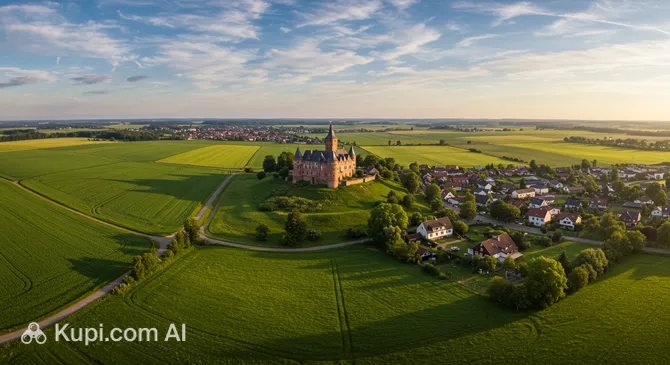
Meerbusch. Source: Kupi.Binoculars

Travelers interested in the past will find that the history of Meerbusch is deeply rooted in its constituent villages, which were merged in 1970 to form the modern city. Despite its relatively young administrative status, the area features historical landmarks such as the Teloy Mill and the scenic ruins of Haus Meer. The city is also renowned for its extensive nature reserves and cycling paths along the Rhine, offering picturesque views and a refreshing escape into nature.

Whether you are taking a ferry across the river for a day trip or exploring the local cultural events, Meerbusch provides a welcoming environment for all visitors. Its combination of lush landscapes, historical sites, and proximity to the fashion capital of Düsseldorf makes it an excellent stop for a relaxing and varied travel experience.

Weather Overview

Travelers planning a visit should be prepared for a temperate climate typical of this region in North Rhine-Westphalia. The weather in Meerbusch is characterized by warm summers and cool winters, making it accessible year-round if you pack the right layers.

During the peak summer months of July and August, the city enjoys its warmest days, with average temperatures hovering around 19°C and daytime highs reaching approximately 24°C. This is an ideal time for exploring the banks of the Rhine. In contrast, the winter season from December to February is much cooler, with average temperatures dropping to between 4°C and 5°C. January is typically the coldest month, where lows can dip to around 2.0°C.

Precipitation is a consistent factor throughout the year, so it is wise to keep an umbrella handy. The number of wet days ranges from a low of about 11 days in June to a high of 18 days in December. Overall, you can expect comfortable summers with occasional rain and cold, damp winters.

Interesting Facts

Beyond the main attractions, Meerbusch holds many fascinating secrets that reveal its unique character and history. From its prestigious demographics to hidden artistic treasures, there is much more to this "City in the Green" than meets the eye.
  • The Millionaire Capital: Meerbusch is famously known for having the highest density of millionaires in the state of North Rhine-Westphalia. This accumulation of wealth is particularly visible in the Büderich district, where magnificent villas line the streets, earning the city a reputation as an exclusive residential enclave just outside Düsseldorf.

  • Named After a Forest: Unlike most cities that take their name from a central settlement or a historic ruler, Meerbusch is named after the "Meerer Busch," a forest area surrounding the historic Haus Meer. When the independent municipalities were merged in 1970, this nature-centric name was chosen to reflect the green character of the new city.

  • A Hidden Beuys Masterpiece: Art enthusiasts might be surprised to find a significant work by the world-renowned artist Joseph Beuys here. The Old Church Tower in Büderich houses a war memorial designed by Beuys, representing one of his rare early public commissions and a poignant piece of local history.

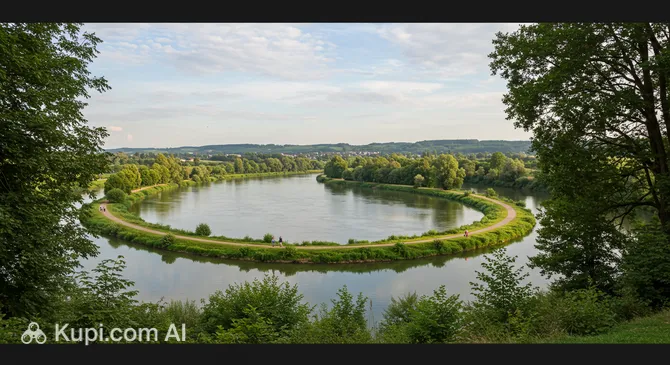
  • Traces of the River: The city's landscape is defined by the Ilverich Old Rhine Meander, a protected nature reserve that preserves the shape of a former loop of the Rhine River. This area provides a fascinating geological snapshot of how the river once flowed and is now a sanctuary for diverse bird species.

Ilverich Old Rhine Meander. Source: Kupi.Binoculars

How to Get There

Reaching the "City in the Green" is remarkably convenient thanks to its central location in the Rhineland. Whether you are arriving by air or rail, the city benefits from the infrastructure of its larger neighbors, ensuring a smooth journey. For a complete guide on all travel options, you can read more about how to get to Meerbusch.

The city of Meerbusch does not have its own airport, but it is situated just a stone's throw away from Dusseldorf International Airport (IATA: DUS) in the city of Dusseldorf. Located only about 6.3 km from Meerbusch, it is the primary gateway for international and domestic travelers. The transfer is incredibly quick; a taxi or car ride typically takes around 30 minutes, depending on traffic. This major hub handles a large volume of passengers annually, offering connections to destinations worldwide.

Another excellent option is Cologne Bonn Airport (IATA: CGN), situated in Cologne, approximately 51.2 km from Meerbusch. While further away, it serves as a significant alternative, particularly for budget airlines and cargo flights. A journey by road from this airport to Meerbusch takes roughly 1 hour and 40 minutes. It is a large facility that provides a wide range of services for travelers.

For clarity, here is a summary of the main airports:

Airport Name City Passenger Traffic Km from City
Dusseldorf International AirportDusseldorfVery Large6.3
Cologne Bonn AirportCologneLarge51.2
Dortmund AirportDortmundMedium70.7
Weeze AirportDusseldorfMedium54.7
Maastricht Aachen AirportMaastrichtSmall74.7

Regarding rail travel, the city of Meerbusch does not have a major central railway station for long-distance trains, but you can arrive at the Düsseldorf Hauptbahnhof in the city of Dusseldorf, which is about 8.0 km from Meerbusch. As one of the busiest railway hubs in the region with very high passenger traffic, it connects to major European cities. From there, you can get a taxi or bus, which takes about 32 minutes to reach the center of Meerbusch.

Travelers may also consider Krefeld Station in the neighboring city of Krefeld, located roughly 11.9 km away. While it serves fewer passengers than Düsseldorf's main station, it offers convenient regional connections that might be closer to certain districts of Meerbusch.

Below is a list of the nearest major railway stations:

Station City Passenger Traffic Km to Center
Düsseldorf HauptbahnhofDusseldorfVery High8.0
Essen HauptbahnhofEssenHigh31.7
Leverkusen Mitte StationLeverkusenMedium31.7
Dormagen Railway StationDormagenMedium19.0
Krefeld StationKrefeldN/A11.9

Main Attractions

Meerbusch offers a variety of sights that blend natural beauty with historical significance, making it a delightful destination for exploration. From protected landscapes to architectural monuments, the city's attractions reflect its unique heritage and "Green City" reputation.

Nature enthusiasts will find the Ilverich Old Rhine Meander to be a perfect spot for outdoor activities. This extensive nature reserve traces the path of a former loop of the Rhine River, creating a wetland habitat that is rich in biodiversity. It is an idyllic location for hiking, cycling, or simply observing the local birdlife in a serene environment, offering a peaceful escape from the urban hustle.

Another significant landmark is Haus Meer, located in the Büderich district. Once a Premonstratensian monastery and later a noble estate, the site is now known for its picturesque park and the remnants of the historic buildings. The surrounding landscape park, originally designed by Joseph Clemens Weyhe, invites visitors to take leisurely strolls among ancient trees and experience the aristocratic history of the region.

In the district of Lank-Latum, the Teloy Mill (Teloy-Mühle) stands as a proud symbol of the city's rural past. This well-preserved windmill has been converted into a vibrant cultural center that hosts art exhibitions, concerts, and literary events. Its distinctive architecture and the surrounding green spaces make it a popular photography spot and a hub for local culture.

For those interested in art and remembrance, the Old Church Tower in Büderich is a must-visit. This Romanesque tower is the only remaining part of the former St. Mauritius church but gained modern significance as a war memorial. Inside, it houses a powerful installation by the famous artist Joseph Beuys, featuring a heavy oak door and symbolic elements that offer a space for quiet reflection.

Local Cuisine

The culinary scene in Meerbusch is deeply rooted in the hearty traditions of the Rhineland, offering visitors a taste of authentic German comfort food. The local cuisine is characterized by robust flavors and generous portions, often served in cozy, wood-paneled inns known as Gaststätten. One of the absolute must-try dishes is Rheinischer Sauerbraten. Traditionally made with horse meat but now commonly prepared with beef, this marinated roast is famous for its sweet and sour sauce, enriched with raisins and gingerbread printen, typically served with red cabbage and potato dumplings.

Another regional classic that appears on many menus is Himmel un Ääd (Heaven and Earth). This unique dish combines mashed potatoes ("earth") with apple sauce ("heaven") and is usually accompanied by fried blood sausage, known locally as Flönz, and caramelized onions. For a lighter snack, especially popular at outdoor markets and festivals, look for Reibekuchen, crispy fried potato pancakes often enjoyed with apple compote or sugar beet syrup.

When it comes to drinks, Meerbusch shares the beer culture of its neighbor, Düsseldorf. The local favorite is Altbier, a dark, top-fermented beer with a distinctive hoppy taste and a copper-brown color. It is best enjoyed fresh from the tap in a traditional brewery atmosphere. Non-alcoholic options include locally produced fruit juices and the ubiquitous Apfelschorle (apple juice mixed with sparkling water), which is a refreshing choice during the warmer months.

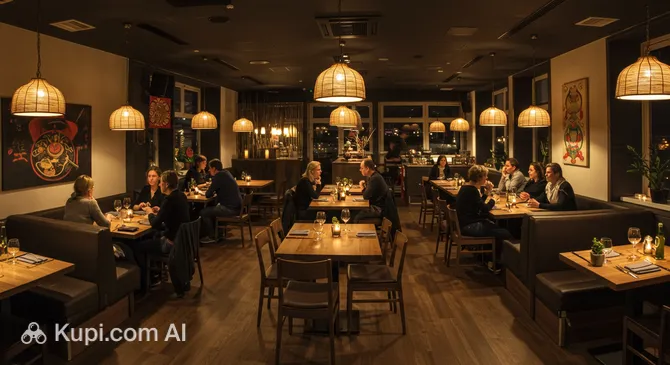
Asia 5 Stars. Source: Kupi.Binoculars

The food culture in Meerbusch is diverse, catering to its affluent population with a mix of rustic charm and high-end dining. While the historic districts like Lank-Latum are perfect for finding traditional German fare, the city also boasts a variety of international options ranging from Italian to Asian cuisine. For example, visitors looking for flavors from the Far East can visit Asia 5 Stars, a restaurant that adds to the city's gastronomic variety. Whether you prefer a sophisticated dinner or a casual meal in a beer garden, the city offers a welcoming environment for every palate.

Travel Tips

Welcome to Meerbusch, the "City in the Green," where preparing for your trip is as relaxing as the destination itself. To help you make the most of your visit to this picturesque riverside city, we have compiled a list of essential practical tips that cover everything from packing the right gear to navigating local customs.

  1. Clothing and Gear: Since the weather in North Rhine-Westphalia can be changeable, the best strategy is to dress in layers. Bring a waterproof jacket and a sturdy umbrella, as showers can occur year-round. If you plan to explore the nature reserves along the Rhine or the Ilverich Old Rhine Meander, pack comfortable walking shoes or sneakers. While the general dress code is casual, smart-casual attire is recommended if you are dining in upscale restaurants in districts like Büderich.

  2. Transportation: Meerbusch is well-connected to the region via the VRR (Verkehrsverbund Rhein-Ruhr) network. The light rail lines (U-Bahn), specifically the U70, U74, and U76 (historically known as the K-Bahn), offer a fast and convenient connection to downtown Düsseldorf and Krefeld. Taxis are available, but public transport is often more efficient for inter-city travel. For a scenic route, consider taking the Rhine ferry (Rheinfähre), which carries pedestrians, cyclists, and cars across the river.

  3. Finances: The official currency is the Euro (€). While major supermarkets, hotels, and larger restaurants widely accept credit and debit cards (Visa and Mastercard), Germany still has a strong cash culture. Smaller bakeries, kiosks, and traditional Gaststätten may only accept cash or the local "EC-Karte" (debit card). It is advisable to carry some cash for small purchases. ATMs (Geldautomaten) are plentiful throughout the city.

  4. Health and Safety: Meerbusch is considered a very safe city for tourists. In case of a medical emergency, dial 112 for an ambulance or fire department. Pharmacies are recognizable by a large red "A" (for Apotheke). They operate during standard business hours, and there is always one designated pharmacy in the area on emergency night duty (Notdienst), the location of which is posted on the door of every pharmacy.

  5. Communication: The official language is German. While English is widely spoken, especially by younger people and in the service industry, learning a few basic German phrases like "Guten Tag" (Good day) and "Danke" (Thank you) is greatly appreciated by locals. Free Wi-Fi is often available in hotels and some cafes, but for reliable mobile data, you can purchase a prepaid SIM card at grocery stores or electronics shops.

  6. Local Etiquette: Punctuality is highly valued in German culture, so try to be on time for reservations or tours. Sunday is considered a rest day (Ruhetag); most shops, supermarkets, and pharmacies are closed, although restaurants and bakeries (for limited hours) usually remain open. When entering a shop or waiting room, a friendly greeting to the general room is polite.

  7. What to Avoid: Do not walk in the designated bicycle lanes. Meerbusch and the surrounding region are very bike-friendly, and cyclists often travel at high speeds; walking in their lane is frowned upon and can be dangerous. Additionally, avoid making loud noises or mowing lawns on Sundays, as locals take their quiet rest day very seriously.

  8. Additional Tip: Experience a local favorite by taking the ferry from the Langst-Kierst district across the Rhine to the historic town of Kaiserswerth. It is a charming way to spend an afternoon, offering beautiful river views and easy access to the ruins of the Imperial Palace (Kaiserpfalz) on the other side, combining a nice walk with a short boat trip.

By keeping these practical tips in mind, you will be well-equipped to navigate Meerbusch with ease and confidence. Enjoy the blend of rural charm and urban convenience that makes this city such a unique destination in the Rhineland!

Entertainment & Nightlife

Meerbusch offers a nightlife experience that is defined by sophistication, relaxation, and conviviality rather than loud parties. The city's evening scene is centered around cozy "Gaststätten" (traditional pubs), elegant wine bars, and cultural venues, making it an ideal destination for those who prefer good conversation and quality drinks over crowded dance floors. The atmosphere is generally upscale yet welcoming, reflecting the city's reputation as a wealthy, green residential haven.

The most bustling areas for an evening out are found in the districts of Büderich and Lank-Latum. Büderich is known for its chic venues where locals gather for a glass of wine or a cocktail, while Lank-Latum retains a more historic, village-like charm with traditional breweries and pubs. For a great start to the night, you can enjoy a meal at Asia 5 Stars, which offers a pleasant dining atmosphere before you explore the local bars.

If you are looking for a place with a distinct character, Chaplins Underground is a must-visit. This venue is often described as the "living room of the night," located in a cellar that hosts live music, poetry slams, and comedy events along with a wide selection of cocktails. It provides a unique, intimate vibe that stands out in the local scene. Another excellent spot is Leopold's Pub, a friendly location that combines the feel of a sports bar with a community meeting place, perfect for enjoying a fresh beer and socializing.

For culture enthusiasts, the evening entertainment revolves around the Forum Wasserturm in Lank-Latum. This cultural center is the heartbeat of the city's artistic life, offering a diverse program that includes theater productions, cabaret, and concerts. It also features a cinema, the Kino am Wasserturm, which is popular for its curated film screenings, making it a wonderful option for a relaxed night out.

Travelers seeking a wilder party experience with clubs and discos should look just across the river. Meerbusch is perfectly connected to Düsseldorf via the U-Bahn lines U70 and U76. A short 15 to 20-minute ride will take you directly to Düsseldorf's "Altstadt" (Old Town), famous as the "longest bar in the world," where the nightlife continues until the early morning hours.

When planning your night, keep in mind that Meerbusch is a very safe city, and walking around the main districts after dark is generally secure. However, public transport between the different villages of Meerbusch can be limited late at night. While the "NachtExpress" buses run on weekends, booking a taxi is often the most convenient way to get back to your hotel. Prices for drinks and dining are slightly above average, reflecting the region's prosperity, but the quality of service and ambiance usually justifies the cost.

Parks & Museums

Meerbusch lives up to its nickname, the "City in the Green," by offering a rich tapestry of protected landscapes and cultural venues that celebrate its heritage. Visitors will find that the city seamlessly integrates its natural surroundings with artistic expression, providing ample opportunities for leisurely strolls and inspiring discoveries.

One of the most valuable natural treasures in the region is the Ilverich Old Rhine Meander. This extensive nature reserve is a haven for biodiversity, protecting the wetlands formed by a historic loop of the Rhine River. It is particularly interesting to tourists who enjoy birdwatching or peaceful hikes, as the area serves as a sanctuary for rare species like the kingfisher and the nightingale. The well-marked trails allow you to explore this lush, green corridor without disturbing the delicate ecosystem.

Another highlight for nature lovers is the historic park at Haus Meer in the Büderich district. Originally designed in the 19th century by the renowned landscape architect Joseph Clemens Weyhe, this park is a classic example of an English landscape garden. Although the main house was destroyed during World War II, the grounds remain a magnificent place for a walk, featuring majestic old trees, expansive lawns, and the romantic ruins of the former estate, which add a touch of nostalgia to the scenery.

In terms of cultural institutions, the Teloy Mill (Teloy-Mühle) in Lank-Latum is a standout attraction. This beautifully restored windmill, which dates back to the 19th century, no longer grinds grain but instead serves as a vibrant exhibition space. It regularly hosts art displays featuring works by local and regional artists, as well as literary readings and chamber music concerts. Its unique setting inside a historic industrial monument makes every visit a memorable experience.

For a deeper dive into the intersection of history and modern art, the Old Church Tower (Alter Kirchturm) in Büderich is essential. While it stands as a memorial to the victims of the world wars, it is also an artistic landmark housing a permanent installation by Joseph Beuys. The interior, designed by the artist in the late 1950s, offers a somber and powerful atmosphere that reflects on resilience and healing, making it a significant site for those interested in post-war German art history.

Architecturally, the city is dotted with gems like the St. Stephanus Church in Lank-Latum, known for its distinct tower and historical significance to the local Catholic community. The integration of these historical structures into the daily life of the city gives Meerbusch a sense of continuity and charm that is evident as you wander through its various districts.

For an authentic local experience, seek out the Mataré Stations in the Büderich district. This series of sculptures and architectural elements was created by the important Rhenish artist Ewald Mataré, who lived in the city. Following this artistic trail offers a quiet, off-the-beaten-path way to see the city through the eyes of one of its most famous creative residents.

Getting Around

Navigating Meerbusch is straightforward and efficient, thanks to its integration into the extensive Rhine-Ruhr Transport Association (VRR) network. The city does not have a standalone metro system but is seamlessly connected to the neighboring metropolis of Düsseldorf via a reliable light rail and tram network, known locally as the Stadtbahn. The backbone of public transport here consists of the U-Bahn lines U70, U74, and U76. These lines traverse the city, linking key districts like Büderich and Osterath directly to Düsseldorf's city center and Krefeld, making them the most popular choice for commuters and tourists alike.

Complementing the light rail is a comprehensive bus network that serves the various districts of Meerbusch, which are somewhat spread out. Buses are essential for reaching areas not covered by the rail lines, such as Lank-Latum or the smaller residential villages. The buses are clean, punctual, and synchronized with the train schedules to facilitate smooth transfers. For longer regional journeys, the Meerbusch-Osterath railway station connects travelers to the Deutsche Bahn regional train network, offering routes to cities like Cologne and Neuss.

The payment system operates on the unified VRR zone tariff, meaning the same ticket is valid for trams, buses, and regional trains within the designated zones. For a single trip within Meerbusch or to immediate neighbors, you will typically need a ticket for price category A or B. Tourists often find the "24-Hour Ticket" or the "48-Hour Ticket" to be the most economical options, allowing unlimited travel within the selected zones for one or two people. Tickets can be purchased via mobile apps like the VRR App or DB Navigator, which is often the most convenient method for visitors.

If you prefer physical tickets, you can buy them at vending machines located at major stops and train stations, or sometimes directly from the bus driver. A crucial piece of advice for tourists is to validate your ticket immediately. If you buy a paper ticket from a machine, you must stamp it in the orange or yellow validator boxes located on station platforms or inside the buses and trams before starting your journey. Failure to do so can result in a hefty fine during ticket inspections.

Public transport generally runs from early morning until around midnight. On weekends and public holidays, the service is supplemented by "Night Express" (NE) buses and extended train hours, ensuring you can return safely after a night out. While the system is reliable, frequencies can drop in the late evenings, so checking the schedule in advance via an app is recommended.

Beyond public transit, Meerbusch is an incredibly bike-friendly city. The flat terrain and scenic paths along the Rhine make cycling a popular alternative to motorized transport. Rental bikes are often available, and many locals prefer this mode of travel for short distances. Taxis are also readily available and can be hailed at designated stands or booked by phone, offering a comfortable but more expensive alternative. For a unique travel experience, you can also take the car and passenger ferry across the Rhine, which connects the Langst-Kierst district with Kaiserswerth on the opposite bank.

Accommodation

Accommodation in Meerbusch reflects the city's character as a prosperous and peaceful neighbor to Düsseldorf. The range of options typically caters to business travelers attending trade fairs and visitors seeking a quiet retreat with easy access to the metropolis. You will primarily find well-appointed mid-range to upscale hotels, charming family-run guesthouses (Gasthöfe), and a selection of modern apartments. Unlike larger tourist hubs, Meerbusch has fewer budget hostels, focusing instead on comfort and quality.

When choosing an area to stay, the district of Büderich is often the most convenient choice for tourists. It offers the best public transport connections, with direct U-Bahn lines taking you quickly to downtown Düsseldorf and the trade fair grounds. This area is also home to a variety of restaurants and shops. Alternatively, if you prefer a more historic and village-like atmosphere, Lank-Latum is an excellent option. Here, you can find traditional inns that offer a cozy, authentic experience, often within walking distance of local cultural sites and the Rhine nature reserves.

The price range for accommodation in Meerbusch is generally moderate to high, often fluctuating significantly depending on the event calendar in nearby Düsseldorf. During major international trade fairs (Messe), prices can spike, and availability becomes scarce. Therefore, a crucial booking tip is to check the trade fair schedule before your trip. If your visit coincides with a major event, it is highly recommended to book your room several months in advance to secure a reasonable rate.

Booking is straightforward, with most hotels and private rentals listed on major international online platforms. However, for smaller, family-owned guesthouses in districts like Osterath or Nierst, contacting the establishment directly can sometimes yield better personalized service or specific offers. Whether you choose a modern business hotel or a rustic inn, you can generally expect a high standard of cleanliness and hospitality throughout the city.

Nearby Cities

For those looking to explore the surroundings, Meerbusch serves as an excellent base for day trips to several interesting nearby locations:

Just across the Rhine lies Dusseldorf, the vibrant state capital located only a few kilometers away. It is a top destination for those who enjoy a mix of modern elegance and tradition, featuring the famous Königsallee shopping boulevard and a lively Old Town (Altstadt) known for its historic breweries and riverside promenade.

A short distance to the south is Neuss, one of the oldest cities in Germany. Visitors here can explore a rich history dating back to Roman times, with highlights such as the imposing Quirinus Minster. The city offers a fascinating blend of ancient heritage and modern leisure attractions.

Another worthwhile stop is Krefeld, often called the "Velvet and Silk City" due to its historical significance in the textile industry. Beyond its industrial heritage, the city attracts visitors with the beautiful Burg Linn, a medieval castle surrounded by an extensive park, and the popular Krefeld Zoo.

City Population Distance (km)
Dusseldorf 645923 7
Duisburg 495885 21
Moenchengladbach 261001 19
Krefeld 227050 13
Neuss 153796 5

These nearby destinations offer a glimpse into the diverse culture and landscapes of the region.

Shopping & Souvenirs

Shopping in Meerbusch is a relaxed and sophisticated experience that reflects the city's affluent and community-oriented character. Unlike the frenetic pace of large commercial hubs, the retail scene here is defined by owner-operated boutiques, high-quality delicatessens, and charming specialty stores. While it may not have the massive department stores of its neighbors, the city offers a curated selection of goods where personal service and quality take precedence over mass-market variety.

The most prestigious shopping destination in the city is undoubtedly the Dorfstraße in the district of Büderich. Often affectionately compared to Düsseldorf's famous Königsallee on a smaller scale, this street is lined with exclusive fashion boutiques, interior design shops, and fine jewelers. It is the perfect place to find designer clothing or unique home accessories while enjoying a stroll through a well-manicured neighborhood. Another key area is the pedestrian zone along Hauptstraße in the historic district of Lank-Latum. Here, the atmosphere is more traditional, featuring bookstores, gift shops, and local retailers nestled among historic buildings, offering a quaint and stress-free shopping environment.

Travelers looking for large-scale shopping malls will find that Meerbusch itself does not host such facilities, preferring to maintain its small-town charm. However, the city's excellent transport links make it incredibly easy to access major shopping centers nearby. Residents and visitors alike often take a short ride on the U-Bahn to Düsseldorf to visit the Schadow Arkaden or the ultra-luxury stores on the Königsallee. Alternatively, the Rheinpark-Center in the neighboring city of Neuss is just a short drive away and offers a comprehensive range of international brands and electronics stores under one roof.

For a taste of local life, the weekly markets (Wochenmärkte) are an essential part of the shopping culture. These markets are held on rotating days in the various districts, with the market at Dr.-Franz-Schütz-Platz in Büderich being one of the most popular. Here, you can buy fresh regional produce, flowers, artisan cheeses, and meats directly from local farmers. It is not just a place to shop but a social meeting point where locals gather to chat and enjoy fresh snacks.

When searching for souvenirs, consider skipping the typical trinkets and opting for regional culinary specialties. The farm shops (Hofläden) surrounding the city sell excellent local apple juice, jams, and seasonal produce like asparagus or strawberries. Additionally, given the city's artistic heritage, small galleries in Lank-Latum often sell unique handicrafts and art pieces that make for meaningful keepsakes.

Standard store opening hours in Meerbusch are generally from 9:00 AM or 10:00 AM to 6:30 PM on weekdays. On Saturdays, many smaller shops, especially in the village centers, may close earlier, often around 2:00 PM or 4:00 PM, although supermarkets usually stay open longer. As is the case throughout Germany, almost all shops are closed on Sundays. While credit and debit cards are widely accepted in boutiques and supermarkets, it is advisable to carry cash for purchases at weekly markets, bakeries, or smaller kiosks.

Visitors from outside the European Union may be eligible for tax-free shopping on certain purchases. Look for the "Tax Free" signage in shop windows, particularly in the more upscale stores in Büderich. If you qualify, ask the staff for a tax refund form at the checkout, which you can later validate at the airport before leaving the EU.
Reached the end of the page?

That means the route is fully explored