Support

Grevenbroich

About

Welcome to Grevenbroich, a fascinating destination nestled in the federal state of North Rhine-Westphalia. Often referred to as the "Energy Capital," this city offers a unique blend of industrial heritage and picturesque landscapes. Situated in the triangle between Düsseldorf, Cologne, and Mönchengladbach, it serves as an excellent base for exploring the western part of Germany. With a population of approximately 64,000 residents, Grevenbroich maintains a welcoming, community-focused atmosphere while providing modern amenities for travelers.

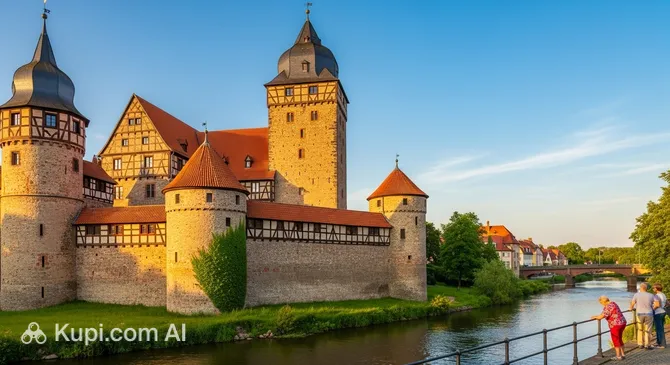
Grevenbroich. Source: Kupi.Binoculars

The city is rich in culture and tradition, with roots that stretch back deep into the past. Visitors interested in the history of Grevenbroich will find much to admire, from medieval fortifications to historic estates. One of the standout landmarks is the Schloss Hülchrath, a stunning moated castle that dates back to the Middle Ages and transports guests to a bygone era. Another cultural gem is the Museum Villa Erckens, situated in the heart of the city park, which hosts rotating exhibitions and offers insight into the local lifestyle and art.

Nature lovers and those seeking relaxation will appreciate the serene environment of the Kloster Langwaden, a Cistercian monastery that offers a peaceful retreat and a popular restaurant. Whether you are here to delve into the region's industrial past or simply to enjoy a quiet stroll through its verdant parks, Grevenbroich invites you to discover its hidden charms and friendly hospitality.

Weather Overview

Visitors to the city can expect a temperate climate that changes distinctively with the seasons. The summer months of June through August are generally the most pleasant time to visit, characterized by comfortable warmth. August is typically the warmest month, with average temperatures reaching 19.6°C and daily highs peaking around 24.0°C. This period sees between 11 and 14 wet days per month, so while it is often sunny, a light shower is not uncommon.

As the year progresses towards winter, temperatures drop significantly but rarely reach extreme lows. January is the coldest month, with an average temperature of 4.0°C and minimums around 1.9°C. Rainfall is a consistent feature of the local weather pattern, with December being particularly damp, recording up to 19 wet days. For those looking to pack appropriately for their specific travel dates, checking the current weather in Grevenbroich is highly recommended.

Spring and autumn serve as transitional periods with average temperatures rising from 7.1°C in March to 12.8°C in October. Overall, you should expect warm summers with occasional rain and cool, damp winters. Regardless of when you choose to visit, carrying an umbrella or rain jacket is a smart choice to ensure you stay comfortable while exploring the city.

Interesting Facts

Beyond the main attractions, Grevenbroich holds many fascinating secrets that offer a deeper look into its local lore and industrial significance. Here are some surprising facts about this multifaceted city:

  • A Pop Culture Icon: The city gained cult status in German pop culture thanks to the fictional character Horst Schlämmer. Created by famous comedian Hape Kerkeling, this disheveled, grumbling reporter claimed to be the deputy editor of the local newspaper, the Grevenbroicher Tagblatt, putting the city on the map with his catchphrases.

  • The Capital of Energy: Grevenbroich is frequently nicknamed the "Bundeshauptstadt der Energie" (Federal Capital of Energy). For decades, it has been home to some of Europe's largest coal-fired power plants, and the skyline is distinctly characterized by their massive cooling towers and steam clouds.

  • Dark History at Hülchrath: While Schloss Hülchrath is now a romantic destination, it harbors a grim past. In the 17th century, the castle was a notorious center for witch trials in the Rhineland, and its deep dungeons serve as a silent reminder of this turbulent historical era.

  • An Island City Center: The geography of the city center is uniquely shaped by the Erft River. The river splits into several arms as it flows through the town, effectively turning parts of the pedestrian zone and the Old Castle grounds into an island.

How to Get There

Grevenbroich is conveniently located in the Rhineland region, making it easily accessible via the extensive transport network of North Rhine-Westphalia. Whether you are traveling by air or rail, there are several convenient options to reach your destination. You can find more about how to get to Grevenbroich and plan your specific route in detail.

The city of Grevenbroich does not have its own airport, but you can fly into Dusseldorf International Airport (DUS) in Düsseldorf, which is the closest major hub at approximately 24.7 km from Grevenbroich. It is a large international airport serving a vast number of passengers annually, and the transfer to the city by taxi or car is quite straightforward. Alternatively, travelers can use Cologne Bonn Airport (CGN) in Cologne, located about 44.4 km away. This is another large airport with excellent connections, ensuring a smooth arrival for visitors from various destinations.

For clarity, here is a summary of the main airports:

Airport Name City Passenger Traffic Km from City
Dusseldorf International Airport Dusseldorf Large 24.7
Cologne Bonn Airport Cologne Large 44.4
Dortmund Airport Dortmund Medium 86.0
Weeze Airport Dusseldorf Medium 64.8
Maastricht Aachen Airport Maastricht Small 60.6

For those traveling by long-distance or high-speed rail, the most convenient entry points are often the major hubs in neighboring cities. You can arrive at Düsseldorf Hauptbahnhof (QDU) in Düsseldorf, which is about 20.5 km from Grevenbroich. From there, you can easily catch a regional connection or a taxi to reach the city center. Another significant option is Cologne Central Station (QKL) in Cologne, located 30.8 km away. This station is a major European rail hub with very high passenger traffic, offering frequent services to the surrounding region.

Below is a list of the closest major railway stations:

Station City Passenger Traffic Km to Center
Cologne Central Station Cologne Very High 30.8
Düsseldorf Hauptbahnhof Dusseldorf Very High 20.5
Leverkusen Mitte Station Leverkusen High 28.6
Dormagen Railway Station Dormagen Medium 16.1
Krefeld Station Krefeld - 26.2

Main Attractions

Grevenbroich offers a delightful mix of historical landmarks, cultural institutions, and natural retreats. Whether you are interested in medieval architecture, local art, or simply a relaxing day out in nature, the city has several key sites that are well worth a visit.

Schloss Hülchrath is one of the most significant architectural monuments in the region. This medieval moated castle, with its impressive towers and defensive walls, paints a vivid picture of the past. Although the castle is privately owned, it serves as a spectacular backdrop for photography and sightseeing. It comes alive particularly during special events, such as medieval markets, which draw visitors into its historic courtyard to experience the atmosphere of a bygone era.

For those seeking a cultural experience, the Museum Villa Erckens is a must-see. Located in the picturesque Stadtpark, this classicist villa houses the "Museum of the Lower Rhine Soul." It offers fascinating permanent and rotating exhibitions that delve into the everyday history, art, and identity of the people in the Rhineland. The combination of an educational museum visit and a stroll through the surrounding park makes it a favorite destination for tourists.

Kloster Langwaden offers a unique blend of spirituality and hospitality. This active Cistercian monastery is situated in a serene setting and features beautiful Baroque architecture. It is a popular destination not just for those seeking quiet reflection, but also for hikers and cyclists. The on-site monastery restaurant and beer garden are highly recommended, offering a perfect place to rest and enjoy a meal in a historic atmosphere.

Nature enthusiasts and families should explore the Wildfreigehege Bend. This spacious game reserve provides a wonderful opportunity to observe native wildlife, including fallow deer and wild boars, in their natural habitat. The park features well-maintained walking paths that wind through the forest, making it an ideal spot for a peaceful afternoon walk and a great way to connect with the local flora and fauna.

Local Cuisine

The culinary scene in Grevenbroich is deeply rooted in the traditions of the Rhineland, offering hearty, down-to-earth fare that reflects the region's agricultural heritage. Visitors to this part of Germany can expect generous portions and a focus on local ingredients, particularly potatoes, cabbage, and meat. The cuisine here is designed to be comforting, making it perfect for satisfying an appetite after a day of exploring the local castles and parks.

One of the absolute must-try dishes is the classic Rheinischer Sauerbraten. While historically made with horse meat, it is now most commonly prepared with high-quality beef marinated for several days in a mixture of vinegar, spices, and vegetables. The result is an incredibly tender roast served with a dark, sweet-and-sour gravy, often thickened with gingerbread (Printen) and raisins to balance the acidity. It is typically accompanied by potato dumplings and red cabbage, creating a flavor profile that defines the local palate.

Another regional favorite is Himmel un Ääd (Heaven and Earth), a dish that poetically combines apples ("heaven" from the trees) and potatoes ("earth" from the ground). These are mashed together and served with fried onions and Flönz, a local style of blood sausage. For a lighter snack or a street-food treat, look for Reibekuchen. These crispy fried potato pancakes are a staple at weekly markets and festivals, traditionally eaten with apple sauce or, reflecting the area's sugar beet farming history, with dark sugar beet syrup known as Rübenkraut.

When it comes to drinks, Grevenbroich sits in a unique geographical position between the beer cultures of Düsseldorf and Cologne. However, the influence of the Lower Rhine is strong here, making Altbier a popular choice. This dark, top-fermented copper-colored beer is malty and slightly bitter, served in smaller glasses to keep it fresh. While you can certainly find Pilsner and other varieties, enjoying a freshly tapped Altbier is the quintessential way to toast with locals.

The food culture in Grevenbroich is centered around conviviality and "Gemütlichkeit" (coziness). Locals prefer eating in traditional Gaststätten (guest houses) or rustic brewery pubs where the atmosphere is relaxed and informal. In the warmer months, beer gardens become the social hubs of the city, allowing friends and families to enjoy their meals outdoors. Whether you are dining in a historic building in the city center or grabbing a fresh pretzel at a bakery, the gastronomic experience here is welcoming and unpretentious.

Travel Tips

Planning a trip to Grevenbroich is an exciting prospect, offering a unique mix of industrial heritage and lush, green landscapes in the heart of the Rhineland. To ensure your visit to this welcoming city is as smooth and enjoyable as possible, here are some essential practical tips to help you navigate local life with ease.

  1. Clothing and Gear: The weather in this region can be quite changeable, so dressing in layers is the best strategy. Even in summer, evenings can get cool, so bring a light jacket. Since rain is possible year-round, packing a sturdy umbrella and a waterproof coat is highly recommended. If you plan to explore Schloss Hülchrath or the Wildfreigehege Bend, wear comfortable, closed-toe walking shoes suitable for gravel paths and park trails.
  2. Transportation: Grevenbroich has a reliable public transport network connected to the wider VRR (Verkehrsverbund Rhein-Ruhr) system. Buses serve the city districts well, but for the city center, walking is often the most pleasant option. To visit neighboring cities like Düsseldorf or Cologne, the regional trains (RB and RE lines) from the Grevenbroich station are fast and efficient. Taxis are available at the station, but ride-hailing apps are less commonly used here than in major metropolises, so keeping a local taxi number handy is smart.
  3. Finances: The official currency is the Euro (EUR). While major supermarkets and hotels accept credit cards (Visa and Mastercard), Germany is still very much a cash-based society. Smaller bakeries, traditional Gaststätten, and kiosks often only accept cash or the local "EC-Karte" (debit card). It is advisable to carry enough cash for daily small expenses. ATMs (Geldautomaten) are widely available. Tipping is customary; simply round up the bill or leave about 5-10% for good service.
  4. Health and Safety: Grevenbroich is a safe city for travelers, but standard precautions against petty theft should always be taken in crowded areas. Pharmacies are easily identified by a large red "A" symbol (for Apotheke). They are generally open during business hours, with a rotating schedule for emergency night services displayed on their doors. In case of a serious medical emergency, dial 112 for an ambulance.
  5. Communication: The official language is German. While many younger people and those in the tourism industry speak English well, it is not guaranteed everywhere, especially with the older generation. Learning a few basic phrases like "Guten Tag" (Good day) and "Danke" (Thank you) goes a long way. Free Wi-Fi is available in some cafes and public spots, but buying a prepaid SIM card at a local supermarket or electronics store is recommended for reliable connectivity.
  6. Local Etiquette: Punctuality is highly valued in German culture, so try to be on time for any appointments or tours. When entering a small shop or waiting room, it is polite to greet everyone with a general "Hallo" or "Guten Tag." On Sundays, noise levels should be kept to a minimum as it is considered a day of rest (Ruhetag), and mowing lawns or loud music is frowned upon.
  7. What to Avoid: Do not walk in the designated bicycle lanes. North Rhine-Westphalia is a very bike-friendly region, and cyclists can move quite fast; blocking their path is considered rude and can be dangerous. Also, avoid crossing the street when the pedestrian light is red, even if no cars are coming, as locals strictly adhere to traffic rules and it sets a bad example for children.
  8. Sunday Closures: Be aware that almost all shops, supermarkets, and pharmacies are closed on Sundays. Only bakeries (for a few hours in the morning), gas stations, and restaurants remain open. If you need groceries or supplies, make sure to do your shopping on Saturday.

By keeping these practical points in mind, you will be well-prepared to experience the best of Grevenbroich without any hassles. Enjoy the friendly atmosphere, the hearty local food, and the rich history that makes this "Energy Capital" a memorable stop on your German journey.

Entertainment & Nightlife

Nightlife in Grevenbroich is characterized by a relaxed and convivial atmosphere rather than the high-energy clubbing scenes found in nearby metropolises. The city’s evening entertainment revolves largely around traditional "Gemütlichkeit" (coziness), where locals gather in rustic pubs and modern bars to socialize. As the city sits on the cultural border between the Rhineland's major hubs, you will find a unique mix of beer cultures, with both Altbier (typical of Düsseldorf) and Kölsch (typical of Cologne) being served on tap. The nightlife here is less about dress codes and VIP tables and more about enjoying good conversation, live music, and hearty local hospitality.

The city center, particularly around the pedestrian zone and the market square, is the main hub for evening activities. Here, you can find a variety of traditional Kneipen (pubs) and bistros that stay open late. For a distinct experience, Evita Beach is a popular local favorite. This venue brings a holiday vibe to the city with its sandy beach area, palm trees, and cocktail bar, making it a perfect spot for summer evenings. It often hosts themed parties and events that draw a lively crowd looking to dance and unwind in an open-air setting.

For those interested in cultural entertainment, the Alte Feuerwache is the beating heart of Grevenbroich's event scene. Housed in a converted fire station, this venue hosts a diverse program ranging from comedy nights and cabaret to jazz concerts and theater performances. It offers a sophisticated yet accessible night out for visitors who appreciate the arts. Another notable mention is Atlantis, a well-known local pub that offers a classic bar experience with a wide selection of drinks and a friendly, unpretentious crowd.

If you are planning a night out, it is best to start your evening around 8:00 PM, when the local restaurants and bars begin to fill up. The dress code is generally casual; jeans and a nice top are perfectly acceptable almost everywhere. Prices in Grevenbroich are reasonable compared to the larger neighboring cities, with a beer typically costing between €2.50 and €4.00. While the city center is walkable, if you plan to stay out late, be aware that bus services reduce significantly after midnight. It is advisable to have the number of a local taxi service handy or use a ride-hailing app, as hailing a cab on the street can be difficult in residential areas.

Grevenbroich is generally very safe for night walks, even in the late hours. The city center is well-lit and populated, but as with any travel destination, it is wise to stay in main areas and avoid unlit parks alone at night. For travelers seeking a more intense clubbing experience with international DJs, the excellent train connections allow for a quick trip to Düsseldorf or Cologne, with late-night regional trains often available for the return journey.

During the day, the entertainment options are equally inviting but lean towards relaxation and culture. Visitors can explore the Museum Villa Erckens for a dose of local history or enjoy a shopping trip to the Montanushof center. For families and nature lovers, the expansive parks and the nearby game reserve offer a peaceful retreat before the evening festivities begin.

Parks & Museums

Grevenbroich often surprises visitors with its abundance of green spaces and deep-rooted cultural heritage. Far from being just an industrial hub, the city underwent a significant transformation during the State Garden Show in 1995, leaving behind a legacy of beautifully landscaped parks and recreational areas. Combined with its historical estates and dedicated cultural venues, the city offers a diverse range of experiences for those looking to explore nature and local history.

The Stadtpark (City Park) is the green heart of Grevenbroich, uniquely situated on an island formed by the arms of the Erft River. This extensive park is not just a place for walking; it is an open-air gallery featuring the "Ian Hamilton Finlay Park," a specialized section adorned with poetic inscriptions and sculptures that blend art with nature. The park's "Green Axis" connects the city center with the surrounding landscape, offering lush meadows, old trees, and tranquil water views that make it perfect for picnics and leisurely afternoons.

For a glimpse into the region's successful landscape recultivation, the Neurather See is a fantastic destination. Once an open-cast mine, this area has been transformed into a thriving recreational lake surrounded by nature reserves. It is a popular spot during the summer for swimming and sunbathing, while the loop trails around the lake attract hikers and joggers year-round. The contrast between the area's industrial past and its current natural beauty makes it a fascinating place to explore.

When it comes to museums, the Museum Villa Erckens stands out as the city's cultural flagship. Housed in a stately 19th-century industrialist's villa within the Stadtpark, it is known as the "Museum of the Lower Rhine Soul." The exhibitions here go beyond standard local history, diving into the social, economic, and emotional identity of the Rhineland people. From art exhibitions to displays on everyday life in past centuries, the museum provides a deep and often humorous insight into what makes this region tick.

While not a traditional museum with ticketed entry, the Altes Schloss (Old Castle) in the city center is a key historical landmark that reflects the city's architectural legacy. Dating back to the 14th century and later remodeled, it now serves as a venue for civic events and weddings. Visitors can admire the exterior architecture and the surrounding castle grounds, which are seamlessly integrated into the pedestrian zone, offering a tangible connection to the medieval origins of the Lords of Grevenbroich.

For a truly authentic experience, look for the hidden literary quotes scattered throughout the Ian Hamilton Finlay section of the Stadtpark. Many visitors miss these subtle artistic interventions, but finding them adds a layer of intellectual discovery to a simple walk in the park. It is a quiet, contemplative corner that feels worlds away from the bustling city streets.

Getting Around

Navigating Grevenbroich is convenient and straightforward, thanks to its integration into the extensive Rhine-Ruhr Transport Association (VRR). The city boasts a well-coordinated infrastructure that allows visitors to explore the local districts and the wider region of Germany using a single, unified ticketing system.

The railway network serves as the backbone of local travel. The city is home to three train stations: Grevenbroich, Kapellen-Wevelinghoven, and Gustorf. The main station, located just a short walk from the city center, acts as a central hub. It offers frequent Regional Express (RE) and Regionalbahn (RB) connections, enabling quick trips to nearby metropolitan areas like Düsseldorf, Cologne, and Mönchengladbach.

For transportation within the city and to the outlying neighborhoods, the Stadtbus (city bus) network is the best option. These buses link the residential areas and villages, such as Neurath and Elsen, with the city center and the train station. The central bus station (ZOB) is situated directly adjacent to the main railway station, ensuring seamless transfers between trains and buses.

Cycling is an integral part of the local lifestyle and a fantastic way for tourists to see the city. Given the flat terrain of the Lower Rhine region, Grevenbroich is extremely bike-friendly. A network of dedicated cycle paths winds through the urban areas and along the idyllic Erft River, offering a relaxing and scenic alternative to motorized transport. Secure bicycle parking is available at key points, including the main station.

Tickets for public transport are valid for both trains and buses within the VRR network. They can be purchased at ticket machines at stations, from bus drivers, or via mobile apps. Visitors planning to travel extensively throughout the day should consider buying a 24-hour pass or a group ticket, which often provides the best value for money. Taxis are also readily available at designated stands in the city center for those preferring a direct, private route.

Accommodation

Finding accommodation in Grevenbroich is generally a straightforward experience, though the options differ from those in major tourist hubs. The city primarily caters to business travelers and visitors exploring the Lower Rhine, so you will not find large luxury resorts or sprawling 5-star hotel chains. Instead, the accommodation landscape is characterized by solid mid-range hotels, functional business hotels, and charming, family-run guesthouses (Gasthäuser). These smaller establishments often offer a more personal touch and a cozy atmosphere, known locally as "Gemütlichkeit."

For most tourists, the best area to stay is the City Center (Stadtmitte). Booking a room here places you within comfortable walking distance of the pedestrian shopping zone, the Altes Schloss, and the variety of restaurants around the market square. Crucially, staying in the center ensures easy access to the main railway station, which is vital if you plan to take day trips to Düsseldorf or Cologne. Alternatively, if you prefer a quieter setting close to nature, look for options near the Stadtpark or along the banks of the Erft River, where the surroundings are greener and more tranquil.

A critical tip for booking accommodation in Grevenbroich is to be aware of the trade fair calendar in the neighboring cities. Because Grevenbroich is situated in the triangle between Düsseldorf, Cologne, and Mönchengladbach, it often serves as an overflow destination during major international trade fairs (Messe). During these peak times, room availability can drop sharply, and prices may rise. Therefore, it is highly recommended to book well in advance if your visit coincides with a major event in the region.

In terms of pricing, Grevenbroich offers excellent value compared to its larger neighbors. The price range is typically moderate, making it an attractive base for budget-conscious travelers who want to explore the Rhineland without paying metropolitan rates. While the larger hotels are listed on all major online booking platforms, some of the smaller traditional guesthouses may offer better rates if you book directly. Whether you choose a modern hotel or a rustic inn, you can generally expect clean, comfortable, and hospitable service.

Nearby Cities

For those looking to explore the surroundings, Grevenbroich serves as an excellent base for day trips to several interesting nearby locations:

Just a short distance away lies Düsseldorf, the vibrant state capital known for its elegant shopping on the Königsallee and its lively Old Town, often referred to as the "longest bar in the world." For history enthusiasts, Neuss offers a fascinating glimpse into the past as one of Germany's oldest cities, featuring Roman excavations and the imposing Quirinus Minster. Alternatively, Mönchengladbach is perfect for a relaxing day out, boasting the beautiful Bunter Garten park and the celebrated Abteiberg Museum for modern art.

City Population Distance (km)
Dusseldorf 645,923 20
Moenchengladbach 261,001 16
Neuss 153,796 15
Viersen 77,523 23
Kerpen 66,294 25

These nearby destinations offer a glimpse into the diverse culture and landscapes of the region.

Shopping & Souvenirs

Shopping in Grevenbroich offers a relaxed and convenient experience, characterized by short distances and a friendly atmosphere. Unlike the bustling metropolises nearby, the city provides a stress-free environment where visitors can find everything from daily necessities to fashion and gifts. The retail landscape is a mix of modern shopping centers and a traditional pedestrian zone, making it easy to combine a shopping spree with a sightseeing tour of the city center.

The heart of the shopping activity is the pedestrian zone (Fußgängerzone), which stretches primarily along Kölner Straße and extends towards the market square. This car-free area is lined with a variety of shops, including well-known clothing chains, drugstores, and independent boutiques. It is a pleasant place for a stroll, with numerous cafes and ice cream parlors offering outdoor seating where you can rest and enjoy the local vibe between purchases.

For a more concentrated retail experience, the Montanushof is the city's premier shopping destination. Located centrally near the Ostwall, this large shopping mall houses dozens of stores under one roof, ranging from fashion and electronics to groceries and service providers. It serves as a major hub for the community and offers ample parking, making it a convenient starting point for any visit. Another key location is the Coens-Galerie, which complements the city's offerings with additional retail spaces and businesses.

Visitors interested in fresh, regional products should not miss the Weekly Market (Wochenmarkt), held on the historic market square. Typically taking place on Tuesdays and Fridays, this market is a vibrant showcase of the Rhineland's agricultural bounty. Here, you can purchase fresh fruits, vegetables, meats, and flowers directly from local farmers. It is also an excellent spot to grab a quick, authentic snack and mingle with the local residents.

When searching for unique souvenirs, look for items that reflect the region's culinary and industrial heritage. A jar of Rübenkraut (sugar beet syrup) is a quintessential local product, honoring the area's long history of sugar beet farming. It is a sweet, traditional spread that makes for a perfect gift. Additionally, beer enthusiasts might appreciate branded glasses or accessories related to Altbier, the dark beer popular in the Lower Rhine region.

Store opening hours in Grevenbroich generally follow standard German practice. Most shops open around 9:00 AM or 10:00 AM and close by 6:00 PM or 8:00 PM on weekdays. On Saturdays, smaller shops may close earlier, often around 4:00 PM, though the Montanushof and supermarkets usually stay open longer. Be aware that nearly all retail stores are closed on Sundays. While major stores and the mall accept credit cards (Visa, Mastercard), many smaller boutiques, bakeries, and market stalls still prefer or exclusively accept cash.

Tourists residing outside the European Union may be eligible for a VAT refund on goods purchased in participating stores. Look for the "Tax Free" logo in shop windows, particularly within the larger shopping centers. If you qualify, remember to ask the cashier for a tax-refund form at the time of purchase to claim your refund upon departing the EU.
Reached the end of the page?

That means the route is fully explored