Support

New Garden

About

The New Garden (Neuer Garten) is a magnificent landscape park covering over 100 hectares, located in the northern part of the city of Potsdam, Germany. Its unique location on the shores of two picturesque lakes, Heiliger See and Jungfernsee, creates a matchless atmosphere of peace and harmony. The park is an outstanding example of garden art, where natural landscapes are skillfully combined with monumental architecture.
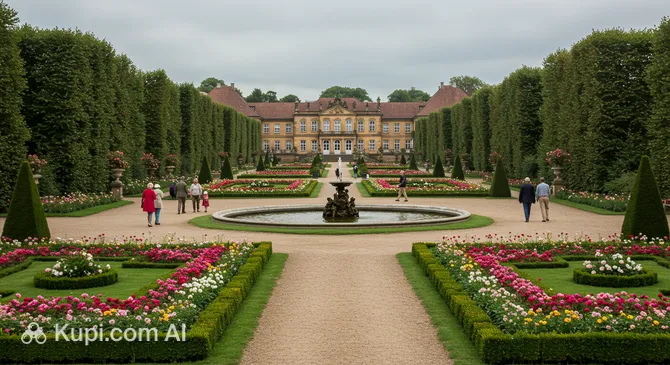
New Garden. Illustration.
Source: Kupi.com AI

Traveler photos:

This historic park is part of the UNESCO World Heritage site "Palaces and Parks of Potsdam and Berlin," highlighting its immense cultural value. Its grounds are home to world-famous architectural masterpieces that attract tourists from all over the globe. Among them are the elegant Marble Palace, built in the Early Neoclassical style, and the famous Cecilienhof Palace, where the Potsdam Conference was held in 1945.

A walk through the New Garden is a true journey through time. Here you can spend hours enjoying the changing vistas, secluded alleys, and beautiful water views. It is an ideal place for those who want to combine an exploration of important historical sites with relaxation in nature. Visitors can not only admire the palaces but also discover other hidden gems of the park, such as the Belvedere on Klausberg Hill, which offers breathtaking views of the surroundings.

Contacts

The New Garden is an extensive landscape park open to the public free of charge. To obtain the most accurate and up-to-date information regarding the opening hours of the individual palaces and pavilions within its grounds, as well as information on available tours, it is recommended to visit the official website of the Prussian Palaces and Gardens Foundation Berlin-Brandenburg, which manages the site.

How to contactContact
AddressAm Neuen Garten, 14467 Potsdam, Germany
Phone number+49 331 9694200
Websitewww.spsg.de

What to Do

The New Garden in Potsdam is a wonderful place for those who appreciate the harmony of nature and architecture. The main activity here is taking leisurely strolls along the picturesque alleys, laid out in the best traditions of the English landscape park. Visitors can enjoy peaceful views of the lakes, relax on well-kept lawns, and admire elegant buildings harmoniously integrated into the landscape. During the warmer months, the park becomes a popular spot for picnics and photo sessions.

For lovers of history and architecture, the New Garden offers unique opportunities. The two magnificent palaces are the central sites to visit. The Marble Palace—the first building in the city constructed in a strict and elegant Neoclassical style—opens its doors for tours of its luxurious interiors. No less significant is Cecilienhof Palace, world-renowned as the site of the 1945 Potsdam Conference. Here, you can not only tour the historic halls but also dive deeper into the events that shaped the post-war world order.

Besides exploring the main palaces, thematic exhibitions and cultural events are regularly held in the park, making a visit even more fulfilling. Visiting the New Garden is an opportunity not just to walk through a beautiful place but to touch important pages of Germany's history while enjoying the tranquility and beauty of nature.

Getting There

Getting to the New Garden is easy, as it is conveniently located in Potsdam and has excellent transport accessibility. One of the simplest ways is to use public transport. From the city's central station (Potsdam Hauptbahnhof), trams and buses depart regularly for the park. You will need to get off at one of the stops located in the immediate vicinity of the garden entrances, making this option quick and convenient.

For those who prefer a more active way to get around, cycling is a great choice. Potsdam has a well-developed network of cycle paths, and the park itself is open to cyclists, allowing you to comfortably explore its picturesque corners. If you are traveling by car, you will find parking spaces in the vicinity of the New Garden where you can leave your vehicle during your walk.

Nearest city: Potsdam

History & Facts

The New Garden (Neuer Garten) in Potsdam is more than just a park; it is a reflection of an entire era and a shift in aesthetic ideals. Its history began in 1787 at the initiative of King Frederick William II of Prussia. Unlike his famous uncle, Frederick the Great, who preferred strict and symmetrical French gardens, the new monarch sought naturalness and seclusion. This is why he chose the then-fashionable English landscape style for his new park. The project was entrusted to the garden architect Johann August Eyserbeck, who created a picturesque space where winding paths, lawns, and clusters of trees look as if they were created by nature itself.

Two iconic palaces representing different eras of Germany's history are located within the New Garden. The first to be built was the elegant Marble Palace, constructed between 1787 and 1791 as the king's summer residence right on the shores of Lake Heiliger See. More than a hundred years later, between 1913 and 1917, Cecilienhof Palace was added. Designed in the style of an English country house, it became the last residence built for the ruling Hohenzollern dynasty.

It was Cecilienhof Palace that forever entered world history as the venue for the Potsdam Conference in 1945, where the leaders of the victorious powers decided the fate of post-war Europe. This fact gives the park a special historical depth. In 1990, the New Garden, along with other magnificent palaces and parks of Potsdam and Berlin, was included in the UNESCO World Heritage list, confirming its outstanding cultural and historical value.

Time Needed

To get a general overview of the New Garden, about 2–3 hours is sufficient. This time is enough for a leisurely walk along the picturesque park alleys, enjoying views of Lake Heiliger See and viewing the main architectural masterpieces from the outside, such as the Marble Palace and Cecilienhof Palace. You will be able to appreciate the unique landscape design and feel the peaceful atmosphere of the place.

If you plan not only to walk but also to explore the interior of the palaces in detail by taking guided tours, you should set aside significantly more time. In this case, it is better to allocate half a day or even a full day to fully explore the New Garden and its treasures. This will allow you to see all the points of interest without rushing, relax by the lake, and fully enjoy one of the most beautiful park ensembles in Potsdam.

Working Hours

The New Garden in Potsdam welcomes guests year-round, and what is especially pleasant is that entry to the park grounds itself is free and available daily. You can enjoy walks along its scenic alleys, admiring the nature and architecture at any time convenient for you.

However, it is worth noting that the palaces and other historical buildings located in the park, such as the Marble Palace or Cecilienhof Palace, operate on their own schedules. Their opening hours may vary depending on the season and the day of the week. Therefore, before your visit, it is highly recommended to check the current schedule on the official website of the Prussian Palaces and Gardens Foundation to plan your trip and find out about the necessity of booking tickets in advance.

8:00 – 22:00

Nearby

Visiting such an iconic landmark as the New Garden is certainly a highlight. However, to truly feel the atmosphere of Potsdam, it is worth venturing beyond this single park to explore its surroundings. Often, the most interesting discoveries are waiting just around the corner.

The nearby areas hide equally fascinating places—from historical monuments to cozy spots for relaxation. A walk through them will provide a more complete picture of this amazing city and enrich your journey with new impressions. Below is a list of interesting sites located within walking distance.

NameDistance
Alexandrowka Museum0.7 km
Belvedere on the Pfingstberg0.9 km
Nauen Gate1.2 km
Bassinplatz1.4 km
Biosphere Potsdam1.4 km
Volkspark Potsdam1.4 km
Masala Haus1.5 km

Have you reached the end of the page?

So the route has been studied inside and out