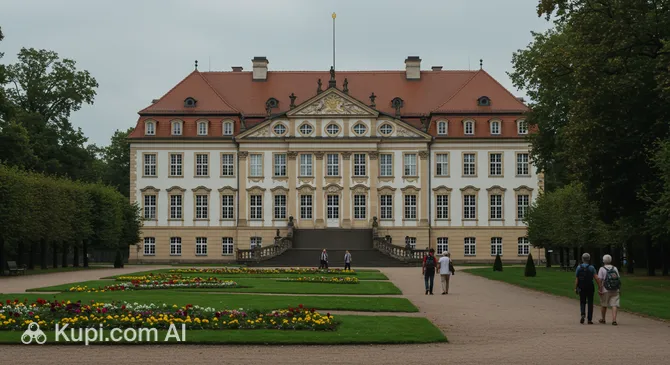
Gohlis Palace (Gohliser Schlösschen) is a charming gem of Rococo architecture located in the namesake district of Leipzig. Its construction began in 1755, commissioned by the wealthy Leipzig city councilor Johann Caspar Richter. Originally intended as a summer residence, the palace was designed to be a place for relaxation and social gatherings, reflecting the refined taste and status of its owner. The building is a striking example of Saxon Rococo, with its elegant forms, delicate decor, and harmonious integration with the surrounding park.
One of the most famous chapters in the history of Gohlis Palace is its close connection with the great German poet Friedrich Schiller. In the summer of 1785, Schiller lived nearby and was a frequent guest at the palace, which at the time belonged to the publisher Georg Joachim Göschen, a friend of the poet. It is believed that here, in the inspiring atmosphere of Gohlis, Schiller worked on some of his famous works, including the drama "Don Carlos" and perhaps even lines of the famous "Ode to Joy." This period left an indelible mark on the cultural memory of Leipzig, turning the palace into a place of pilgrimage for fans of the poet's work.
Over the centuries, Gohlis Palace has changed hands several times and survived various periods, but it has always maintained its cultural significance. After the Second World War, the building required serious restoration, which was carried out with great attention to historical details. Today, the palace is an important cultural center in Leipzig. Its halls regularly host classical music concerts, art exhibitions, literary evenings, and other cultural events. There is also a cozy restaurant on-site, allowing visitors to enjoy the atmosphere of a bygone era.
The magnificent Baroque garden adds a special charm to Gohlis Palace, inviting visitors for leisurely strolls. The palace's interior, with its restored frescoes and historical decor, allows visitors to immerse themselves in the atmosphere of the 18th century. Gohlis Palace is not just a beautiful building; it is a witness to history, a meeting place for the muses, and an important cultural venue in Germany, carefully preserving memories of the past while continuing to play an active role in the cultural life of modern Leipzig.