Support

Topography of Terror

About

Topography of Terror (Topographie des Terrors) is one of the most significant and visited memorial complexes in Berlin, Germany. This documentation center and open-air museum is located on the site where, from 1933 to 1945, the central organs of the Nazi apparatus of repression were situated: the headquarters of the Gestapo (Secret State Police), the SS, and the Reich Security Main Office. It was here that crimes committed across Europe were planned and coordinated.

The main goal of the museum is to clearly and documentarily tell the story of the rise and actions of the National Socialist regime. The permanent exhibition, housed in a building specifically constructed in 2010, covers more than 800 square meters. Through numerous photographs, documents, and multimedia materials, the exhibition details the structure of the institutions of terror and focuses not so much on the victims, but on the perpetrators and the management technologies based on fear.
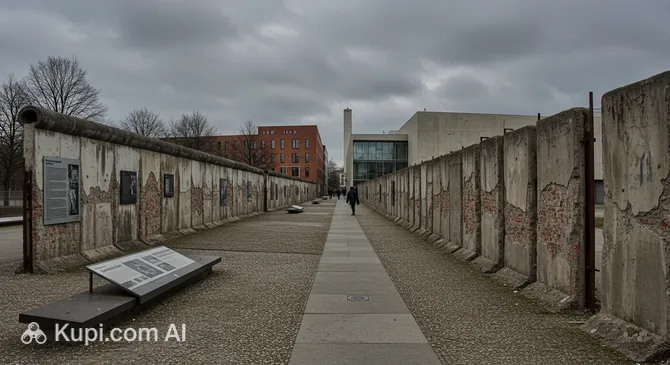
Topography of Terror. Illustration.
Source: Kupi.com AI

Traveler photos:

In addition to the main indoor exhibition, the complex includes an outdoor section. Here, visitors can walk along the excavated remains of the Gestapo cellars, where the prison was located. The museum grounds are also crossed by the longest segment of the Berlin Wall remaining in the city center, which is a historical monument in its own right. Every year, more than a million people visit the Topography of Terror, making it an essential site for reflecting on the tragic pages of 20th-century history. Entry to the center is free.

Contacts

To clarify details about current exhibitions, opening hours, or to book group tours, it is recommended to contact the museum's information center. All the latest information can also be found on the official Topography of Terror website.

How to contactContact
AddressNiederkirchnerstraße 8, 10963 Berlin, Germany
Phone number+49 30 25450950
Websitewww.topographie.de

What to Do

Visiting the Topography of Terror is a deep dive into 20th-century history. The primary activity for visitors is exploring the permanent exhibition "Topography of Terror: Gestapo, SS and Reich Security Main Office." It details the structure and crimes of Nazi punitive agencies across Europe using photographs, documents, and multimedia installations. The exhibition is divided into five key thematic chapters, including the National Socialists' rise to power, the activities of the SS and police, terror within Germany and occupied countries, and the post-war period. This visual narrative helps to understand how the system of terror was organized.

Beyond the main indoor exhibition, a significant part of the experience involves exploring the open-air grounds. Here, visitors can follow a route of 15 information stations laid out directly on the historical site. You will see the excavated remains of the Gestapo headquarters cellars, which housed a prison for political prisoners. Of particular importance is the fragment of the Berlin Wall preserved on this site—the longest remaining in central Berlin—which is a significant historical monument itself.

The second permanent open-air exhibition, "Berlin 1933–1945: Between Propaganda and Terror," focuses on the city's role during the Nazi regime and the consequences for its residents. Additionally, the Topography of Terror regularly hosts temporary thematic exhibitions, lectures, seminars, and educational programs that deepen the understanding of various aspects of National Socialist history. Visitors can review archival documents, eyewitness accounts, and even see part of an original barracks from the former Schöneweide labor camp, making the visit even more informative.

Getting There

Thanks to its central location in Berlin, reaching the Topography of Terror memorial complex is very convenient. The easiest and fastest way is to use public transport. Several key stations are located near the museum: Potsdamer Platz and Kochstraße, which are served by U-Bahn (metro) and S-Bahn (city train) lines. The Anhalter Bahnhof S-Bahn station is also nearby. Additionally, the complex can be reached by buses with stops within walking distance.

The museum is close to other iconic sites such as Checkpoint Charlie and Potsdamer Platz, so it can easily be included in a walking tour of the city's main attractions. If you plan to arrive by car, please note that parking space in the immediate vicinity is limited and there is no parking on the complex's grounds. Therefore, the organizers recommend prioritizing public transport for a more comfortable visit.

Nearest city: Berlin

History & Facts

The historical significance of the site where the Topography of Terror stands today is immense and tragic. From 1933 to 1945, right here in the heart of Berlin, was the nerve center of Nazi Germany's repressive apparatus. This territory housed the key institutions responsible for terror across Europe: the Gestapo headquarters (Secret State Police), the high command of the SS, the Security Service (SD), and later, the Reich Security Main Office. It was a place where the persecutions and mass crimes of the regime were planned and coordinated.

The Gestapo prison, located directly in the building cellars, played a special role in this complex. Thousands of opponents of the Nazi regime were held here, subjected to brutal interrogations and torture. For many, these basements were the last stop before being sent to concentration camps and certain death. After the war ended, most of the buildings were destroyed during the fighting, and their ruins were later demolished. For decades, the site was practically forgotten and even used as a driving track.

The idea of creating a memorial began to materialize only in the 1980s. In 1987, for Berlin's 750th anniversary, the first temporary exhibition was opened on the excavated foundations of the Gestapo cellars, sparking huge public interest. This served as the impetus for a permanent memorial, and in 2010, the modern documentation center opened. Notably, it was through the efforts of the future museum staff that the section of the Berlin Wall adjacent to the site was preserved; today it remains an important historical monument and an integral part of the open-air exhibition.

Time Needed

To fully explore the Topography of Terror memorial complex in Berlin, it is recommended to set aside 1.5 to 3 hours. This time is usually enough to leisurely view the permanent exhibition inside the building, see the temporary exhibits, and walk through the historical open-air grounds. This time buffer will allow you to thoughtfully study the presented documents and photographs and comprehend the scale of the events the museum describes.

If you are short on time, you can manage in an hour and a half by focusing on the main exhibition in the main pavilion. However, to fully immerse yourself in the atmosphere of this site, study the outdoor information panels, see the excavated Gestapo cellars, and the preserved section of the Berlin Wall, it is better to plan a visit of about three hours. This will also allow you to pay attention to details and perhaps visit one of the temporary exhibitions that often complement the main theme of 20th-century Germany's history.

Working Hours

The Topography of Terror Documentation Center and its adjacent open-air exhibition are open to visitors daily from 10:00 to 20:00. This allows for flexible visit planning at your convenience. The museum is open year-round, but it is closed on public holidays: December 24, 31, and January 1. Outdoor exhibitions are available until dark, but no later than 20:00.

Entry to the grounds and all exhibitions is free, so no advance ticket booking is required for individual visits. If you plan to visit as part of a large group or wish to book a special tour, it is recommended to check details on the memorial's official website in advance. Free tours in German and English are also held on weekends, with no prior registration required.

10:00 – 20:00

Nearby

Visiting the Topography of Terror is a deep emotional experience, and a walk through the surrounding area can be a logical continuation of exploring Berlin's history. The district where the memorial is located is a living witness to different eras. Exploring the nearby attractions will allow you to see how the tragic pages of the past intertwine with the modern life of Germany's capital.

Many iconic sites are just a few minutes' walk away. This provides a great opportunity to create a rich walking route, complementing the serious reflections after the museum visit with new impressions—from architectural monuments to lively urban spaces. Below is a list of interesting places located nearby.

NameDistance
Berlin Story Bunker0.5 km
Mall of Berlin0.5 km
Grand Hyatt0.8 km
Jewish Museum Berlin0.9 km
BRLO Brwhouse1 km
German Museum of Technology1 km
Brandenburg Gate1.1 km

Have you reached the end of the page?

So the route has been studied inside and out