Support

Tränenpalast

About

The Tränenpalast, which translates from German as the "Palace of Tears", is an iconic historic building located in the heart of Berlin, the capital of Germany. This former border terminal at Friedrichstraße, next to the railway station of the same name, played a key role during the period when the city was divided by the Wall. It was here that the moving and often tragic farewells between residents of East and West Berlin took place.
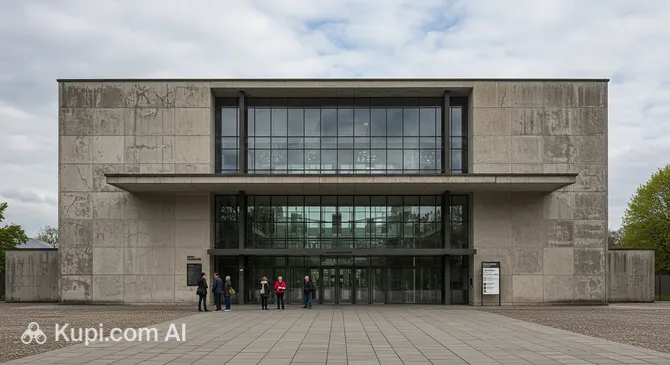
Tränenpalast. Illustration.
Source: Kupi.com AI

Traveler photos:

Built in 1962, the Tränenpalast served as a hall for passport control and customs procedures for those crossing the border between East and West Berlin. Its 1960s-style architecture, with an abundance of glass and steel, was intended to symbolize a certain openness; however, for many, this place became, above all, a symbol of separation and strict state checks.

Today, the Tränenpalast has been converted into a museum and is an important historical monument. The museum's exhibition fascinatingly tells the story of everyday life in divided Berlin, the complexities of crossing the border, and the personal stories of people whose lives were inextricably linked to this place. A visit to the "Palace of Tears" allows for a deeper understanding of the city's recent past and the atmosphere of that difficult era, making it a significant stop for history-minded tourists.

Contacts

To plan your visit to the Tränenpalast museum, you can find it at Reichstagufer 17, 10117 Berlin, Germany. For the most up-to-date information on opening hours, current exhibitions, and potential schedule changes, it is recommended to contact the museum administration directly or visit the official website.

How to contactContact
AddressReichstagufer 17, 10117 Berlin, Germany
Phone number+49 30 467777911
Websitewww.hdg.de

What to Do

Visitors to the Tränenpalast can immerse themselves in the past through an impressive permanent exhibition. It tells in detail about the fates of people who crossed the border between East and West Berlin here during the years of Germany's division. The halls feature authentic documents, moving photographs and video footage, personal belongings, and poignant memories from witnesses of those events. Special attention is paid to the emotional aspect — those heavy moments of farewell that gave this place its soul-stirring name.

For a deeper understanding of the history and personal stories associated with the Tränenpalast, guests are offered multimedia guided tours and interactive exhibits that make the visit particularly engaging. You can also join thematic guided tours that reveal various aspects of life in the divided city. For international tourists, audio guides are available in several languages, allowing every visitor to fully explore the materials on display.

In addition to the main exhibition, the Tränenpalast regularly hosts temporary exhibitions dedicated to various facets of German and Berlin history. Lectures and educational events are also organized here, which will be of interest to those who want to deepen their knowledge of the city's and country's past. This makes the "Palace of Tears" not just a museum, but a living center for the study and reflection of history.

Getting There

Getting to the Tränenpalast is very convenient, as it is located in the heart of Berlin, in immediate proximity to a major transport hub — Friedrichstraße station. This makes it easily accessible from almost anywhere in the city.

The easiest and most recommended way is to use Berlin's well-developed public transport system. Friedrichstraße station is served by subway (U-Bahn), city rail (S-Bahn), as well as numerous tram and bus routes. By choosing the appropriate mode of transport, you can easily reach Friedrichstraße station, from which the museum entrance is just a few minutes' pleasant walk away.

If you prefer to travel by car, keep in mind that despite the availability of paid parking nearby, finding a free spot in central Berlin can be difficult, especially during peak hours. Given the central location of the Tränenpalast and potential traffic congestion, public transport often proves to be a faster and more convenient option. Additionally, thanks to its location, the museum is easy to include in a walking tour itinerary of the city's historic center.

Nearest city: Berlin

History & Facts

Tränenpalast was built in 1962, shortly after the construction of the Berlin Wall, and its creation was directly linked to the city's division. The main purpose of this pavilion at Friedrichstraße station was the strict control of passenger flow between East and West Berlin. For many residents of the GDR, this place became one of the few points where they could see off relatives and friends leaving for the West, which gave rise to its poignant popular name — the "Palace of Tears".

From its opening until the fall of the Wall in November 1989, the Tränenpalast functioned as a key border crossing. Passport and customs controls were carried out here for those crossing the border. However, behind the official procedures lay deep human dramas: it was in this hall that countless scenes of farewell took place, full of tears and uncertainty, forever cementing the building's notorious name.

Drastic changes for the Tränenpalast came with the fall of the Berlin Wall. The building instantly lost its original somber function. Throughout the 1990s, the former border terminal sought a new purpose, periodically being used for various cultural events and exhibitions. This transitional phase ended in 2011 when a museum was officially opened within its walls, dedicated to the history of the divided city and the human lives connected to this place.

Today, the museum in the Tränenpalast is an important memorial site and a branch of the "Haus der Geschichte der Bundesrepublik Deutschland" Foundation. Its permanent exhibition is titled "Border Experiences. Everyday Life in Divided Germany" and tells the detailed history of this unique site, the border crossing procedures, and, most importantly, the personal stories of people whose fates were inextricably linked to the "Palace of Tears" during the division of Berlin.

Time Needed

To fully explore the Tränenpalast museum, most visitors will need approximately 1–1.5 hours. This time is generally sufficient to carefully examine the permanent exhibition, which tells the story of divided Berlin and the operation of the border crossing. You will have time to look through the documents, photographs, and personal belongings on display, and watch the multimedia installations that help you dive deeper into the atmosphere of that time.

Within an hour and a half, you can walk through the main thematic halls, feel the atmosphere of this historic site, and understand why it earned the name "Palace of Tears". If you wish to study specific aspects of the exhibition in more detail, use an audio guide, or visit the temporary exhibitions occasionally held at the museum, it is worth setting aside a bit more time, perhaps up to 2 hours.

Overall, the Tränenpalast is a compact but very information-rich museum. A visit will not take up the entire day but will leave a deep impression and provide food for thought about the recent history of Berlin and Germany.

Working Hours

The Tränenpalast museum in Berlin is usually open to visitors daily, except Mondays. Standard opening hours are from 9:00 to 19:00. This allows guests to plan their visit at a convenient time during the day.

It is important to remember that the museum's schedule may change on public holidays. Therefore, to avoid any misunderstandings and ensure that the Tränenpalast is open on the day of your planned visit, it is highly recommended to check the most up-to-date information regarding opening hours, as well as the need for advance ticket booking, on the official museum website. Generally, the museum is open year-round, but it is also better to check for seasonal changes in advance.

DayOpening hours
MondayClosed
Tuesday9:00 – 18:00
Wednesday9:00 – 18:00
Thursday9:00 – 18:00
Friday9:00 – 18:00
Saturday10:00 – 18:00
Sunday10:00 – 18:00

Nearby

A visit to the Tränenpalast is an immersion into an important period of Berlin's history. However, to make your experience even richer and more complete, it is worth paying attention to the attractions located nearby. Exploring the surroundings will allow you to better understand the context of this unique place and see how the past intertwines with the present in Germany's dynamic capital.

Thanks to the central location of the "Palace of Tears", many of Berlin's iconic landmarks are within walking distance or easily reachable by public transport. This provides an excellent opportunity to create an interesting and diverse full-day itinerary, complementing the impressions of the Tränenpalast with visits to other remarkable sites.

NameDistance
Grand Bar0.5 km
Brandenburg Gate0.8 km
Mall of Berlin1.2 km
Berlin TV Tower1.5 km
Berlin Wall Memorial1.6 km
Topography of Terror1.6 km
Grand Hyatt1.7 km

Have you reached the end of the page?

So the route has been studied inside and out