Support

Ulm

About

Ulm is a charming city where the majestic Danube meets rich history and dynamic modernity. It is nestled in the southwest of Germany, in the state of Baden-Württemberg, right on the border with Bavaria, stretching across both banks of the river. This location gives Ulm a special charm, making it a crossroads of cultures and traditions.

With a population of about 127,000, Ulm is not just a picturesque town, but a significant scientific and university center. A special atmosphere reigns here, woven from student energy, scientific research, and a creative spirit, attracting travelers seeking soulful corners rather than noisy metropolises.
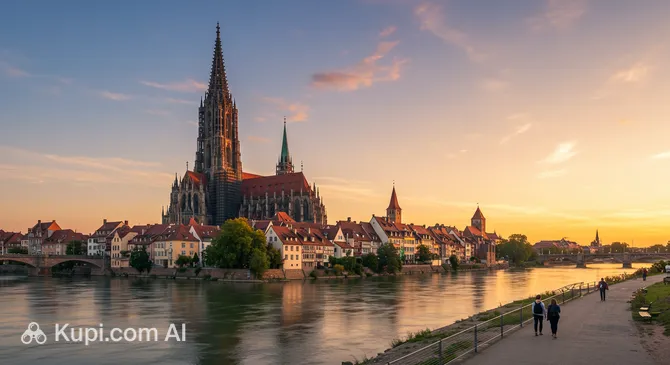
Ulm. Illustration.
Source: Kupi.com AI

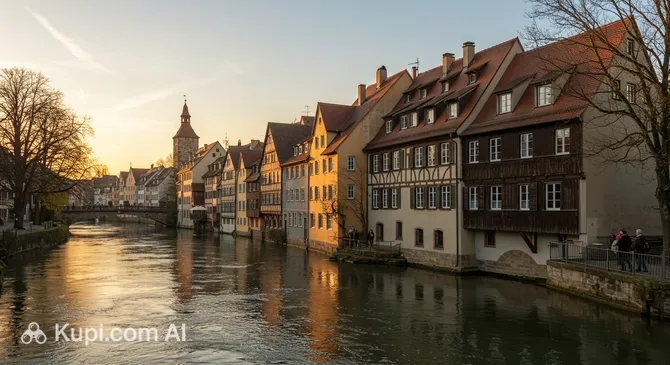
The city is famous for its unique blend of antiquity and innovation. One of the main jewels of Ulm is the famous Ulm Minster (Ulmer Münster), home to the tallest church spire in the world, the ascent of which offers unforgettable views. Equally alluring is the historic Fishermen's Quarter (Fischerviertel) with its picturesque half-timbered houses, narrow streets, and canals, creating a unique fairytale atmosphere. Strolls along the banks of the Danube and through green parks will complete your impressions of the city.

Ulm is a place that doesn't strive to impress at first sight but gradually enchants with its warmth, comfort, and unique character. If you are looking for a city where you can feel the true spirit of old Europe, enjoy tranquility, and touch modern achievements at the same time, Ulm certainly deserves your attention and will be a wonderful discovery on your journey.

You can find more interesting facts on the history of Ulm page.
Weather Overview

The weather in Ulm is characterized by a temperate climate with clearly defined seasons. Summer, especially in July and August, is usually warm, with average temperatures around 18.7°C and maximum values reaching 23-24°C. Precipitation is possible during these months, averaging 3-4 mm and about 14-15 rainy days. Winters in Ulm are cold; the average temperature in January is about 1.1°C, with night frosts down to -1.5°C. December and January are also months with a moderate amount of precipitation (about 3 mm) and the highest number of days with precipitation (up to 17 days in December).

Spring and autumn are transition seasons. In April, the average temperature rises to 8.7°C, and in October it drops to 10.8°C. Precipitation during these periods is generally low, except for May, which sees about 4 mm. Overall, expect a warm summer with occasional rain and cool, damp winters. For a more detailed forecast and monthly information, you can visit the Ulm Climate page.

Average monthly temperature

Average monthly precipitation

Interesting Facts

In addition to its world-famous landmarks, Ulm hides many amazing stories and little-known details. Are you ready to discover some of them?

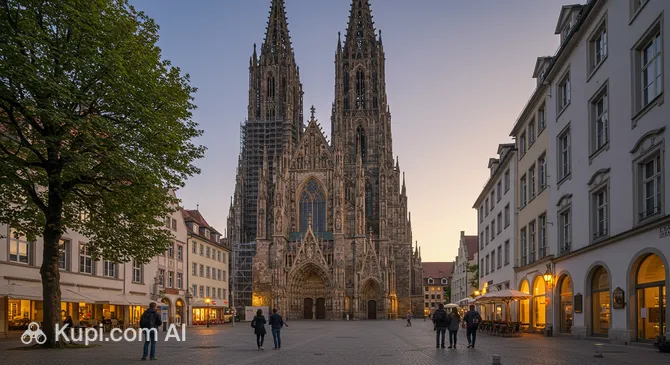
Ulm Minster. Illustration.
Source: Kupi.com AI

Traveler photos:

  • In the picturesque Fishermen's Quarter (Fischerviertel) of Ulm, you'll find the Schiefes Haus (Crooked House) – a building that entered the Guinness World Records as the most tilted hotel in the world. Its angle of inclination is truly impressive!

  • Ulm is home to the unique Museum of Bread and Art – Forum of World Nutrition, which tells the 6000-year history of breadmaking, demonstrating the importance of this product for humanity.

  • Not far from Ulm, in the former Wiblingen Abbey, lies one of Germany's most beautiful libraries, designed in the Rococo style. Its interiors are stunning in their splendor and detail.

  • The famous Ulm Minster not only has the tallest church spire in the world (161.6 meters) but was also something of a long-term construction project: its building began in the 14th century and was only completed in 1890. To reach the viewing platform, you'll have to climb 768 steps!

How to Get There

Ulm is conveniently located at the intersection of important transport routes in southern Germany, making it easily accessible for travelers. Although the city does not have its own airport, a well-developed network of railways and roads allows you to get here quickly from neighboring metropolises. You can learn more about how to get to Ulm on the dedicated page of our guide.

There is no airport in Ulm itself, but you can fly to Stuttgart Airport (STR) in Stuttgart, which is about 67 km from Ulm. This is the nearest major international hub. A taxi or transfer will take about 1 hour. Another convenient option is Memmingen Allgäu Airport (FMM), located in Memmingen, just 50 km from Ulm. This airport often hosts flights from low-cost airlines, and the journey from there takes about 45–50 minutes.

For those who prefer a wide choice of international flights, the Franz Josef Strauss Airport (MUC) in Munich is an excellent solution. It is located about 133 km from Ulm. Travel time by car is about 1 hour 30 minutes, and there is also a convenient rail connection.

For clarity, here is summary information on the main airports:

AirportPassenger trafficDistance
Memmingen Allgäu Airport3.2 mln50 km
Stuttgart Airport9.1 mln67 km
Friedrichshafen Airport339 55689 km
Altenrhein Airport84 100107 km
Franz Josef Strauss Airport39.8 mln133 km

Rail travel is one of the most popular ways to travel around Germany. Tourists often arrive at major hub stations in neighboring cities to then change to a direct train to Ulm. One of the key stations is Munich Central Station (ZMU) in Munich, located about 120 km from Ulm. High-speed ICE trains regularly depart from here, bringing passengers to Ulm in less than an hour and a half.

Another important transport hub is Stuttgart Central Station (ZWS), located in Stuttgart, about 73 km from Ulm. Thanks to the high-speed line, the train journey between these cities takes very little time. If you decide to go by taxi or bus from the Stuttgart station, the journey will take about 1 hour 15 minutes.

Information on the nearest major railway stations is presented below:

StationPassenger trafficDistance
Augsburg Hauptbahnhof18.3 mln67 km
Stuttgart Hauptbahnhof80.3 mln73 km
Munich Hauptbahnhof164.3 mln120 km
Bruchsal6.4 mln133 km
Karlsruhe Hauptbahnhof21.9 mln134 km

Main Attractions

Ulm, a charming city on the banks of the Danube, offers its guests many interesting places that combine rich history and modern culture. Everyone will find something for themselves here, from majestic cathedrals to cozy historical quarters and unique museums.

The main jewel of the city is undoubtedly the Ulm Minster (Ulmer Münster). It is not just a church, but a true Gothic masterpiece, famous for the world's tallest church tower (161.53 meters). By climbing to the top, you will be rewarded with a breathtaking panoramic view of the city and its surroundings; on a clear day, you can even see the Alps. Inside the cathedral, the intricate stained glass windows, carved wooden choir stalls, and the majestic organ are truly impressive.

Ulm Minster. Illustration.
Source: Kupi.com AI

Traveler photos:

Be sure to take a stroll through the Fishermen's Quarter (Fischerviertel). This picturesque area with its half-timbered houses, narrow streets, and canals of the Blau River will transport you to the atmosphere of medieval Ulm. It's pleasant to wander around here, admire the ancient architecture, and look into local restaurants and souvenir shops. The "Crooked House" (Schiefes Haus) – a unique building with a noticeable tilt – deserves special attention.

Fishermen's Quarter. Illustration.
Source: Kupi.com AI

Traveler photos:

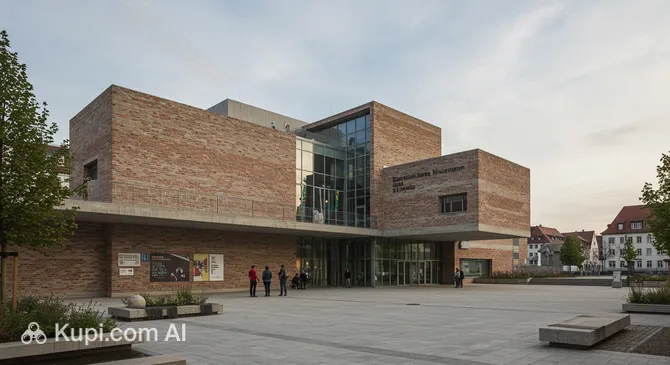
For those interested in unusual exhibitions, it is worth visiting the Museum of Bread and Art – Forum of World Nutrition. This unique institution is dedicated to the history of bread as a staple food for humanity over thousands of years, as well as art related to this theme. The exhibition covers a wide range of topics – from grain cultivation to modern global food issues.

Museum of Bread and Art – Forum World Food. Illustration.
Source: Kupi.com AI

Traveler photos:

Another significant historical landmark is the Wilhelmsburg Fortress (Wilhelmsburg). This is one of the largest 19th-century fortresses in Germany and was part of the Federal Fortress of Ulm. Today, it attracts tourists with its monumental architecture and the opportunity to learn more about the history of fortification. The fortress grounds also offer beautiful views.

Local Cuisine

The cuisine of Ulm is a vivid reflection of Swabian traditions, offering guests simple but incredibly hearty and warming food. The basis of the local table consists of dishes prepared with love and according to ancient recipes. Be sure to try spätzle – tender homemade egg noodles, often served with cheese and fried onions or as a side dish to meat. Another gastronomic hallmark of the region is maultaschen, large Swabian "dumplings" with various fillings, from meat to vegetable, which are good both in broth and fried until golden brown.

Among other iconic dishes, leberknödel – hearty liver dumplings often added to rich soups – are worth noting. Ulm is also famous for its pastries. In the markets and numerous bakeries, you will find the freshest bread, aromatic traditional gingerbread, and rolls. It's no wonder that the unique Museum of Bread and Art – Forum of World Nutrition, dedicated to the history and culture of this essential product, is located here. For those with a sweet tooth, the local cuisine offers delicious apple strudels and pies with seasonal berries.

Museum of Bread and Art – Forum World Food. Illustration.
Source: Kupi.com AI

Traveler photos:

Speaking of drinks, one cannot fail to mention the local beers. Ulm has a long brewing tradition, and lovers of the frothy drink will find many worthy options here. In the warmer months, beer gardens (Biergärten) are especially popular, where you can enjoy fresh beer and traditional snacks outdoors. Besides beer, a variety of non-alcoholic drinks are offered, including local juices and lemonades.

The food culture in Ulm is diverse. Locals and tourists alike enjoy visiting both traditional restaurants offering Swabian specialties and cozy cafes. Fresh produce and local delicacies can always be bought at the city markets. Street food is also present, especially during numerous city festivals and fairs, which often have a gastronomic focus and gather foodies from all over. These events are a great opportunity to get acquainted with the culinary diversity of the region.

Travel Tips

Welcome to Ulm! To ensure your journey through this charming city on the Danube is as comfortable as possible and leaves only pleasant impressions, we have prepared some practical tips. They will help you better navigate and enjoy every moment of your stay.

  1. Clothing and Essentials: The climate in Ulm is temperate continental. In summer, bring light clothing, but don't forget a sweater or a light jacket for the evenings. In winter, warm clothing will be needed, including a hat, gloves, and a scarf. Layering works best for the transition seasons (spring and autumn). Be sure to bring comfortable shoes, as the city is a pleasure to explore on foot. Don't forget an adapter for electrical appliances (Germany uses Type F sockets). When visiting the Ulm Minster (Münster) and other religious sites, choose modest clothing that covers shoulders and knees.
  2. Transport in the City: Ulm has a well-developed public transport system, including buses and trams (the DING network). This is a convenient and efficient way to get around. The historic city center is quite compact and easily explored on foot. Taxis are available, and you can also use apps to call them. Renting a car can be useful if you plan trips to the surroundings, but it is not a necessity for moving around Ulm itself.
  3. Finances: The official currency in Germany is the Euro (EUR). You can exchange currency at banks or exchange offices. Credit and debit cards (Visa, Mastercard) are widely accepted in most shops, restaurants, and hotels. However, it is recommended to always have some cash on hand for small purchases or at markets. ATMs (Geldautomat) are easy to find throughout the city. Tips in restaurants are usually 5-10% of the bill if you liked the service; it is also customary to round up the amount in taxis.
  4. Health and Safety: Pharmacies (Apotheke) are easy to find, marked by a large red "A" sign or a green cross. Check the opening hours, as not all are open 24/7 (there are duty pharmacies). If medical assistance is needed, tourists should contact hospitals (Krankenhaus) or doctors (Arzt). The emergency number is 112. Ulm is considered a very safe city. Standard precautions, such as watching your personal belongings in crowded places, will help avoid trouble.
  5. Communication: The official language is German. Many residents of Ulm, especially young people and service industry workers, speak English well. Knowing a few basic phrases in German, such as "Guten Tag" (Good day), "Danke" (Thank you), and "Bitte" (Please), will be appreciated by the locals. SIM cards from local operators can be purchased in mobile phone stores or supermarkets. Free Wi-Fi is available in many hotels, cafes, and some public areas.
  6. Local Etiquette: Greetings are usually accompanied by a handshake, especially when meeting someone. Germans value punctuality. In public places, try not to be noisy. When addressing strangers or older people, it is customary to use the polite form "Sie" (You) until you are invited to switch to "du" (the informal you).
  7. What to Avoid: Try not to cross the road in unauthorized places (jaywalking) – it is frowned upon and can result in a fine. Also, avoid excessively loud behavior in public places and transport, especially in the evening and at night. Any display of Nazi symbols or gestures is strictly prohibited – this is a serious offense in Germany.
  8. Additional Tip: Be sure to climb the tower of the Ulm Minster – it is the highest church tower in the world! The views from there are stunning. Also, take note of the Fishermen's Quarter (Fischerviertel) with its picturesque half-timbered houses and canals – a great place for walks and photos. Shops in Ulm, as in all of Germany, are usually closed on Sundays, so plan your shopping in advance.

We hope these tips make your trip to Ulm even more pleasant and rewarding. Enjoy the beauty and hospitality of this wonderful German city!

Entertainment & Nightlife

Ulm, a charming city on the Danube, offers its guests not only rich history and impressive architecture but also a rather lively nightlife, especially on weekends. As darkness falls, the city transforms, opening up many opportunities for those seeking entertainment until dawn.

The main concentration of evening and night venues is in the city center, as well as in the picturesque Fishermen's Quarter (Fischerviertel). Here, ancient half-timbered houses sit alongside cozy bars and restaurants, creating a unique atmosphere. A walk through these streets in the evening is a pleasure in itself, and numerous establishments invite you to drop in.

In Ulm, you will find a variety of places for evening relaxation: from traditional German pubs (Kneipen), where you can have a glass or two of local beer in a relaxed setting, to stylish cocktail bars with signature drinks and trendy nightclubs with modern DJ sets. Many restaurants also stay open late, offering both local Swabian cuisine and international dishes.

Among the specific places where you can spend a good evening, it is worth noting the bar Elinaki Mezedopolion, known for its pleasant atmosphere and selection of drinks. If you're in the mood for dancing and fun until morning, the Mauritius Ulm nightclub could be an excellent choice for a vibrant party. For those who get hungry after night walks or before heading to the club, the restaurant Del Tufo – Genuine Neapolitan Pizza offers delicious dishes.

Mauritius Ulm. Illustration.
Source: Kupi.com AI

Traveler photos:

The atmosphere in Ulm's night establishments is generally informal and friendly. The crowd is mixed: from local university students to tourists and city residents of all ages. Bars usually start filling up closer to 9:00 PM–10:00 PM, while clubs come alive after 11:00 PM and stay open until the early morning, especially on Fridays and Saturdays. The dress code in most places is casual or smart casual, although some clubs may have stricter rules at the entrance.

As for practical advice, average prices for drinks in Ulm's bars and clubs are comparable to other cities in Germany. In the evening and at night, it is most convenient to get around the city on foot if you are in the center, or by taxi. Taxi services are available and can be called by phone or found at special stands. Check in advance for the availability of night bus routes if you plan to use public transport late in the evening.

Ulm is considered a fairly safe city for night walks, especially in the central and busy areas. Nevertheless, it is always worth following standard precautions: keep an eye on your belongings and avoid poorly lit and deserted places. You can call a taxi via popular apps or by calling local taxi companies.

During the day, Ulm offers many other interesting activities. Be sure to visit the majestic Ulm Minster, stop by the Museum of Bread and Art – Forum of World Nutrition, or take a walk through the beautiful Botanical Garden of the University of Ulm. This way, your holiday in Ulm will be rich and varied at any time of the day.

Parks & Museums

Ulm offers its guests not only a rich history but also wonderful opportunities for outdoor recreation and exploring cultural heritage. The city harmoniously combines well-kept green areas with interesting museums and historical landmarks that can fascinate any traveler.

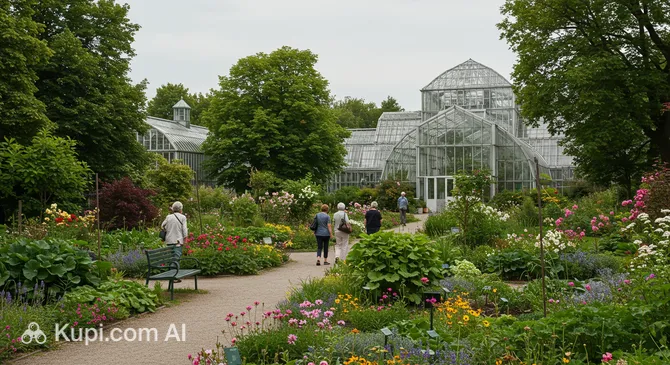
Among Ulm's green oases, the Botanical Garden of the University of Ulm stands out. It is a beautiful place for leisurely strolls, where you can get acquainted with diverse flora from around the world, including themed gardens and greenhouses. The garden will be of interest to both botany enthusiasts and those simply looking for a quiet place to escape the city bustle.

Botanical Garden of the University of Ulm. Illustration.
Source: Kupi.com AI

Traveler photos:

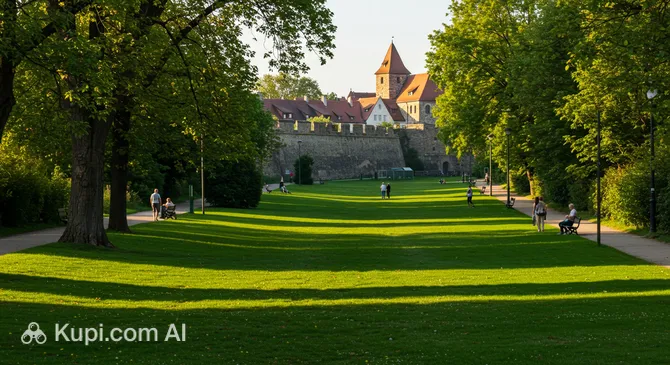
Another popular spot for outdoor relaxation is Glacis Park. Located near the city center, this spacious park offers well-kept alleys, wide lawns for picnics, and playgrounds, making it attractive for families with children and anyone wanting to enjoy nature within the city limits.

Glacis Park. Illustration.
Source: Kupi.com AI

Traveler photos:

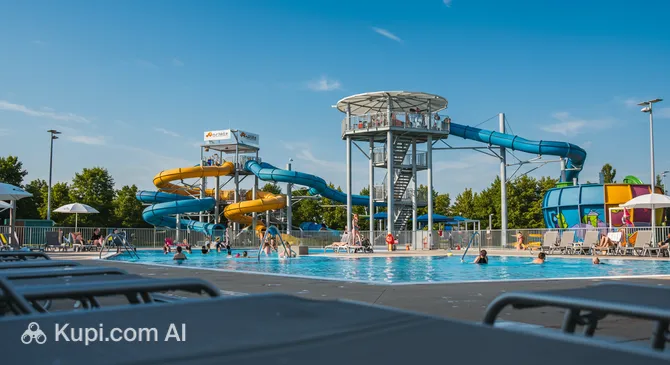
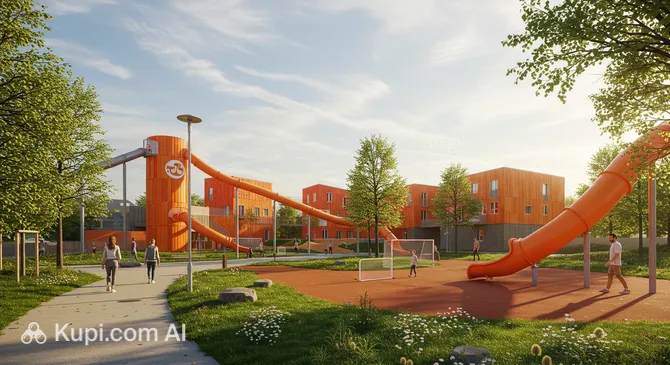
For those who prefer active recreation, the Wiley Sport and Leisure Park is an excellent choice. There are activities for all ages here: from sports fields and a skate park to picnic areas and quiet walks by the water. This is a modern space for relaxation and entertainment, ideal for an active day in nature.

Wiley Sports and Leisure Park. Illustration.
Source: Kupi.com AI

Traveler photos:

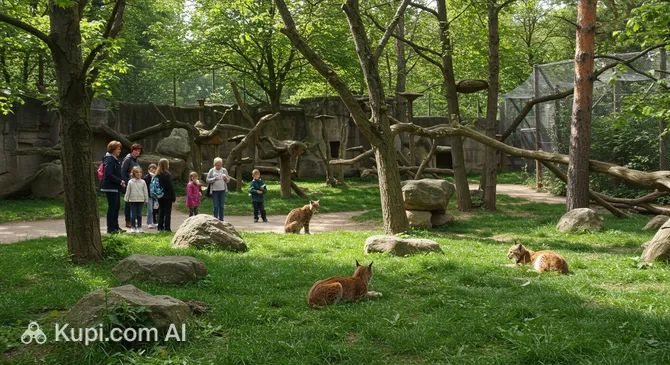
In terms of cultural enrichment, Ulm also offers interesting sites. One of the central ones is the Ulm Museum (Ulmer Museum), which presents an extensive collection of artworks, archaeological finds, and exhibits on the history of the city and the Swabia region. It's a great place for a deep dive into cultural heritage. An unusual experience would be visiting the Museum of Bread and Art – Forum of World Nutrition, dedicated to the history and culture of bread. For family leisure and an introduction to the animal world, the Ulm Zoo is perfect, where you can see various inhabitants in conditions close to their natural habitat and learn many new things about fauna from different parts of the planet.

Ulm Zoo. Illustration.
Source: Kupi.com AI

Traveler photos:

Besides specialized museums and parks, the city of Ulm itself is rich in iconic historical and architectural objects. You should definitely see the picturesque Fishermen's Quarter with its charming half-timbered houses, the majestic Ulm Minster, known for its world-tallest church spire, and the monumental Wilhelmsburg Fortress. These landmarks are an integral part of the city's character and its rich history, and you can find detailed descriptions of them in other sections of our guide.

For an authentic experience, we suggest peaking into the inner courtyards of the old town, where small craft workshops and cozy cafes often hide, not always listed in the main tourist guides. Also, pay attention to the numerous modern sculptures and art objects unexpectedly encountered on the streets and squares of Ulm, which add a special charm to the city and emphasize its dynamic development.

Getting Around

Public transport in Ulm is mainly represented by buses and trams. The route network is well-developed and allows for comfortable travel both around the city center and its outskirts. The transport system is managed by the company SWU (Stadtwerke Ulm/Neu-Ulm), and the city itself is part of the DING (Donau-Iller-Nahverkehrsverbund) transport association, which ensures a unified tariff policy for the region.

Several types of tickets exist for fare payment. You can purchase a single ticket (Einzelfahrschein) if you plan one trip. For more active use of transport, it is more profitable to buy a day ticket (Tagesticket), which is available for both individuals and groups. Weekly (Wochenkarte) and monthly (Monatskarte) passes are also available. The cost of a ticket depends on the number of tariff zones crossed. For most tourist routes within the city, a ticket for the Ulm/Neu-Ulm city zone will suffice. Tickets can be bought at machines at stops (accept coins and cards), from bus drivers (usually only for cash and without change for large bills), at SWU service centers, or via mobile apps such as the DING App or SWU Nahverkehr.

Before starting your journey or immediately after entering the vehicle, make sure your ticket is valid. Tickets bought from a driver or at a machine immediately before the journey are usually already activated. Tickets purchased in advance or multi-trip tickets must be validated in special machines located inside buses and trams. Public transport in Ulm operates from early morning until late evening. On Fridays and Saturdays, as well as before public holidays, night buses often run. Exact schedules can always be found at stops, on the official SWU and DING websites, and in mobile applications.

In addition to public transport, other ways of getting around are available in Ulm. You can always use the services of a taxi, with stands located at key points in the city, or call a car by phone. Carsharing services are also developed in the city. For fans of active recreation and short trips, bike rental is an excellent option – Ulm has a well-developed infrastructure of bike paths, making cycling trips pleasant and safe.

Accommodation

Ulm offers tourists a variety of accommodation options that can satisfy different preferences and budgets. You can find inexpensive hostels and guesthouses, as well as comfortable middle-class hotels and apartments for short-term rent. There are few luxury resorts in the traditional sense in the city; the emphasis is rather on high-quality city hotels.

When choosing a place to stay, pay attention to the central districts of the city. The areas around the famous Ulm Minster and the picturesque Fishermen's Quarter are especially popular. Staying here will ensure you are within walking distance of many attractions, restaurants, and shops. Areas located near the main railway station are also convenient if you plan to travel actively around the region.

Ulm Minster. Illustration.
Source: Kupi.com AI

Traveler photos:

In Ulm, various types of hotels are represented, from family-run inns to modern business hotels. Although specific famous hotels are not listed in the available data, you can easily find options with good reviews on popular booking platforms. In addition to hotels, consider renting apartments – this can be an excellent choice for families or those who prefer more independence and home comfort.

When planning a trip to Ulm, especially during the peak tourist season or during major events, it is recommended to book accommodation in advance. This will allow you to choose the best option in terms of price and quality, as well as avoid a situation where all suitable rooms are already occupied.

The price range for accommodation in Ulm varies from budget options to more expensive offers in high-class hotels. You can book accommodation through popular international online platforms such as Booking.com, Expedia, Airbnb, or directly on hotel websites. Comparing offers on several resources will help you find the most profitable option.

Nearby Cities

For those who want to explore the surrounding area, Ulm serves as an excellent starting point for day trips to several interesting nearby locations:

CityPopulationDistance
Neu-Ulm59 8142 km
Dornstadt8 6868 km
Senden22 62510 km
Nersingen9 46410 km
Langenau15 50115 km

These nearby destinations offer a glimpse into the region's diverse culture and landscapes. Each of these cities offers its own unique attractions and atmosphere, making them a wonderful addition to your trip to Ulm.

Shopping & Souvenirs

Shopping in Ulm offers a pleasant mix of well-known brands, local shops, and a cozy atmosphere. While Ulm may not be a global fashion center, you can find everything you need here and bring home interesting souvenirs. The city isn't particularly famous for unique goods but offers high-quality German products.

Ulm's main shopping arteries are concentrated in the city center, especially on the pedestrian streets around the famous Ulm Minster. Here you will find department stores, clothing boutiques, shoe stores, bookstores, and electronics shops. Strolling through these streets is a pleasure in itself thanks to the beautiful architecture and numerous cafes where you can take a break.

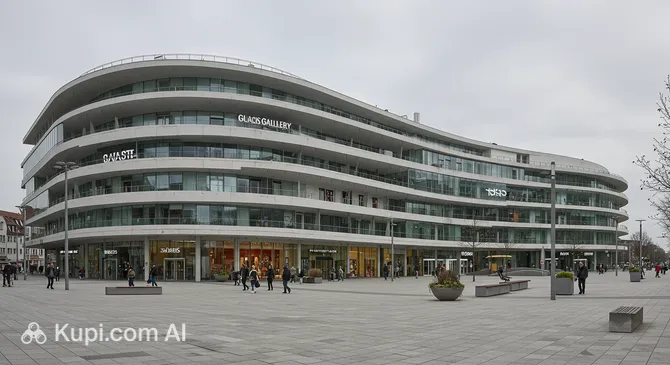
For those who prefer shopping under one roof, there are several shopping centers in Ulm. One of the popular ones is Glacis-Galerie, offering a wide selection of clothing, accessories, and cosmetics stores, as well as a food court. Another large shopping complex is Blautal-Center Ulm, located a bit away from the center but easily accessible by public transport. It also offers a variety of shops and services.

Glacis Gallery. Illustration.
Source: Kupi.com AI

Traveler photos:

Markets regularly take place in Ulm, adding color to the shopping experience. The weekly market on Münsterplatz is particularly well-known, where you can buy fresh local products, flowers, cheeses, sausages, and other delicacies. Sometimes themed fairs and flea markets are also held here, where you can find antiques and unusual items.

Blautal Center Ulm. Illustration.
Source: Kupi.com AI

Traveler photos:

As souvenirs from Ulm, tourists often choose items related to the city's main attraction – the Ulm Minster. These can be miniature copies of the cathedral, postcards, or magnets. Traditional German souvenirs are also popular: beer mugs, local craft items, as well as sweets like marzipan or gingerbread. Don't forget to check out the small souvenir shops in the Old Town, especially in the Fishermen's Quarter.

Store opening hours in Ulm, as in Germany generally, are usually from Monday to Saturday, roughly from 10:00 AM to 7:00 PM or 8:00 PM for large stores and shopping centers. Smaller shops may close earlier and have a lunch break. Most shops are closed on Sundays and public holidays, except for some souvenir shops and stores at railway stations. Payment is accepted in both cash (Euros) and bank cards (Visa and Mastercard are quite common). It is recommended to have some cash with you, especially for purchases at markets or in small shops.

For tourists from non-EU countries, there is an option for VAT refunds (Tax Free). To do this, you need to make a purchase for a certain amount in a store that supports the Tax Free system and complete the documents correctly. Check the details directly in the stores and keep your receipts to present at customs when leaving the EU.

Nearby cities

Reached the end of the page?

That means the route is fully explored