Support

Rabindra Kanan

About

Rabindra Kanan invites you to immerse yourself in an atmosphere of tranquility and natural beauty. It is one of the most charming cultural park complexes that Agartala is proud of. This green oasis, located in the Kunjaban district, serves as a vital reminder of the region's rich heritage and its close ties to the great poet Rabindranath Tagore, after whom the park is named.
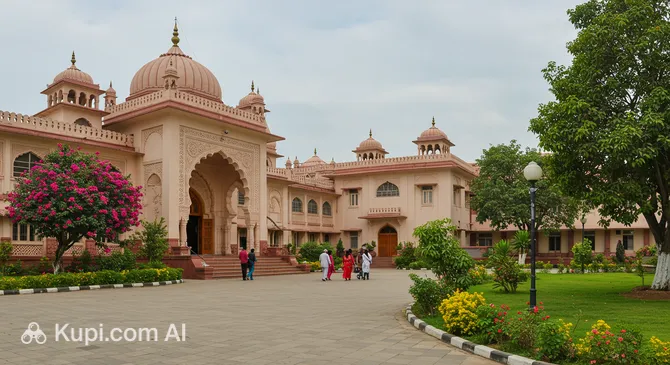
Rabindra Kanan
Rabindra Kanan. Иллюстрация. Источник: Kupi.com AI

This picturesque corner, which acts as the city's "green lungs," stands out among the urban blocks with its lush tropical vegetation and manicured landscapes. In India, park culture holds a special place, and Rabindra Kanan confirms this with its high rating and popularity among both locals and travelers.

Here you will find neat walking paths, shaded alleys, and spacious lawns perfect for relaxation. The park is not just a place for a stroll, but a true cultural symbol reflecting the aesthetics of the Bengali Enlightenment and the hospitable character of the state of Tripura.

Contacts

For your convenience, we have gathered up-to-date contact information to help you quickly find this green corner. We recommend saving this data before your trip to easily navigate once you're there.

How to contactContact
AddressKunjaban, Agartala, Tripura 799006, India

What to Do

In this park, every visitor will find a way to distract themselves from daily worries. Leisurely strolls along the shaded alleys allow you to enjoy the cool air even on a hot day, while numerous benches invite you to sit down with your favorite book. Families with children often choose this spot for active outdoor games or cozy picnics on the well-kept lawns.

Nature enthusiasts should take note of the tropical flora and observe the local birds that find refuge in the tree canopies. Photographers will appreciate the soft light and play of shadows, which create excellent conditions for landscape photography. If you are lucky, you might catch cultural events or local festivals that are sometimes held on the park grounds, highlighting its community significance.

Evening time lends the park a special charm: as the heat subsides, the alleys fill with couples and groups of friends, creating an atmosphere of friendliness and peace. Meditation or sunrise yoga sessions are another popular way to spend time here, soaking up the energy of nature and finding a positive mindset before exploring the capital's other attractions.

Getting There

The attraction is located in the Kunjaban district, practically in the heart of the city, making it easily accessible for most travelers. If you are arriving from Maharaja Bir Bikram Airport, the taxi ride will be approximately 12 kilometers, while it's only about 5–7 kilometers from Agartala Railway Station.

From the central part of the city, such as from the Ujjayanta Palace, a trip by car or a local auto-rickshaw will take no more than 10–15 minutes. You can also use mobile ride-hailing apps like Uber or Ola, which operate in the region and provide comfortable travel at fixed rates.

For those who prefer public transport, city buses and local minivans ("shares") run through this area. Simply check with the driver if the route passes through the Kunjaban stop. Due to the city's compactness, a visit to the park can easily be combined with exploring other central sites as part of a walking tour.

Ближайший город: Agartala

History & Facts

The name of this picturesque spot carries a deep meaning: it is named after Rabindranath Tagore, the great Bengali poet and the first Asian Nobel laureate in literature. This name emphasizes the inseparable cultural link that Agartala has always maintained with its Bengali heritage and the great thinker.

The park's history is closely intertwined with the annals of the city, founded in 1849 by Maharaja Krishna Kishore Manikya. For centuries, the Manikya dynasty patronized art and culture, creating a unique architectural and landscape character for their capital. The park became the embodiment of harmony between wild tropical nature and human creation.

These green zones saw particular development in the 1940s under Maharaja Bir Bikram Manikya, who sought to transform the city into a modern and well-planned center. Today, Rabindra Kanan remains an important symbol of that era, serving as a reminder of the times when the royal family paid great attention to the aesthetics and leisure of their subjects.

Time Needed

Usually, 1 to 2 hours is enough for tourists to leisurely stroll through the main alleys and enjoy the silence. This is quite sufficient to explore the grounds and take memorable photos against the backdrop of lush vegetation.

If you plan to have a family picnic or want to spend more time escaping the city bustle in the shade of the trees, you should set aside 3–4 hours for your visit. The park is conducive to long, contemplative rest, so many visitors prefer to stay until the evening, when the atmosphere becomes especially romantic.

Working Hours

Please note that the park's operating schedule varies depending on the day of the week, and it is completely closed to visitors one day a week. Plan your visit in advance according to the following schedule:

  • Monday: 13:00 – 17:00
  • Tuesday, Wednesday, Thursday: 15:00 – 18:00
  • Friday: Closed
  • Saturday: 15:00 – 19:00
  • Sunday: 12:00 – 17:00
DayWorking hours
Понедельник1:00 – 17:00
Вторник3:00 – 18:00
Среда3:00 – 18:00
Четверг3:00 – 18:00
ПятницаЗакрыто
Суббота3:00 – 19:00
Воскресенье12:00 – 17:00

Nearby

Exploring the park's surroundings will allow you to dive deeper into the atmosphere of Tripura's capital and see the city from different perspectives. There are many interesting locations nearby, from historical gates to modern recreation areas.

NameDistance
Malancha Niwas0.4 km
North Gate1.5 km
TAIPO1.5 km
Dimsagar Lake Park1.5 km
Ujjayanta Palace1.7 km
Tripura State Museum1.7 km
Ujjayanta Palace1.9 km

Reached the end of the page?

That means the route is fully explored