Support

Mughal Garden

About

On the left bank of the Yamuna River lies the magnificent Mehtab Bagh—a unique masterpiece of landscape art covering 6 hectares. Located in the city of Agra, this historical park is a quintessential example of a Mughal garden. India carefully preserves this heritage, which harmoniously blends Persian, Islamic, and Indian architectural traditions.
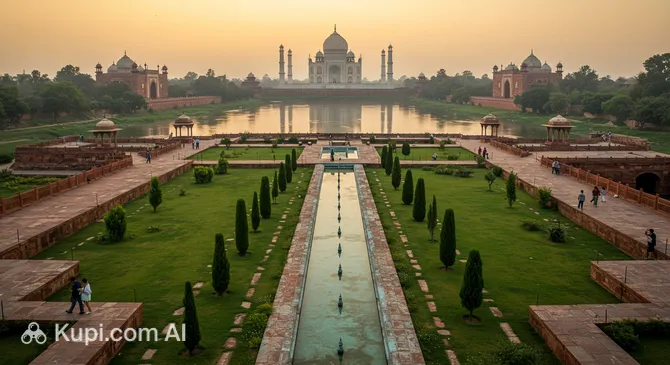
Mehtab Bagh
Mehtab Bagh. Иллюстрация. Источник: Kupi.com AI

The garden is a symbol of the Mughal Empire's grandeur, which transformed the region into one of the world's most prosperous centers. During its peak, the park's layout showcased perfect symmetry and the engineering brilliance of the time. Today, it serves as a living open-air museum, where every element—from ancient irrigation systems to carefully selected plants—tells the story of a rich cultural past.

Every year in the spring, the park is transformed, drawing thousands of travelers with its blossoms and serene atmosphere. It is the perfect place for those who wish to see classical garden art and feel the harmony between man and nature, away from the city's bustle yet in the heart of historical heritage.

Contacts

For those planning a visit to this historic spot, it is helpful to have precise coordinates. Although the garden does not have its own website or direct phone line, it is easy to find on popular mapping services.

How to contactContact
Address52FR+FV6, Дхармапери, Форест Колони, Теджгиндж, Агра, Уттар-Прадеш 282001, Индия

What to Do

Visitors to this historical park can expect to immerse themselves in an atmosphere of tranquility and aesthetic perfection. The main activity here is taking leisurely strolls along well-maintained paths designed with the strict symmetry characteristic of the Mughal style. You can see unique pools and canals that, in the past, not only irrigated the land but also served as mirrors reflecting the sky and surrounding greenery.

Special attention should be paid to the garden's flora: fruit trees provide cooling shade, and many fragrant flowers bloom here. The air is filled with the scent of jasmine and other delicate plants traditionally grown in these gardens to create a paradise-like atmosphere. Botany and landscape design enthusiasts will appreciate the preserved elements of the irrigated flowerbeds and vineyards.

Every day, tens of thousands of people visit the garden, drawn by the opportunity for a meditative walk among ancient ruins and living plants. It is a wonderful place to study the canonical principles of Mughal design, take panoramic photos, or simply sit in silence, admiring how the colors of the landscape change depending on the time of day.

Getting There

Reaching this picturesque spot in the state of Uttar Pradesh is quite simple. The garden is located at: 52FR+FV6, Dharmapuri, Forest Colony, Tajganj. Due to its popularity, the site is marked on all tourist maps, and its exact coordinates—27.1736625°N, 78.0421406°E—will help you find your way.

The most convenient way to get here from the city center is by taxi or a traditional auto-rickshaw. Local buses are also available, though tourists are more often advised to rent a car with a driver for greater comfort. The garden is located relatively close to such grand monuments as the Taj Mahal and the Agra Fort, making it possible to combine them into a single day's visit.

Since the attraction is situated in a residential area, it is best to use GPS navigation or the Google Maps app for precise directions. This will help the driver navigate the maze of city streets more quickly and take you directly to the gates of the park complex.

Ближайший город: Agra

History & Facts

The history of this magnificent site is inextricably linked to the birth of the Great Mughal Empire. It all began in 1526 when Emperor Babur, after his victory at Panipat, decided to bring the aesthetic of Central Asian Persian gardens to the heat of India. He dreamed of quiet oases where one could seek refuge from the heat and dust of the plains, and it was in Agra that the first charbagh—a four-part garden—was established.

The development of garden architecture was continued by his grandson, Akbar the Great. It was under his reign that a unique style emerged: the emperor preferred to lay out parks along riverbanks rather than behind fortress walls. This decision gave the city a unique landscape appearance. Under Akbar's leadership, new architectural masterpieces appeared in Agra, including the famous "moonlight garden" directly across from the future Taj Mahal.

A major milestone was the conquest of Kashmir in 1585, which introduced new plant species and complex irrigation techniques to imperial gardening. As a result, Mehtab Bagh became more than just a place for rest; it became a sophisticated engineering and botanical achievement, showcasing the grandeur and wealth of the Mughal dynasty for centuries.

Time Needed

To leisurely stroll through the entire grounds and soak in the atmosphere of the Mughal era, a typical visitor will need about 1.5–2 hours. This is plenty of time to explore the symmetrical layout, examine the irrigation system, and take impressive photos against the backdrop of the river.

If you plan on doing artistic photography or enjoying a meditative break in the shade of the trees, you should budget a bit more time for your visit. Given the park's size of 6 hectares, a brief walk can easily turn into a full exploration of its far corners and botanical features.

Working Hours

You can visit this historical oasis daily; the garden is open to guests from 10:30 AM to 5:30 PM. However, there is an important planning detail to keep in mind: the garden is closed to the general public on Mondays. This day is traditionally reserved for technical maintenance and meticulous plant care to ensure the park maintains its flawless appearance.

The site becomes especially picturesque during the spring, when the garden officially opens its peak blooming season. Before visiting, it is recommended to check the current schedule on official tourism resources, as opening hours may vary slightly depending on the season or holidays.

Nearby

Exploring the surroundings of the garden allows tourists to see Agra from different perspectives: from austere historical architecture to modern entertainment complexes. If you are traveling with family or simply want a change of pace after immersing yourself in history, take note of the numerous water parks in the region.

NameDistance
Taj Mahal0.2 km
Taj Mahal0.3 km
Taj Mahal Tour Guide0.6 km
Taj Nature Walk0.7 km
Amarvilas Restaurant0.9 km
Qairo1.3 km
Basai Mustkil Restaurant1.3 km

Reached the end of the page?

That means the route is fully explored