Support

Sikkim Himalayan Zoological Park

About

The Himalayan Zoological Park of Sikkim is a unique high-altitude sanctuary located on the outskirts of Gangtok. Situated at an altitude of approximately 1,780 meters above sea level, it offers visitors not only an introduction to rare animals but also breathtaking panoramic views of the Himalayan ranges, including the majestic Kanchenjunga peak. This is one of the most unusual places in India, where nature and wildlife coexist harmoniously.
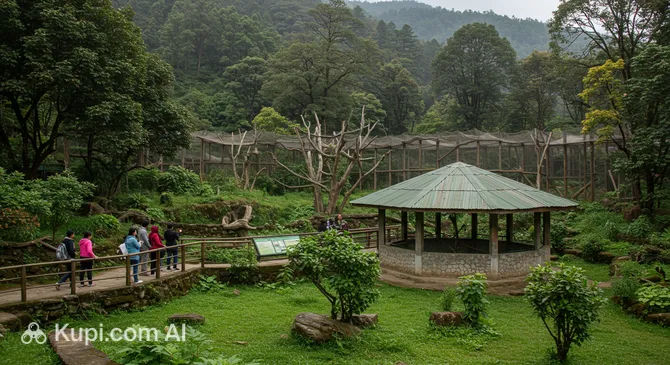
Sikkim Himalayan Zoological Park. Illustration.
Source: Kupi.com AI

Traveller photos:

The zoo's primary goal is the conservation and study of Himalayan fauna species in conditions that are as close as possible to their natural environment. Instead of traditional cages, spacious enclosures have been created, seamlessly integrated into the forested mountain landscape. This allows the animals to feel free and visitors to observe them in a semi-wild setting. Special attention is given to rare and endangered species.

A visit here feels more like a walk through a national park. You can encounter amazing creatures such as the red panda (the state animal of Sikkim), the elusive snow leopard, the Himalayan black bear, the Tibetan wolf, and many species of pheasants. Strolling along the zoo's well-maintained paths is a wonderful opportunity to escape the city's noise, breathe the fresh mountain air, and take stunning photographs against the backdrop of Himalayan landscapes.

Contacts

Unfortunately, finding direct contact details such as a phone number or the official website for the Himalayan Zoological Park of Sikkim can be difficult. For the most up-to-date information on opening hours, ticket prices, and special events, it is recommended to contact local tourist information centers in Gangtok or check the official Sikkim State Tourism portals immediately before your visit.

How to contactContact
AddressJawaharlal Nehru Rd, Sungava, Gangtok, Sikkim 737103, India
Websitewww.sikkimstdc.com

What to Do

Visiting the Himalayan Zoological Park of Sikkim is a unique opportunity to encounter the amazing fauna of the Himalayas in conditions as close as possible to their natural ones. Instead of cramped cages, there are spacious enclosures located on forested slopes. The main stars of the zoo are undoubtedly the rare and charming red pandas, which are the symbol of the state of Sikkim. Additionally, you can see graceful snow leopards, Himalayan bears, Tibetan wolves, barking deer (muntjacs), and many other species inhabiting this high-altitude region.

Walking through the zoo is a pleasure in itself. Visitors can follow specially designed eco-trails that wind among coniferous trees, enjoying the fresh mountain air. These routes not only lead from one enclosure to another but also offer breathtaking panoramic views of the majestic mountains and the city of Gangtok sprawling below. It is an ideal place for nature lovers and photography enthusiasts, where you can capture stunning shots of both animals and landscapes.

In addition to independent animal observation, the zoo performs an important educational function. Regular guided tours and educational programs are held here to help guests learn more about the features of the local ecosystem and the importance of wildlife conservation. Such a visit leaves not only vivid impressions of meeting rare animals but also deepens one's understanding of the fragile world of the Himalayas.

Getting There

The Sikkim Himalayan Zoological Park is located very close to the center of Gangtok, just 3-4 kilometers away on the scenic Bulbuley Hill. The easiest and most convenient way to reach the entrance is by hiring a taxi or using a rental car. The trip from most tourist areas of the city takes no more than 10–15 minutes, making the zoo easily accessible for a visit at any time of day.

For those who prefer active recreation and want to enjoy the mountain scenery, a walk is possible. However, keep in mind that the route passes through hilly terrain, so such a hike will require a certain level of physical fitness. Your reward will be not only a boost of energy but also magnificent views of the surroundings on the way to the zoo. This is a great opportunity to truly feel the atmosphere of the Himalayan foothills.

If you are traveling from other cities in Sikkim or neighboring states, your starting point will be Gangtok. From there, you can easily find local transport or join an organized excursion that includes the zoo in its itinerary. This is a convenient option that allows you to combine an introduction to the unique fauna of the Himalayas with sightseeing at other regional attractions.

Nearest city: Gangtok

History & Facts

The Himalayan Zoological Park of Sikkim, located near Gangtok, is not just a zoo, but a vital center for the conservation of unique Himalayan fauna. Established in 1991, it was the first institution in northeastern India to specialize in the keeping and breeding of Himalayan species. From the beginning, the park's main mission has been to create conditions for the animals that are as close as possible to their natural habitat and to draw attention to the plight of endangered species.

One of the most notable features of the zoo is its concept. Instead of cramped cages, spacious enclosures have been created that mimic the natural landscape. Animals live in large forested areas, allowing visitors to observe them in conditions close to the wild. Here you can encounter rare and beautiful creatures such as the red panda, snow leopard, Himalayan black bear, and Tibetan wolf.

Since its opening, the zoo has played a key role in environmental education and scientific research aimed at preserving the region's biodiversity. It actively runs captive breeding programs for rare species, many of which are under threat of extinction. Successful projects for the rehabilitation and subsequent return of animals to their natural environment make the Himalayan Zoo an important scientific hub and an example of a responsible attitude toward nature.

Time Needed

For a complete experience at the Himalayan Zoological Park of Sikkim, it is recommended to set aside 2 to 3 hours. This time is usually sufficient to leisurely walk through its vast territory, observe the animals in spacious enclosures that closely resemble their natural habitat, and take several beautiful souvenir photos. The zoo itself is situated on a scenic hillside, so walking its trails is also an opportunity to enjoy lovely views.

By planning about three hours for your visit, you can walk all the routes without rushing and wait for the appearance of rare animals like the red panda or snow leopard, which sometimes prefer to stay out of sight. If you are traveling with children or are a great lover of wildlife and photography, you might want to stay longer, perhaps dedicating nearly half a day to the visit. This will allow you to fully enjoy the unique atmosphere of the place and take a break from the urban bustle of Gangtok.

Working Hours

The Himalayan Zoological Park of Sikkim is generally open to visitors daily. Standard working hours are from 9:00 to 16:00. It is important to remember that operating hours may change depending on the season and weather conditions, so it is highly recommended to check current information on the official zoo website or at local tourist centers in Gangtok before your visit.

As a rule, the zoo operates year-round. Special advance ticket booking is usually not required, but during peak tourist seasons or holidays, it is better to clarify any possible changes in visitation rules beforehand. This will help you avoid queues and plan your day in the best way possible to fully enjoy meeting the unique fauna of the Himalayas.

DayOpening hours
Monday9:30 – 15:00
Tuesday9:30 – 15:00
Wednesday9:30 – 15:00
ThursdayClosed
Friday9:30 – 15:00
Saturday9:30 – 15:00
Sunday9:30 – 15:00

Nearby

A visit to the Himalayan Zoological Park of Sikkim is a wonderful opportunity to get acquainted with the region's unique fauna, but your journey through Gangtok can be even more rewarding. Exploring the area around the zoo will allow you to discover other gems of this picturesque city, from breathtaking waterfalls to sacred temples perched on hilltops.

Many of the key attractions are located a short distance away, making them ideal for a combined visit in a single day. To help you plan your itinerary, below is a list of interesting places located nearby.

NameDistance
Bakthang Waterfall0.6 km
Hanuman Tok1 km
Khangchendzonga National Park1.8 km
Ganesh Tok1.9 km
Vajra World2.2 km
Alpine Resort, Gangtok2.4 km
Alpine Hills Retreat2.5 km

Reached the bottom of the page?

Looks like you know this route inside out