Support

Junagadh

About

Junagadh is a remarkable city, a true treasure trove for inquisitive travelers, nestled at the foot of the majestic Girnar Hills in southern Gujarat, India. Its name translates to "Old Fort," and until 1947, it served as the capital of the princely state of the same name. Today, it preserves a rich history and a unique atmosphere where the past is seamlessly interwoven with the present.

With a population of about 320,000, Junagadh offers its guests an immersion into authentic Indian culture, far from the hustle and bustle of major metropolises. Geographically, the city occupies an interesting position between fertile plains and forested uplands. Its landscape is largely defined by the majestic extinct volcano of Girnar, which soars nearly 1,100 meters above the surroundings. Despite its relative seclusion, Junagadh is well-connected by rail to the region's major cities.
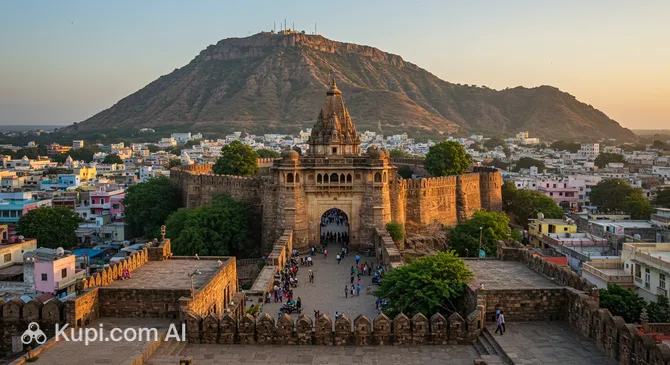
Junagadh. Illustration.
Source: Kupi.com AI

The city attracts tourists with its numerous landmarks and unmistakable charm. Key sites to visit include the Girnar Hills themselves, which are an important pilgrimage center featuring ancient temples. No less interesting are Uparkot Fort, a witness to centuries of the city's history, and the magnificent Mahabat Maqbara and Bahauddin Maqbara mausoleums with their exquisite architecture. A stroll through Junagadh's old streets and bustling bazaars, filled with the aromas of spices, will leave you with unforgettable impressions.

Junagadh is the ideal destination for those seeking more than just tourist sites—it offers deep cultural immersion, a chance to touch ancient history, and an opportunity to enjoy natural beauty. This city is sure to charm you with its hospitality and unique character.

You can find more interesting facts on the history of Junagadh page.
Weather Overview

When planning a trip to Junagadh, be prepared for a hot climate, especially in April and May, when average maximum temperatures reach around 37-38°C. From June to September, the city experiences the monsoon season, characterized by frequent rain—for example, July and August can have 25-27 rainy days. The winter months, from November to February, offer more comfortable weather: they are warm and dry, with average temperatures around 21-24°C and minimal precipitation.

Overall, expect a hot summer with monsoon rains and a warm, dry winter in Junagadh. You can find more detailed information on the Junagadh Climate page.

Average monthly temperature

Average monthly precipitation

Interesting Facts

Beyond its famous landmarks, Junagadh hides many fascinating stories and facts that make it even more appealing to curious travelers. Here are just a few of them:

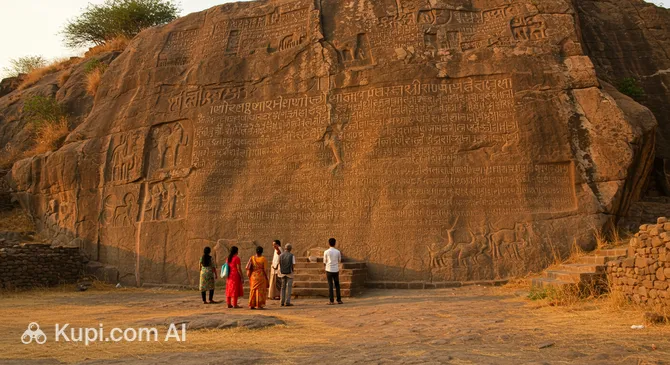
Ashoka Rock Edict. Illustration.
Source: Kupi.com AI

Traveler photos:

  • The ancient Uparkot Fort, built as early as 319 BC by Chandragupta Maurya, is a true symbol of resilience. Over its long history, it has survived 16 sieges, one of which lasted for a record twelve years!

  • Mount Girnar, which towers over the city, is considered by some estimates to be older than the Himalayas. It is a sacred site for followers of Hinduism, Jainism, and Sufism, where yogis and ascetics have meditated for centuries; the revered Dattatreya Temple sits at its summit.

  • On the outskirts of Junagadh, a unique boulder was discovered featuring fourteen Ashoka Rock Edicts. These inscriptions, dating from the 3rd century BC, are carved in Prakrit using the Brahmi script and are considered one of the most important monuments of ancient Indian writing.

How to Get There

When planning a trip to this historic corner of Gujarat, it is important to consider your logistics in advance, as Junagadh itself does not have an active civil airport. However, reaching the city is easy thanks to the developed transport network of neighboring cities. You can find all the ways to get to the city in our detailed guide, while below we look at the main air hubs nearby.

The most convenient option for many travelers is Rajkot Hirasar (IATA: HSR), located in the city of Rajkot. This is an important regional hub situated approximately 112 km from Junagadh. A journey by taxi or intercity bus from here takes about 3 hours. The airport handles a significant number of flights and is quite busy, ensuring good connections with other parts of the country.

Another interesting option is Diu Airport (IATA: DIU), located in the Union Territory of Diu, about 102 km from your destination. Although passenger traffic here is lower and there are fewer flights, geographically it is one of the closest airports. The drive takes about 3 hours. You can also consider Govardhanpur Airport (IATA: JGA) in Jamnagar (about 114 km away), which accepts regional flights.

For convenience, here is a summary of the main airports:

AirportPassenger trafficDistance
Keshod19 32230 km
Diu Airport104 218102 km
Rajkot Hirasar1.1 mln112 km
Govardhanpur Airport169 099114 km
Kandla48 408180 km

Regarding rail travel, Junagadh has its own railway station—Junagadh Junction—which is a major hub in the region. Trains arrive regularly from major cities in the state, such as Ahmedabad and Rajkot, as well as from other regions of India. Train travel is often chosen for the scenic views and budget-friendly prices. From the station, you can easily reach your hotel or the city center by auto-rickshaw.

Main Attractions

Junagadh, a city rich in history and culture, offers travelers many fascinating attractions. Here, ancient forts stand alongside exquisite mausoleums, and sacred sites preserve traces of a thousand-year history. Let’s explore some of the most iconic landmarks of this Indian city.

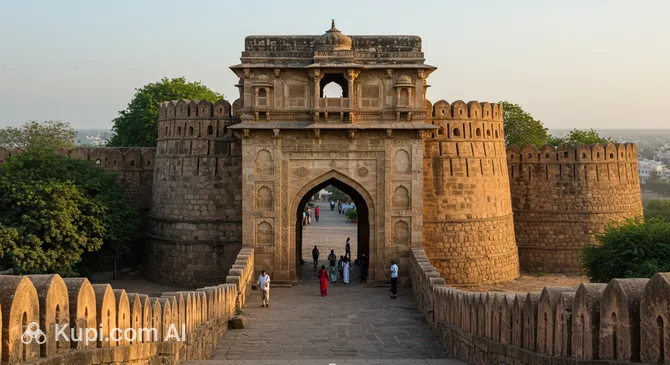
One of the main gems of Junagadh is Uparkot Fort. This ancient fortress, with a history spanning over 2,300 years, towers over the city and guards many secrets. Visitors can explore ancient walls, Buddhist caves, mosques, and two famous stepwells—Adi Kadi Vav and Navghan Kuvo. The fort offers breathtaking views of the surroundings, making it a popular spot for photographers and history buffs.

Uparkot Fort. Illustration.
Source: Kupi.com AI

Traveler photos:

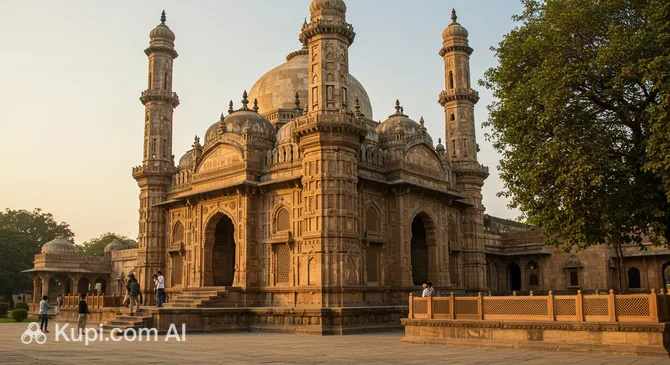
Located near the fort is Mahabat Maqbara—a stunning mausoleum built in the 19th century. This structure is a striking example of Indo-Islamic architecture with Gothic elements. Its unique spiral staircases on the minarets and richly decorated facades attract tourists and architecture enthusiasts from around the world. It is one of the most photographed buildings in Junagadh.

Mahabat Maqbara. Illustration.
Source: Kupi.com AI

Traveler photos:

For those interested in India's ancient history, the Ashoka Rock Edicts are a must-see. The edicts of Emperor Ashoka, dating back to the 3rd century BC, are carved into a large boulder. These inscriptions in Pali and Brahmi are important historical documents that shed light on the reign of one of India's greatest monarchs and the spread of Buddhism.

Ashoka Rock Edict. Illustration.
Source: Kupi.com AI

Traveler photos:

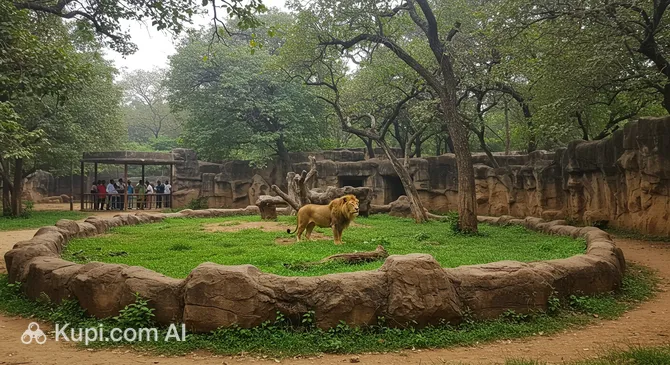
Nature and wildlife lovers should visit the Sakkarbaug Zoo. Established in 1863, it is one of the oldest zoos in India. It is renowned for its Asiatic lion breeding program and houses many other species of animals and birds. The zoo also includes a natural history museum, making it an excellent place for a family outing.

Sakkarbaug Zoological Park. Illustration.
Source: Kupi.com AI

Traveler photos:

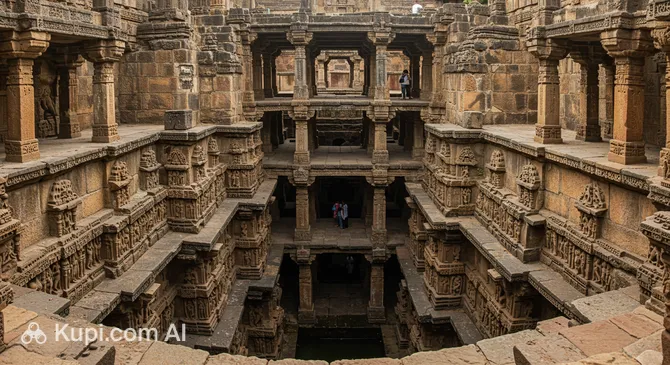
Speaking of ancient hydraulic engineering, one cannot fail to mention Adi Kadi Vav and Navghan Kuvo—two impressive stepwells located within Uparkot Fort. These wells, carved directly into the rock, served as vital water sources for centuries. Their unique architecture and depth are awe-inspiring; as you descend the numerous steps, you can feel the coolness and touch antiquity.

Adi Kadi Vav. Illustration.
Source: Kupi.com AI

Traveler photos:

Local Cuisine

The cuisine of Junagadh is a vibrant reflection of Gujarati culinary traditions, seasoned with local character. The city's gastronomic scene will delight you with an abundance of vegetarian dishes rich in spices and aromas. Simple but hearty food, prepared with heart, is highly valued here.

Among the dishes that you must try in Junagadh, dal stands out—a thick lentil soup usually served with fluffy rice or traditional roti flatbreads. Another iconic dish is the variety of vegetable sabji (stews) made from potatoes, eggplant, legumes, and seasonal vegetables, generously infused with spicy sauces. Locals also love kadhi—a tangy soup based on yogurt and chickpea flour.

Street food in Junagadh is a culinary adventure in its own right. On the busy streets and markets, you will find many stalls offering mouth-watering snacks. Be sure to try chana chaat—a spicy chickpea snack with vegetables and spices—or pakoras—deep-fried vegetable pieces in a crispy batter. In the evening, the streets fill with the aroma of roasted spices, creating a unique atmosphere.

For those with a sweet tooth, Junagadh offers delicious desserts. Don't miss the chance to try local jalebi—golden crispy spirals soaked in sugar syrup—or various types of halwa, especially carrot halwa. Popular drinks include refreshing lassi (a yogurt-based drink) and fragrant masala chai, which is made everywhere. Alcoholic beverages are less common due to the region's cultural characteristics.

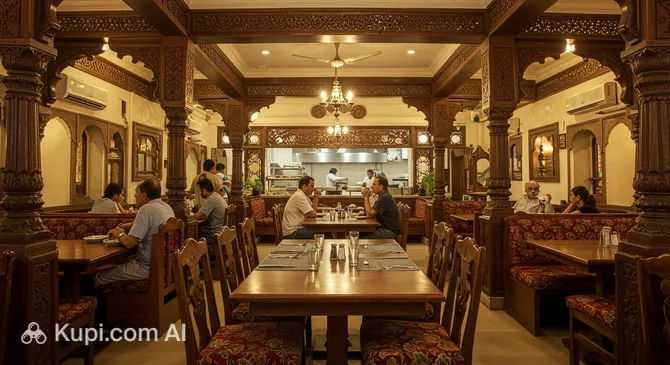
Locals prefer to eat both in small family-run eateries and in larger restaurants offering traditional Gujarati thalis—large platters with a variety of dishes. Tourists can also enjoy authentic cuisine in such establishments. One place to get acquainted with the local food is Madhav Dining Hall, which offers traditional meals.

Madhav Dining Hall. Illustration.
Source: Kupi.com AI

Traveler photos:

The gastronomic scene of Junagadh is a blend of ancient recipes, fresh local products, and hospitality. Visiting local markets, participating in culinary festivals if they occur during your trip, and simply tasting street food will give you unforgettable memories and a deeper understanding of the culture of this amazing city.

Travel Tips

Welcome to Junagadh! To make your journey to this historic city in India as comfortable and memorable as possible, we have prepared some practical tips. They will help you navigate the local area better and avoid potential difficulties.

  1. Clothing and Essentials: A hot climate prevails in Junagadh, so choose light, breathable clothing made from natural fabrics (cotton, linen). Considering the cultural nuances of India, modest clothing that covers shoulders and knees is recommended, especially when visiting temples and other religious sites. Don't forget a sun hat, sunglasses, high SPF sunscreen, comfortable shoes for long walks and sightseeing, and a universal power adapter for your electronics.

  2. City Transport: The main mode of transport in Junagadh is the auto-rickshaw—a convenient and inexpensive way to travel short distances; be sure to agree on the price beforehand. Local buses also run, but they can be crowded and difficult to navigate without knowing the language. In some cases, taxis or ride-hailing apps (like Ola or Uber; check their availability on arrival) may be available. Renting a car without a driver is generally not recommended for tourists due to the specific nature of local traffic.

  3. Finances and Payments: The local currency is the Indian Rupee (INR). You can exchange currency at banks or authorized exchange offices; avoid street changers. Credit and debit cards are accepted in large hotels, restaurants, and some shops, but it's always useful to carry enough cash for small purchases, rickshaw fares, and markets. ATMs are fairly common. Tipping is appreciated for good service (5-10% in restaurants, small amounts for porters and guides).

  4. Health and Safety: Pharmacies can be found in the city, but not all are open 24/7. It's recommended to carry a basic first-aid kit. For serious medical assistance, it's better to go to private clinics or hospitals; travel insurance is mandatory. Junagadh is generally a safe city, but observe standard precautions: watch your belongings in crowded places, avoid walking in poorly lit areas at night, and do not trust strangers offering suspicious services. Drink only bottled water.

  5. Communication and Connectivity: The official language in Gujarat is Gujarati, though Hindi is also widely spoken. In tourist spots and hotels, staff usually speak English. Learn a few simple phrases in Hindi or Gujarati, such as "Namaste" (Hello), "Dhanyavad" (Thank you), "Yeh kitne ka hai?" (How much is this?). A local SIM card with internet access can be purchased at mobile shops by presenting your passport and visa. Wi-Fi is available in most hotels and some cafes.

  6. Local Etiquette and Customs: Greet locals with "Namaste," joining your palms at chest level. Be polite and restrained in communication. Avoid public displays of affection. When visiting temples and homes, remove your shoes before entering; in some temples, women may need to cover their heads. Always use your right hand for eating, passing money, or items, as the left hand is considered unclean.

  7. What to Avoid: Categorically do not drink tap water or water from unknown sources—only bottled. Do not photograph people without their permission, especially women and during religious ceremonies. Do not point your feet at people or religious symbols, as this is considered extremely disrespectful.

  8. Special Tip – Climbing Girnar: If you plan to visit the sacred Mount Girnar, start your climb early in the morning to avoid the daytime heat. The path involves thousands of steps, so wear comfortable shoes and bring enough water and light snacks. The views from the top and the atmosphere of this place are well worth the effort!

We hope these tips make your stay in Junagadh pleasant and rewarding. Enjoy the unique atmosphere of this ancient city, its rich history, and the hospitality of its residents!

Entertainment & Nightlife

As a city with a rich historical heritage, Junagadh offers its guests quiet and measured evening entertainment rather than the boisterous nightclubs typical of large metropolises. Nightlife here centers around cozy restaurants, evening strolls, and socializing in a relaxed atmosphere.

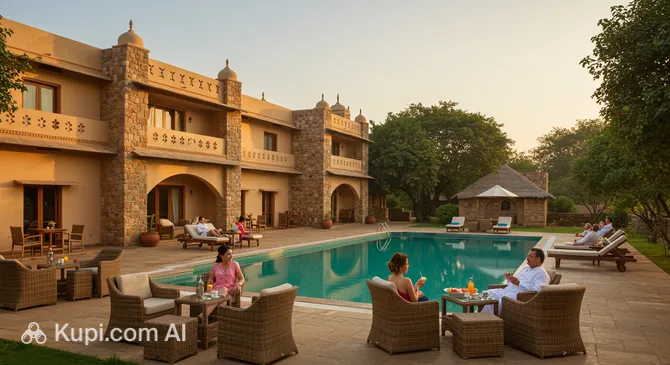
The primary spots for evening leisure in Junagadh are restaurants and cafes where you can enjoy local and Indian cuisine. For instance, you can visit La Pino'z Pizza for familiar dishes or try authentic flavors at Madhav Dining Hall. Some hotels, such as the Leo Resort & Club, may offer guests lounge areas or evening restaurants for a pleasant night out. The atmosphere in such establishments is usually family-oriented and welcoming.

Leo Resort & Club. Illustration.
Source: Kupi.com AI

Traveler photos:

Junagadh does not typically have specialized nightlife districts with a concentration of bars and clubs. However, the central streets and market areas can remain lively into the evening, providing opportunities for leisurely walks and people-watching. Some shops and stalls may also stay open late, especially during tourist seasons.

When planning an evening out, keep in mind that most establishments close relatively early, usually by 22:00-23:00. The dress code in most places is casual and relaxed. For getting around the city in the evening, you can use auto-rickshaws or order a taxi through local services or directly through your hotel. While Junagadh is generally considered a safe city, it is always wise to take standard precautions, especially in less crowded areas late at night or if you are traveling alone.

During the day, Junagadh offers plenty of cultural and historical activities. You can visit the Junagadh Museum to delve deeper into the region's history, explore the ancient and majestic Uparkot Fort, or spend time with family at Sakkarbaug Zoo, famous for its Asiatic lions. For active recreation, the Suraj Fun World amusement park is a great choice.

In summary, evening in Junagadh is more about a quiet dinner in good company, slow walks, and soaking in the atmosphere of an ancient Indian city than about partying until dawn. It is an excellent place for those who appreciate tranquility, cultural heritage, and the chance to enjoy an authentic environment.

Parks & Museums

Junagadh is a city where history comes to life at every step, and nature offers pockets for peaceful relaxation. Travelers can expect not only ancient forts and mausoleums but also interesting museums and green zones that allow them to enjoy the beauty of the Gujarat region.

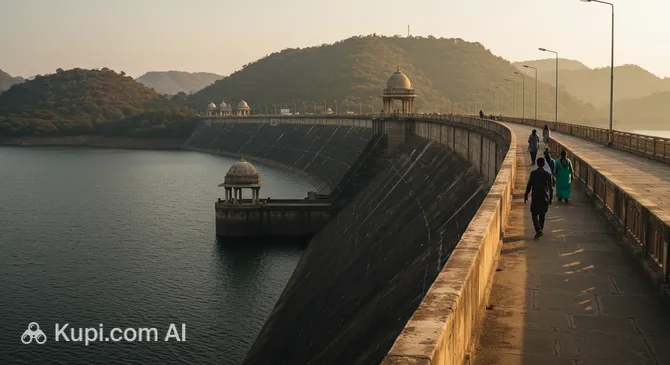
Among the city's green oases, Sakkarbaug Zoo stands out. It is one of the oldest zoos in India, famous for its Asiatic lion breeding program. A walk through its shaded alleys allows you to see a variety of animals and birds, and the zoo itself is a wonderful place for a family outing. Another popular spot for nature lovers is the Willingdon Dam. Located at the foot of the Girnar Hills, it attracts visitors with its picturesque views and is a great place for a picnic or simply contemplating the surroundings.

Sakkarbaug Zoological Park. Illustration.
Source: Kupi.com AI

Traveler photos:

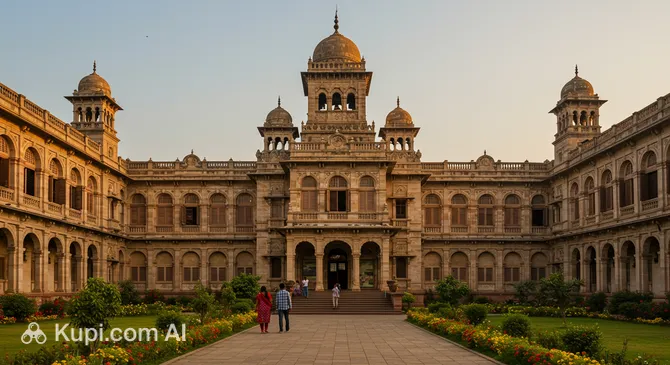
To dive deeper into the history and culture of the region, it's worth visiting the Junagadh Museum, also known as the Darbar Hall Museum. It is housed in the former palace of the Nawabs and holds a rich collection of artifacts, including weapons, portraits, palanquins, and household items of the rulers of Junagadh. The museum's exhibition provides a vivid picture of the city's princely past.

Junagadh Museum. Illustration.
Source: Kupi.com AI

Traveler photos:

In addition to the museum, the city itself is a living historical exhibition. Be sure to explore the majestic Uparkot Fort, which holds the secrets of many centuries and offers panoramic views. No less impressive is Mahabat Maqbara—a mausoleum with unique architecture combining Indo-Islamic and Gothic elements. Also, don't miss the Ashoka Rock Edicts—ancient inscriptions of immense historical significance.

Willingdon Dam. Illustration.
Source: Kupi.com AI

Traveler photos:

For an authentic experience and a look at ancient engineering, check out the city's old stepwells. Adi Kadi Vav and Navghan Kuvo are not just water sources, but true architectural masterpieces that descend deep underground and impress with their construction. A stroll through such lesser-known sites allows you to better feel the spirit of old Junagadh.

Getting Around

When planning travel around Junagadh, tourists will find that the public transport system here is quite simple and oriented toward local needs. The main ways to move around the city are buses and the ubiquitous auto-rickshaws.

City buses serve key areas of Junagadh, connecting residential quarters with markets, temples, and other important points. The route network might not always seem obvious to a visitor, but locals are usually happy to point you in the right direction. Auto-rickshaws (tuk-tuks) are a more flexible, though often more expensive, option. They offer door-to-door trips and are particularly convenient for short distances or when traveling with luggage.

The payment system in Junagadh is predominantly cash-based. On buses, tickets are usually purchased from the conductor or driver upon boarding. Fares are low, but it's best to carry small bills. For auto-rickshaw trips, it is crucial to agree on a price with the driver before the journey begins, as meters are not always used and there are no fixed tariffs. Generally, there are no specialized tourist passes or transport cards for the city.

Buses in Junagadh usually run from early morning until evening, but schedules can be loose, especially on less popular routes. During peak hours, buses can be crowded. Auto-rickshaws are available almost around the clock, especially in lively areas of the city. For convenience, you might also consider calling a taxi through local services or, if available, via ride-hailing apps, although their prevalence may be lower than in large metropolises.

Bike rentals or car-sharing are not widespread forms of transport for tourists in Junagadh. For most city travel, a combination of buses and auto-rickshaws will be quite sufficient. If you plan to visit the famous Mount Girnar, note that you can reach its base by auto-rickshaw or taxi, and a ropeway leads to the summit, which is more of a tourist attraction than part of the city's transport system.

Accommodation

In Junagadh, tourists have access to a diverse range of accommodation options that cater to various budgets and preferences. Most choices consist of guest houses, budget and mid-range hotels, along with a few more comfortable options.

When choosing a place to stay, it is worth looking at areas near the main attractions. For example, hotels near the historic Uparkot Fort or the majestic Mahabat Maqbara are popular, as they allow for easy access to key tourist sites. Staying near transport hubs can also be convenient if you plan to travel extensively around the region.

Among the specific accommodation options in Junagadh, hotels such as the Leo Resort & Club and Deshi Pakwan are notable. These places offer comfortable stays and can serve as a good base for exploring the city.

Leo Resort & Club. Illustration.
Source: Kupi.com AI

Traveler photos:

As for the price range, you can find both budget options and mid-range hotels in Junagadh. There are few luxury world-class resorts here; the focus is on more affordable and authentic accommodation. It is recommended to book your stay in advance, especially if your trip coincides with the peak tourist season or local festivals. For searching and booking, it is convenient to use popular online platforms or contact the chosen hotel directly.

Nearby Cities

For those wishing to explore the surrounding area, Junagadh serves as an excellent starting point for day trips to several interesting nearby locations:

CityPopulationDistance
Siroda18 62719 km
Dhoraji84 54524 km
Upleta58 77530 km
Keshod76 19333 km
Manavadar30 85033 km

For example, you can visit Rajkot, a lively city known for its colonial buildings like the Watson Museum and the place where Mahatma Gandhi spent his younger years—Kaba Gandhi No Delo. Porbandar, a coastal city, attracts pilgrims and history lovers as the birthplace of Mahatma Gandhi, featuring the Kirti Mandir memorial. Veraval, though a major fishing port, serves as the gateway to the famous Somnath Temple, one of the twelve Jyotirlinga shrines of Shiva, located nearby.

These nearby destinations provide a glimpse into the diverse culture and landscapes of this region of India.

Shopping & Souvenirs

Shopping in Junagadh offers an immersion into the authentic atmosphere of an Indian city, where modern shops sit alongside traditional stalls. The city, like the rest of the state of Gujarat, is famous for its vibrant textiles, handcrafted items, and spices. Here, you can find both everyday goods and unique souvenirs reflecting the local culture.

Most commercial activity in Junagadh is concentrated on the bustling streets of the old city and in areas around key landmarks. Walking through the central streets, you will find many small shops offering clothing, footwear, jewelry, and household goods. Special attention should be paid to the stalls selling traditional Gujarati fabrics and embroidery.

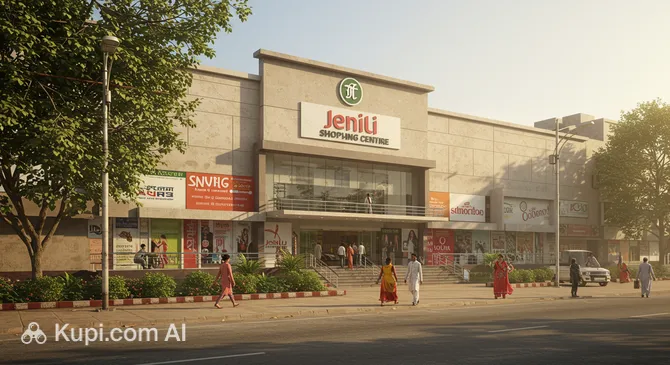
For those who prefer a more modern shopping format, Junagadh has several shopping centers. One notable spot is the Jenili Mall, where you can find stores of famous brands, a food court, and entertainment. It is a good place for comfortable shopping in air-conditioned spaces.

Jenili Shopping Centre. Illustration.
Source: Kupi.com AI

Traveler photos:

Visiting local markets is an essential part of getting to know Junagadh. At the city bazaars, you will find fresh fruits, vegetables, fragrant spices, as well as products from local artisans. It is a great place to experience the color of Indian trade, haggle, and buy something truly authentic. Markets usually come alive early in the morning and towards evening.

When leaving Junagadh, it's worth bringing back traditional Gujarati souvenirs. Look for textile products such as shawls, saris, or fabrics with "bandhani" (tie-dye) or "ajrakh" (block print) embroidery. Handcrafted wooden and metal items, figurines, jewelry, and, of course, Indian spices and tea are also popular. Small figures of deities or animals can also be a pleasant reminder of your trip.

Most shops in Junagadh are open from approximately 10:00-11:00 to 20:00-21:00, although small stalls and markets may have their own schedules, often with a lunch break during the hottest part of the day. Large stores and malls usually work every day. As for payment, cash (Indian Rupees) is widely accepted everywhere. In larger stores and malls, you can pay with bank cards. In recent years, mobile payment systems (UPI) have also become popular.

The Tax Free system for tourists in India is not as common as in some other countries, especially for goods purchased in small shops or markets. The possibility of a VAT (GST) refund may exist for certain categories of goods when purchased in large, authorized stores, but it is best to check this directly with the seller before making an expensive purchase and to keep all receipts.

Reached the end of the page?

That means the route is fully explored