Support

Surat Castle

About

Surat Fort, also known as Surat Castle, is a prominent historical defensive structure located in Surat, Gujarat, India. Built in the 16th century, this fort is an important witness to the region's rich history and the strategic importance of Surat as a major port center. Its location on the banks of the Tapi River was no accident—it emphasized its key role in defending the city and controlling the busy maritime trade routes of the time.
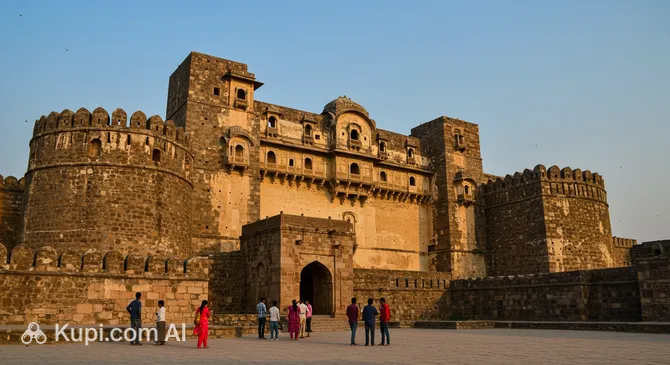
Surat Castle. Illustration.
Source: Kupi.com AI

Traveler photos:

This structure is a classic example of defensive architecture of its era and serves as a clear illustration of 16th-century military engineering. The fort was erected during the reign of Sultan Mahmud III and became a vital element in the defense of Surat, which was then one of the key ports on the west coast of India, playing a significant role in international trade.

Today, Surat Fort attracts tourists as a significant historical monument, allowing them to touch the past and better understand the strategic importance of the city in former times. Visiting the fort is an opportunity to see impressive fortifications, learn more about the region's history, and imagine the bustling life in this important trade and defense center many centuries ago. This is truly a fascinating journey into history for anyone interested in fortifications and India's past.

Contacts

For the most up-to-date information on visiting Surat Fort, including opening hours, ticket prices, and potential events, we recommend contacting the Gujarat Tourism Department or the Surat Municipal Corporation. You can also find useful information on the official Gujarat tourism portal, as direct contact details for the fort itself may not be available in public sources.

How to contactContact
Addressdakka ovara, near, makkai pull, Chowk Bazar, Surat, Gujarat 395003, India
Websitewww.suratmunicipal.gov.in

What to Do

A visit to Surat Fort is a true immersion into history. Once here, you can explore every corner of this ancient structure: walk through the interior rooms, feel the power of its walls, and climb the old towers. From the top of the towers, a breathtaking panoramic view of Surat and the picturesque curves of the Tapi River opens up. This is a wonderful opportunity not only to touch the past but also to enjoy the beauty of the surrounding landscapes.

Inside the fort, you will encounter various historical artifacts that silently tell the story of Surat's former greatness as an important trading center. Information boards will help you gain a deeper understanding of the fort's role in defending the city and its importance during the Mughal period in India. This is a great chance to learn more about 16th-century military architecture and daily life in those times.

Surat Fort is also an ideal place for photography enthusiasts—its ancient walls and towers create a unique atmosphere for memorable shots. After touring the fort itself, you can continue your journey through time by walking through the historical part of Surat located nearby and getting even closer to the rich cultural heritage of this amazing place.

Getting There

Surat Fort is conveniently located in the central part of Surat city, on the picturesque banks of the Tapi River, making it easily accessible for visitors. If you are in the city center, the fort can be reached by local buses that follow major city routes. Additionally, taxis and the popular auto-rickshaws in India are always at your service—they will take you to this historical landmark quickly and comfortably.

For travelers arriving in Surat from other cities in India, rail travel is an excellent option. The city has a well-developed railway network connecting it to the country's major urban centers. From Surat railway station, you can reach the fort by taxi or auto-rickshaw in about 15-20 minutes, depending on traffic. This is a convenient and relatively fast way to reach your destination.

International tourists planning to visit Surat Fort can fly into one of the nearest international airports—in Mumbai or Ahmedabad. From these cities, Surat can be reached by train or bus. It is also worth noting that Surat has its own airport serving domestic flights from major Indian cities, which can be a convenient option for those already traveling within India.

Nearest city: Surat

History & Facts

Surat Fort was built in the 16th century by order of Sultan Mahmud III. The primary mission of this massive structure was to protect the strategically important port city of Surat, which at that time was one of the key trade hubs on the west coast of India. The city attracted merchants from all over the world, including European traders, making its defense a top priority. Since its foundation, the fort has been a silent witness to changing eras and rulers, each contributing to its history.

During its heyday, especially during the Mughal Empire, Surat was not just a trading port but a true center of commerce and culture. The city was world-famous for its exquisite textiles, particularly silk and cotton. Surat Fort played a vital role in ensuring the safety of this prosperous center, protecting it from numerous external threats, including frequent attacks from the sea. Its massive walls served as a reliable shield for the townspeople and their wealth.

Over the centuries, Surat Fort performed more than just purely defensive functions. It was also an important symbol of the power and might of the city's rulers, demonstrating their strength and influence in the region. Having survived many historical ups and downs, including a long period of Mughal rule, the fort has been preserved to this day. Today, it stands as a significant historical monument, eloquently reminding us of the rich and eventful past of Surat and all of India.

Time Needed

To fully enjoy a visit to Surat Fort and see its main sights, it is recommended to set aside approximately 2-3 hours. This time is usually enough to leisurely walk around the grounds, explore the main rooms of the fort, climb its ancient walls and towers, check out the historical exhibits, and, of course, take some memorable photos.

When planning your trip, keep in mind that the specified 2-3 hours refers specifically to the tour of the fort itself. If your plans also include visiting other interesting historical sites in the old part of Surat near the fort, you will certainly need additional time. In that case, your visit could take half a day to cover all the objects of interest.

Thus, by aiming for 2-3 hours for Surat Fort itself, you can get a fairly complete picture of this iconic place without feeling rushed. This will allow you to immerse yourself in the atmosphere of the past and appreciate the historical significance of this impressive structure in India.

Working Hours

Surat Fort is usually open to visitors from morning until evening. However, exact opening hours may vary depending on the season and on official holidays. To get the most up-to-date information on the schedule, it is highly recommended to check before your visit. You can contact the Surat tourist information center or visit the attraction's official website, if available.

Regarding the need for advance ticket booking or tour registration, it is also best to check official resources or local tourist services. Generally, Surat Fort is accessible for visiting year-round, but seasonal changes in the schedule are possible, so checking in advance will help you plan your visit in the best possible way.

DayOpening hours
MondayClosed
Tuesday10:00 – 18:00
Wednesday10:00 – 18:00
Thursday10:00 – 18:00
Friday10:00 – 18:00
Saturday10:00 – 18:00
Sunday10:00 – 18:00

Nearby

Visiting Surat Fort is undoubtedly a memorable event, but you shouldn't stop there. Exploring the surroundings of this historical gem can significantly enrich your impressions of Surat and its multifaceted culture. Near the fort, there are many other interesting places, each revealing the character of this ancient city in India in its own way.

A walk through nearby attractions will allow you to dive deeper into the atmosphere of Surat, see the contrasts of old and new, and discover less-known but equally fascinating corners. This is a great opportunity to expand your itinerary and make your trip even more packed and memorable.

NameDistance
Narmad House1 km
Adajan Gas Circle1.6 km
Maruti Fish Aquarium2.8 km
Jagdish Chandra Bose Municipal Aquarium3 km
Aquarium Museum3 km
Ambika Niketan Temple3.2 km
Bada Ganesh Temple3.6 km

Have you reached the end of the page?

So the route has been studied inside and out