Support

Shipra River

About

The Shipra River is more than just a body of water; it is one of the most sacred rivers in India, flowing through the ancient city of Ujjain in the state of Madhya Pradesh. It holds a central place in the religious and cultural life of the region, giving the city a special, spiritual atmosphere. For Hindus, the Shipra has immense sacred significance, and its waters are considered purifying.
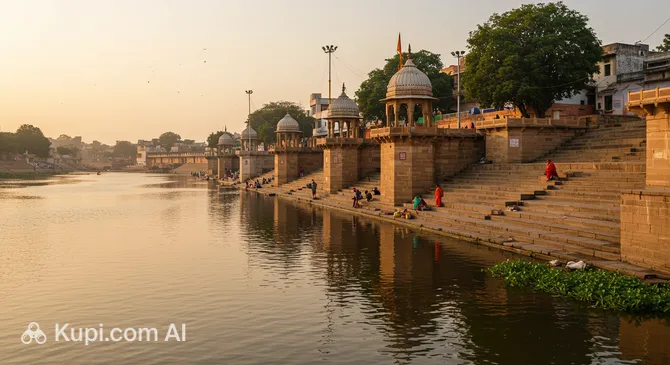
Shipra River. Illustration.
Source: Kupi.com AI

Traveler photos:

The banks of the Shipra are the stage for numerous religious ceremonies, rituals, and festivals that attract pilgrims from all over the country. Especially famous is Ram Ghat—the largest and most revered ghat (stepped embankment) on the river. It is here that devotees and locals gather at dawn and dusk to perform puja, a ritual of worship for the sacred river, and ritual baths.

Walking along the Shipra or observing the rituals at its ghats allows for a deeper immersion into India's spiritual traditions and a feel for the unique character of Ujjain. The river is not only a place of pilgrimage but also an essential part of the residents' daily lives, symbolizing the connection between eras and generations. A visit to the Shipra leaves a strong impression thanks to its atmosphere of tranquility and antiquity.

Contacts

Since the Shipra River is a natural site, it does not have a dedicated contact center. To inquire about leisure opportunities, such as boat trips or ceremony timings on its banks, it is best to contact the tourist information centers in the city of Ujjain. Information can also be obtained from local guides or the Madhya Pradesh Tourism Department.

How to contactContact
AddressUjjain, Madhya Pradesh 456003, India
Phone number+91 755 278 0600

What to Do

The Shipra River offers visitors to Ujjain a unique opportunity to touch the spiritual life of the city and enjoy its beauty. One of the main activities here is a boat trip, which allows you to see the city from an unusual perspective. Special attention should be paid to Ram Ghat—the main ghat on the river. This is where you can witness traditional religious ceremonies and rituals. At dawn and dusk, many people gather at the ghats for puja—an impressive ceremony of worshiping the sacred river that leaves a deep impression on tourists.

In addition to observing rituals, the banks of the Shipra River are perfect for leisurely strolls and meditation. From here, picturesque views of the city and its temple complexes open up. In particular, the famous Mahakaleshwar Temple, located nearby, can be seen from the riverbanks. A visit to the Shipra River can be successfully combined with a tour of nearby temples and shrines, allowing for a deeper dive into the spiritual atmosphere of Ujjain and a sense of its sacred significance for India.

Getting There

The Shipra River flows through the very heart of Ujjain, making it easily accessible for visitors. One of the most famous and revered sections of the river, Ram Ghat, is located in the central part of Ujjain. It, like many other ghats on the river, can be easily reached on foot from most parts of the city. This is a wonderful opportunity to combine a city walk with a visit to a sacred site.

If you are in the central part of Ujjain, the Shipra River is within walking distance. For longer trips across the city to the riverbanks, you can use the services of local auto-rickshaws or taxis. They are a common and convenient way to get around Ujjain and will help you quickly reach your desired ghat or section of the river.

The city of Ujjain itself has good transport links. It is located approximately 55 kilometers north of Indore, a major transport hub in the state of Madhya Pradesh. Buses run regularly from Indore to Ujjain, and taxis are also available for hire. Additionally, Ujjain is an important railway station connected to many major cities in India, making train travel a convenient option for those arriving from afar.

Nearest city: Ujjain

History & Facts

The Shipra River, flowing through the sacred city of Ujjain in India, is shrouded in deep historical and mythological significance, making it not just a waterway, but a true living legend. According to ancient Hindu legends, the banks of the Shipra witnessed many iconic events. One of the most famous legends tells of the churning of the ocean by the gods and asuras, which resulted in a deadly poison. To save the universe, Lord Shiva drank this poison. In gratitude, Brahma installed a Shivalingam, the sacred symbol of Shiva, on the riverbank, which is believed to have marked the beginning of the famous Mahakaleshwar Temple, one of the twelve Jyotirlingas.

The city of Ujjain, sprawling along the banks of the Shipra, is one of the seven most sacred cities in India, and the river plays a central role in its spiritual life. Over the centuries, the Shipra has been an integral part of Ujjain's development as an important religious and cultural center. The river's waters are revered as holy, and ritual bathing in them, especially during numerous religious festivals, is considered an act of purifying the soul and body, attracting pilgrims from across the country. This tradition emphasizes the inseparable link between the river and the spiritual practices of Hinduism.

One of the most remarkable events associated with the Shipra River is the Kumbh Mela—a massive religious gathering held here every 12 years that attracts millions of pilgrims from around the world. During this large-scale festival, devotees gather in Ujjain to perform a sacred dip in the waters of the Shipra. This event not only highlights the river's sanctity but also demonstrates its immense cultural and religious importance in India. The Shipra River, therefore, is not merely a geographical feature but a powerful symbol of faith and spirituality.

Time Needed

To get a general overview of the Shipra River and see its main ghats in Ujjain, a traveler usually needs about 2-3 hours. This is enough time to stroll along the bank, soak in the atmosphere of this sacred place, and take photos.

If you plan a deeper immersion, such as taking a boat trip on the river, you should set aside an additional 1-2 hours. Watching the puja ceremonies, which are often held at dawn or dusk, will also require extra time and allow you to see the river in a special light. Keep in mind that these activities can take up a significant part of your morning or evening.

For those who want to combine a visit to the Shipra River with exploring nearby temples, such as the famous Mahakaleshwar, it is recommended to allocate a full day for the entire program. This will allow you to explore not only the river itself but also the important cultural and religious sites nearby without rushing, fully experiencing the spiritual significance of this place in India.

Working Hours

The Shipra River in Ujjain, being a natural site, is accessible for visiting at any time of day and throughout the year. There are no "opening hours" as such in the traditional sense. However, if you plan to enjoy a boat trip or witness colorful religious ceremonies, it is recommended to come during daylight hours.

Morning hours at dawn and evening hours at sunset are considered particularly auspicious. This is when impressive puja ceremonies are held at Ram Ghat, allowing you to connect with the authentic culture and spiritual traditions of India. While advance booking is not required for a simple visit to the river, for participation in any special events or excursions, it is worth checking information with local organizers or on travel portals.

Nearby

Exploring the surroundings of Ujjain and its main water artery, the Shipra River, can significantly enrich your journey. Visiting nearby attractions will allow you to dive deeper into the history and culture of this ancient city, see more interesting places, and gain a more complete understanding of its significance.

There are several notable sites near the Shipra River that deserve attention. Below is a list of some of them, along with approximate distances:

NameDistance
Singhasan Battisi of Vikramaditya0.5 km
Shri Mahakaleshwar Jyotirlinga Temple0.6 km
Chaubis Khamba Mata Temple0.8 km
Mahakal Lok1.2 km
Mahakal Lok Corridor1.2 km
Triveni Museum1.3 km
Jantar Mantar, Ujjain1.7 km

Have you reached the end of the page?

So the route has been studied inside and out