Support

Bajra Sandhi Monument

About

In the very heart of Denpasar, on the famous island of Bali in Indonesia, rises the majestic Bajra Sandhi Monument. This is not just a monument, but an important symbol of cultural pride and the historical memory of the Balinese people. It is dedicated to the centuries-long struggle of local residents to preserve their identity and independence.

The architecture of the monument is deeply symbolic. It is designed in the shape of a bajra—a traditional Hindu ritual bell—which emphasizes its spiritual significance for the people of Bali. The structure was built in accordance with the Balinese philosophical concept of "Tri Mandala," which divides space into three zones: the central building (Utama Mandala), the inner courtyard (Madya Mandala), and the outer courtyard (Nista Mandala). This structure reflects the harmonious worldview of the Balinese.
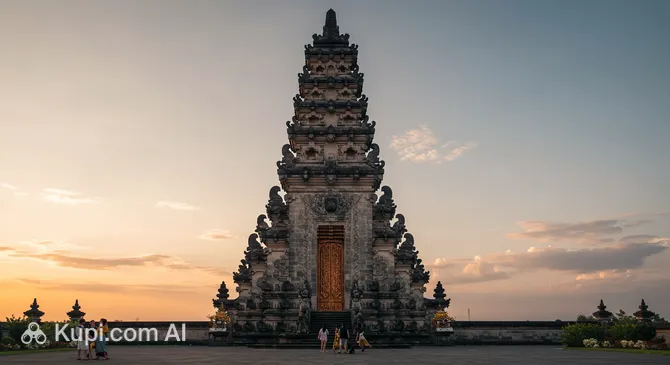
Bajra Sandhi Monument. Illustration.
Source: Kupi.com AI

Traveler photos:

Inside the monument is the Bali History Museum, which offers visitors a fascinating dive into the island's past. Here, through 33 dioramas and numerous exhibits, key moments in the history of the Balinese people are vividly presented, from ancient times to the struggle for independence. A visit to the Bajra Sandhi Monument is a wonderful opportunity not only to see an impressive architectural structure but also to gain a deeper understanding of the rich culture and heroic spirit of this amazing island.

Contacts

To plan your visit, check current opening hours, or find out ticket prices, it is recommended to contact the monument's administration. The main contact details you might need are collected in the table below.

How to contactContact
Address86HJ+9X5, Jl. Raya Puputan No.142, Panjer, Denpasar Selatan, Kota Denpasar, Bali 80234, Indonesia
Phone number+62 361 264517

What to Do

A visit to the Bajra Sandhi Monument is a true journey through time. Inside, a look at the history of Bali awaits you through 33 dioramas that detail the most important events of the past. You will trace the island's path from the birth of Hinduism and the greatness of the Majapahit era to the colonial period and key moments in the struggle for independence. On the ground floor, there is also an interesting photo exhibition with rare historical images, which makes the visit educational for both adults and children.

The main highlight for many visitors is the climb to the Utamaning Utama observation deck, located at the very top of the monument. From here, a breathtaking panoramic view of Denpasar and its picturesque surroundings opens up, allowing you to appreciate the scale and beauty of Bali's capital. In addition, the building houses a library, an exhibition hall, and conference rooms where various cultural events and temporary exhibitions are periodically held, making every visit unique.

Getting There

Bajra Sandhi Monument is located in the very heart of Denpasar, on Renon Square, directly across from the Governor of Bali's office. This central location makes it easily accessible from almost anywhere in the city and the island's popular tourist districts. The area surrounding the monument is well-maintained, with park zones for walking and relaxation.

The most convenient way to reach the monument is by taxi, rental car, or scooter. The trip from resort areas like Kuta, Seminyak, or Sanur usually takes 20 to 40 minutes, depending on traffic conditions and road congestion. For those traveling by private or rental vehicle, there is a large and convenient parking lot next to the monument.

For independent travelers who prefer public transport, there are also convenient options. Near the square where the monument stands, there are city bus stops, making it easy to get here from various parts of Denpasar. This makes the Bajra Sandhi Monument an accessible and attractive landmark for all categories of tourists.

Nearest city: Denpasar

History & Facts

Bajra Sandhi Monument is not just an architectural masterpiece but a profound historical symbol. Although construction began in 1987 and it only opened to the public in 2003, the site for its erection was not chosen by chance. This is where one of the most dramatic pages in Balinese history unfolded in 1906. During the confrontation with Dutch colonial forces, the Raja of Badung, along with his family, nobility, and subjects, performed puputan—a ritual mass suicide as a sign of protest against the occupation. Hundreds of people, dressed in white ceremonial robes, chose death over submission, turning this square into a sacred place of memory.

This act of desperate courage became the central theme of the monument. It commemorates not only the tragedy itself but also the indestructible spirit, resilience, and sacrifice of the Balinese people in their centuries-long struggle to preserve their identity and freedom. Thus, Bajra Sandhi is more than just a memorial to the fallen; it is a majestic reminder of the price of independence and the strength of cultural resistance that has always been inherent to the island's residents.

Beyond the events of 1906, the monument covers the entire panorama of the island's history. Its exhibition, particularly the famous dioramas, tells of the key stages of Bali's development. Visitors can trace the path from ancient kingdoms, through the arrival of Hinduism and the golden age of the Majapahit Empire, to the colonial period and, finally, the complex journey of Indonesia becoming an independent state. This makes the monument not just a landmark, but a true chronicle carved in stone.

Time Needed

When planning a visit to the Bajra Sandhi Monument, you should allow for 1.5–2 hours. This time is usually quite sufficient for a full and leisurely exploration of all the main parts of this impressive complex. You will have time to immerse yourself in the atmosphere of this iconic site without rushing, take commemorative photos, and get a complete picture of its cultural and historical significance.

Most of the time will be spent exploring the museum with its famous dioramas that tell the centuries-old history of Bali. Also, don't forget to set aside time for the climb up the spiral staircase to the observation deck. It offers a magnificent panoramic view of Denpasar, and it's a great opportunity to take some beautiful shots. The remaining time can be spent walking through the park area around the monument to appreciate its architecture from the outside.

Working Hours

Bajra Sandhi Monument is open to visitors year-round. Standard operating hours for the museum and observation deck are daily from 08:30 to 16:30. On weekends, the schedule may vary slightly, so before your visit, especially if it falls on a public holiday, it is recommended to check the latest information on the official website or by calling the contact number.

Special advance booking for individual visits is generally not required—entrance tickets can be purchased directly at the ticket office on-site. However, for large tour groups or for participation in special tours that include a visit to the monument, an online booking option may be available through travel services.

8:00 – 17:00

Nearby

Visiting the Bajra Sandhi Monument is an excellent starting point for exploring Denpasar, but the city and its surroundings have much more to offer. Exploring nearby attractions will allow you to dive deeper into Bali's unique atmosphere and see the contrast between ancient traditions and the island's modern life.

Just a few minutes' drive from the monument, you can find cultural sites, shopping centers, and scenic spots for relaxation. To help you plan your further itinerary, we have compiled a list of interesting locations situated in the immediate vicinity.

NameDistance
Bung Karno Museum0.9 km
Japanese Garden Palace Bali1.2 km
Level 21 Mall2.2 km
Bali Reef Aquarium2.8 km
Jro Kuta Royal Palace3.3 km
Sindhu Beach3.6 km
Maya Sanur Resort & Spa4.4 km

Have you reached the end of the page?

So the route has been studied inside and out