Support

Saraswati Temple

About

Saraswati Temple, also known as Pura Taman Saraswati, is a magnificent Hindu temple located in the heart of Ubud on the island of Bali, Indonesia. This temple is dedicated to the goddess Saraswati, revered as the patroness of wisdom, knowledge, art, and creativity. Thanks to its unique architecture, wealth of exquisite sculptures, and picturesque ponds, it is rightfully considered one of the most beautiful temple complexes in Bali.
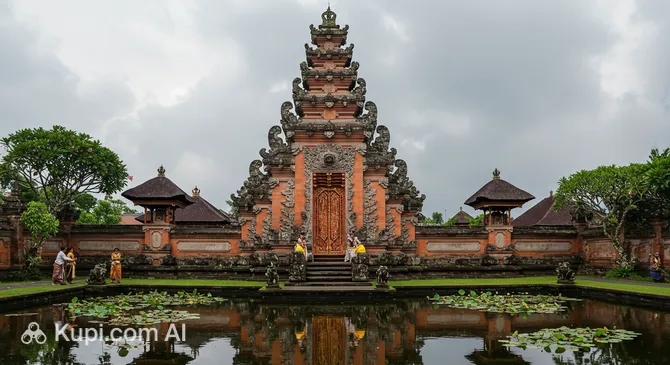
Saraswati Temple. Illustration.
Source: Kupi.com AI

Traveler photos:

The architectural ensemble of Saraswati Temple is a striking example of traditional Balinese style. Visitors are greeted by expertly crafted decorative elements, intricate stone carvings, and numerous statues of deities, each telling its own story. This is a place where ancient traditions and the skill of local craftsmen merge to create a unique atmosphere.

One of the main highlights of the temple is the large pond covered with blooming lotuses. These sacred flowers not only add aesthetic appeal but also symbolize purity and spiritual enlightenment. Walking along the pond or meditating on its banks provides a sense of harmony, peace, and tranquility, allowing visitors to momentarily escape the hustle and bustle and immerse themselves in a world of spirituality.

Contacts

Since Saraswati Temple is an active religious site and a popular attraction, it is best to check on-site or on official Ubud tourism portals for exact visiting hours, codes of conduct, or special ceremonies. Up-to-date information can often be found on information boards at the temple entrance or at nearby tourist information centers.

How to contactContact
AddressF7V6+JHX, Jl. Kajeng, Ubud, Kecamatan Ubud, Kabupaten Gianyar, Bali 80571, Indonesia
Websiteubudwaterpalace.com

What to Do

Visitors to Saraswati Temple can enjoy a leisurely walk through its picturesque grounds, admiring the exquisite Balinese architecture and numerous sculptures, each holding a piece of local culture. The lotus-filled ponds add a special charm, providing a backdrop for stunning photos, as do the traditional Balinese gates. Entry to the main temple area is usually free, although a sarong and sash are required to visit the inner sanctuaries (if permitted) as a sign of respect for local traditions.

For a deeper immersion into Ubud's culture, look out for the evening programs: traditional Balinese dance performances, such as the mesmerizing "Barong" dance, are often held on the temple grounds. This is a unique opportunity to see ancient art in its authentic setting. Additionally, the famous Lotus Cafe is located next to the temple; its terrace offers a beautiful view of the main pond and the temple itself—an ideal spot to relax and enjoy the atmosphere after your walk.

Getting There

Getting to Saraswati Temple is quite simple, especially if you are already in Ubud. The temple is located in the heart of the town on Jalan Kajeng, a quiet side street off the main road, Jalan Raya Ubud. The well-known Lotus Cafe serves as an excellent landmark—the temple is situated directly behind it. If you are staying in the center of Ubud, reaching the temple on foot is easy and takes only a few minutes, offering a great opportunity to soak up the city's atmosphere along the way.

For travelers arriving in Ubud from other parts of Bali, several options are available. You can use public transport, such as the Kura-Kura Bus, which follows popular tourist routes. Perama shuttle buses are another option. A more independent way to get around is by renting a scooter or a car, allowing you to explore the area at your own pace.

Naturally, it is easy to find a taxi or book a transfer in Ubud to take you directly to the temple or its immediate vicinity. A convenient landmark for drivers and self-navigation is the Ubud Royal Palace (Puri Saren Agung). From the palace, Saraswati Temple is just a few minutes' leisurely walk away, making it easily accessible from one of the town's main points of interest.

Nearest city: Ubud

History & Facts

Despite its traditional Balinese architecture, Saraswati Temple in Ubud has a relatively recent history. Its construction began in 1951 and was completed in 1952. The initiative for building this beautiful sanctuary came from the Sukawati royal family, who ruled Ubud at the time. Specifically, it was commissioned by Prince Tjokorda Gede Agung Sukawati, who wished to create a special place to honor the goddess Saraswati.

The design and artistic decoration of the temple were entrusted to the eminent Balinese architect and sculptor I Gusti Nyoman Lempad. This master was widely known for his talent and deep understanding of Balinese traditions. It was Lempad who developed the temple's architectural style and created many of the sculptures that adorn its grounds. His work includes the grotesque depictions of gods and demons characteristic of Balinese art, which give the temple a uniquely mystical atmosphere.

The goal of building the temple was to create a sanctuary dedicated to the goddess Saraswati—the patroness of knowledge, arts, wisdom, and learning. The name "Saraswati" translates as "flowing river," which is symbolically reflected in the temple's layout. It is surrounded by picturesque ponds filled with lotuses, which not only create a peaceful atmosphere but also emphasize the goddess's connection to the element of water and purity.

Time Needed

Getting to know Saraswati Temple usually doesn't require much time. If your goal is to explore the main temple grounds, admire the architecture and lotus ponds, and take some photos, it typically takes about 30 minutes to 1 hour. This is plenty of time to soak in the atmosphere of this peaceful place and appreciate its beauty.

However, if you're looking for a deeper immersion, your visit might take longer. For example, many tourists choose to stay for the evening dance show regularly held on the temple grounds. In that case, or if you decide to have dinner at one of the cafes overlooking the picturesque pond, you should set aside about 1.5 to 2 hours. This allows you to enjoy not just the temple itself, but also the cultural program or a relaxing meal in a unique setting.

Working Hours

Saraswati Temple welcomes visitors daily, from early morning until late evening. Keep in mind that access to the inner sanctuaries may be temporarily restricted during religious ceremonies. If you plan to attend one of the famous evening dance performances, they typically start after 7:00 PM.

Since exact opening hours may vary by season and the schedule of special events and ceremonies, it is highly recommended to check for current information on the temple's official website or at local Ubud tourist information centers just before your visit. Generally, the temple is open year-round. Advance ticket booking is usually not required for a simple temple visit but may be necessary for the evening dance shows.

8:00 – 18:30

Nearby

A visit to Saraswati Temple will undoubtedly be a highlight of your trip to Ubud. However, to make your experience even more complete and multifaceted, it's worth exploring other interesting places nearby. Discovering the surrounding area will allow you to dive deeper into the unique atmosphere of this Balinese town and uncover new facets of its culture and history.

Near Saraswati Temple, there are several attractions that can complement your walk and offer new discoveries. From ancient palaces to scenic nature trails and cultural centers, Ubud offers a variety of options for the curious traveler. Below is a list of some of these sites, along with their approximate distance from the temple.

NameDistance
Ubud Palace0.1 km
Donna0.8 km
Watercress Ubud0.8 km
Arcadia0.8 km
Campuhan Ridge Walk0.8 km
Puzzle Bar & Grill1.4 km
Neka Art Museum1.7 km

Have you reached the end of the page?

So the route has been studied inside and out