Support

Rawanduz

About

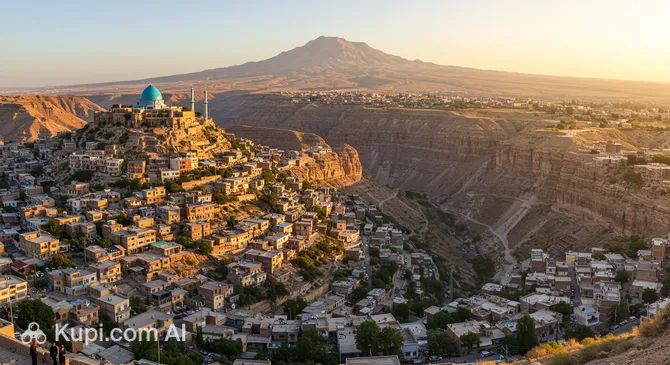
Rawanduz is a true natural oasis in the north of the region, located in the very heart of Kurdistan. The city is nestled among mountain peaks and deep canyons, creating an atmosphere of solitude and harmony with the surrounding world. Travelers discovering Iraq often choose this destination for its breathtaking landscapes and the chance to take a break from the hustle and bustle of major metropolises.

Situated at an altitude of about 800 meters above sea level, the city is surrounded by picturesque cliffs, turbulent rivers, and emerald valleys. With a population of about 95,000, Rawanduz maintains the charm of a small but lively center. Ancient caravan routes intersect here, and the rich history of Rawanduz is felt in every corner, inviting guests to immerse themselves in the past of this region.

Rawanduz. Illustration.
Source: Kupi.com AI

The city plays an important role as a tourist hub for nature lovers and outdoor enthusiasts. The main point of attraction is the impressive Rawanduz Canyon, the views of which leave no one indifferent. Trips to the region's famous waterfalls, where you can feel the power of the water element, are equally popular. For those who prefer a more relaxed vacation, the city offers walks through colorful markets and sunset watching from numerous observation decks.

The atmosphere here is remarkably welcoming: locals are always happy to see tourists and ready to share interesting stories. Rawanduz is a place where traditions are interwoven with natural beauty, creating ideal conditions for those seeking inspiration, adventure, and genuine authenticity.

Weather Overview

The city's climate is characterized by pronounced seasonality, typical for mountain regions in this area. Summer here is truly hot and dry: from June to September, precipitation is virtually impossible, and the thermometer in July and August often reaches +36°C. This time is ideal for those who tolerate heat well and plan to explore the sunny canyons.

The winter period brings significant coolness and humidity. The coldest month is considered to be January, when the average temperature is only +2.2°C, and night frosts down to -2.4°C are possible. Spring arrives with heavy rains—especially in March, which records up to 19 days with precipitation; however, by May, the air warms up to a comfortable +24°C.

When planning your trip, consider these natural contrasts: expect a hot, cloudless summer and a fairly cool, wet winter. May and October are considered the most pleasant for long walks, when moderate warmth sets in. To choose the perfect dates for your trip, we recommend checking the detailed weather in Rawanduz in advance and preparing a wardrobe suitable for the season.

Average monthly temperature

Average monthly precipitation

Interesting Facts

Beyond the main attractions, Rawanduz holds many fascinating secrets that reveal themselves only to the most curious travelers. Here are a few facts to help you get to know this amazing city and its surroundings better:

  • A Natural Masterpiece. The famous Rawanduz Canyon is the result of thousands of years of nature's work: it was literally carved into the cliffs by the river of the same name. The gorges here are so deep and picturesque that the place is considered a true paradise for photographers, and descending to the bottom of the canyon is called a separate thrilling adventure by many tourists.

  • Waterfall on the Banknote. The nearby Gali Ali Beg waterfall is not only the highest in the region (about 12 meters) but also a true national symbol. Its significance is so great that an image of the waterfall adorns the 5-dinar banknote used in a country like Iraq.

  • Legend in the Name. The city's name is often associated with a beautiful legend about a poet named Ron. The second part of the name, "Duz," translates as "citadel" or "tower." This combination symbolizes for the locals the unity of creativity and strength, reminding them of the times when these mountains served as a source of inspiration.

  • Guardians of History. The city has preserved unique ancient mosques, such as the Haji Mahmud Zandi Mosque and the Zozok Mosque. These buildings are not only architectural gems but also important centers of social life, where traditions have been observed and festive rites have been performed for centuries.

How to Get There

Rawanduz is located in a picturesque mountainous area, so the journey itself becomes a small adventure, opening up views of majestic landscapes. To plan your route in detail and consider all the nuances of logistics, we recommend studying all the ways to get to the city, where detailed information for travelers is collected.

Rawanduz does not have its own airport, so the main "air gateway" for tourists is Erbil International Airport (IATA: EBL). It is located in the city of Erbil, which is the administrative center of the region, approximately 65 km from Rawanduz. This is a major modern aviation hub with high passenger traffic. A trip from the airport to the destination by taxi or transfer will take approximately 2 hours, passing through beautiful foothill areas.

As an alternative, you can consider Sulaimaniyah International Airport (IATA: ISU). It is located in the city of Sulaimaniyah at a distance of about 136 km from Rawanduz. This airport has lower passenger traffic compared to Erbil but also accepts international flights. The journey from here will take more time—about 3 hours and 45 minutes by car, which should be taken into account when planning your travel schedule.

For convenience, here is a summary of the main airports located relatively close to the city:

AirportPassenger trafficDistance
Erbil International Airport2.1 mln65 km
Yuksekova155 000108 km
Urmia Airport343 338127 km
Kirkuk76 894127 km
Sulaimaniyah International Airport428 609136 km

There is no direct rail connection to Rawanduz, as the difficult mountain relief limits the development of railways in this part of the country. Motorways remain the main way to travel between cities. Tourists most often use taxi services or rent cars at the arrival airports to comfortably cover the last kilometers of the way to the Rawanduz gorges.

Main Attractions

Rawanduz is a place where time and nature have served as the main architects. The city is not overflowing with classic museums but offers unique natural locations and engineering wonders that take your breath away. Here is a list of places for which travelers head to this mountain region.

Rawanduz Canyon. This is the undisputed signature of the city, often compared to famous canyons on a global scale. The city literally hangs over a deep gorge with sheer cliffs, creating a dramatic and majestic landscape. Tourists come here to stand on the edge of the precipice (exercising caution), enjoy the ringing silence, and take stunning panoramic photos. It is an ideal place for those who want to feel the power of nature.

Pank Resort. A modern tourist complex that has become a center of attraction for families and outdoor enthusiasts. It is known for its rides harmoniously integrated into the mountain landscape. The mountain bobsled (toboggan), with a track that winds among trees and rocks, is particularly popular. The resort is worth visiting for a combination of light adrenaline and the incredible views opening up from the height of the local Ferris wheel and cable car.

Hamilton Road. Although technically a transport artery, it is rightfully considered a historical and tourist attraction. Built in the first half of the 20th century, this road passes through extremely difficult mountain sections, connecting Rawanduz with the outside world. Traveling along it is an excursion in itself: the path goes through tunnels hand-carved in stone, past deep cliffs, and rushing rivers. It is a mandatory route for connoisseurs of scenic road trips and engineering art.

Bekhal Waterfall. Located in close proximity to the city, this waterfall is one of the most beautiful natural sites in the region. The water here does not fall in a single powerful stream but flows in wide jets down rocky slopes, creating a cool oasis. This is a popular spot for relaxation on hot summer days, where you can dine in restaurants by the water and enjoy the fresh mountain air.

Local Cuisine

Rawanduz's cuisine is a true gastronomic reflection of Kurdish traditions, where simple yet incredibly hearty and aromatic dishes are held in high esteem. Locals proudly treat guests to food prepared from the freshest farm products: juicy lamb, beef, and vegetables grown in mountain valleys. The main hit of any feast here invariably remains charcoal-grilled kebab. It is served hot, accompanied by crispy flatbreads, plenty of fresh herbs, and a delicate yogurt sauce that perfectly complements the flavor of the meat.

Travelers should definitely try the local variation of dolma—grape leaves carefully stuffed with a spicy mixture of meat and rice. Another iconic dish is pilaf, which is prepared here in a special way, generously adding raisins and nuts, which gives it an exquisite sweet and spicy note. For those who want a snack on the go, the city streets offer an excellent choice: from hot samsa and shawarma to freshly baked flatbreads, the aroma of which spreads throughout the area.

Food culture in Rawanduz is closely linked to markets and seasonality. On weekends, the central squares come alive: farmers bring famous Kurdish cheese, mountain honey, nuts, and dried fruits. These are the best places not only to buy tasty souvenirs but also to see bread being baked right in front of you. If you are lucky enough to be here in spring or autumn, you might catch gastronomic festivals when the city turns into one big open-air kitchen with music and workshops.

As for drinks, there is a cult of tea. Locals drink sweet tea with cardamom at any time of the day, and refusing a offered cup can be perceived as impolite. In the summer heat, the best salvation is cool, slightly salty ayran, which perfectly quenches thirst. Alcohol is rarely found in traditional Rawanduz establishments due to cultural characteristics, so tourists usually enjoy a rich selection of herbal teas and fresh juices.

Travel Tips

A journey to mountainous Rawanduz promises to be an unforgettable adventure, but like any trip to this unique region, it requires a little preparation. To make your vacation as comfortable as possible and without surprises, we have compiled a list of important recommendations that will help you feel confident in this picturesque corner.

  1. Clothing and Footwear. Given the mountainous terrain, be sure to bring comfortable trekking boots or sneakers with non-slip soles—you will need them for walks in the canyon and the surrounding areas. Even if you are traveling in summer, bring a light jacket or fleece sweater, as evenings in the mountains can be cool. While the region is quite secular, out of respect for local traditions, it is better for both women and men to avoid very short shorts and open tank tops in public places.
  2. Transport. There is no developed public transport system within the city like in major metropolises. The most convenient way to get around is by taxi, which is inexpensive here. For trips to remote waterfalls or the Pank Resort, it is better to agree on a fixed price with the driver in advance or rent a car with a driver for the whole day. If you plan to rent a car for self-driving, be prepared for difficult serpentines and narrow mountain roads.
  3. Finances. The official currency is the Iraqi Dinar, but US dollars are also often accepted. Bank cards do not work everywhere (mostly only in large hotels), so cash is vital. ATMs are harder to find in Rawanduz than in Erbil, so we recommend withdrawing or exchanging money in a larger city beforehand.
  4. Health and Safety. Rawanduz is a calm and welcoming city, but basic precautions should be observed. There are pharmacies here, but the range of medicines may differ from what you are used to, so it is better to have your own mini-first aid kit. Also, be sure to use sunscreen and wear a hat: the sun in the mountains is very active even in cloudy weather.
  5. Communication and Internet. The main language of communication is Kurdish (Sorani); many locals also understand Arabic. English is not spoken everywhere, so we recommend downloading an offline translator. For stable internet access, it is better to buy a local SIM card (such as Korek or Asiacell) immediately upon arrival, as Wi-Fi in small cafes can be spotty.
  6. Local Etiquette. Residents of the region are famous for their hospitality. When meeting, it is customary to shake hands, and a slight bow of the head with the right hand placed over the heart expresses special respect. If you are invited for tea—and this happens often—refusing is considered impolite. Drink at least one cup to maintain the conversation and show respect for the host's hospitality.
  7. What to Avoid. Strictly refrain from photographing any sensitive official buildings, checkpoints, or police stations—this can raise serious questions with security services. Also, try to avoid discussing sensitive political topics; it is better to focus on conversations about the beauty of nature, culture, and cuisine, which are always received with enthusiasm by the locals.
  8. Tip for Photographers. The most impressive shots of Rawanduz Canyon are taken at sunset, when the cliffs are colored in deep orange and red tones. Plan your visit to the observation decks specifically for the pre-sunset hours ("golden hour") to catch this magical light.

By following these simple tips, you can avoid minor inconveniences and fully focus on the splendor of nature and the cultural richness of Rawanduz. May your journey to Iraq be filled with bright emotions, delicious food, and warm encounters!

Entertainment & Nightlife

Nightlife in Rawanduz differs significantly from the noisy parties of large metropolises. You won't find districts with nightclubs or discos open until dawn here. Evening leisure in this mountain region is permeated with an atmosphere of tranquility, Oriental hospitality, and coziness. Life after sunset centers around socializing, gastronomy, and contemplating the night landscapes when the mountains are plunged into darkness and the city lights up with thousands of glows.

The main center of evening attraction is rightfully considered Pank Resort. It is not just a park, but the heart of the city's entertainment life, located on top of a plateau. At dusk, bright lights come on, and the complex comes alive: attractions operate, evening cafes open, and local families and tourists go out for a promenade. This is the best place to see the city at night from a bird's-eye view, riding the Ferris wheel or simply strolling along well-maintained alleys in the cool mountain air.

The gastronomic part of the nightlife is concentrated in restaurants located along the edge of the canyon and on the main streets. Dinner here is a long ritual. Establishments are usually open until 11:00 PM or midnight. Instead of the usual bars, Rawanduz is dominated by tea house culture (Chaihana). The city center and the Old Bazaar district fill with the aromas of strong tea and hookah in the evening. Tea houses are social clubs where men gather to discuss news and play dominoes. Tourists are always welcome here, and visiting such a place is the best way to immerse yourself in the authentic atmosphere of Iraq.

As for daytime entertainment, it is more relaxed and educational in nature. The city lacks large museums or theaters, so cultural leisure is often combined with nature walks. Travelers visit city parks for picnics or head out to explore the architecture of old quarters where the spirit of the past is preserved. During the day, you can also visit local markets, which serve as exhibition centers for folk life and crafts.

Practical tips for evening leisure:

  • Safety. Rawanduz is considered one of the safest cities in the region. Evening walks here are comfortable; however, some streets may not be sufficiently lit, so a phone flashlight will be useful.
  • Dress Code. When heading out for dinner or to a park in the evening, prefer a modest clothing style. The public here is conservative, and "club" outfits will look out of place.
  • Transport. Public transport does not run at night. If you stay late at a restaurant or Pank Resort, arrange for a taxi in advance or agree with a driver to pick you up, as "hailing" a car on the street at night can be difficult.
  • Alcohol. It is almost impossible to find alcohol bars in the city due to cultural traditions. Most establishments offer an excellent selection of tea, coffee, fresh juices, and non-alcoholic cocktails.

Parks & Museums

Rawanduz is a city where the boundaries between man-made exhibitions and natural masterpieces are virtually blurred. You are unlikely to find classic museum halls with glass display cases here; however, the entire region resembles a huge open-air museum dedicated to the history of the Emirate of Soran and the majestic nature of Kurdistan. Green zones here are not just squares, but breathtaking landscape parks integrated into the rugged mountain terrain.

Pank Resort Park. Although this place is known for its rides, its landscaped part deserves separate attention as the city's main green zone. The park, located on top of a mountain plateau, is a well-kept garden with alleys, flower beds, and shaded areas for relaxation. It is an ideal location for leisurely walks where you can enjoy fresh air and panoramic views of the surrounding gorges. Tourists appreciate this park for the opportunity to see how modern landscape design harmoniously blends with wild mountain nature.

Bekhal Nature Area. Located very close to the city, this corner of nature serves as the region's main "water garden." Unlike formal city parks, there is a riot of greenery here, nourished by the waters of the waterfall. Walking paths wind between rocks and trees, allowing visitors to feel the coolness even on the hottest day. This place attracts travelers with its natural beauty and the opportunity to relax by the water surrounded by picturesque cliffs.

Speaking of cultural heritage, it is important to understand that Rawanduz itself is a historical monument. There are no large state museums in the city, but history lives here in the architecture and legends.

The Legacy of Wasta Rajab. Although the famous "Rawanduz Cannon" (a historical 19th-century weapon) is now located in museums in other cities, Rawanduz remains the place of its creation. Locals carefully preserve the memory of the master Wasta Rajab, who served at the court of the Prince of Soran. Strolling through the old quarters, you can see places associated with the heyday of the emirate, which serve as a living illustration of the region's military and engineering history.

Open-Air Engineering Museum: Hamilton Road. This strategic highway is often called a museum of engineering art. Built in 1928–1932, it was cut through mountains and gorges. The surviving original sections of the road, bridges, and tunnels demonstrate the incredible labor of last century's builders. For lovers of history and technology, this is a real exhibit spanning dozens of kilometers, telling the story of infrastructure development in difficult conditions.

For those seeking authentic experiences, we suggest paying attention to the Old Bazaar of Rawanduz. This is not a museum in the direct sense of the word, but it is here that the city's living culture is best preserved. Ancient shops, traditional crafts, and the architecture of the trading rows allow you to immerse yourself in the atmosphere of the past, which cannot be recreated in artificial exhibitions. Here you can see household items that have been used in Iraq for centuries and chat with the keepers of local traditions.

Getting Around

The public transport system in Rawanduz has its own unique features, shaped by the mountain landscape and the city's small size. You won't find the usual metro, trams, or trolleybuses here. The municipal bus network within the city is also virtually non-existent. The main burden of passenger transport falls on taxis and private vehicles, making movement around the city a specific but colorful experience.

The main means of transport for tourists are taxis. Cars are usually painted beige or yellow and are easy to find in the city center, near bazaars, and popular observation points. Taximeters are rarely used here, so there are no fixed fares around the city. For intercity communication and trips to neighboring villages, small minibuses (marshrutkas) are used, which depart from special parking areas (garages) as the cabin fills with passengers.

Payment for the trip is made exclusively in cash. There are no transport cards, passes, or mobile apps for contactless payment in Rawanduz's transport. Settlement with the driver takes place at the end of the trip in the local currency. Taxi prices within the city are quite reasonable, but the cost of a trip to remote attractions, such as waterfalls or the Pank Resort, will be higher and depends on your ability to bargain.

A practical tip for travelers: always agree on the price before getting into the car. This is a common practice that will help avoid misunderstandings. It is also recommended to have small bills with you, as drivers often do not have change for large banknotes. Public transport and taxis are most active during daylight hours; after sunset, finding a car on the street becomes significantly more difficult, so evening trips are better planned in advance by agreeing with a driver on the return time.

Alternatively, many tourists choose car rental. Since car-sharing and bike rental services are not developed in the city, a private car becomes the best way to explore the surroundings. It is most convenient to rent a car in large cities upon arrival in the region (for example, in Erbil), as the choice of rental companies in Rawanduz itself is limited. Having a car gives you freedom of movement along picturesque serpentines but requires confident mountain driving skills from the driver.

Accommodation

The choice of accommodation in Rawanduz, as in many small mountain towns, does not offer the vast variety found in metropolises, but it possesses its own unique charm. You won't find international chain hotels or skyscrapers with apartments here. The main hospitality stock consists of cozy tourist cottages, small motels, and guest houses geared towards nature lovers. The primary value of local accommodation is not the luxury of interiors, but the breathtaking views of mountain ranges and deep gorges from the window.

The most popular and picturesque area for tourists to stay is the upper part of the city, especially the zone around the Pank Resort complex. This place is considered elite by local standards: comfortable houses and villas are located here, standing almost on the edge of the famous canyon. Staying in this location allows you to enjoy sunset panoramas without leaving your room and to be within walking distance of the main entertainment. For those looking for more budget options, small hotels in the city center, closer to the old markets, are suitable. They offer a basic set of amenities but allow you to immerse yourself deeper into the daily life of the local population.

It is important to consider that Rawanduz is an extremely popular destination for domestic tourism, especially in the summer months when residents of the plains escape the heat here. Therefore, the main booking tip is to plan your trip in advance. During the peak season (from May to September) and on holidays, finding a free cottage upon arrival can be problematic. Many accommodation facilities here are separate houses with several bedrooms and their own kitchen, making them an ideal option for families and large groups.

The price range varies from budget to mid-range. The cost of staying in simple motels within the city limits will be very affordable, whereas renting a villa with a view of the canyon will cost significantly more. As for booking methods, major international online platforms operate limitedly here. Most often, tourists find accommodation through local travel agencies or social networks, as well as by phone. You should be prepared for the fact that in most cases, payment is accepted only in cash in the local currency.

Nearby Cities

For those who want to explore the surrounding area, Rawanduz serves as an excellent starting point for day trips to several interesting nearby locations:

CityPopulationDistance
Harir28 51817 km
Shaqlawa25 00029 km
Rania257 57752 km
Derecik11 26454 km
Barzan56 km

If you have time for a short trip, be sure to check out the following cities, each of which has its own unique character:

Erbil. Located just an hour's drive away, this city is the administrative and cultural heart of the region. The main reason to visit Erbil is its famous Citadel, a UNESCO World Heritage site. It is one of the oldest continuously inhabited places in the world. After a walk along the ancient walls, it is worth going down to the Qaysari covered bazaar to buy local sweets, fabrics, and souvenirs, feeling the rhythm of a big city.

Akre. This city, located less than 60 km from Rawanduz, is often called one of the most picturesque in the country. The old part of Akre is built in terraces right on a steep mountainside, so the roof of one house often serves as the yard for another. It is an ideal place for lovers of photography and ancient architecture. Here you can explore the ruins of an old fortress and enjoy breathtaking panoramas of the valley.

Rania. Located in a scenic area, this city attracts travelers with its proximity to the beautiful Lake Dukan. A trip to Rania is an excellent choice for those who want to spend a day in nature. The city's surroundings are famous for picnic spots and quiet relaxation by the water, making it a popular destination for family weekend trips.

These nearby destinations provide an insight into the diverse culture and landscapes of the region.

Shopping & Souvenirs

General Overview

Shopping in Rawanduz is, above all, an immersion into the authentic atmosphere of the East and an introduction to local traditions, rather than a pursuit of global brands. The city cannot boast of luxury boutiques or giant malls, but therein lies its charm. Trade here is local in nature: it consists of small family shops and colorful bazaars selling goods produced in the surrounding mountains and valleys. For tourists, this is an excellent opportunity to purchase unique products and items that cannot be found in standard stores.

Main Shopping Areas and Streets

The city's commercial life is concentrated in its central part. The main shopping rows are located along the central streets leading to the old market. Strolling here, you will find many small shops offering everything from clothing and footwear to household goods and electronics. This is a lively place where locals do their daily shopping, socialize, and drink tea right at the entrances to the shops.

Shopping Centers

There are no large modern shopping and entertainment centers in Rawanduz of the kind common in metropolises. The "shopping mall" format is not developed here. If your goal is to buy branded clothing, perfumes, or electronics, it is better to plan a trip to neighboring Erbil, where the selection is significantly wider. In Rawanduz itself, trade is conducted in the format of small specialized stores or mini-markets.

Markets

The heart of urban trade is the Central Bazaar (Souq). This place is a must-visit, even if you don't plan to buy anything. The market is filled with the aromas of fresh bread, spices, and grilled meat. Here, farmers from surrounding villages sell the freshest seasonal fruits, vegetables, herbs, and dairy products. Of particular interest are the rows with nuts and dried fruits, for which this mountain region is famous. The atmosphere at the bazaar is friendly, and sellers often offer to let you try the product before purchasing.

Souvenirs

From a trip to Rawanduz, it is worth bringing back gastronomic souvenirs that are considered the region's hallmark. First and foremost, pay attention to mountain honey—it is natural, aromatic, and of very high quality here. Walnuts, almonds, figs, and traditional Kurdish sweets are also popular. Fans of ethnography should look at fabrics with national patterns or elements of traditional Kurdish clothing, which can be found in shops at the bazaar. Occasionally, items from local craftsmen are found, such as knives or simple ceramics.

Opening Hours and Payment

Shops in the city usually open around 9:00 AM and work until late in the evening (9:00 PM–10:00 PM), often with a break for lunch or prayer in the middle of the day. The market starts earlier, at sunrise. The main and often only method of payment is cash (Iraqi dinars). Bank cards are practically not accepted anywhere, so be sure to withdraw cash before going shopping. In private shops and at the market, it is appropriate and even expected to bargain, but you should do so with a smile and respect for the seller.

Tax Free

The tax refund system (Tax Free) does not operate in Rawanduz, as in most small cities in a country like Iraq. Prices for goods here are usually final or formed during the bargaining process, and you won't need to fill out any additional receipts for customs.
Reached the end of the page?

That means the route is fully explored