Support

Sardasht

About

Sardasht is a charming city nestled in the West Azerbaijan Province in northwestern Iran. Thanks to its geographical location among picturesque mountains, it attracts nature lovers and outdoor enthusiasts. With a population of about 50,000, Sardasht maintains the atmosphere of a small but welcoming town, offering a unique blend of natural beauty and cultural traditions.
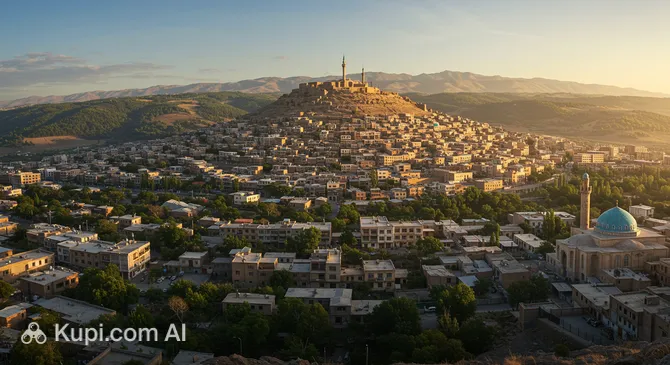
Sardasht. Illustration.
Source: Kupi.com AI

The atmosphere in Sardasht is calm and inviting, making it an excellent choice for those seeking seclusion and a break from the city bustle. One of the main gems of the region is the Shalmash Waterfall, a popular spot for both tourists and locals. Additionally, the proximity to mountain ranges opens up great opportunities for hiking and exploring the surroundings. The city and its environs also boast ancient ruins, historical monuments, and healing natural springs.

If you are looking for a place where you can enjoy the beauty of nature, get acquainted with a rich cultural heritage, and relax your soul, Sardasht will warmly welcome you and provide unforgettable experiences.

You can find more interesting facts on the Sardasht city history page.

Weather Overview

The weather in Sardasht is characterized by noticeable seasonal changes. Summers, especially in July and August, are hot and dry, with average temperatures around 27°C and maximums reaching 35°C. Precipitation in the summer months is practically non-existent. Winters, by contrast, are cold: the average temperature in January is about 0.5°C, with minimum values dropping below zero. A small amount of precipitation falls in winter and early spring, with March being one of the wettest months with about 17 rainy days. Spring and autumn are transitional seasons with moderate temperatures and variable weather.

Overall, Sardasht is characterized by hot and very dry summers, and cold winters with a moderate amount of precipitation. To find out more details, you can see more about the weather in Sardasht.

Average monthly temperature

Average monthly precipitation

Interesting Facts

Beyond its well-known attractions, Sardasht holds many surprising features and curious details. Here are a few facts that reveal the unique character of this city and its surroundings:

  • One of the main natural gems of the region is the Shalmash Waterfall, located near Sardasht. It is renowned as one of the most picturesque waterfalls in all of Iran and attracts many nature lovers.

  • Sardasht and its surroundings are rich in ancient historical monuments. Among them, the Sartka Citadel and the Qizqapan tomb stand out as silent witnesses to the rich cultural heritage of this land, attracting researchers and tourists alike.

  • The city is known for its distinctive traditions and customs. The residents of Sardasht carefully preserve ancient ways and festivals, which remain an integral part of their cultural identity and daily life.

How to Get There

The most convenient way to reach the city of Sardasht, located in the Iranian province of West Azerbaijan, is through one of the nearest regional or international airports, as the city does not have its own airport. After arrival, a ground transfer will be required, which can take several hours depending on the chosen airport and road conditions.

One of the most convenient options is Sulaymaniyah International Airport (IATA: ISU), located in the city of Sulaymaniyah (Iraq). It is approximately 67 km southwest of Sardasht. This is a major international hub, from where you can reach Sardasht by taxi or rental car in about 2 hours. If you plan your trip through Sulaymaniyah International Airport, keep in mind the necessity of a border crossing.

Another major international airport is Erbil International Airport (IATA: EBL), located in the city of Erbil (Iraq), about 137 km northwest of Sardasht. The car journey from Erbil International Airport to Sardasht takes approximately 3 hours and 45 minutes, also accounting for the border crossing. The airport serves many international destinations.

If you prefer to arrive at an airport within Iran, the closest option is Urmia Airport (IATA: OMH), located in the Iranian city of Urmia, about 172 km north of Sardasht. This is a regional airport primarily serving domestic flights within Iran. The drive from Urmia Airport to Sardasht takes about 4 hours and 40 minutes.

The choice of airport will depend on your route, flight availability, and preferences regarding border crossings if arriving from Iraq. It is recommended to check visa requirements and border crossing conditions in advance.

For clarity, here is a summary of the main airports from which you can reach Sardasht:

AirportPassenger trafficDistance
Sulaimaniyah International Airport428 60967 km
Kirkuk76 894127 km
Erbil International Airport2.1 mln137 km
Sanandaj Airport304 398171 km
Urmia Airport343 338172 km

In addition to air travel, Sardasht can be reached by road from other cities in Iran. A road network exists in the region; however, consider the mountainous terrain, which can affect travel time. It is recommended to check road conditions in advance, especially during winter, and plan your route carefully.

Main Attractions

Sardasht and its surroundings primarily attract travelers with their picturesque nature and unique geological features. While the city is not overflowing with world-famous monuments, there are several places that definitely deserve attention.

One of the main natural pearls of the region is the Shalmash Waterfall. This is a cascade of three scenic waterfalls located in a beautiful forested valley. The path to them is usually well-equipped, making the walk pleasant and accessible. Shalmash is an excellent spot for a picnic, outdoor relaxation, and enjoying the beauty of Iranian nature. The waterfalls look particularly impressive in spring when meltwater fills the river.

Another unique natural phenomenon is the Geravan Hot Spring (Kani Gravan). This spring is famous not only for its mineral waters, which are believed to have healing properties but also for its unusual appearance. Over many years, the salt-rich water has created colorful travertine deposits around the spring, forming a kind of mini-volcano. This place attracts both those wishing to improve their health and curious tourists interested in geological wonders.

For those interested in history and ancient architecture, the Qaleh Tasian Bridge (also known as the Lasaka Bridge) may be of interest. This stone arch bridge spanning the river is an example of traditional regional bridge building. While it may not compare in scale to Iran's most famous historical bridges, it has its own charm and fits organically into the surrounding rural landscape, serving as a reminder of the ancient trade routes that once passed through here.

Overall, the surroundings of Sardasht are a true paradise for eco-tourism and outdoor activity enthusiasts. Mountains covered with thick forests, clean air, and the chance to see untouched corners of nature make this region attractive for those seeking seclusion and new experiences away from noisy tourist routes. Hiking through the valleys and foothills of the Zagros Mountains will offer unforgettable views and allow for a closer look at the flora and fauna of West Azerbaijan.

Local Cuisine

A gastronomic journey through Sardasht promises an introduction to authentic Iranian cuisine, where every dish reflects the richness of local traditions and the generosity of nature. The foundation of many culinary masterpieces consists of fresh local ingredients and aromatic spices. An absolute favorite that every guest of the city should try is kebab. It is prepared from choice meat with the addition of a unique bouquet of spices, giving it a distinctive taste and aroma.

In addition to kebab, Sardasht's culinary map will delight you with a variety of pilafs and hearty soups. These dishes are an integral part of the Iranian table and are prepared according to ancient recipes passed down through generations. Each pilaf variant has its own characteristics, while the filling soups will warm you and provide energy for further discoveries.

The central place among drinks in Sardasht is undoubtedly held by tea. It is not just a drink, but an important part of the culture and a symbol of Iranian hospitality, offered everywhere. Tourists can also try various traditional non-alcoholic drinks, such as refreshing sherbets or doogh (a yogurt-based drink), which are characteristic of Iranian cuisine. As for alcoholic beverages, in accordance with local customs and legislation, they are not a widely available part of the public gastronomic offering for tourists.

You can experience the true taste of Sardasht not only in restaurants but also at busy street stalls and farmers' markets. Here you will find the freshest seasonal products, local delicacies, and can watch traditional dishes being prepared. This is a great opportunity to immerse yourself in the daily life of the city and discover new gastronomic experiences.

Overall, the Sardasht gastronomic scene is characterized by its commitment to tradition, the use of high-quality local products, and sincere hospitality. You may not find an abundance of ultra-modern establishments here, but you can enjoy real, home-style Iranian cuisine full of flavor and history. Trying a juicy kebab, fragrant pilaf, and traditional soup means touching the soul of this region of Iran.

Travel Tips

Welcome to Sardasht! To ensure your journey to this unique corner of Iran is as comfortable and pleasant as possible, we have prepared some practical tips. We hope they help you better plan your trip and enjoy the hospitality of this city.

  1. Clothing and Essentials: There is a dress code in Iran that is important to follow. Women are recommended to wear loose clothing covering the arms and legs, along with a headscarf (hijab). Men should avoid shorts and sleeveless shirts in public places; long trousers and shirts are the best choice. Sardasht has a continental climate, so choose clothing according to the season: warm in winter and light but modest in summer. Be sure to bring comfortable walking shoes, sunscreen, a hat, and a universal power adapter.
  2. City Transport: Sardasht is a relatively small city, so you can get around by taxi. Clarify the fare before getting in or ensure the driver uses a meter. Public transport may be represented by buses and shared taxis (savari). Car rental is possible, but keep in mind local traffic patterns. For many central areas, walking is also a good option.
  3. Finance: The official currency is the Iranian Rial (IRR). It is critically important to know that international bank cards (Visa, Mastercard, etc.) are practically not accepted in Iran. You will need to bring enough cash (US dollars or Euros) and exchange them for Rials at official exchange offices (sarrafi) or banks. ATMs mainly serve local cards. Tipping is not strictly mandatory but is always appreciated for good service (usually 5-10%).
  4. Health and Safety: Pharmacies (dārukhāneh) are available in Sardasht, but for serious medical assistance, tourists may need to go to clinics in larger cities. It is recommended to have travel insurance that covers medical expenses in Iran. Sardasht is generally considered a safe city; however, observe standard precautions: watch your belongings and avoid walking alone in poorly lit areas late at night.
  5. Communication: The primary language is Persian (Farsi). Kurdish is also widely spoken in this region. English is not very common, especially among the older generation and outside tourist zones. Learning a few basic phrases in Farsi will be very helpful and appreciated by the locals. A local SIM card can be purchased upon arrival by presenting your passport. Wi-Fi is available in some hotels and cafes, though speed and availability may be limited.
  6. Local Etiquette: Iranians are very hospitable. Greetings usually involve a handshake (between men and between women; if you are a man, wait for a woman to extend her hand first). Show respect for elders. It is customary to remove shoes when entering a house. Taarof is an important part of Iranian culture—it is a system of etiquette where something might be offered out of politeness, and you are expected to refuse several times before accepting.
  7. What to Avoid: Categorically avoid consuming alcohol, as it is prohibited in Iran. Do not photograph people without their explicit permission, especially women and religious sites where it may be forbidden. Refrain from public displays of affection and criticism of local customs, religion, or local laws.
  8. Additional Tip: Sardasht is located in a picturesque mountain region. Be sure to set aside time to enjoy the surrounding nature and visit local markets, where you can find unique goods and try fresh products. The local cuisine, combining Iranian and Kurdish traditions, also deserves your attention.

We hope these tips make your stay in Sardasht unforgettable. This city, with its rich culture and beautiful nature, is sure to leave you with warm memories!

Entertainment & Nightlife

When planning your evening leisure in Sardasht, it is worth remembering that nightlife here has its own cultural characteristics and differs significantly from what is common in many Western cities. Instead of noisy nightclubs, bars, or large concert venues, evening entertainment in Sardasht is focused on more tranquil and family-oriented forms of relaxation that reflect local traditions.

The primary places for a pleasant evening in Sardasht are local restaurants and traditional tea houses (chai-khanehs). Here, you can enjoy authentic Iranian cuisine, drink aromatic tea with friends or family, and immerse yourself in the hospitable atmosphere. Unfortunately, we currently do not have specific names of restaurants or tea houses from the Sardasht attractions list that are open in the evening and suitable for such leisure. However, finding a suitable place is not difficult: such establishments are often located on central streets, near bazaars, or main squares. Feel free to ask for recommendations from your hotel staff or locals—they will be happy to suggest good options for dinner or evening tea.

The atmosphere in Sardasht during the evening is usually very calm and conducive to conversation. Most visitors are local families and groups of friends. As for the dress code, here, as in Iran as a whole, it is customary to adhere to modesty in clothing. For women, this means clothing that covers the arms and legs and a headscarf; men should also avoid overly revealing clothing, such as shorts or sleeveless shirts, especially when visiting traditional establishments.

The best time for evening outings is after the daytime heat has subsided. Moving around the city after dark is most convenient by taxi. It is recommended to always clarify the fare with the driver in advance or use official taxi services if available. Generally, catering establishments stay open until late evening but not around the clock, so check closing times in advance.

Sardasht is generally considered a fairly safe city. Nevertheless, as in any other place, standard precautions should be observed: avoid walking in poorly lit and deserted places late at night and be mindful of your personal belongings, especially in busy areas.

Regarding daytime entertainment, Sardasht and its surroundings offer opportunities to explore local culture and nature. Depending on their availability, these may include small local history museums, historical monuments, or scenic parks and natural areas perfectly suited for leisurely walks and outdoor relaxation. Information about such places is also best clarified upon arrival in the city.

Parks & Museums

Sardasht, situated among the picturesque landscapes of Iran, offers travelers the chance to enjoy both natural beauty and local culture. Although the city may not boast many large museum complexes, its charm lies in its surrounding nature and authentic atmosphere waiting to be explored.

The surroundings of Sardasht are famous for their natural beauty. The majestic Zagros Mountains frame this region, offering magnificent opportunities for walking, trekking, and enjoying breathtaking panoramic views. Tourists can explore local trails leading to secluded valleys and peaks. Not far from the city, you can find scenic waterfalls, such as the well-known Shalmash Waterfall, which is a popular vacation spot. These natural oases are ideal for picnics and outdoor relaxation, allowing you to escape the city bustle and immerse yourself in the tranquility of Iranian nature.

Regarding museums and cultural institutions, in Sardasht, as a relatively small city, there may not be large state museums with extensive exhibits. However, this does not mean there are no opportunities to get acquainted with the local culture. Travelers interested in history and traditions should look for small local exhibitions or craft workshops where you can see traditional handicrafts reflecting the rich Kurdish heritage of this region. Such places allow you to touch the living culture and learn more about the traditions and daily life of the locals.

The historical heritage of the region also deserves attention. While there may not be world-renowned architectural monuments in Sardasht itself, its surroundings hold traces of ancient settlements. A stroll through the old parts of the city, if any remain, or exploring traditional local architecture can provide interesting discoveries and help better understand the historical context of this land.

For a truly authentic Sardasht experience, we recommend visiting the local markets. Here, you can observe the daily life of the townspeople, try local products, and perhaps purchase unique handmade souvenirs. Do not miss the chance to interact with the locals while respecting cultural traditions—it is the best way to learn about the city's hidden gems and gain unforgettable impressions from your trip.

Getting Around

Public transport in Sardasht is adapted to the city's size and needs. You can move around the city by bus and taxi, including the popular shared taxis.

The main form of public transport is city buses. They run on established routes connecting various districts of Sardasht. It is best to check schedules and routes locally, as they may not always be obvious to a tourist. Bus fares are usually paid in cash directly to the driver or conductor upon boarding. It is recommended to carry small bills for convenience.

Shared taxis (savari) are widespread. This is a popular and relatively inexpensive way to get around. Savaris often follow specific routes, picking up passengers along the way, or they can be hired for an individual trip (in which case the cost will be higher and should be discussed in advance). Payment is also made in cash to the driver.

Larger public transport systems, such as a metro, trams, or trolleybuses, do not exist in Sardasht, which is typical for cities of this size. Specialized tourist passes or transport cards are generally not provided; the main method of payment is cash.

Practical tips for tourists:

  • Always carry enough cash in small denominations to pay for fares.
  • If you do not speak Farsi, it is useful to have the name of your destination written in the local language to show the driver.
  • Buses and shared taxis usually start operating early in the morning and finish in the evening. On Fridays (a holiday) and during low-activity hours, traffic may be less frequent.

As an alternative to public transport, regular taxis are always available. They can be found at stands, called by phone (if local service numbers are known), or simply hailed on the street. The cost of a taxi ride should be agreed upon with the driver before starting the trip, especially if a meter is absent or not used. Car-sharing services or developed bike-rental systems are likely not common in Sardasht.

Accommodation

In the city of Sardasht, travelers can find various accommodation options to suit different preferences and budgets. Although the choice may not be as wide as in large metropolises, you can find comfortable lodging for your stay.

Mainly, tourists have access to guesthouses, small local hotels, and possibly apartments for short-term rent. The price range varies from budget options to mid-range accommodation. Luxury international hotel chains are less common here, with the emphasis placed on more authentic and local hospitality.

When choosing a place to stay, consider areas closer to the city center or main transport hubs, which will provide convenient access to local attractions and infrastructure. Generally, more tourist-oriented options are concentrated in such locations.

It is recommended to book accommodation in advance, especially if your trip coincides with the popular tourist season or local holidays. This will help you secure the best choice and avoid inconvenience. Booking can be done through available online platforms or, in some cases, by contacting hotels or guesthouses directly.

Nearby Cities

For those looking to explore the surroundings, Sardasht serves as an excellent starting point for day trips to several interesting nearby locations:

CityPopulationDistance
Qaladiza36 79232 km
Baneh110 21840 km
Rania257 57754 km
Sulaymaniyah878 14666 km
Piranshahr138 86467 km

These nearby destinations offer insight into the diverse culture and landscapes of the region.

Shopping & Souvenirs

Shopping in Sardasht offers tourists an immersion into the traditional trade atmosphere characteristic of cities in Iran, especially in Kurdish regions. You are unlikely to find large modern malls here, but you can enjoy the color of local bazaars and purchase authentic goods. The main focus should be on handmade items and local products.

The primary shopping points in Sardasht are generally concentrated on the city's central streets and in the area of the traditional bazaar. Walking through these busy places, you will find many small shops and stalls offering a variety of goods—from everyday needs to potential souvenirs.

Large shopping centers in the European sense likely do not exist in Sardasht. The city maintains a more traditional way of trading, where small private shops and markets play the main role. This gives shopping a special, authentic character.

The central bazaar (if present in its classic form, typical for Iranian cities) is the heart of trade life in Sardasht. Here you can find fresh fruits, vegetables, aromatic spices, tea, nuts, as well as handicrafts, fabrics, and household items. Visiting the bazaar is not just a chance to shop but also to dive into the local culture.

As souvenirs from Sardasht, it is worth looking at traditional Kurdish crafts. These could be small carpets or kilims with characteristic patterns, woodwork, ceramics, national clothing, or its elements. Also popular are local sweets, honey, various nuts and dried fruits, and, of course, Iranian spices, especially saffron.

Shops in Sardasht usually operate from morning (around 9:00-10:00) until evening (until 20:00-21:00), and many may close for a lunch break in the middle of the day. Friday is a day off in Iran, so some shops may be closed or work on a reduced schedule. The primary means of payment is cash—Iranian Rials (IRR). International bank cards (Visa, Mastercard, etc.) are generally not accepted in Iran, so tourists need to carry a sufficient supply of cash.

Tax Free refunds for tourists in Iran are not currently widespread and are practically unavailable for most purchases.

Reached the end of the page?

That means the route is fully explored