Support

Baneh

About

Baneh is a wonderful city nestled among picturesque green hills and mountains in northwestern Iran, within the Kurdistan Province. Its proximity to the border with Iraq makes Baneh a unique gateway to the world of original Kurdish culture and ancient traditions. Fresh mountain air and breathtaking landscapes create a unique atmosphere of peace and inspiration here, especially for those seeking a connection with nature.
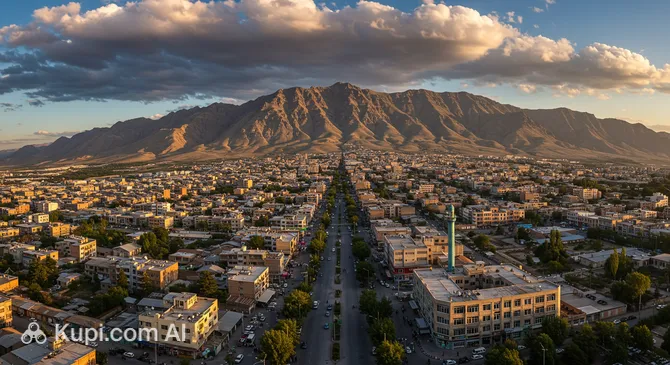
Baneh. Illustration.
Source: Kupi.com AI

With a population of about 110,000 people, Baneh is one of the significant cities of the region and the administrative center of the county of the same name. Historically, its location at the crossroads of trade routes played a key role in its development. Today, the city is famous for its bustling markets, where you can find everything from traditional Kurdish fabrics and handicrafts to modern goods, attracting both locals and visitors alike.

The atmosphere in Baneh is remarkably friendly and hospitable. Locals take pride in their culture and are always happy to share it with travelers. Walking through the narrow streets of the city, getting to know the rich local traditions, and enjoying the beauty of the surrounding nature turn a visit to Baneh into a true adventure. It is an ideal place for those looking to discover authentic Iran, far from the standard tourist routes.

If you value authenticity, love exploring uncharted corners, and are ready to immerse yourself in a new culture, Baneh will surely enchant you with its color and leave you with unforgettable impressions.

You can find more interesting facts on the Baneh city history page.

Weather Overview

The weather in Baneh is characterized by significant seasonal fluctuations. Summer, especially in July and August, is very hot and dry, with average temperatures around 26°C and peaks reaching 34°C. Precipitation in the summer months is practically non-existent. Winters, by contrast, are cool, with January as the coldest month, when the average temperature drops to -0.4°C and the minimum can reach -4.7°C. A small amount of precipitation falls in the winter months, about 3-5 mm per month.

Spring and autumn are transitional seasons with moderate temperatures. Overall, Baneh is characterized by hot, dry summers and cool winters with little precipitation. For more detailed information about weather conditions, you can check the Baneh climate.

Average monthly temperature

Average monthly precipitation

Interesting Facts

In addition to its picturesque landscapes and hospitable atmosphere, Baneh holds many curious details and stories that make it even more attractive to travelers. Here are some interesting facts about this Iranian city:

  • Baneh has long served as an important trade hub at the crossroads of caravan routes. This tradition lives on today—its markets attract buyers looking for good deals, even from neighboring countries.

  • The city is famous for its craft traditions. Magnificent carpets are still woven by hand here, and traditional Kurdish national costumes decorated with bright and complex ornaments are made. The art of weaving is passed down from generation to generation, and Kurdish fabrics from Baneh are valued for their high quality and unique patterns.

  • Baneh is the birthplace of many famous Kurdish poets and musicians, making it a significant cultural center. The city regularly hosts festivals where you can hear live folk music, see spirited dances, and enjoy poetry readings in the Kurdish language.

  • Many ancient legends and stories are connected with the city. One of the most intriguing tells of the existence of mysterious underground passages that, rumor has it, connected Baneh with surrounding villages and were used to protect residents during ancient invasions.

How to Get There

There are several ways to get to the city of Baneh, located in the Kurdistan province of western Iran. Since Baneh does not have its own airport, the most convenient option for many travelers, especially international ones, is to fly to one of the nearest airports followed by a ground transfer.

Among the nearest air harbors, several stand out. A primary option for arrival could be Sulaimaniyah International Airport (IATA: ISU), located in the city of Sulaymaniyah (Iraq), approximately 70.5 km from Baneh. This is a major airport, and the journey from there to Baneh by taxi or bus takes about 2 hours. Another significant international airport is Erbil International Airport (IATA: EBL), located in Erbil (Iraq) at a distance of about 175 km. The journey from there to Baneh can take roughly 4.5–5 hours. If you are looking for an airport within Iran, the nearest is Sanandaj Airport (IATA: SDG), located in the city of Sanandaj, approximately 131.6 km from Baneh. This airport has less passenger traffic, and the road from it to Baneh will take about 3.5–4 hours.

For clarity, here is summary information on the main airports through which you can reach Baneh:

AirportPassenger trafficDistance
Sulaimaniyah International Airport428 60971 km
Sanandaj Airport304 398132 km
Kirkuk76 894151 km
Erbil International Airport2.1 mln175 km
Urmia Airport343 338199 km

After arriving at one of these airports, the further journey to Baneh usually continues by taxi or intercity buses. It is also worth noting that Baneh is connected by roads with other Iranian cities, so traveling by private car or scheduled bus from other regions of the country is also a possible option.

Main Attractions

The city of Baneh, nestled in the Iranian province of Kurdistan, offers its guests not only an introduction to an original culture but also several interesting places that will make your trip rewarding. Although Baneh may not be as well-known as major tourist centers, it has its own unique attractions.

One of the main reasons for Baneh's popularity among visitors, especially from neighboring regions, is its numerous shopping centers and bazaars. Thanks to its border location, the city has become an important trade hub. Here you can find a wide range of goods—from household appliances and electronics to clothing, carpets, and local products at attractive prices. A walk through the lively shopping rows allows you not only to make profitable purchases but also to experience the colorful atmosphere of the local market.

For those who appreciate natural beauty and outdoor activities, a visit to Mount Arbaba (Kuh-e Arbaba) is a must. This picturesque mountain, dominating the cityscape, is a popular spot for hiking, picnics, and simply contemplating breathtaking panoramic views of Baneh and the surrounding valleys. It is especially beautiful here at sunrise or sunset. The fresh mountain air and peaceful landscapes make this place ideal for a break from the city bustle.

Not far from Baneh lies another interesting natural and historical attraction—Surin Cave (Ghar-e Surin), located near the village of the same name. This cave attracts both caving enthusiasts and regular tourists with its mysterious passages and beautiful dripstone formations. A visit to the cave and its surrounding area also provides an opportunity to get acquainted with the rural life of the region and enjoy the untouched nature of Kurdistan.

Local Cuisine

The cuisine of Baneh is a vibrant and original phenomenon, where centuries-old Kurdish culinary traditions and the refined notes of Iranian gastronomy are harmoniously intertwined. The foundation of local dishes consists of the freshest lamb, aromatic herbs that give the food a unique character, and, of course, homemade bread baked with special love. The city's gastronomic scene will delight lovers of authentic food, offering an immersion into a world of rich flavors and ancient recipes.

Among the dishes that you should definitely try in Baneh, the famous Kurdish kebab stands out. It is cooked over an open fire, which gives the meat a special aroma, and served with hot flatbreads and fresh vegetables. No less noteworthy are the rice dishes, such as fragrant pilaf with raisins, nuts, and unique Kurdish spices. And in cool weather, you will be warmed by Ash—a thick and hearty soup based on legumes, herbs, and meat, which is the true embodiment of home comfort and tradition.

While walking through the streets of Baneh, stop by the local markets—it's a great place to get acquainted with the city's daily life and try street food. Here, an abundance of delicacies awaits you: from flatbreads with fresh cheese and fried pastries with herbs to sweet treats made of honey and nuts. Local farmers take pride in their natural products, offering city guests the freshest cheeses and thick yogurt. Among drinks, aromatic tea is especially popular here, accompanying any meal and serving as a symbol of hospitality. You should also try traditional refreshing drinks such as doogh (a yogurt-based drink) or various sherbets made from fruits and flowers.

The food culture in Baneh is permeated with hospitality and a love for shared meals. Locals prefer both cozy home lunches with family and visiting traditional restaurants and tea houses, where you can enjoy authentic dishes in a relaxed setting. Tourists will also find many establishments for every taste, from small snack bars to more respectable restaurants. Sometimes gastronomic festivals are held in the city, where you can try rare dishes and even participate in workshops on preparing Kurdish treats. Overall, the gastronomy of Baneh is a taste of freedom, ancient traditions, and sincere friendliness that will stay in your memory for a long time.

Travel Tips

Planning a trip to the colorful city of Baneh? Wonderful! To ensure your journey goes smoothly and leaves only pleasant impressions, we have prepared some practical tips to help you better navigate on the spot.

  1. Clothing and seasonal items: The climate in Baneh, located in the Kurdistan province, requires a careful approach to choosing your wardrobe. It is hot here in summer and cool in winter. It is important to remember the norms of Iran: women are advised to wear a headscarf (rusari) covering the hair and loose clothing covering the arms and legs (for example, a manto or a long tunic over trousers). Men should also choose modest clothing—long trousers and shirts. Comfortable shoes are your best friend for walking around the city and its busy markets. Don't forget a universal adapter for electronics.
  2. Moving around the city: The main way to get around Baneh is by taxi. This is a relatively inexpensive and convenient option for tourists. Public transport may be represented by buses, but navigating their routes without knowing the language can be difficult. Renting a car for foreigners can be associated with difficulties, so a taxi remains the optimal choice.
  3. Financial matters: The official currency is the Iranian rial (IRR). It is critically important to know that international bank cards (Visa, Mastercard, etc.) are not accepted in Iran. Therefore, it is necessary to bring enough cash (US dollars or euros) and exchange them for rials at official exchange offices or banks upon arrival. ATMs only serve local cards. Tipping culture is not as common as in some other countries, but you can leave a small amount for good service.
  4. Health and safety: There are pharmacies in Baneh where you can buy basic medications, but it is better to have a small first aid kit with your usual medicines. It is recommended to take out travel medical insurance before the trip. The city is generally considered safe; however, as everywhere, elementary precautions should be followed: keep an eye on your belongings in crowded places and avoid walking alone in unlit areas after dark.
  5. Language and communication: The official language is Persian (Farsi). In the Kurdistan province, the Kurdish language is also widespread. Few people know English, mainly in the tourism sector or among young people. It will be useful to learn a few basic phrases in Farsi: "Salam" (Hello), "Merci" or "Tashakkor" (Thank you), "Bale" (Yes), "Na" (No). For communication and internet access, you can purchase a local SIM card; Wi-Fi is available in some hotels and cafes.
  6. Local etiquette and traditions: Iranians are famous for their hospitality. When communicating, be polite and respectful of local customs. It is customary to greet each other with a handshake (between men; with women—only if she extends her hand first). It is customary to remove your shoes when entering a house or a mosque. If you want to photograph locals, be sure to ask their permission.
  7. What to avoid: Consuming alcohol is strictly prohibited—it is illegal throughout Iran. Also avoid public displays of affection between a man and a woman. You should not initiate conversations on sensitive political or religious topics.
  8. Special feature of Baneh: The city of Baneh is widely known as a major trade center, especially popular for its markets where you can find household appliances, clothing, cosmetics, and other goods, often at attractive prices due to its proximity to the border. Visiting the local bazaars is not only an opportunity for shopping but also an immersion into the authentic atmosphere of oriental bargaining.

We hope these tips will help you better prepare for your trip and enjoy every moment of your stay in Baneh. We wish you an exciting and safe journey!

Entertainment & Nightlife

Evening Baneh offers travelers a special atmosphere, far from noisy night clubs but full of authentic charm. Here, evening leisure is an opportunity to immerse yourself in the local culture, enjoy leisurely conversation, and delicious food in a cozy setting after a busy day.

As dusk falls, life in Baneh does not quiet down but takes on new colors. The main centers of evening attraction are traditional chaykhana (tea houses) and local restaurants. Imagine a typical tea house, perhaps with a name like "Mountain Stream" or "Evening Conversations," where the aroma of freshly brewed tea and local herbs floats in the air. Here you can spend a few hours in leisurely conversation, also enjoying local sweets or light snacks. Prices in such establishments are usually very affordable, making them popular among both locals and tourists. Another great option is dinner at a restaurant specializing in Kurdish and Iranian cuisine. This might be a family-style establishment, for example, "Cozy Kurdistan" or "Taste of Traditions," serving hearty meat dishes, fragrant pilafs, and fresh flatbreads. The price range in such restaurants is most often mid-range, offering a good price-to-quality ratio.

Evening activity in Baneh is mainly concentrated in the central part of the city, especially along the main shopping streets and near the market squares. This is where you will find most of the open cafes and restaurants. The ideal time for an evening stroll and dinner is after the daytime heat has subsided, usually after 7:00 PM - 8:00 PM. Many establishments stay open until late evening, around 10:00 PM - 11:00 PM. The dress code in most places is informal; however, given the local traditions of Iran, modest clothing covering shoulders and knees is recommended, especially for women.

For getting around the city in the evening, it is most convenient to use taxi services. They can be found at special ranks or you can ask your hotel or restaurant to call one. Baneh is generally considered a calm and safe city for evening walks, especially in the lively central areas. Nevertheless, it is always worth following standard precautions: avoid poorly lit and deserted streets and keep an eye on your belongings.

As for daytime entertainment, Baneh offers guests the chance to explore colorful local markets where you can find everything from fresh produce to handmade goods and the electronics for which the city is famous. You can also go for a walk in the picturesque surroundings, enjoying the nature of Kurdistan. While the city may not have large theaters or world-famous museums, the immersion in local culture, interaction with hospitable residents, and learning about their lifestyle will leave unforgettable memories.

Parks & Museums

The city of Baneh, located in the picturesque province of Kurdistan, offers its guests not only an immersion into the rich local culture but also the opportunity to enjoy nature and relax in its green zones. Here you can find both well-kept city parks and interesting museums that introduce the history and traditions of the region.

For nature lovers and those seeking peaceful relaxation, there are several pleasant parks in Baneh. One popular spot is Mellat Park (People's Park), which often serves as a central place for walks and family leisure for city residents. Here you can find shady alleys, playgrounds, and picnic spots. Another green zone that attracts attention might be a park located on an elevation, offering beautiful views of the city and the surrounding mountains—such places are characteristic of mountain towns. These parks are ideal for evening strolls and watching sunsets.

Baneh's cultural life also deserves attention. While the city may not boast large capital-city museums, there is bound to be a local history museum where you can learn about the history of Baneh's founding, its development stages, and the lifestyle of its residents over the centuries. Exhibitions in such museums often include archaeological finds, traditional household items, national costumes, and handicrafts, providing a wonderful insight into Kurdish culture. There may also be small private galleries in the city exhibiting works by local artists and craftsmen reflecting the spirit and color of Kurdistan.

Among architectural attractions, it is worth paying attention to the old quarters of the city, if any have been preserved, where you can see traditional buildings. Local mosques, distinguished by their architecture, may also be of interest. While Baneh may not have world-famous monuments, it is these local sites that create an authentic atmosphere.

For a deeper immersion in local life, try visiting the city bazaar—it is not just a place for shopping but a true cultural hub where you can observe daily life, try local products, and perhaps find unique handmade souvenirs. Also, if the opportunity arises, do not turn down an invitation to a local festival or cultural event—it is the best way to experience the hospitality and traditions of Baneh's residents.

Getting Around

When planning your movement around Baneh, travelers can rely on the types of transport typical for cities of this size in the region. Although detailed information about the route network specifically in Baneh may be limited, general principles will help you get your bearings on site.

The foundation of the public transport system in cities like Baneh usually consists of bus routes connecting various districts. Also widespread are shared taxis (sometimes called "savari" or "khati"), which run along fixed routes and offer a faster alternative to buses. The presence of a metro, trams, or trolleybuses in a city of this population is unlikely.

The payment system for public transport is generally cash-based. In buses and shared taxis, payment is most often made directly to the driver upon boarding or exiting. It is recommended to have small bills and coins with you, as the driver may not have change for large banknotes. Fare prices are usually affordable, but it is best to confirm the exact amount with the driver or other passengers before the trip. Specialized transport cards for tourists may be unavailable or impractical for a short visit.

Tourists using public transport should roughly study their required directions in advance. Information about routes can be obtained from hotel staff or by asking locals for help, who are usually very willing to assist. Public transport typically starts working early in the morning and finishes in the evening; frequency may decrease in late hours and on weekends. Tickets, if not purchased from the driver, are rare in cities of this type.

In addition to public transport, you can always use the services of regular taxis in Baneh. This is a more expensive but also more comfortable way of moving around, especially convenient for trips with luggage or to remote areas. Local telephone taxi services may operate in the city. For short distances, especially in the central part of the city, a walk can be a pleasant and useful alternative. Options like bike rentals or car sharing are less common in cities of this scale, but if desired, this information can be checked locally.

Accommodation

When planning a trip to Baneh, you will find a variety of accommodation options to suit different preferences and budgets. The city offers a choice from inexpensive guest houses and potentially hostels for budget travelers to cozy local mid-range hotels and apartments for short-term rent, ensuring a comfortable stay for tourists.

When choosing a place to stay in Baneh, consider the central areas. They typically offer convenient access to the main shopping streets, colorful local markets, and transport hubs, which significantly facilitates getting around the city and experiencing its atmosphere. While you may not find large international hotel chains in Baneh, local hotels and guest houses often offer a more authentic experience and warm hospitality. Information about available options, including small hotels, can often be found on popular online booking platforms.

The price range for housing in Baneh is quite flexible. You can find both very budget options and hotel rooms with a higher level of comfort and service. It is strongly recommended to book accommodation in advance, especially if your trip coincides with popular tourist seasons, local festivals, or holidays. This not only guarantees availability but can also help you find better deals. For searching and booking, it is convenient to use the mentioned online platforms, or you could consider contacting hotels directly or local travel agencies that can offer suitable accommodation options.

Nearby Cities

For those who want to explore the surroundings, Baneh serves as an excellent starting point for day trips to several interesting nearby locations:

Among them, Sanandaj, the capital of Kurdistan Province, stands out, attracting travelers with its historical mosques, lively bazaars, and cultural centers that provide a deeper look into the rich Kurdish heritage. Just 44 kilometers from Baneh is Saqqez—one of the region's oldest cities, interesting for its archaeological finds and historical monuments. You should also consider a trip to Bukan, where you can visit traditional markets and feel the authentic atmosphere of local life.

CityPopulationDistance
Sardasht50 00040 km
Saqqez165 25844 km
Marivan136 65459 km
Sulaymaniyah878 14664 km
Bukan193 50165 km

These nearby destinations provide an insight into the diverse culture and landscapes of the region.

Shopping & Souvenirs

Baneh, located in the Kurdistan province, is one of the popular shopping destinations in western Iran, especially known for its shopping complexes and arcades. The city attracts buyers with a wide range of goods, particularly household appliances, electronics, clothing, and cosmetics, often at competitive prices due to its border location.

The main shopping areas in Baneh are concentrated around numerous modern shopping centers and traditional passages (covered markets). Instead of one main shopping street, shopping here is spread across various complexes. A walk through the city center will allow you to discover many stores offering a variety of goods for every taste and budget.

The city is famous for its passages and shopping centers. Among the most well-known are complexes such as Pasazh Golestan or Pasazh Kowsar, where dozens of shops specializing in electronics, household appliances, clothing, shoes, and home goods are gathered under one roof. New shopping centers are also constantly appearing, expanding the choice for buyers.

In addition to modern shopping centers, you can find more traditional market areas in Baneh where local products, spices, nuts, and dried fruits are sold. Although the city's main focus is on imported goods, you can also find products from local farmers and artisans in smaller markets.

As souvenirs from Baneh and the Kurdistan region, it is worth looking for Kurdish handicrafts: colorful kilims (flat-weave carpets), traditional embroidered clothing, woven bags, and accessories. Iranian sweets such as gaz and sohan, high-quality saffron, pistachios, almonds, and various spices are also popular. You can find interesting offers in household appliance and electronics stores, but you should consider warranty issues and compatibility with your country's power grids.

Shops in Baneh are typically open from the morning (around 9:00-10:00 AM) until late evening (8:00-10:00 PM), with many taking a lunch break in the middle of the day. Friday is the official day off in Iran, so some shops may be closed or operate on a reduced schedule. The primary method of payment is cash in Iranian rials. International bank cards (Visa, Mastercard, etc.) are generally not accepted in Iran, so tourists need to carry enough cash with them.

Tax Free refunds for tourists in Iran are currently practically non-existent for most consumer goods and are not a standard practice in Baneh's stores.

Reached the end of the page?

That means the route is fully explored