Support

Marivan

About

Marivan is a picturesque city nestled in the west of Iran, at the very foot of the majestic Zagros mountain range. Situated at an altitude of 1,320 meters above sea level and just 125 kilometers northwest of Sanandaj, the city lies adjacent to the border with Iraq and serves as an important tourist center of the Kurdistan province, attracting visitors with its authenticity and natural beauty.

Marivan is famous for its remarkably humid and cool weather, being considered the rainiest city in the province. The city's population is 136,654 people. It is not just a large settlement, but a place with a unique atmosphere where the warm hospitality of the Kurdish people, the splendor of the surrounding nature, and centuries-old traditions blend harmoniously.
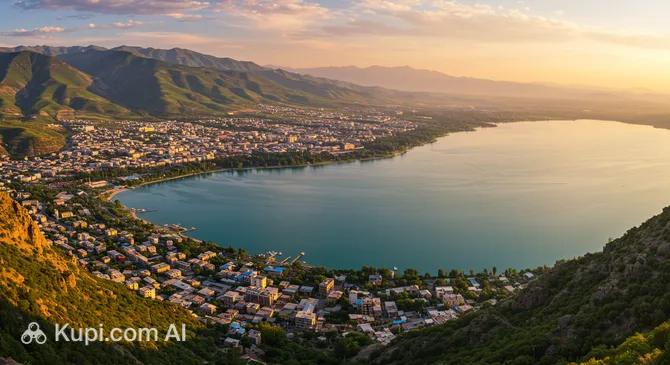
Marivan. Illustration.
Source: Kupi.com AI

The main crown jewel of Marivan, which invariably attracts travelers, is the famous Lake Zarivar – one of the largest freshwater lakes in the country, shrouded in legends and offering magnificent views. In addition to the lake, guests are charmed by the city's cozy streets, its colorful markets where you can purchase items from local craftsmen, and numerous cultural events reflecting the rich heritage of this region.

If you are looking for a place for an unforgettable journey, Marivan offers not only mesmerizing landscapes but also a deep immersion into a unique culture. Here you can enjoy the fresh mountain air, taste authentic local cuisine, and take home warm memories of genuine Eastern hospitality that will leave a mark on your heart.

You can find more interesting facts on the history of Marivan page.

Weather Overview

The weather in Marivan is characterized by a distinct change of seasons, which is important to consider when planning your trip. Summer, especially from June to September, is hot and very dry here. The average temperature in July and August rises to 26-27°C (maximum values can reach 35°C), and precipitation in these months is practically non-existent. Winters, on the contrary, are cool, with an average January temperature of about -0.2°C (minimum temperatures can drop to -5°C) and a moderate amount of precipitation; for example, about 5 mm falls in January, and the number of rainy or snowy days reaches 15. Spring and autumn are transitional periods with milder temperatures and a gradual change in precipitation levels. Overall, in Marivan, you can expect a warm, even hot, and dry summer, as well as cool winters with occasional precipitation. To better plan your trip based on weather conditions, you can learn more about the weather in Marivan.

Average monthly temperature

Average monthly precipitation

Interesting Facts

Beyond its picturesque landscapes and hospitality, Marivan hides many surprising details and cultural treasures that not all travelers know about. This city in the Kurdistan province is ready to amaze you with its unique features.

  • Marivan is unofficially called the "World City of Kalash." It earned this title thanks to the ancient traditions of making unique national footwear called "giveh" – light and comfortable handmade textile shoes, the production secrets of which are passed down from generation to generation.

  • The famous freshwater Lake Zarivar, located in the vicinity of Marivan, is not only one of the main natural attractions of Iran but also a source of inspiration for local artists and poets. Its crystal-clear waters and picturesque shores, surrounded by forests and mountains, create a unique atmosphere.

  • The city is famous for its craft traditions, especially in the field of woodworking. In local markets, you can find unique handmade wooden products and other colorful souvenirs that will serve as an authentic reminder of your trip to Marivan.

  • Kurdish carpets and kilims produced in Marivan and its surroundings are known far beyond the region. They are valued worldwide for their high quality, variety of bright colors, and original, distinctive patterns reflecting the rich culture of the Kurdish people.

How to Get There

There are several ways to reach the city of Marivan, located in the picturesque Iranian province of Kurdistan. Since there is no airport in Marivan itself, the most common option for travelers is to fly into one of the nearest airports followed by a ground transfer.

One of the most convenient options is Sulaimaniyah International Airport (ISU). It is located in the city of Sulaimaniyah (Iraq), approximately 78 km from Marivan. This is a fairly large international hub from which you can reach Marivan by taxi or rental car. Please note that the route involves crossing a state border. The journey itself, excluding time for border formalities, takes approximately 2 hours 15 minutes to 2 hours 30 minutes. Additional information can be found on the Sulaimaniyah International Airport page.

If you prefer to arrive at an airport within Iran, the closest is Sanandaj Airport (SDG), located in the city of Sanandaj, about 82 km from Marivan. This is a regional airport primarily serving domestic flights. From here, you can reach Marivan by taxi or shuttle taxi in approximately 2 hours 20 minutes to 2 hours 40 minutes. More details about this airport can be found on its page: Sanandaj Airport.

Another Iranian airport to consider is Kermanshah Airport (KSH). It is located in the city of the same name, Kermanshah, about 158 km from Marivan. This airport is larger than Sanandaj and also focuses on domestic air travel. A taxi ride from Kermanshah Airport to Marivan will take about 4 hours 15 minutes to 4 hours 30 minutes. For information, visit the Kermanshah Airport page.

For convenience, here is a summary of the main airports used to reach Marivan:

AirportPassenger trafficDistance
Sulaimaniyah International Airport428 60978 km
Sanandaj Airport304 39882 km
Kermanshah Airport3.5 mln158 km
Kirkuk76 894166 km
Erbil International Airport2.1 mln215 km

In addition to air travel, Marivan can be reached by ground transport. The city has good road connections with other locations in Iran. Intercity buses and taxis are common and affordable ways to move around the region. It is recommended to check current routes and schedules at local bus stations or with transport companies.

Main Attractions

Marivan, located in the scenic Kurdistan province of western Iran, attracts travelers with its unique nature and cultural flair. This city offers several interesting places to visit for a full immersion into the atmosphere of the region.

The main attraction of Marivan is undoubtedly the magnificent Lake Zarivar (also known as Zrebar). It is one of the most famous freshwater lakes in Iran, surrounded by forested mountains and meadows. Lake Zarivar is an ideal spot for outdoor recreation: you can go boating, enjoy a picnic on the shore, or simply admire the breathtaking scenery. In winter, the lake sometimes freezes, creating a fairy-tale atmosphere. Legends say that an ancient city lies at the bottom of the lake, which adds an air of mystery to the place.

Another notable spot is the Marivan Border Bazaar (Bazarcheh Marzi). Given the city's proximity to the border, this market is a bustling commercial hub where you can find a variety of goods: from local handicrafts and food products to imported clothing and electronics. Visiting the bazaar provides an opportunity to dive into the local trading culture and perhaps purchase some unique souvenirs.

The surroundings of Marivan are also famous for their natural beauty. The mountains encircling the city offer excellent opportunities for hiking and trekking. Travelers can explore picturesque valleys, enjoy the clean mountain air, and take in panoramic views. This region is also an important center of Kurdish culture, and a visit to Marivan allows for a closer acquaintance with the traditions, music, and hospitality of the local population.

Local Cuisine

The cuisine of Marivan is a true gastronomic journey into the world of Kurdish traditions and the freshest local products. It will delight you with authentic flavors where a special place is held by aromatic Kurdish bread, fresh greens, fragrant cheeses, and, of course, lamb and chicken dishes generously seasoned with local herbs and spices. The city's gastronomic scene is vibrant and original, offering unique culinary experiences.

Be sure to try the freshly baked flatbreads, which are served here with homemade yogurt and thick butter—a simple but incredibly delicious combination. Another hallmark of the region is fish dishes made from fish caught in the famous Lake Zarivar. Don't miss the chance to enjoy fragrant shish kebabs prepared at street markets. And for dessert, treat yourself to the local sweet "Shirini Papa"—traditional pastries that are hard to find anywhere else.

Traditional teas that will warm you in any weather are common drinks in Marivan. You should also try doogh—a refreshing savory yogurt-based drink that perfectly complements meat dishes. In season, fresh juices made from local fruits grown in mountain orchards are available.

Food culture in Marivan is closely linked to hospitality and the freshness of products. Locals and tourists often enjoy meals at busy street markets, where you can sample various snacks, grilled vegetables, and, of course, kebabs straight from the grill. Restaurants also offer a wide selection of traditional dishes. In spring and summer, gastronomic festivals often take place in the region, becoming a true celebration of taste, filling the air with the aromas of spices and fresh produce and allowing for a deeper dive into Kurdish culinary culture.

Travel Tips

Welcome to Marivan! To make your journey to this colorful city in Iranian Kurdistan as comfortable and pleasant as possible, we have prepared some practical tips. They will help you navigate better and enjoy the unique atmosphere of Marivan.

  1. Clothing and Essentials: Marivan has a continental climate: summers are hot and dry, while winters are cold and snowy. Keep this in mind when packing. A key point for Iran is following the dress code: women need to cover their heads with a scarf (hijab) and wear loose clothing that covers their arms and legs. Men are recommended to wear long trousers and shirts (avoid shorts and sleeveless shirts in public places). Be sure to bring comfortable walking shoes and a universal adapter for electronics (Iran uses type C and F sockets).
  2. Transport in the City: Your main way of getting around Marivan will likely be shared taxis ("savari") and regular taxis. Agree on the fare in advance or ensure the meter is on (if there is one). Popular taxi apps in Iran, such as Snapp!, may have limited coverage in Marivan compared to larger cities. Car rental is possible, but driving in Iran can be unusual; an international driving permit is required.
  3. Finances: The local currency is the Iranian Rial (IRR). However, due to inflation, prices are often quoted in Tomans (1 Toman = 10 Rials). Always clarify which unit the price is in. Important: International bank cards (Visa, Mastercard, etc.) do not work in Iran due to sanctions. You must bring enough cash (US Dollars or Euros) for your entire trip and exchange them at official exchange offices (sarrafi) or banks. Local ATMs only service Iranian cards. Tipping is not mandatory but welcomed for good service (around 10%).
  4. Health and Safety: Pharmacies ("darukhaneh") are available in Marivan. It is recommended to carry a basic first aid kit. Before your trip, be sure to get medical insurance that covers Iran. Marivan, like most Iranian cities, is considered relatively safe. Follow standard precautions: watch your belongings, especially in crowded places. Note that this is a border region, so be mindful and do not visit sensitive border areas without an escort.
  5. Communication: Kurdish (Sorani dialect) and Persian (Farsi) are spoken in Marivan. English is not widely spoken, especially outside of tourist infrastructure. Learn a few basic phrases in Farsi: "Salam" (Hello), "Khodafez" (Goodbye), "Merci" or "Mamnun" (Thank you), "Bale" (Yes), "Na" (No), "Che ghadr?" (How much does it cost?). A local SIM card (e.g., Irancell or Hamrahe Aval) can be purchased with a passport. Wi-Fi is available in some hotels and cafes; you might need a VPN to access certain resources (check its legality and functionality beforehand).
  6. Local Etiquette: Iranians are famous for their hospitality and a special form of politeness called "taarof," where it is customary to politely refuse an offer several times before accepting it. The greeting between men is a handshake. When a man communicates with a woman, it is better to wait for the woman to extend her hand first. Behave with restraint in public places and respect local traditions, especially during religious holidays. Public displays of affection are not customary.
  7. Things to Avoid: It is strictly discouraged to photograph government buildings, military sites, and people without their permission. Consuming alcohol in Iran is prohibited by law. Also, try to avoid political discussions, especially if they could be perceived as criticism.
  8. Special Feature of Marivan: The city's main jewel is the magnificent freshwater Lake Zrebar (Zarivar). Be sure to set aside time for a boat trip or relaxation on its shore. Marivan and its surroundings are the heart of a unique Kurdish culture. Be open to experiencing local traditions, music, and, of course, the cuisine—this will make your trip unforgettable.

We hope these tips help you plan a wonderful trip to Marivan. We wish you vivid impressions from getting to know this unique corner of Iran, its hospitable residents, and picturesque nature!

Entertainment & Nightlife

Evening Marivan offers its guests a special, peaceful atmosphere that encourages pleasant relaxation and heartfelt communication, in contrast to the noisy nightlife of major metropolises. Here you won't find quarters with numerous nightclubs or bars in the conventional sense. Instead, the focus shifts to cozy gatherings, leisurely strolls, and enjoying the local character.

The main centers of evening life in Marivan are its numerous restaurants and traditional chaykhanas (tea houses). With the onset of dusk, these establishments fill with locals and tourists wishing to enjoy authentic Kurdish cuisine, aromatic tea, and pleasant conversation. It is here, in an atmosphere of hospitality, that you can spend several hours. Many restaurants are open until late evening, allowing for a relaxed dinner. In the tea houses, you can not only drink tea with oriental sweets but also sometimes listen to national music, diving deeper into the region's culture. Although specific "nightlife districts" are absent, main evening activity is usually concentrated around the central streets, where popular dining establishments and some shops are located.

During the warmer months, city parks and public spaces, especially the picturesque promenade of Lake Zribar, become favorite spots for evening walks. Families and groups of friends gather here to socialize and enjoy the fresh evening air. Sometimes, evening bazaars or individual stalls may operate in the city, where you can buy local products and souvenirs.

When planning evening leisure in Marivan, it is worth remembering local cultural traditions: modest and respectful clothing is preferred. Most establishments oriented towards evening relaxation welcome guests until late, but it is recommended to check their operating hours in advance. For moving around the city after dark, you can use taxi services; they are usually easy to find in busy areas or order through local services. Overall, Marivan is considered a fairly safe city for evening walks, especially in its central part, but standard precautions are always appropriate.

As for daytime entertainment, Marivan and its surroundings offer interesting opportunities to get acquainted with culture and nature. Guests can visit local museums to learn more about the history and traditions of Kurdistan or go for a walk to the famous Lake Zribar. This lake is the main natural attraction and a popular vacation spot both day and night. Cultural centers may also operate in the city, where various events reflecting the rich cultural heritage of the region are held from time to time.

Parks & Museums

Marivan, located in the picturesque Kurdistan province, offers its guests a harmonious blend of magnificent natural landscapes and distinctive local culture. This city is a real find for those seeking peace in the lap of nature and wishing to get acquainted with the rich heritage of the region.

The main natural gem of Marivan is undoubtedly Lake Zarivar (Zrebar). It is one of the largest freshwater lakes in Iran, surrounded by forested hills and mountains. The lake and its surroundings are essentially a huge natural park, an ideal place for walking, picnics, boating, and bird watching, especially during migration seasons. The clean air and breathtaking views make it popular with both locals and tourists. In addition to the lake, the green hills and foothills surrounding the city provide excellent opportunities for easy hiking, offering panoramic views of the valley and the lake itself.

Regarding cultural immersion, while Marivan may not have large metropolitan museums, the city offers a unique opportunity to touch authentic Kurdish culture. It is worth paying attention to small local cultural centers or exhibition spaces where household items, traditional costumes, crafts, and Kurdish art may be displayed. The true heart of the city and the place where you can feel its spirit is the local bazaar. Here you can not only buy unique souvenirs, handmade products, and local delicacies but also observe the daily life of the townspeople and experience the flavor of the East.

The architectural appearance of Marivan reflects its history and cultural traditions. In and around the city, you can find examples of traditional Kurdish architecture, as well as ancient mosques, which are not only religious centers but also important historical monuments. A walk through the old streets can reveal interesting details and features of local building styles.

For a deeper immersion into the atmosphere of Marivan, try traditional Kurdish dishes in one of the restaurants overlooking Lake Zarivar—this will provide an unforgettable gastronomic experience. And in the evening, you can stop by one of the local tea houses to enjoy aromatic tea and leisurely conversation while watching the sunset over the mountains.

Getting Around

Navigating Marivan using public transport is fairly straightforward, although the system may differ from what many tourists are used to. The foundation of the city's transport network consists of buses and taxis, which provide movement both through the center and to more remote areas.

Buses are the most affordable way to get around Marivan. The route network covers key points of the city. Usually, these are not the newest but are perfectly functional vehicles. Fares are most often paid in cash directly to the driver or conductor upon entry. The cost of travel is generally low. Schedules may not always be strictly followed, so it's worth allowing extra time for your trip. You can clarify the route with locals or the driver—they are usually very willing to help.

Taxis in Marivan are represented by both official services and private drivers. Popular are the so-called "savari"—shuttle taxis that follow certain directions and pick up passengers along the way. This is a faster but also more expensive way to move compared to the bus. It is recommended to agree on the price of a trip in a regular taxi (not a "savari") before starting the journey to avoid misunderstandings. Taxi apps may not be as widespread as in large metropolises, so be prepared to "hail" one on the street or look for taxi stands.

Regarding the payment system, cash is most often used for buses. Specialized tourist passes or unified transport cards are usually not available in cities the size of Marivan. It is recommended to carry small bills for the convenience of payments.

Practical tips for tourists:

  • Always have cash on hand to pay for your fare.
  • Do not hesitate to ask locals or drivers for directions—they are generally friendly and ready to help.
  • If using a taxi, negotiate the cost of the trip in advance, especially if it is not a shared taxi with a fixed price for the route.
  • Buses can be crowded during peak hours; keep this in mind when planning your movements.
  • Main transport hubs are usually located near markets and central squares.

Among alternative ways of moving around Marivan, walking stands out, especially for getting to know the central part of the city. Bike rentals or car-sharing are poorly developed or absent in the city. For trips to the surroundings or if you value particular comfort, you can consider renting a car with a driver by arranging this through local travel agencies or your hotel.

There are no unique historical modes of transport, such as ancient metros or funiculars, in Marivan. The city's transport system is functional and oriented toward the daily needs of its residents.

Accommodation

In Marivan, tourists can find various accommodation options to suit different budgets and preferences. Choices range from modest guesthouses and small hotels to comfortable mid-range options. Apartment rentals are also possible, which can be convenient for families or long-term stays.

When choosing accommodation, it is worth paying attention to areas located closer to Lake Zarivar, which is the city's main natural attraction, or to the central part of Marivan. Staying in these zones will provide easy access to the main tourist sites, restaurants, and local markets. A convenient location is also important for those planning to explore the surroundings.

Although specific famous hotels are not mentioned in the provided information, there are hotels in the city offering a decent level of service. The price range for accommodation in Marivan can vary from budget options to mid-range and higher-end offers, depending on the level of comfort, location, and services provided.

To search for and book accommodation, it is recommended to use popular online platforms or contact hotels directly. It is particularly important to book in advance if your trip coincides with the peak tourist season or local festivals when demand for housing can be high.

Nearby Cities

For those who want to explore the surrounding area, Marivan serves as an excellent starting point for day trips to several interesting nearby locations:

Among the closest cities worth visiting is Sanandaj, the capital of Kurdistan province, which attracts visitors with its authentic Kurdish culture, historical mosques, and vibrant bazaar. Also interesting is Saqqez, one of the ancient cities of the region, where you can get acquainted with historical heritage and local traditions. For a more complete list of options, see the table below.

CityPopulationDistance
Halabja65 20042 km
Paveh25 77156 km
Baneh110 21859 km
Sulaymaniyah878 14667 km
Sanandaj412 76778 km

These nearby destinations provide an insight into the diverse culture and landscapes of the region, complementing the experience of a trip to Marivan.

Shopping & Souvenirs

Shopping in Marivan offers tourists the chance to dive into the local atmosphere and find unique products characteristic of Kurdistan. The city is not famous for huge modern malls, but here you can find interesting handmade items and traditional goods. Primary attention should be paid to local markets and small shops.

The main place for shopping in Marivan, as in many Iranian cities, is the central bazaar. This is where the core of commercial life is concentrated. Strolling through its rows, you will find a variety of goods: from fresh produce and spices to clothing, footwear, and household items. It is also worth paying attention to the streets adjacent to the bazaar, where numerous shops are also located.

There are few large European-style shopping centers in Marivan, however, small shopping complexes or passages offering more modern goods can be found. The main focus of shopping here is still shifted towards traditional trade.

The Marivan City Bazaar is the heart of commerce. Here you can find not only food products but also handicrafts, fabrics, and carpets. It is a great place to observe the daily life of the citizens and find authentic souvenirs. The atmosphere in such markets is usually very lively and colorful.

As souvenirs from Marivan, it is worth bringing back items made by local craftsmen. Kurdish textile products, such as colorful fabrics, scarves, as well as small carpets and kilims with traditional patterns, are particularly popular. You can also look for wooden crafts, traditional clothing, and local sweets or spices.

Shops in Marivan usually operate from the morning (around 9:00-10:00) until lunch (13:00-14:00), then close for a break and reopen in the afternoon (around 16:00-17:00) until late evening (20:00-21:00). On Friday, which is a day off in Iran, many shops may be closed or operate on a reduced schedule. The primary method of payment is cash in Iranian Rials. International bank cards are generally not accepted for payment.

The Tax-Free system for tourists is generally not widespread in Iran, and such a service is unlikely to be provided in Marivan shops.

Reached the end of the page?

That means the route is fully explored