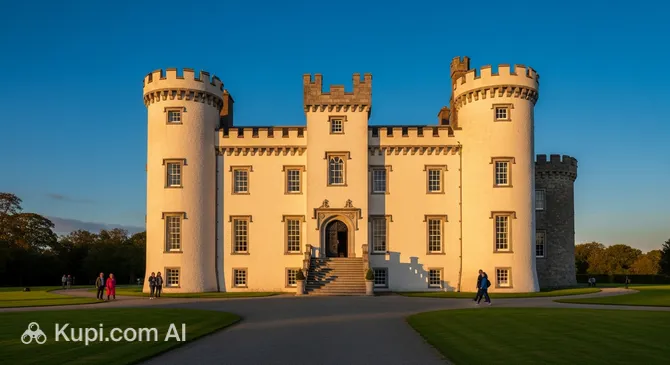
Imagine a remarkable place where the rugged architecture of the Tudor era meets the refined elegance of the Georgian style. Rathfarnham Castle is a unique historical monument located in the southern part of Dublin. It is an impressive complex that, over centuries, has evolved from a defensive fortress into a luxurious country residence.
Rathfarnham Castle. Illustration.
Source: Kupi.com AI
Traveler photos:
Today, this castle in Ireland is recognized as a significant cultural heritage site. Visitors are drawn not only by its monumental exterior but also by its beautifully preserved interiors, which tell the story of the local nobility's life. Surrounded by picturesque parklands, the castle is an ideal spot for those wishing to immerse themselves in the atmosphere of the past without venturing far from the city center.
With a high trust rating among travelers, Rathfarnham Castle remains one of the region's most interesting "hidden gems." It is not just a museum, but a living testament to how the tastes and needs of Irish society changed over the centuries.
Contacts
To plan your visit to Rathfarnham Castle, it is helpful to have current contact information at hand. You can contact the management directly for details regarding special events or group tours.
At Rathfarnham Castle, guests can expect a fascinating journey through the centuries. The main reason people visit is for the interior tours. You can see magnificently restored 18th-century rooms decorated with antique furniture, exquisite plasterwork, and paintings. The Georgian drawing rooms and bedrooms allow you to truly get a taste of aristocratic life from that era.
In addition to exploring the state rooms, be sure to notice the surviving fragments of the Tudor fortifications. The contrast between the fortress's thick walls and the delicate decorative details of later periods is striking. A walk around the castle grounds also includes a visit to the adjacent park, which features convenient paths for relaxation.
During the summer season, the visiting program becomes even richer: themed workshops on history and traditional crafts are often held here, along with temporary exhibitions. For families with children, a stroll through the surrounding gardens is a great way to spend time outdoors while learning history in an interactive format.
Getting There
Getting to this historical corner in south Dublin is quite simple. The most convenient way for independent tourists is to use public transport. From the heart of the city, O'Connell Street, bus numbers 15, 16, or 49 regularly depart towards Rathfarnham. You should get off at the Rathfarnham Road stop, from where the castle gates are just a leisurely 5–10 minute walk away.
If you prefer a more comfortable option, a taxi ride from the city center will take about 20–30 minutes depending on traffic. For active travelers, a cycling route is available: the path runs through the scenic green zones of South Dublin, making the journey itself a pleasant part of the excursion.
Nearest city: Dublin
History & Facts
The history of this site began in the 16th century when the castle was built as a rugged Tudor fortress. In those turbulent times, its primary function was to protect the Pale (the English-controlled area) from raids by Irish clans. The massive walls and corner towers still serve as reminders of its defensive past.
In the 18th century, the residence's appearance changed radically. Thanks to Adam Loftus, the castle was transformed into a luxurious Georgian estate. The interiors were remodeled according to the fashion of the time: elegant ceilings, grand halls, and modern amenities were added, making it one of the most elegant houses in Ireland at that time.
Over the centuries, Rathfarnham Castle has changed hands many times. In the 19th and 20th centuries, it housed a Jesuit college where members of the order lived and studied. Today, the building is under state care and functions as a museum, vividly demonstrating the remarkable architectural evolution from a medieval fort to an aristocratic palace.
Time Needed
To explore Rathfarnham Castle and its surroundings without rushing, we recommend setting aside about 2–3 hours for your visit. This is plenty of time to join the main interior tour, which usually takes just over an hour, and to examine the interior details closely.
The remaining time is best spent on a leisurely stroll through the adjacent park and gardens. Here, you can take excellent photos of the facade and simply relax in the fresh air, enjoying the peace of this historical site away from the city noise.
Working Hours
The castle is open to the public for most of the week, although the schedule has its specifics. The museum's doors open welcomingly from Wednesday to Sunday, receiving visitors from 10:30 AM to 4:15 PM. Please note that the site is usually closed on Mondays and Tuesdays for maintenance or private events.
Since the schedule can change depending on the season or special exhibitions, we strongly recommend checking the information on the official website before your trip. This will help you plan your visit as efficiently as possible and avoid any disappointment.
Day
Working hours
Monday
Закрыто
Tuesday
Закрыто
Wednesday
10:30–16:15
Thursday
10:30–16:15
Friday
10:30–16:15
Saturday
10:30–16:15
Sunday
10:30–16:15
Nearby
A visit to Rathfarnham can easily be combined with exploring other iconic landmarks in the Irish capital. The southern part of the city and its center offer many options for continuing your cultural program, from medieval cathedrals to modern interactive museums.
Below are some interesting sites located relatively close to the castle that can complement your Dublin itinerary: