Support

Kiryat Shmona

About

Kiryat Shmona is a true northern gem, nestled at the foot of the picturesque Golan Heights in the fertile Hula Valley. The city, with a population of about 23,000 people, is famous for its cozy atmosphere, abundance of greenery, and pristine mountain air. When traveling through Israel, it is impossible to miss this corner of the country, which serves as an ideal starting point for exploring the nature of the north.

As the administrative center of the Northern District, the city plays an important role in the region's life. The unique history of Kiryat Shmona is closely intertwined with the development of the Galilee, and today it harmoniously combines the features of a modern settlement and a cozy provincial town. There is no hustle and bustle of big metropolises here, and the pace of life invites leisurely walks and contemplation of the surrounding landscapes.
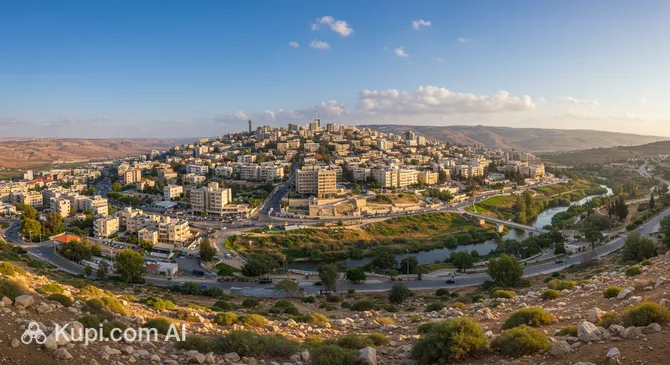
Kiryat Shmona. Illustration.
Source: Kupi.com AI

Kiryat Shmona attracts tourists primarily with its opportunities for active recreation and ecotourism. The city is literally surrounded by natural wonders: from here, it is just a stone's throw to national parks, cool streams, and the famous Manara Cliff. This place is perfect for those who want to enjoy breathtaking mountain views, explore scenic hiking trails, or visit neighboring kibbutzim with their special character.

Come to Kiryat Shmona to experience real Israeli hospitality and recharge with the energy of nature. Whether it's a family weekend or a stop during a grand journey through the Galilee, this friendly city will give you warm memories and inspiration for new discoveries.
Weather Overview

The climate in Kiryat Shmona is typically Mediterranean, with a clear distinction between seasons, making the city attractive to visit at different times of the year. Since the city is located in the north of the country, it is slightly cooler and more humid here than in the southern desert regions. Before planning your trip, we recommend checking what the weather in Kiryat Shmona is expected to be during your travel dates to choose the appropriate wardrobe.

Summer months, from June to September, bring stable warmth and clear skies. In July and August, the average temperature is around 25.5–25.8°C, with daytime highs often reaching 31°C. This is a period of absolute drought: there is almost no rain in summer, which is ideal for relaxing by local streams and springs.

Winter, on the other hand, brings coolness and life-giving moisture. From December to February, the thermometer averages 10–12°C, dropping to 6°C at night. January is the wettest month, with up to 15 days of precipitation recorded. Expect a hot dry summer and a cool winter with occasional rain, thanks to which the valley becomes covered in lush greenery.

Spring and autumn are wonderful times for those who do not like extreme temperatures. In April and May, the air already warms up to a comfortable 21–25°C during the day, and the number of rainy days decreases rapidly, creating excellent conditions for long walks and hikes in nature reserves.

Average monthly temperature

Average monthly precipitation

Interesting Facts

Beyond its picturesque landscapes and cozy atmosphere, Kiryat Shmona holds many fascinating stories and unique features. This city can surprise even experienced travelers with its traditions, unusual laws, and cultural projects.

  • The city's name translates as "City of Eight" and was given in honor of the eight defenders who fell in the Battle of Tel Hai in 1920. This heroic page of history is immortalized not only in the city's name but also in memorials such as the "Grove of the Fallen" and in the exhibition presented by the Tel Hai Courtyard Museum.

  • Kiryat Shmona has a unique legal status designed to attract residents. Moving to this city is officially considered a valid reason for resigning from a previous job in Israel while retaining the right to full severance pay, which is a rare occurrence in the country's labor legislation.

  • The city has implemented an interesting cultural project — an open-air photography museum. While walking through the streets, you can see works by local and international artists that tell the story of the region through a camera lens, turning an ordinary walk into a gallery visit.

  • Surrounding kibbutzim, such as Misgav Am, are famous not only for agriculture but also for stunning panoramic views. The observation decks located in these settlements offer a breathtaking overview of the entire Hula Valley and the majestic mountain ranges surrounding the city.

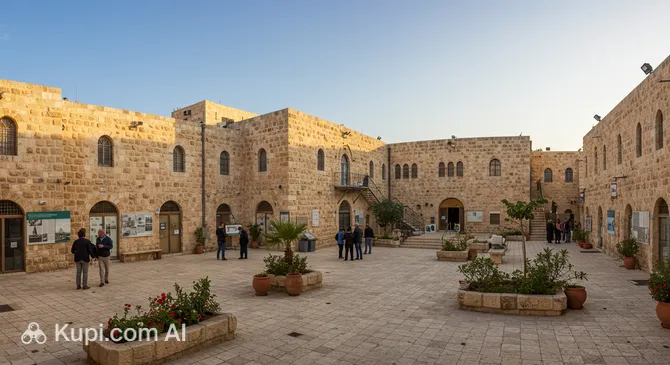
Tel Hai Courtyard Museum. Illustration.
Source: Kupi.com AI

Traveler photos:

How to Get There

When planning a trip to the north of the country, keep in mind that there are no direct flights or railway routes to the city itself. The logistics will require transfers, so we recommend studying the options in advance and finding out more details about how to get to Kiryat Shmona. The main way to arrive for international tourists remains flying into one of the international airports followed by a trip via ground transport.

The main transport hub receiving most international flights is Ben Gurion Airport (TLV). It is located near Tel Aviv, approximately 147 km from the destination. The drive from here by rental car or taxi takes roughly 2–2.5 hours. This is the most popular and reliable option for starting a journey through Israel.

An alternative for domestic flights or private aviation is Haifa Airport (HFA). It is significantly closer — only 66 km away, which reduces the driving time to just over an hour. Geographically, the airport in Amman (Jordan) is also nearby; however, this route involves a land border crossing, which can take additional time.

Summary of the nearest accessible airports:

AirportPassenger trafficDistance
Haifa Airport275 00066 km
Beirut-Rafic Hariri International Airport5.6 mln68 km
Damascus International Airport2.1 mln91 km
Ben Gurion International Airport21.1 mln147 km
Queen Alia International Airport9.2 mln169 km

As for public transport, the railway network in Israel is very developed, but the tracks do not yet reach the city itself. The nearest major station is in the city of Karmiel. Many travelers choose to take a comfortable train from Ben Gurion Airport or Tel Aviv to Karmiel and then transfer to a direct bus to Kiryat Shmona. The bus ride from the station takes about 45–60 minutes and allows you to enjoy the scenic views of the Galilee.

Main Attractions

Despite its modest size, Kiryat Shmona and its surroundings offer tourists a rich program. The city harmoniously combines historical monuments, modern entertainment zones, and magnificent natural spots where you can relax your soul. Here is a list of places worth including in your itinerary to truly get to know this northern region.

One of the most significant historical attractions in the region is the Tel Hai Courtyard Museum. This is not just a museum, but a symbol of resilience and courage. The restored complex tells the story of the heroic defense of the settlement in 1920, which became an important milestone in the formation of the state. Visitors can see ancient agricultural buildings, the living quarters of the first settlers, and the famous "Roaring Lion" monument. This place is a must-visit for those who want to gain a deeper understanding of the history of the Galilee's development.

Tel Hai Courtyard Museum. Illustration.
Source: Kupi.com AI

Traveler photos:

For lovers of breathtaking panoramas and active recreation, Manara Cliff will be a real discovery. The famous cable car, the lower station of which is located on the outskirts of the city, takes travelers to the top of the Naftali mountain range. During the ascent, stunning views of the Hula Valley, the Golan Heights, and Mount Hermon open up. At the top, you will find not only observation decks but also a variety of entertainment: from a high-speed toboggan run to hiking trails through coniferous forests.

If you are looking for tranquility within the city limits, head to HaZahav Park (Golden Park). This is a green oasis located in the very center of Kiryat Shmona along the bed of the Ein Zahav stream. A walk here is an opportunity to enjoy the cool flowing water and the shade of the trees without leaving the city limits. The park is well-equipped for picnics and family vacations, making it a favorite leisure spot for locals.

The modern pace of city life is best felt at a location like the BIG Kiryat Shmona Shopping Center. This is the main center of attraction for shopping and entertainment in the region. The open-air shopping complex offers a wide selection of shops, cafes, and restaurants. People come here not only for shopping but also to spend a pleasant evening in a lively atmosphere, have a bite to eat after excursions, or simply stroll through the well-kept grounds.

Local Cuisine

The cuisine of Kiryat Shmona is a gastronomic mirror of the entire Galilee, where the main emphasis is on the freshness of products grown on the fertile lands of the north. Freshwater fish is considered a true hallmark of the region. Thanks to the proximity to cool streams and water sources, local establishments serve excellent trout, sea bream, and salmon. It is customary to prepare fish simply here — grilled or baked in the oven, generously seasoned with local herbs, lemon, and olive oil to emphasize its natural flavor.

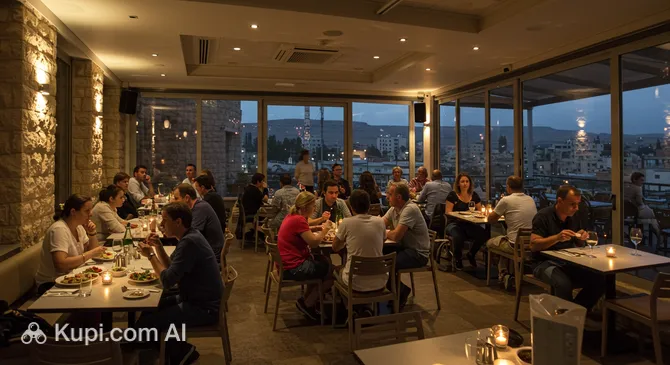
For meat delicacy lovers, the city also offers a rich choice. Hearty dishes prepared over an open fire are highly valued here. If you are looking for a place with a special atmosphere and high-quality meat cuisine, it is worth stopping by the Lahamke restaurant. This popular establishment attracts guests with its approach to preparing steaks and traditional Israeli meat dishes, making it an excellent spot for dinner after a busy day.

Lahamke. Illustration.
Source: Kupi.com AI

Traveler photos:

It is impossible to imagine a gastro-tour without experiencing street food. In Kiryat Shmona, you can find cozy stalls at every step offering classic Israeli street food: creamy hummus with warm pita, crispy falafel, sabich with eggplant, or juicy shawarma. Locals often have lunch exactly like this — quickly, tastily, and affordably. Additionally, local markets are always abundant with seasonal fruits, Galilee cheeses, olives, and fragrant spices that you can sample before buying.

As for drinks, the region is famous for its winemaking. The proximity to the vineyards of the Golan Heights and Upper Galilee allows local restaurants to offer excellent wines that are highly valued by connoisseurs. Homemade fruit infusions are also popular. For non-alcoholic drinks, be sure to try freshly squeezed pomegranate juice (in season) or traditional mint tea with pine nuts, which is often served with desserts such as baklava or halva.

The dining culture here is democratic and diverse. You can grab a bite in a simple snack bar or choose a more modern leisure format. For example, the BIG Kiryat Shmona Shopping Center is a hub not only for shopping but also for gourmands: many cafes and restaurants for every taste are concentrated here, making it convenient to relax with the whole family.

Travel Tips

Kiryat Shmona is a welcoming city, but as with any trip, there are nuances that are better to know in advance. We have gathered the most important recommendations for you so that your trip to Israel and your introduction to its northern capital are as comfortable and worry-free as possible.

  1. Clothing and Seasonality. In the summer, the Hula Valley is hot and dry, so a hat, sunglasses, and light clothing made of natural fabrics are essential. In winter (from December to February), it is cool and often rainy — a waterproof jacket and a warm sweater will be necessary. Since the region is famous for nature trails, bring comfortable trekking shoes with you.

  2. Transport Logistics. The city is compact, but for trips around the scenic surroundings, it is best to rent a car. Public transport (buses) runs regularly but completely stops during Shabbat (from Friday evening to Saturday evening). Taxis are available 24/7 and can be called via the Gett or Yango apps.

  3. Money Matters. The official currency is the New Israeli Shekel. Visa and Mastercard are accepted everywhere in supermarkets and restaurants. However, we recommend carrying a small amount of cash for small purchases at the market or street kiosks. Tips in cafes are usually 10–15% of the bill if they are not already included.

  4. Safety and Health. Kiryat Shmona is a peaceful city, but when walking in nature (especially in the surrounding mountains), strictly follow the rule: do not leave marked trails and fenced zones. Pharmacies ("Beit Merkakat") are located in the center and shopping areas; always have a supply of drinking water with you to avoid dehydration.

  5. Language and Connectivity. The state language is Hebrew, but there is a large Russian-speaking community in the city, so you will be understood in Russian in many shops and on the street. English is also common, especially among young people. You can buy a local SIM card at post offices or mobile phone shops, and free Wi-Fi is available in most cafes.

  6. Local Etiquette. Communication here is simple and informal; strangers are often addressed using "you" (singular/informal). The greeting "Shalom" is universal for any time of day. Respect the traditions of Shabbat: although the city is secular, many shops and establishments close on Friday afternoon and only open on Saturday evening.

  7. What to Avoid. Do not plan long trips by public transport on Friday afternoon — you risk being stuck until the end of Saturday. Also, avoid swimming in unauthorized wild sections of rivers and streams due to unpredictable currents and rocky bottoms.

  8. Useful Tip. If you are traveling by car, be sure to download apps for parking payment (like Pango or Cello). Curbs painted blue and white mean paid parking, and there might not be any parking meters nearby — payment is only made via phone.

Following these simple rules will help you feel confident in Kiryat Shmona and focus on what matters most — relaxation and impressions. The locals are open and friendly, so do not hesitate to ask them for help or advice to get to know the city from its best side.

Entertainment & Nightlife

Entertainment and nightlife in Kiryat Shmona differ from the noisy metropolises in the center of the country. Here, you won't find massive night clubs or endless parties until dawn. Instead, the city offers a calmer, more relaxed format of leisure, perfect for families, couples, and those who want to unwind after a busy day in nature. The evening atmosphere here is filled with comfort, fresh mountain air, and warm conversation.

The main form of leisure for locals and tourists alike is gastronomic evenings. There are several establishments in the city where you can spend a pleasant time enjoying delicious food and drinks. One popular spot is the Lahamke restaurant. This venue is famous for its meat-focused menu and an atmospheric setting conducive to long conversations among friends.

Lahamke. Illustration.
Source: Kupi.com AI

Traveler photos:

The center of social life and entertainment is rightfully considered the BIG Kiryat Shmona Shopping Center. In the evening, residents from all over the area gather here not only for shopping but also to simply walk, have a coffee, or grab a snack. Small seasonal fairs and children's events are often held on the premises, making it the city's primary meeting place.

For fans of cultural leisure, festivals dedicated to local wine, olive oil, or the harvest — things the Northern District is famous for — take place periodically in the region. It's also worth checking the schedule at the city's Cultural Palace, where Israeli artists and theater troupes occasionally perform. And if you're in the mood for romance, simply take a stroll along the Ein Zahav stream or head up to one of the observation decks to admire the Galilee starlight, far away from the city lights.

Parks & Museums

Kiryat Shmona, steeped in the greenery of the Galilee, offers travelers a harmonious combination of natural beauty and historical heritage, allowing them to escape the city bustle and touch the region's past. The city and its surroundings are famous for picturesque parks where you can enjoy the cool streams and museums that preserve the memory of the first settlers.

The main green oasis within the city is HaZahav Park (Golden Park). This spacious park, stretching along the Ein Zahav stream, is an ideal place for leisurely strolls and family vacations. Here, among tall trees and well-kept lawns, you can have a picnic to the sound of water without leaving the city center. A special atmosphere is created by the stream itself, which originates nearby and carries its cool waters through the entire park, offering freshness even on hot summer days.

Nature lovers should also pay attention to the surroundings, where the famous Geological Park is located. This place attracts tourists with its unusual rock formations and the chance to see traces of ancient geological processes. The walking trails here are equipped so that visitors can comfortably explore the unique landscape while enjoying panoramic views of the Hula Valley and mountain ranges.

The Tel Hai Courtyard Museum occupies a central place in the cultural program. This historical complex, located on the northern outskirts, is dedicated to the dramatic events of 1920 and the heroic defense of the settlement. The museum's exhibition includes restored residential and utility buildings from the early 20th century, allowing visitors to immerse themselves in the everyday life of the Galilee pioneers. This is not just a museum, but a symbol of resilience, attracting those interested in the history of the state's formation.

Another interesting cultural location is the Open-Air Photography Museum, located in the city's industrial zone. This unique art space turns the walls of industrial buildings into a gallery. Large-format works by Israeli photographers are exhibited here, telling stories about the region's history, nature, and people. This concept makes art accessible to everyone and turns an ordinary walk into a fascinating excursion.

Among historical monuments, a special place is held by the famous "Roaring Lion" monument, installed near the Tel Hai complex. The stone statue of a lion, gazing eastward, has become a symbol of courage and one of the most recognizable landmarks of Upper Galilee. Also in the vicinity, you can find the ruins of the ancient Mezudat Hunin fortress, which offers a breathtaking view of the valley.

For those seeking authentic experiences, we suggest finding the hidden path leading to the source of the Ein Zahav stream. Locals call this place "The Jungle" due to its thick vegetation, creating a feeling of wild nature right in the middle of urban development — an ideal corner for solitary meditation or a romantic walk.

Getting Around

The transport system in Kiryat Shmona is simple and logical, owing to the city's small size. There is no metro or tram; the primary and almost only form of public transport is buses. The route network connects residential neighborhoods with the central bus station, shopping centers, and industrial zones. Buses run regularly and are a reliable way to get around both within the city and to neighboring towns.

Tourists should pay special attention to the payment system, as drivers do not accept cash. A single transport card called "Rav-Kav" is used to pay for trips. An anonymous card can be purchased at service points at the central bus station or from the driver (though you cannot top it up with the driver; this must be done in advance at machines or partner stores). The card must be tapped on the validator when entering the bus.

A more convenient alternative for guests is paying via mobile apps such as Moovit, Pango, or Cello. By installing the app and linking a bank card, you can pay for your fare simply by scanning a QR code inside the bus. This eliminates the need to look for Rav-Kav sales points or figure out tariffs. The system automatically calculates the fare.

It is important to remember the transport schedule. Buses start running early in the morning and finish around midnight. However, you must account for Shabbat: public transport completely stops in the afternoon on Friday and resumes only on Saturday evening (about an hour after sunset). During this period, you can only get around by taxi or private car.

Taxis in Kiryat Shmona are available 24/7 and are a good alternative to buses, especially on weekends. You can catch a car on the street, find one at designated stands, or call one via an app (like Gett). When boarding, always ask the driver to turn on the meter ("moné") so that the trip follows the official tariff. Car rental is also popular in the city, which is especially relevant for tourists planning to visit natural attractions in the surrounding area where public transport is infrequent.

Accommodation

Kiryat Shmona offers travelers a variety of accommodation options that are perfect for both a short stopover and a long vacation in the north of the country. You are unlikely to find the massive high-rise hotel chains typical of metropolises here. Instead, the city and its surroundings specialize in a cozy, intimate format of accommodation. The main housing stock consists of small hotels, guest houses, and apartments for short-term rent.

A special highlight of the region is the so-called "rural hospitality." Within the city itself and on its outskirts, "zimmers" are very popular—these are comfortable guest cabins or individual chalets, often surrounded by a garden. Such accommodation options are frequently equipped with their own terraces with mountain views and hot tubs, making them an ideal choice for a romantic getaway or relaxation after active walks through nature reserves.

The city is quite compact, so the choice of neighborhood depends on your priorities. For tourists without a car, it is most convenient to stay in the central part or near major transport hubs and shopping areas, such as the BIG Kiryat Shmona Shopping Center. This provides walking distance to cafes, supermarkets, and bus stops. Travelers with a car often prefer the outskirts of the city or elevated areas, which offer breathtaking panoramas of the Hula Valley and Mount Hermon.

Booking Tip: Northern Israel is a favorite vacation spot for Israelis themselves. During Jewish holidays (especially Passover and Sukkot) and in August, the demand for housing reaches its peak. To guarantee a good option at a reasonable price, we strongly recommend booking your accommodation in advance — ideally 1–2 months before your planned trip.

The price range in Kiryat Shmona varies from budget to above average. Budget-conscious tourists can find affordable options in the private sector (apartments) or hostels. Zimmers and boutique hotels fall into the medium and high price categories. You can book accommodation through popular international online aggregators as well as local Israeli websites, where the selection of guest houses is often wider.

Nearby Cities

For those who want to explore the surrounding area, Kiryat Shmona serves as an excellent starting point for day trips to several interesting nearby locations:

Just an hour's drive away is Haifa — a major port city sprawling across the slopes of Mount Carmel. It is famous for its magnificent Baha'i Gardens, included in the UNESCO World Heritage list, and picturesque views of the bay. This is an ideal place for those who want to combine a cultural holiday with walks through a modern metropolis.

History and ancient tradition enthusiasts should visit Nazareth. This is a city with a rich heritage, known for its old churches, colorful market, and the narrow cobbled streets of the Old City. Here you can immerse yourself in a unique atmosphere where cultures and religions intertwine.

If you're drawn to the sea, head to Nahariya. This cozy coastal resort offers beautiful beaches and a relaxed atmosphere. The promenade along the sea, numerous cafes, and proximity to the Rosh HaNikra grottoes make it an excellent choice for a peaceful day by the water.

CityPopulationDistance
Bint Jbeil30 00016 km
Srifa10 00018 km
Nabatieh80 00020 km
Majdal Shams15 97320 km
Qana10 00025 km

These nearby destinations provide insight into the diverse culture and landscapes of the region, making your journey through the north of the country even more enriching.

Shopping & Souvenirs

Shopping in Kiryat Shmona has its own characteristics: you won't find endless rows of luxury boutiques typical of major metropolises here, but you will find everything necessary for a comfortable journey and life. The city is the main commercial hub for residents of the entire Upper Galilee and the Golan Heights, so the range of products here is quite wide — from high-quality outdoor gear to the freshest farm products. Shopping here is characterized by a calm rhythm and a lack of rush.

Most commercial activity in the city has shifted from residential quarters to specialized zones. In the center, you can find small private shops, pharmacies, and stalls that preserve the spirit of old Israel. However, for major purchases, locals and tourists head to the southern part of the city and industrial zones, where large retail chains and outlets are concentrated.

The main point of attraction for shopping enthusiasts is the BIG Kiryat Shmona Shopping Center. This is a classic Israeli open-air shopping complex (power center), where shops are arranged in a row with access to a shared parking lot. Popular Israeli and international brands of clothing, footwear, electronics, and cosmetics are represented here. Special attention should be paid to the sports goods and hiking equipment stores, as the region is famous for its hiking trails.

BIG Shopping Mall Kiryat Shmona. Illustration.
Source: Kupi.com AI

Traveler photos:

If you want to feel the local flavor, visit the city market. Although it is smaller in scale than the famous markets of Tel Aviv or Jerusalem, you can always buy seasonal vegetables and fruits grown in the fertile Hula Valley here. It is an excellent place to find fresh herbs, nuts, and dried fruits at prices lower than in supermarkets, and to chat with local vendors.

As souvenirs from Kiryat Shmona, gastronomic gifts are best. Northern Israel is famous for its wineries and olive groves. A bottle of high-quality Galilee wine or cold-pressed olive oil makes a great gift. Also, look out for honey from local apiaries, spice blends (za'atar), and traditional halva. In cosmetics shops, you can purchase products based on Dead Sea minerals, which are popular throughout the country.

Shops usually operate from Sunday to Thursday from 09:00–10:00 to 20:00–21:00. In shopping centers, the schedule may be extended. It is important to remember Shabbat: on Friday, most shops close early (around 14:00–15:00) and only open on Saturday evening or Sunday morning. Payment by bank card is possible almost everywhere, but it's better to have some cash shekels for the market and small kiosks.

Tourists in Israel can use the Tax-Free refund system when purchasing goods worth over 400 shekels in participating stores (look for the "Tax Refund" sticker in the window). Be sure to keep the receipt and the special form to present them at the airport before departure and receive a VAT refund.

Reached the end of the page?

That means the route is fully explored