Support

Safed

About

Safed is a true magnet for seekers of mysticism, art, and inspiration—a city with a unique atmosphere nestled in the heart of the Upper Galilee. It is perched on a mountaintop at an altitude of nearly a kilometer above sea level, making it the highest city in Israel and offering visitors breathtaking panoramic views of the surrounding forests and hills, which are especially picturesque at sunrise and sunset.
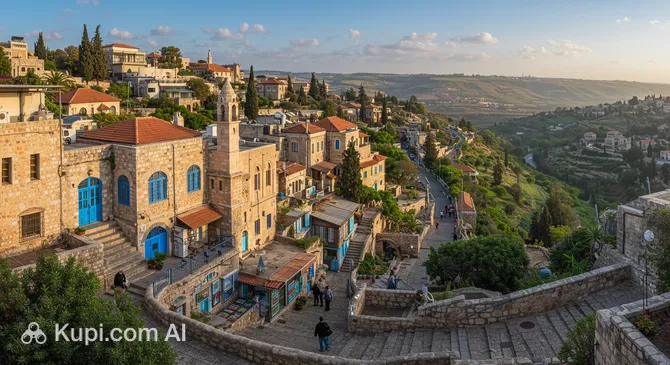
Safed. Illustration.
Source: Kupi.com AI

With a population of around 35,700 people, Safed maintains an intimate feel and a special aura, where everyone feels not just like a tourist, but like a participant in a leisurely and wonderfully harmonious life. The city is considered one of the four holy cities of Judaism and has been known since the 16th century as the global center of Kabbalah—the mystical tradition of Judaism. This spiritual depth permeates every corner of Safed.

Safed's architecture is an enchanting labyrinth of narrow stone-paved streets, unexpected staircases, ancient arches, and golden sandstone houses. The Old City seems designed for aimless wandering: around every corner, you'll find unique art galleries, craft workshops, antique shops, and cozy cafes. It is this atmosphere, filled with creativity and a touch of mystery, that draws artists, musicians, and everyone seeking inspiration.

Safed is worth visiting for its unique blend of antiquity and modernity, religious depth, and creative freedom. It is the perfect place to experience authentic culture, enjoy a slow-paced holiday, and make amazing discoveries in one of the most mystical cities in the world.

You can find more interesting facts on the history of Safed page.
Weather Overview

The weather in Safed is characterized by warm, dry summers and mild, wetter winters. During the summer months, especially July (average temperature around 27.2°C) and August (averaging 27.6°C), clear weather prevails and precipitation is virtually non-existent. In winter, from December to February, the average temperature is about 12-13°C. This is the rainiest period of the year in terms of the number of rainy days, though the total amount of precipitation remains moderate. Spring and autumn offer pleasant transitional weather with comfortable temperatures and low rainfall. Expect a warm summer with minimal rain and cool, relatively wet winters.

To learn more about weather conditions, you can check the detailed weather forecast for Safed.

Average monthly temperature

Average monthly precipitation

Interesting Facts

Beyond its famous shrines and the Artists' Quarter, mystical Safed hides many surprising stories and facts that aren't always on the surface. Are you ready to dive deeper into the secrets of this ancient city?

Abuhav Synagogue. Illustration.
Source: Kupi.com AI

Traveler photos:

  • A Melody Born in the Mountains: Safed is not only the highest city in Israel but also the place where, according to tradition, the famous Sabbath song "Lecha Dodi" was created in the 16th century. Its author is believed to be the Kabbalist Shlomo Halevi Alkabetz, who lived and worked right here.

  • The City of Celestial Blue: While walking through the streets of Safed, you'll notice an abundance of blue and light blue—many doors, window frames, and even walls are painted in these shades. This tradition is linked to the belief that the color blue wards off the evil eye and symbolizes the sky and divine presence, reminding residents of the city's spiritual essence.

  • Secrets of the Underground: Safed's Old City hides more than just surface-level antiquities. Legends tell of a whole network of underground tunnels and caves beneath the city where ancient manuscripts and Kabbalistic treatises from the heyday of mysticism may still be hidden.

  • The Final Resting Place of Sages: Safed and its surroundings are the burial sites of many great Jewish sages and Kabbalists. One of the most revered sites is the Tomb of the Ari (Rabbi Isaac Luria), the founder of Lurianic Kabbalah, which attracts pilgrims from all over the world.

How to Get There

Reaching the picturesque city of Safed, nestled on the peaks of the Galilean mountains, is possible through various means, though the primary point of arrival for most international travelers remains Israel's airports. You can find out more about how to get to Safed by exploring all available routes and modes of transport.

Since Safed itself does not have an airport, the main air hub for tourists is Ben Gurion Airport (IATA: TLV). It is located near Tel Aviv, approximately 120 km from Safed. This is the country's largest international airport, receiving flights from all over the world. The journey from here to Safed by rental car or taxi takes about 1.5–2 hours depending on traffic. Another popular option is taking a train to Karmiel station and continuing the journey by bus.

Another option, convenient for domestic flights or certain flights from nearby countries, is Haifa Airport (IATA: HFA). It is located in the city of Haifa, much closer to the destination—just 45.7 km away. This is a small regional airport, and the journey from there to Safed by car takes less than an hour, making it an excellent choice for those wanting to shorten ground transfer time.

For your convenience, here is summary information on the nearest available airports:

AirportPassenger trafficDistance
Haifa Airport275 00046 km
Beirut-Rafic Hariri International Airport5.6 mln95 km
Damascus International Airport2.1 mln107 km
Ben Gurion International Airport21.1 mln120 km
Queen Alia International Airport9.2 mln145 km

Main Attractions

Safed, one of Israel's four holy cities, is shrouded in a mystical atmosphere and is famous for its rich history associated with Kabbalah and art. Every corner here breathes antiquity, and the narrow streets of the Old City hold many secrets. Here are just a few key attractions worth visiting in Safed:

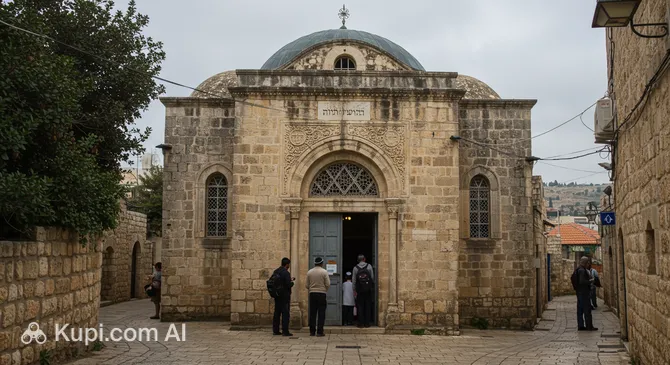
One of the most revered and beautiful synagogues in the city is the Abuhav Synagogue. Built in the 15th century by Spanish exiles, it is famous for its unique interior, particularly its three holy arks and ancient Torah scrolls. Legend has it that the synagogue miraculously survived an earthquake, which adds to its special aura. This site attracts pilgrims and tourists wishing to touch Safed's spiritual history.

Abuhav Synagogue. Illustration.
Source: Kupi.com AI

Traveler photos:

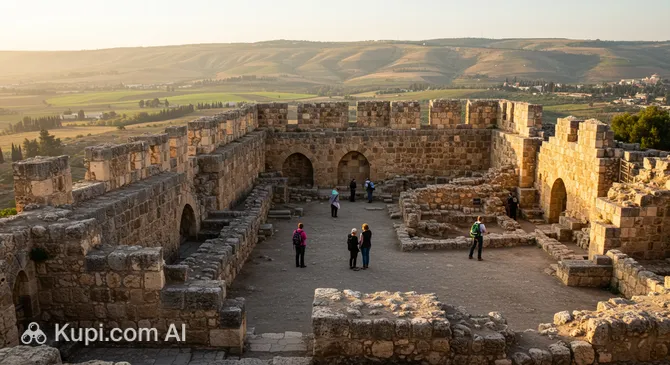
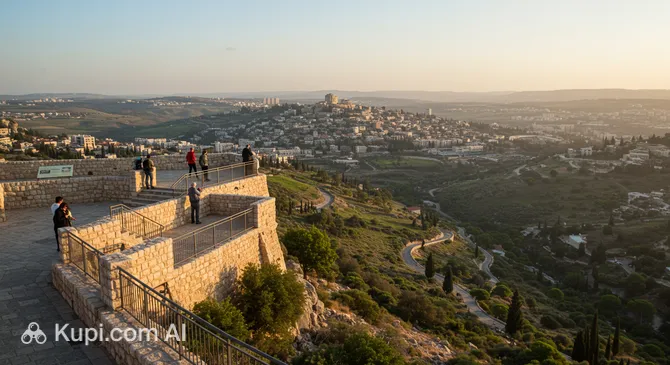
For history lovers and panoramic views, the Birya Fortress is a must-visit. Located on a hill near Safed, this ancient fortress has a rich history dating back to the Second Temple period and the time of the Crusaders. Today, it offers breathtaking views of the Upper Galilee, the Hula Valley, and the Golan Heights. It is an excellent place for a walk and for learning about the region's military past.

Birya Fortress. Illustration.
Source: Kupi.com AI

Traveler photos:

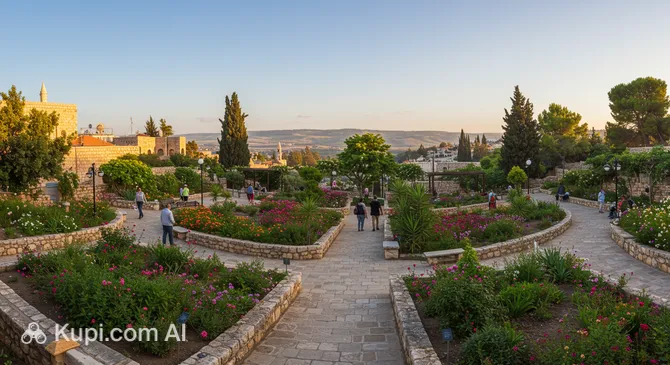
In the heart of Safed lies the Mezuda Garden (Citadel Garden). It is located on the site of the ruins of an ancient Crusader and Mamluk fortress that once dominated the city. Today, it is a well-maintained park offering visitors not only a pleasant walk among the greenery but also magnificent observation decks with views of the Old City and the surrounding mountains. There is also a memorial here for those who fell in the War of Independence.

Metzuda Garden. Illustration.
Source: Kupi.com AI

Traveler photos:

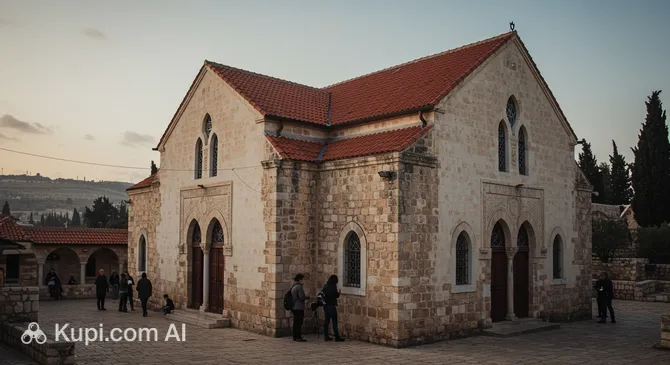
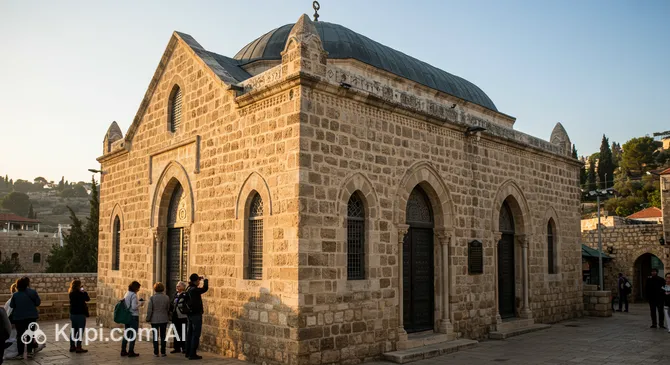
Another iconic shrine in Safed is the Ari Ashkenazi Synagogue. It is named after Rabbi Isaac Luria (the Ari), a great 16th-century Kabbalist who lived and taught in Safed. The synagogue was built in the late 16th century and is one of the oldest in the city. Visiting it allows for a deeper understanding of Safed's significance as a center of Jewish mysticism and spirituality.

Ari Ashkenazi Synagogue. Illustration.
Source: Kupi.com AI

Traveler photos:

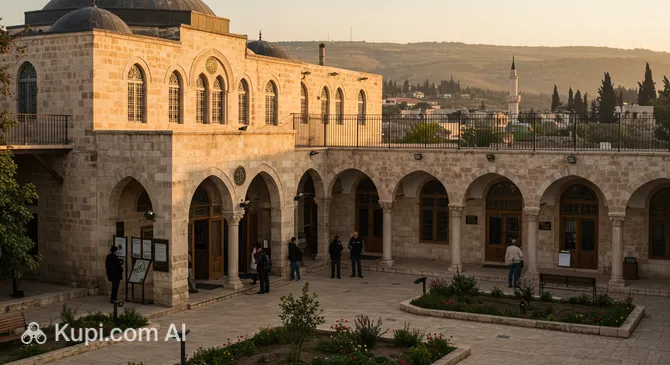
The historical building of the Ottoman Saraya in Safed is an important architectural monument reflecting the period of Ottoman rule. Built in the 18th century, it served as the residence of the Turkish governor. Today, the building, which preserves characteristic features of Ottoman architecture, attracts attention for its historical significance and is one of the symbols of Safed's multi-layered history.

Ottoman Saraya of Safed. Illustration.
Source: Kupi.com AI

Traveler photos:

Local Cuisine

The cuisine of Safed is a wonderful blend of Galilean traditions and modern culinary trends. The city is famous for its authentic food, which reflects the rich history and culture of the region. Every gourmet will find something to their liking here, from hearty traditional dishes to light snacks.

The main gastronomic pride of Safed is, without a doubt, the famous Safed cheese (Gvina Tsfatit). This semi-hard cheese, which began to be produced here back in the 19th century, has a delicate creamy taste and is often made from a mixture of cow, goat, and sheep milk. It is served with fresh bread, olives, and local wines. To learn about the production process and taste the freshest cheese, it is worth visiting the oldest dairy, "Meiri," which has been operating since 1840. There are also other family-run dairies in the city, such as "Kadosh," where they produce interesting hard kashkaval cheese according to Moroccan recipes.

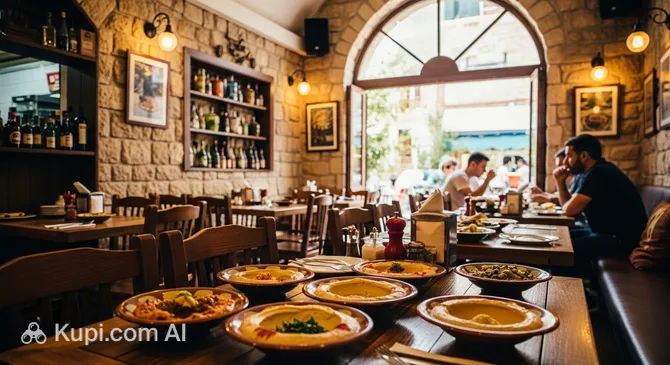
In addition to cheeses, you should definitely try other Middle Eastern and Israeli dishes in Safed. Hummus is prepared in a special way here and often becomes the main dish of a meal. Falafel, fresh pastries, aromatic spices, and olives are all integral parts of the local table. At farmers' markets, you can find fresh fruits, vegetables, honey, and nuts that perfectly complement any meal.

Hummus Eliyahu Safed. Illustration.
Source: Kupi.com AI

Traveler photos:

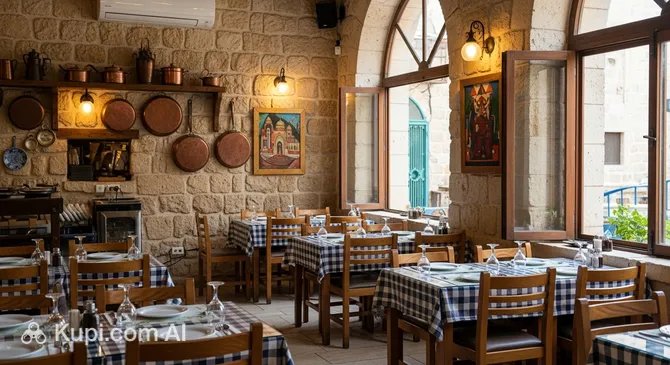
The food culture in Safed is diverse. Locals and tourists love to visit cozy cafes, family restaurants, and small eateries scattered along the narrow streets of the Old City. There are many kosher dairy restaurants here, as well as establishments offering excellent vegetarian dishes. One of the popular places to enjoy an authentic taste is Hummus Eliyahu Safed. Street food is also popular, offering a quick and tasty way to grab a bite while walking.

As for drinks, besides local wines that pair perfectly with cheeses, you should try fresh-squeezed pomegranate or citrus juices. Gastronomic festivals and fairs are often held in the city, where you can not only taste delicacies but also participate in masterclasses, diving deeper into the culinary traditions of the Galilee.

Travel Tips

Welcome to Safed, one of the four holy cities of Israel, famous for its mystical atmosphere and the Artists' Quarter! To make your journey through this amazing city as comfortable and memorable as possible, we have prepared some practical tips.

  1. Clothing and Essentials:

    Safed is located in the mountains, so the weather here can be changeable. It is hot during summer days, but evenings can be cool, so a light jacket or sweater will come in handy. In winter, it can be quite cold, and it even snows sometimes, so warm clothes are a must. Since there are many religious sites (synagogues) in Safed, women are recommended to have a scarf or shawl to cover their shoulders and wear clothing that covers the knees. Men may need a kippah (head covering) when entering a synagogue, which is often provided on-site. Be sure to bring comfortable shoes for walking on the cobbled streets of the Old City. Don't forget sunscreen, a hat, and an adapter for Israeli power outlets (Type H).

  2. Transport in the City:

    The historical center of Safed is best explored on foot—its narrow streets and staircases are not designed for active car traffic. To travel between city districts or to the surrounding areas, you can use local buses. Taxis are also available; it is recommended to confirm the fare in advance or ensure the driver turns on the meter. Renting a car can be convenient if you plan to travel a lot around the Galilee region, but keep in mind that finding parking in the old part of Safed can be difficult.

  3. Finances: Currency, Cards, Tipping:

    The local currency is the Israeli New Shekel (ILS). You can exchange money at banks or exchange offices. Credit and debit cards (Visa, Mastercard) are widely accepted in most shops, restaurants, and hotels. ATMs (Kaspomat) are easy to find throughout the city. Regarding tips, it is customary to leave 10-15% in restaurants if service is not included in the bill. Tipping taxi drivers is usually not mandatory, but you can round up the amount. An approximate daily budget (excluding accommodation) might be: for a budget traveler—about 200-300 shekels, for mid-range comfort—400-600 shekels, and for a more comfortable holiday—from 700 shekels and up. These figures are approximate and may change depending on your preferences.

  4. Health and Safety:

    Safed is generally a safe city. Pharmacies (Beit Merkachat) are available in the city, but not all are open 24/7; your hotel can advise on the nearest one or the one on duty. If medical assistance is needed, you can contact local clinics or the Ziv Hospital, located near the city. For emergencies, the ambulance number (Magen David Adom) is 101. Observe standard precautions: watch your belongings, especially in crowded places, and do not leave valuables unattended.

  5. Communication and Internet:

    The official languages in Israel are Hebrew and Arabic. In the tourist areas of Safed, many people speak English. Learning a few phrases in Hebrew will be useful and appreciated by locals: "Shalom" (hello/peace), "Toda" (thank you), "Bevakasha" (please/you're welcome). A local SIM card can be purchased at the airport upon arrival or at mobile phone stores. Wi-Fi is available in most hotels, cafes, and some public places. For convenience in getting around and planning routes, we recommend installing mobile apps such as Moovit (public transport schedules and routes), Waze, or Google Maps (navigation). Apps with general tourist information about Israel can also be useful.

  6. Local Etiquette and Traditions:

    When visiting synagogues and other religious sites, behave respectfully, maintain silence, and follow the dress code. Photographing people, especially those praying, should only be done with their permission. Keep in mind that Shabbat (Saturday) begins at sunset on Friday and ends at sunset on Saturday. During this time, many shops and institutions may be closed, and public transport runs less frequently. In religious neighborhoods during Shabbat, refrain from actions that might be perceived as disrespectful (e.g., smoking in plain sight, loud music).

  7. What to Avoid:

    Do not insist on taking photos of local residents, especially religious people, without their explicit consent—this can be seen as an invasion of privacy. Also, try to avoid loud arguments or discussions on political or religious topics if you are unsure of the appropriateness of the moment and the reaction of your companions.

  8. Special Feature of Safed: Art and Mysticism:

    Safed is famous for its Artists' Quarter. Be sure to stroll through its galleries and workshops, where you can find unique works of art and souvenirs, as well as chat with the artists themselves. The city is also a center of Kabbalah, and if you are interested in this mystical tradition, you can find themed tours or lectures.

We hope these tips help you better prepare for your trip and fully enjoy the unique atmosphere of ancient and eternally young Safed. Have a great journey!

Entertainment & Nightlife

Safed, a city with a rich history and spiritual atmosphere, offers its guests a special kind of evening leisure, distinct from noisy metropolises. The nightlife here is more conducive to quiet relaxation, conversation, and immersion in the city's unique aura. Instead of loud clubs, you will find cozy establishments where you can spend pleasant time after an eventful day.

The main concentration of evening activities is in the Old City and the famous Artists' Quarter. At dusk, these narrow streets, lit by the soft glow of lanterns, take on a special charm. Here you can find small cafes with local flavor, restaurants offering both traditional and modern cuisine, and occasionally places with quiet live music. The atmosphere is predominantly relaxed and creative, attracting both locals and tourists looking for an authentic experience. The dress code in most places is casual, though given Safed's spiritual significance, respectful attire is recommended.

For dinner, you might consider places like Hummus Eliyahu Safed, which serves the famous Middle Eastern dish, or Abu Yuvi Hummus Restaurant, also specializing in hummus and local cuisine. Food and drink prices in such places are usually moderate and correspond to average levels for Israeli tourist cities, allowing you to enjoy local cuisine without significant expense. These spots are perfect for getting to know the region's gastronomic traditions in a cozy setting. Most establishments begin to come alive toward the evening and stay open until late, though one should not expect 24-hour parties.

Abu Yubi Hummus Restaurant. Illustration.
Source: Kupi.com AI

Traveler photos:

When planning an evening out, it is best to arrive after sunset, when the daytime heat subsides and the city is enveloped in evening cool. Walking is the most convenient way to get around the center of Safed, especially the Old City. If your accommodation is further away, you can use a taxi. You can call a car through local taxi services or ask for assistance at your hotel reception. Safed is considered quite a safe city for evening walks, especially in tourist areas, though standard precautions should always be taken.

During the day, Safed offers a rich program for curious travelers. You can explore numerous ancient synagogues, such as the famous Abuhav Synagogue, visit the art galleries Safed's Artists' Quarter is famous for, or simply relax and enjoy the views at the Mezuda Garden. These daytime impressions perfectly complement the atmosphere of Safed in the evening.

Parks & Museums

Safed, a city with a rich history and a unique spiritual atmosphere, invites its guests not only to immerse themselves in the world of Kabbalah and art but also to enjoy picturesque green corners and discover a unique cultural heritage. Here, everyone will find something for the soul: from peaceful parks to historical treasures and inspiring art galleries.

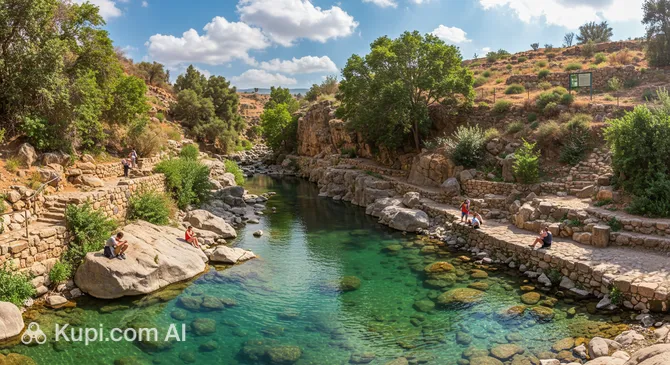
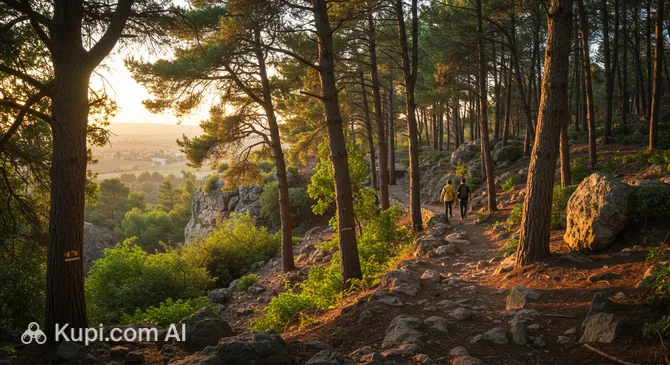
For nature lovers and those seeking quiet relaxation, Safed and its surroundings offer several wonderful spots. One of these is Emek HaTechelet Park, where you can walk along shaded paths, have a picnic, and enjoy the beauty of nature. Equally attractive is the Mezuda Garden, located at the top of a hill. From here, breathtaking panoramic views of the city and surrounding mountains open up, while the ruins of an ancient fortress add historical flavor to the place. It is also worth mentioning the Limonim Forest, which offers secluded walks among the trees.

Emek HaTkhelet Park. Illustration.
Source: Kupi.com AI

Traveler photos:

While Safed may not have many large traditional museums, its cultural heart beats in the famous Artists' Quarter. This area is a true open-air gallery, where studios and workshops of local artists await you at every step. Here, you can see unique works of painting, sculpture, jewelry, and Judaica, all imbued with the city's mystical atmosphere. A walk through the Artists' Quarter is an opportunity not only to admire art but also to chat with its creators.

Limonim Forest. Illustration.
Source: Kupi.com AI

Traveler photos:

The city is also rich in significant historical and architectural sites that tell the story of its centuries-old history. Be sure to visit ancient synagogues, such as the famous Abuhav Synagogue with its unique interior or the Ari Ashkenazi Synagogue, associated with the name of the great Kabbalist. The Ottoman Saraya in Safed is also of interest—a historical building that serves as a reminder of the Ottoman period in Safed's history. Not far from the city is the Birya Fortress, which offers magnificent views and a chance to touch the ancient history of the region.

For a deeper immersion into Safed's spiritual atmosphere, visit the Mikveh Ari—a historical mikveh associated with the life of Rabbi Isaac Luria. This place holds special significance for pilgrims and those interested in Kabbalistic traditions.

Ari Synagogue Mikveh. Illustration.
Source: Kupi.com AI

Traveler photos:

To get a truly authentic experience of Safed, stroll through its narrow stone streets at dawn, when the city is just starting its day. Stop by the Nimrod Lookout to enjoy a panoramic view of the Galilee Mountains, which is particularly impressive at sunset. These are moments that will stay in your memory for a long time.

Nimrod Lookout. Illustration.
Source: Kupi.com AI

Traveler photos:

Getting Around

Getting around Safed is possible both on foot and via public transport. Given the city's compact size, especially its historical part with narrow streets, many attractions are within walking distance. However, for longer journeys or to get to your hotel with luggage, local buses will be useful.

The main form of public transport in Safed is buses. They connect various districts of the city and also link Safed with other settlements in the region. The bus network is developed enough to ensure travel along major routes. Minibuses (Sherut) may also operate on some routes, offering a faster but sometimes more expensive way to travel compared to regular buses.

The payment system in Israel, and in Safed specifically, is primarily based on the use of the "Rav-Kav" rechargeable electronic card. This card can be purchased and topped up at special sales points, at the central bus station, or from drivers of certain bus companies (though the latter is becoming less common). "Rav-Kav" allows you to pay for trips at a discount and use various types of passes. The cost of a single city bus trip in Safed is usually around 5-8 shekels when paying with a "Rav-Kav" card or through mobile apps. Payment via mobile apps linked to "Rav-Kav" or directly through some operators is also possible. Single tickets can be purchased from the driver (if the option is available on the route) or through apps, but using "Rav-Kav" is generally more profitable and convenient.

Tourists are recommended to purchase a "Rav-Kav" card upon arrival if they plan to use public transport frequently. Ticket or card validation takes place upon entering the bus using a special reader. Buses typically run from early morning until late evening. It is important to remember that public transport in Israel, including Safed, significantly scales back or stops entirely during Shabbat (from Friday evening to Saturday evening) and on Jewish holidays. It is recommended to check schedules in advance on bus company websites or at information centers.

As an alternative to public transport, taxis are always available in Safed. They can be called by phone, through mobile apps, or found at designated taxi stands. A taxi ride will be more expensive but provides greater comfort and speed, especially if you are traveling with luggage or in a group. Given the city's hilly terrain and narrow streets in the old part, a taxi can be a convenient option for getting to places difficult for buses to reach. Car rental may be considered if you plan to travel extensively around the outskirts of Safed and northern Israel, however, for traveling exclusively within the city, it is less practical due to parking difficulties.

Accommodation

In Safed, travelers will find a variety of accommodation options to suit different budgets and preferences. The city offers a wide range of housing: from cozy guesthouses (zimmers) and boutique hotels steeped in antique charm to holiday apartments and a small number of more traditional hotels. Many accommodation options feature unique designs and reflect the spiritual and artistic character of the city.

The most popular areas for tourists to stay are the Old City and the Artists' Quarter. Staying here allows for walking access to the main attractions, synagogues, galleries, and atmospheric streets. Accommodations with panoramic views of the Galilee mountains are also highly valued. Although there are no specific hotels in the provided list of attractions, many small, family-run hotels and guesthouses offering an authentic experience can be found throughout Safed.

When planning a trip, especially during the peak tourist season or Jewish holidays, it is recommended to book accommodation in advance. Prices for stays range from budget options in hostels or simple rooms to more expensive offerings in boutique hotels and apartments with special amenities. You can book accommodation through popular international online platforms or directly by contacting guesthouse owners, which sometimes allows you to find better deals or unique options.

Nearby Cities

For those who want to explore the surroundings, Safed serves as an excellent starting point for day trips to several interesting nearby locations:

CityPopulationDistance
Rosh Pinna3 0004 km
Bint Jbeil30 00018 km
Tiberias44 20019 km
Karmiel45 30020 km
Maalot Tarshiha36 00021 km

For example, a trip to Nazareth will allow you to immerse yourself in the atmosphere of a city sacred to Christians, visit the Basilica of the Annunciation, and stroll through its ancient streets. The ancient port city of Akko, a UNESCO World Heritage site, will amaze you with its rich history, offering impressive Crusader halls and a colorful old market. Meanwhile, coastal Nahariya offers a chance to relax on Mediterranean beaches and enjoy a more modern resort atmosphere.

These nearby destinations provide an insight into the diverse culture and landscapes of Israel. Each of these cities offers its own unique attractions, from historical and religious shrines to modern cultural centers and picturesque coastal views.

Shopping & Souvenirs

Safed, one of the four holy cities of Israel, offers a unique shopping experience, especially for those seeking art, Judaica, and handmade crafts. The city is famous for its atmosphere of creativity and spirituality, which is reflected in its local shops and galleries. Here, you won't find huge shopping malls, but you can immerse yourself in a world of authentic goods imbued with the mystical spirit of this ancient place.

The primary shopping destination in Safed is the Old City, particularly its famous Artists' Quarter. The narrow cobbled streets of this district are dotted with numerous art galleries, studios, and small boutiques. You can find paintings, sculptures, ceramics, jewelry, and other unique works of art created by local masters, many of whom draw inspiration from the mystical atmosphere of Kabbalah. Walking through these streets is a pleasure in itself, allowing you to peek into workshops and talk with the artists.

In Safed, there are no large modern shopping centers in the conventional sense. Shopping here is more like a leisurely stroll through historical streets and visiting small, often family-run, shops and galleries where every item has its own story and special energy. This approach allows for a deeper feel of the city's unique atmosphere and the chance to find truly exclusive items.

Although Safed does not have one large central market like the famous markets in Tel Aviv or Jerusalem, you can find small, colorful shops and stalls on the streets of the Old City. They sell fresh local products, fragrant spices, traditional sweets, as well as souvenirs and handmade items. Occasionally, especially during the tourist season or during festivals, craft fairs may be organized where local masters present their creations.

Items worth bringing home from Safed include Judaica, such as mezuzahs, chanukiyot, kippahs, and tallitot, often made in a unique style. Art pieces featuring Kabbalistic symbolism, as well as paintings and prints by local artists, are especially popular. You can also purchase handmade candles, original jewelry, ceramics, and textiles with traditional patterns. Don't forget local delicacies: spices, olive oil, honey, wines, and natural cosmetics.

Most shops in Safed operate from Sunday to Thursday, usually from 9:00-10:00 AM until 6:00-7:00 PM. On Friday, leading up to Shabbat, shops close earlier, typically in the afternoon (around 2:00-3:00 PM), and remain closed until Saturday evening. Some tourist shops and galleries may open on Saturday night after Shabbat ends. International credit cards are accepted in most shops, however, in small stalls and with street vendors, cash in Israeli shekels may be required.

Tourists who are not citizens of Israel can take advantage of the VAT refund (Tax Free) system for purchases made in participating stores. These are usually stores offering goods for a certain minimum amount (check on-site). Look for the "Tax Free" sign in the window or at the register. Remember to ask the seller to fill out a special tax refund form, which will need to be presented along with your purchases and receipt at customs at the airport when departing the country.

Reached the end of the page?

That means the route is fully explored