Support

Masada

About

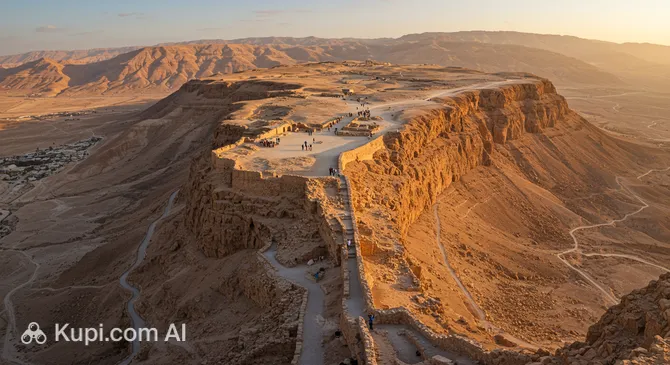
Masada is not just a point on the map, but a majestic symbol of resilience and one of the most impressive archaeological complexes Israel has to offer travelers. The ancient fortress is situated atop an isolated rock in the Judean Desert, rising proudly above the surroundings. On one side of the plateau, views of harsh but beautiful sandy landscapes unfold, while on the other, the shimmering waters of the Dead Sea create an incredible contrast and a sense of detachment from the bustle of civilization.

Masada. Illustration.
Source: Kupi.com AI

Although Masada is not a city in the traditional sense and has no permanent population, it is a well-maintained national park with developed infrastructure. Tourists can climb to the summit on foot via the famous "Snake Path" or take a modern cable car to enjoy the panorama effortlessly. The unique history of Masada is felt in every stone here: walking among the ruins of King Herod's palaces, ancient baths, and storehouses, it is easy to imagine the lives of the people who lived here thousands of years ago.

The special magic of this place is revealed at dawn, when the sun paints the cliffs and the desert in golden-pink tones. This spectacle annually attracts thousands of guests seeking inspiration and deep emotions. Visiting Masada is a must-see for anyone who wants to touch eternity and see one of the most breathtaking landscapes in the Middle East.

Weather Overview

The climate in this region is typical for a desert area: dry and sunny weather prevails here, making it possible to visit the landmark year-round. However, seasonal characteristics should be considered: the weather in Masada can be either perfectly comfortable for long walks or a test of endurance due to intense heat.

Summer here is hot and arid: in July and August, the average temperature is about 29°C, and daily maximums regularly reach 35.5°C. There is no precipitation at all in the summer months, nor in September. Winter, on the other hand, is mild and pleasant: in January and February, the air warms up to 16–18°C during the day, and nighttime temperatures rarely drop below 8°C, creating excellent conditions for excursions.

Expect a very hot summer with no rain and a mild winter with a small amount of precipitation. Rain here is a rare and scant phenomenon (only 2–3 mm), occurring mainly from December to March, although there can be up to 12 days with some level of humidity during the winter months. The most comfortable times to visit are spring and late autumn, when temperatures stay in a pleasant range from 20°C to 25°C.

Average monthly temperature

Average monthly precipitation

Interesting Facts

Beyond its majestic appearance and dramatic history, Masada holds many fascinating details that often escape the attention of a casual tourist. This is a place where the engineering genius of antiquity intertwines with modern traditions, creating a unique atmosphere.

  • An engineering miracle in the desert. Despite the arid climate, the inhabitants of the fortress never suffered from thirst. A highly sophisticated water collection system was created here, directing rainwater from wadis (dry riverbeds) into giant cisterns carved into the rock. The water reserves were sufficient not only for drinking but also for the functioning of full-scale Roman baths and even a swimming pool on the plateau summit.

  • Connection across time. Within the fortress territory lies one of the oldest synagogues in the world, which was active during the time of the Second Temple. Archaeologists discovered fragments of sacred texts and a "genizah" — a hiding place for storing worn-out scrolls, confirming the continuity of the spiritual life of the fortress defenders even in the height of the siege.

  • The sunrise ritual. There is a beautiful tradition popular among youth and tourists: climbing to the summit on foot via the winding "Snake Path" while it is still dark. The reward for the early rise is the chance to see the first rays of the sun illuminate the mountains of Jordan and the mirror-like surface of the Dead Sea, symbolizing faith in new beginnings.

  • A cultural arena under the stars. Masada serves not only as a historical monument but also as an impressive concert venue. Thanks to the unique terrain at the foot of the mountain, a natural acoustic environment is created, leading to regular large-scale opera productions and music festivals that gather audiences from all over the world.

How to Get There

When planning a journey to the ancient fortress, it is important to think through the logistics in advance, as this unique historical monument is located in a secluded area of the Judean Desert. You can learn more about how to get to Masada by studying all available routes and transport features in the region.

Since there is no airport nearby, most travelers arrive through the country's main international gateway — Ben Gurion Airport (TLV), located near Tel Aviv. The distance to the fortress is about 100 km. A trip from here by rental car or tourist bus usually takes about 2–3 hours, depending on traffic and the chosen route. The road allows you to enjoy the changing scenery: from the urban center to the mesmerizing desert views.

An alternative for some tourists could be Queen Alia International Airport (AMM), located in Jordan. However, when choosing this path, you should budget from 3 to 4 hours or more, as the route involves crossing the state border, which requires extra time for formalities. For domestic flights, Haifa Airport (HFA) is sometimes used, although it handles significantly fewer flights.

Key data for the nearest airports are presented in the table:

AirportPassenger trafficDistance
Haifa Airport275 00054 km
Ben Gurion International Airport21.1 mln100 km
Queen Alia International Airport9.2 mln113 km
Damascus International Airport2.1 mln118 km
Beirut-Rafic Hariri International Airport5.6 mln127 km

There is no direct rail connection to the Masada fortress. The nearest major transport hubs reachable by train are Beersheba, Jerusalem, or Tel Aviv. From there, tourists must transfer to intercity buses heading to the Dead Sea coast or use taxi services. The bus network is well-developed: routes passing along Highway 90 stop right at the foot of the mountain, making this mode of transport very popular and budget-friendly.

Main Attractions

While the fortress itself is the main goal of the visit, the tourist route through this region and along the Jordan Valley offers travelers other interesting locations for relaxation, cultural enrichment, and culinary discoveries. Below are popular spots often included in a trip itinerary through this part of the country.

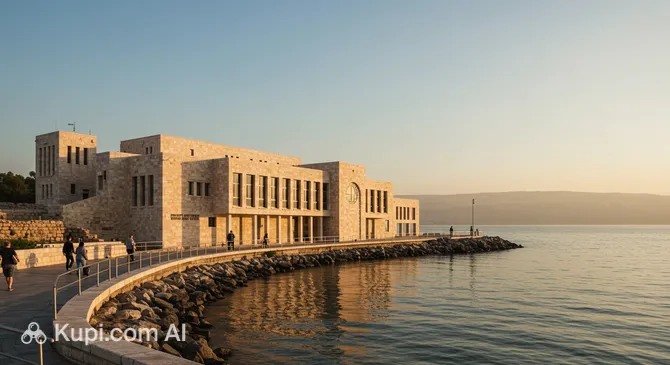
Art and architecture lovers should visit Beit Gabriel on the Kinneret. This is a unique cultural center located in a picturesque spot. The building impresses with its architecture and well-kept gardens, where an atmosphere of peace and harmony prevails. Regular exhibitions, concerts, and cultural events are held here, making it a point of attraction for those seeking spiritual and aesthetic pleasure away from noisy cities.

Beit Gabriel on the Kinneret. Illustration.
Source: Kupi.com AI

Traveler photos:

For those looking to cool off and relax by the water, Tzemach Beach is an excellent choice. This is a popular recreation area equipped with everything necessary for a comfortable stay. Tourists appreciate this place for the opportunity to relax under the sun, swim, and enjoy water attractions. The beach is suitable for both groups of young people and families wishing to take a break from a busy excursion schedule.

A culinary highlight of the route is Restaurant 1910. The establishment is located in a historical building, which gives it a special charm and coziness. The menu offers Italian and Mediterranean cuisine prepared from fresh local products. Visitors note not only the delicious food but also the attentive service, making dinner here a memorable event.

If you are traveling with children, it's worth stopping by Jungle Fun. This is a place where little travelers can interact with animals and have a great time. The complex offers an interactive experience, allowing children to get closer to the world of fauna in a safe and friendly environment, making it excellent entertainment for the whole family.

Local Cuisine

The culinary scene in the Masada area has its own unique features. Since the fortress itself is a national park, there are no typical city streets with restaurants, but authentic flavors inspired by the traditions of the Judean Desert and the Dead Sea await travelers at the foot of the mountain and in nearby tourist centers. Local cuisine is famous for its use of fresh vegetables, aromatic spices, and high-quality olive oil.

The main dishes worth trying are simple but incredibly tasty. The staples often include hummus with pine nuts, crispy falafel, and delicate goat cheese. Almost any meal is served with tahini — a thick sesame paste — and freshly baked pita bread. Be sure to taste the local dates grown in neighboring oases: they are known for their exceptional sweetness and softness. Gourmets may also be offered fish dishes, which are popular in this region.

As for drinks, the best way to quench your thirst after walking through the ruins is limonana — icy lemonade with fresh mint. It’s a real hit of the hot season. Fans of hot drinks will appreciate the aromatic oriental coffee with cardamom, brewed masterfully here. Souvenir shops often sell date syrup and natural honey so you can take a piece of the desert's taste home with you.

For those wanting a substantial meal while traveling through the region, Shirat HaBasar is an excellent choice. This is a meat restaurant where you can enjoy steaks and grilled dishes in a cozy atmosphere, restoring your strength after a full day of sightseeing.

The dining culture here is slow-paced and hospitable. Tourists usually dine at guesthouses, roadside complexes, or hotel restaurants, which often host culinary festivals. At such events, you can get acquainted with Bedouin cuisine, try traditional bread baked on a saj, and learn the secrets of local chefs.

Travel Tips

A journey to the ancient fortress of Masada is an exciting adventure that requires proper preparation due to the unique conditions of the Judean Desert. To ensure your visit to Israel and your ascent to the legendary plateau are as comfortable and safe as possible, we have gathered a list of important practical recommendations for you.

  1. Clothing and equipment. Even if you plan to use the cable car, wear comfortable, well-fitting shoes (sneakers or trekking boots), as there are many uneven stones at the top. A hat, sunglasses, and high-SPF sunscreen are essential in any season. Dress in layers: it can be windy and cool at the summit in winter, while in summer, choose light, breathable fabrics that cover your shoulders from the scorching sun.
  2. Transport and logistics. Movement within the national park itself is on foot. For the ascent, you can choose the funicular (fee applies) or hiking trails (the "Snake Path" or the "Roman Ramp Trail"). Reaching the base is most convenient by rental car or Egged buses traveling along Highway 90. Note that taxis in this remote area are expensive, and hitchhiking is difficult.
  3. Finances. Credit cards are accepted in the park and at souvenir shops, but having some cash (shekels) is useful for buying water or snacks from vending machines. Prices in the visitor center cafe are above average, so budget travelers are recommended to bring snacks with them. Tipping in cafes is welcomed at 10–12%.
  4. Health and safety. The golden rule of the desert is to drink plenty of water. Carry at least 1.5–2 liters of water per person, even in winter. There are water fountains at the summit for refilling supplies. Be careful at cliff edges and observation decks — railings are not present everywhere. The nearest pharmacy is far away (in the Ein Bokek hotels), so it's better to pack a personal first-aid kit in advance.
  5. Communication. Park staff, cashiers, and guides generally speak good English, and many understand Russian as well. Wi-Fi is available in the visitor center at the base of the mountain, but cellular signal may be unstable at the summit and on the road. We recommend downloading offline maps of the region beforehand.
  6. Local etiquette. Masada is not just a tourist site, but a place of deep historical and tragic significance. Behave respectfully: do not climb on ancient walls, do not shout loudly (especially near the synagogue), and do not leave inscriptions on the stones. A "Shalom" greeting is always appropriate and encourages interaction.
  7. What to avoid. It is strongly recommended not to start the hike up the "Snake Path" in the middle of the day during summer months (the trail is often closed after 08:00 or 09:00 AM due to extreme heat). Do not attempt to feed wild animals, such as Tristram's starlings or mountain goats — it harms their health and disrupts the ecosystem.
  8. Additional tip. If you plan to visit several national parks (for example, Caesarea, Qumran, and Masada), it is cost-effective to purchase a "Green Card" (Matmon card) or a combined ticket at the entrance. This can significantly save on entrance fees. And for the most vivid impressions, arrive for the park's opening to catch the sunrise at the summit — this sight is considered one of the most beautiful in the Middle East.

Following these simple rules will help you avoid minor troubles and fully focus on the greatness of ancient history and the stunning panoramas of the Dead Sea. May the conquest of this inaccessible fortress be one of the brightest moments of your vacation!

Entertainment & Nightlife

Nightlife in this area, located in the picturesque Jordan Valley near Lake Kinneret, differs from that of noisy metropolises. Here you won't find massive nightclubs with lasers until morning; instead, you can enjoy the cozy atmosphere of kibbutz pubs, excellent restaurants, and bars with live music. Evening entertainment in Masada and the surrounding area is geared towards relaxed leisure, soulful conversations, and enjoying local gastronomy.

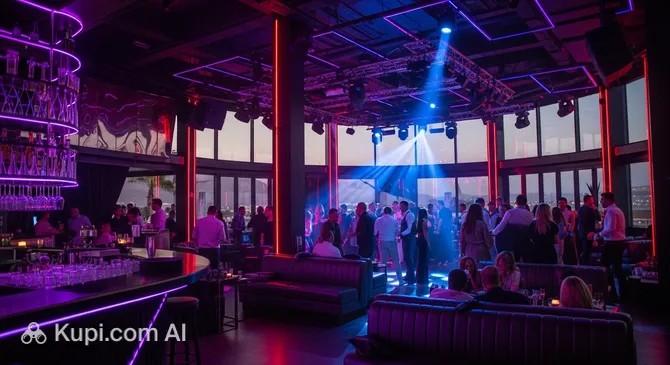
A center of attraction for those wanting to spend the evening with a drink and good music is Glory Bar. This establishment is popular with both locals and tourists due to its laid-back atmosphere and regular parties. Here you can dance or simply relax after a busy day of traveling through the north of the country.

Glory Bar. Illustration.
Source: Kupi.com AI

Traveler photos:

The culinary side of the evening is excellently developed here. For a hearty dinner in a special setting, it's worth visiting Shirat HaBasar — a meat restaurant with a rustic flair. Also in close proximity is the famous Restaurant 1910, housed in a historical building. This place is perfect for a romantic evening: they serve Italian and Mediterranean dishes, and the wine list will delight connoisseurs.

As for practical advice, the dress code in most establishments is casual; excessive pretense is not common here. Since public transport runs rarely or not at all at night, it is highly recommended to rent a car or get the numbers of local taxis in advance for moving between locations. The area is considered very safe for tourists, but roads between kibbutzim may be poorly lit, so be careful while driving.

During the day, there is just as much entertainment as in the evening. Lovers of cultural leisure should check out Beit Gabriel on the Kinneret — a cultural center with a cinema and exhibitions. Families with children will enjoy Jungle Fun, where they can have fun with animals, while for classic beach relaxation, Tzemach Beach is perfect, as it often hosts music festivals and events.

Parks & Museums

While Masada is primarily known as a legendary fortress, the site is part of a vast nature reserve where the stark beauty of the Judean Desert meets a tragic history. The "parks and museums" section here is represented by a single monumental complex that offers tourists not only archaeological discoveries but also a unique experience of interacting with the wild.

The heart of this territory is Masada National Park. It is a unique landscape reserve protected by the state and included in the UNESCO World Heritage list. Climbing the plateau or walking at its foot, travelers find themselves surrounded by majestic cliffs and canyons. Here you can observe local fauna in their natural habitat: Nubian ibexes move skillfully along the sheer ledges, while birds of prey and the famous Tristram's starlings, whose singing brings the desert silence to life, soar in the sky. The park's trails, including the famous "Snake Path," allow you to enjoy breathtaking panoramas of the Dead Sea, which changes its hues from dawn to dusk.

An integral part of the cultural program is the Yigal Yadin Masada Museum, located in the modern visitor center at the foot of the mountain. This museum was created to link archaeological finds with the human stories of the fortress defenders. The exposition is organized like theatrical scenes: moving from hall to hall with an audio guide, visitors are immersed in the atmosphere of antiquity.

The museum's display cases feature authentic artifacts found during the massive excavations of the 1960s. Here you can see household items preserved by the dry desert climate: fragments of fabric, woven sandals, kitchen utensils, coins, and even cosmetics. A special place is held by the ostraca — pottery shards with names inscribed on them, which, according to legend, were used by the rebels to draw lots in the final hours of the siege. The museum masterfully tells the story not only of the battle but also of the daily lives of the people who inhabited this rock thousands of years ago.

Insider Tip: Experienced guides strongly recommend visiting the Yigal Yadin Museum before ascending to the summit. Understanding the historical context and the personal belongings of the defense heroes will fill the subsequent walk through the ruins of palaces and casemates with deep meaning, turning silent stones into living witnesses of the past.

Getting Around

Since Masada is not a residential city but a secluded national park and archaeological complex in the desert, there is no standard urban public transport system like a metro, trams, or trolleybuses. The site's internal transport infrastructure is limited but perfectly organized for tourist convenience, and external connections to major population centers are provided by a network of intercity buses.

The main and most impressive means of transportation directly on the site is the cable car. This is a modern funicular that delivers visitors from the lower visitor center to the summit of the inaccessible plateau in a matter of minutes. The cabins are spacious, air-conditioned, and equipped with panoramic windows, turning the ascent into a separate attraction with breathtaking views. The funicular operates daily, though its schedule depends on the season and days of the week (the working day is shorter on Fridays).

To reach the park itself, travelers most often use Egged buses. Routes running along the Dead Sea coast (for example, from Jerusalem, Tel Aviv, or Eilat) stop at a dedicated station at the foot of the mountain. It's important to remember that bus drivers generally do not accept cash. Fares are paid contactlessly.

The payment system for public transport in the region is unified. Tourists need to purchase a rechargeable "Rav-Kav" transport card in advance, which is sold at stations, airports, and some kiosks. An alternative and more convenient way for smartphone users is to use mobile apps such as Moovit, Pango, or HopOn. In these apps, you link a credit card and scan a QR code when entering the bus. This eliminates the need to look for physical card sales points.

Among alternative ways to get around, renting a car is the most popular. It provides freedom from schedules and allows for comfortable exploration of the Dead Sea surroundings. A large covered parking lot is available at the foot of Masada (there is a fee, but the cost is often included in some types of entrance tickets or memberships). Taxis are an option, but an expensive one due to the long distances from major cities. Car-sharing is practically non-existent in this remote area, so it's not something to count on.

Practical tips for tourists:

When planning a trip by public transport, be sure to take Shabbat into account. From mid-day Friday until Saturday evening, bus service in the country stops completely. During this time, you can only reach or leave Masada by rental car or pre-booked transfer. Tickets for the cable car itself are purchased separately at the visitor center box office or online on the parks authority website; keep your ticket until the end of your visit, as it may be needed for the descent.

Accommodation

Accommodation in the Masada area has its own specifics, dictated by the location of the ancient fortress in the heart of the Judean Desert. Since the site itself is a protected national park, there are no hotels directly on top of the mountain. However, comfortable conditions have been created for tourists in the immediate vicinity, as well as in neighboring resort areas. Travelers can choose between staying overnight at a youth hostel right at the foot, camping under the stars, or luxury spa hotels on the Dead Sea coast.

For those wanting to catch the sunrise at the summit and start the climb as early as possible, the ideal option would be a stay at the specialized HI Masada Hostel or at the equipped camping ground at the eastern entrance. These are budget-friendly and accessible options that save travel time. If you prefer a high level of comfort, consider the Ein Bokek resort area, located just a 15–20 minute drive to the south. Large hotel complexes with swimming pools, spa treatments, and private beaches are concentrated here.

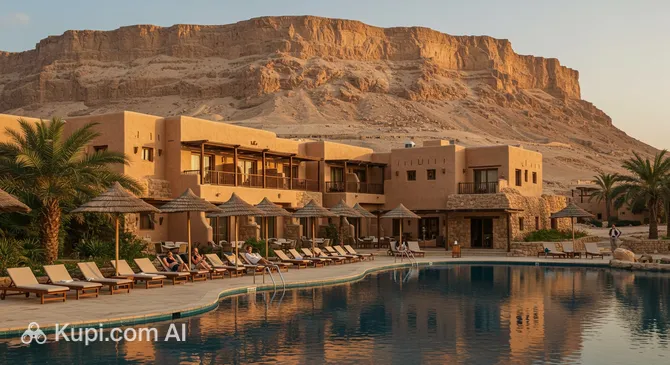
In Israel, the format of staying in kibbutzim and holiday villages is also popular, offering a quiet atmosphere and proximity to nature. Among the accommodation options that often attract tourists' attention (sometimes as part of an extended route through the region) is the Ma'agan Holiday Village. This place is great for family vacations and relaxation. Another interesting example of this format is Kibbutz Ma'agan — holiday village, where guests can get acquainted with a unique way of life and enjoy the cozy grounds.

Maagan Holiday Village. Illustration.
Source: Kupi.com AI

Traveler photos:

Price range and booking vary depending on the season and type of accommodation. Campsites and hostels fall into the budget segment, while Dead Sea hotels offer mid-range to luxury accommodation with corresponding price tags. It is highly recommended to book rooms in advance, especially if your trip falls on Jewish holidays (Passover, Sukkot) or weekends, when demand for recreation in this region peaks.

Most accommodation options are available on popular international booking platforms, but spots in campsites and hostels at the foot of the mountain are often best reserved directly through the Israel Youth Hostels Association or the Nature and Parks Authority websites.

Nearby Cities

For those who want to explore the surroundings, Masada serves as an excellent starting point for day trips to several interesting nearby locations:

CityPopulationDistance
North Shuna25 0008 km
Tiberias44 20014 km
Malka11 70614 km
Deir Abu Said29 59022 km
Beit She'an18 20023 km

Among the available destinations, Nazareth deserves special attention. It is a city of deep historical and religious significance, attracting pilgrims and travelers from all over the world. Here you can visit the famous Basilica of the Annunciation, walk through the narrow streets of the old market filled with the aroma of spices, and immerse yourself in a unique atmosphere where cultures intertwine.

Fans of ancient history and seascapes should head to Akko (Acre). This ancient port city, a UNESCO World Heritage site, impresses with its powerful fortress walls preserved from the time of the Crusaders. A walk through the underground Templar tunnels and lunch at a waterfront restaurant overlooking the Mediterranean Sea will be a vibrant addition to your journey.

These nearby destinations offer a glimpse into the diverse culture and landscapes of the region.

Shopping & Souvenirs

Shopping in the Masada fortress area has its own specifics: it's not a place for hunting high fashion, but rather an opportunity to purchase unique local goods that will remind you of your journey to the lowest point on Earth. Since Masada is a national park located in the desert, trade here is focused on tourist needs, souvenirs, and the famous products of the Dead Sea region.

Main shopping areas are located directly at the foot of the mountain, in the modern Visitor Center. Here you'll find a gallery of shops offering a wide range of goods: from comfortable trekking clothes to jewelry. This is the only place for shopping in immediate proximity to the landmark. If you're interested in more extensive shopping, head to the Ein Bokek resort area, a 15–20 minute drive away, where shopping centers with cosmetics and beach accessories are concentrated.

There are no large malls in the desert itself, but tourist routes in this region often cover a vast territory. Traveling along the Jordan Valley to the north or south, you can find larger retail outlets. For example, the Galilee — Jordan Valley Shopping Center offers a variety of shops and cafes, making it a convenient stop for those combining a visit to Masada with a trip to Lake Kinneret.

You won't find traditional oriental bazaars or flea markets at the foot of the fortress. Roadside stalls and shops at kibbutzim along Highway 90 take on the role of markets here. You can often buy fresh seasonal fruit there, especially during harvest time.

What to bring back from Masada? First and foremost, tourists buy cosmetics based on Dead Sea minerals: therapeutic muds, salts, creams, and lotions from well-known brands (e.g., Ahava), whose factories are located nearby. Also popular are:

  • Dates and date honey (silan) — a sweet and healthy culinary souvenir from local oases.
  • Souvenirs with symbols — T-shirts and caps with the phrase "Masada Shall Not Fall Again" or images of the fortress.
  • Jewelry — often featuring Eilat stone (a blue-green mineral).
  • Judaica and ceramics — handmade items from local craftsmen.

Opening hours and payment. Shops in the Masada visitor center usually operate according to the national park schedule: from 08:00 to 16:00 or 17:00 (closing earlier in winter). On Fridays and the eve of holidays, the working day is shortened. Bank cards (Visa, MasterCard, etc.) and cash shekels are widely accepted. Dollars and euros may be accepted in large souvenir shops, but the exchange rate won't be the most favorable, and change will be given in local currency.

Tax Free. Tourists in Israel are entitled to a VAT refund on purchases over 400 shekels at participating shops (look for the "Tax Refund" sticker). Be sure to ask for a special form when purchasing. The refund point is at the departure airport (e.g., Ben Gurion), where you will need to present the receipt, the form, and the item itself.
Reached the end of the page?

That means the route is fully explored