Support

Aso Shrine

About

Aso Shrine is one of the oldest and most significant Shinto shrines in Japan, located in the namesake city of Aso at the foot of one of the world's largest active volcanoes. This ancient temple complex is considered the spiritual heart of the region and attracts pilgrims and tourists with its rich history and impressive architecture.
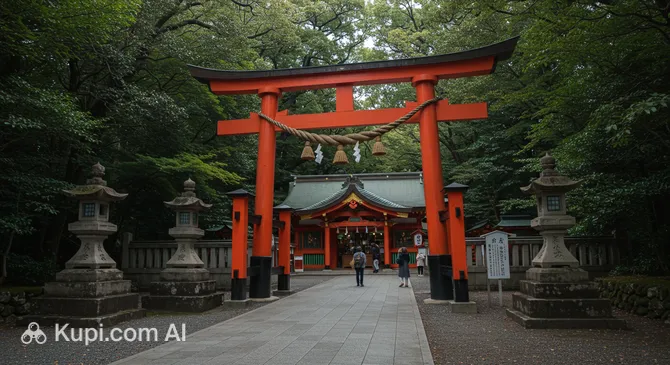
Aso Shrine. Illustration.
Source: Kupi.com AI

Traveller photos:

The shrine's main feature is its deep connection with the powerful forces of nature. It is dedicated to deities who, according to beliefs, patronize Mount Aso and protect the local residents. Visiting this place allows you to experience the traditional Japanese Shinto religion, where nature and deities are inextricably linked.

The architectural ensemble includes several buildings constructed in the traditional style and the famous torii gates, which serve as a symbolic entrance to the sacred space. Although some structures were damaged by earthquakes, the spirit of this place and its beauty remain unchanged. A walk through the shrine grounds, surrounded by picturesque mountain landscapes, provides a sense of peace and tranquility.

Visiting Aso Shrine is not just about sightseeing, but an opportunity to immerse yourself in a unique atmosphere where ancient rituals and beliefs blend harmoniously with the majestic nature of the island of Kyushu. This place is definitely worth including in your itinerary for a deeper understanding of Japanese culture.

Contacts

To get the most up-to-date information regarding Aso Shrine's opening hours, event schedules, or to confirm contact details, it is recommended to visit the official website of the attraction. You can also find more details at local tourist information centers in the city of Aso, where they can help you plan your visit.

How to contactContact
Address3083-1 Ichinomiyamachi Miyaji, Aso, Kumamoto 869-2612, Japan
Phone+81 967-22-0064
Websiteasojinja.or.jp

What to Do

Visiting Aso Shrine is an opportunity to dive deep into the spiritual culture of Japan. Guests can take a leisurely stroll through the well-maintained grounds, admiring the traditional Shinto architecture and feeling the peaceful atmosphere. Here, you can learn more about local beliefs and rites, many of which are associated with the worship of natural forces and the majestic Mount Aso. Colorful seasonal festivals and rituals are often held on the shrine grounds, allowing you to witness living traditions firsthand.

Of particular interest to visitors is the chance to observe unique purification ceremonies and prayers performed by priests. This is a rare opportunity to see authentic rituals that have been practiced for centuries. Additionally, you can purchase various omamori charms and amulets for luck, health, or well-being at the shrine, which make for beautiful and meaningful souvenirs from your trip to Aso.

The shrine attracts not only with its spiritual significance but also with its picturesque location. From its grounds, you can enjoy impressive views of the volcanic caldera and the surrounding mountain landscapes, making it a true find for nature and photography enthusiasts. After exploring the temple complex, you can sample local cuisine at one of the nearby cafes or purchase unique Aso-themed souvenirs.

Getting There

Aso Shrine can be reached in several ways, making it accessible for most travelers. The most popular option is to take the train. The nearest railway station, Aso Station, serves trains from Kumamoto and other major cities on the island of Kyushu. From the station, you can walk to the shrine itself—it takes some time but allows you to enjoy the atmosphere of the city of Aso—or you can take a taxi for a faster and more comfortable journey.

Buses serve as an alternative to the train. A well-developed network of bus routes connects the shrine with key tourist spots within the famous Aso Caldera, which is convenient for those planning a comprehensive tour of the region. If you are traveling by car, parking spaces are available near the attraction. Roads in this part of Japan are famous for their scenic views, though they can be quite winding, so drivers are advised to be cautious.

Nearest city: Aso

History & Facts

Aso Shrine boasts a rich, centuries-old history dating back to ancient times, during the early formation of the Japanese state. Its foundation is inextricably linked to the worship of the mighty Mount Aso, which has been revered as a sacred site since time immemorial. The shrine became the center of the region's spiritual life, reflecting the deep faith of local residents in the forces of nature.

The uniqueness of this place is largely determined by its geological past. The Aso area is known for catastrophic volcanic eruptions that occurred hundreds of thousands of years ago. These powerful natural events shaped the modern landscape—a giant caldera and five central peaks known as the "Five Peaks of Aso." This majestic and sometimes formidable landscape became an object of worship for many generations.

Since ancient times, people living at the foot of the active volcano sought to appease its spirit. Mount Aso and its deity were considered patrons capable of protecting against disasters. Historical chronicles of Japan have preserved mentions of numerous eruptions and associated religious rites held at the shrine to pacify natural forces. Over the centuries, the temple has been rebuilt and expanded many times, testifying to its enduring importance to the local population and its cultural heritage.

Time Needed

It is recommended to set aside 1.5 to 3 hours for a visit to Aso Shrine. This is generally enough time to explore the entire complex without rushing, appreciate its historical significance, and feel the special atmosphere of one of Japan's oldest Shinto shrines.

The planned time will allow you not only to walk along the scenic paths and view the ritual halls but also to take part in traditional ceremonies, such as making an offering or receiving a fortune. If you just want to take a few photos and get a general impression, an hour might suffice. However, for a deeper immersion into the culture and history of this unique site in the city of Aso, it is better to aim for two to three hours.

Working Hours

Aso Shrine, like many Shinto sites in Japan, is typically open to visitors throughout the year. The shrine grounds are generally accessible for walking from early morning until sunset. However, the operating hours of the inner halls, the souvenir shop, and the office where you can buy amulets (omamori) or request rituals may be limited and vary depending on the season and scheduled events.

As specific opening hours can vary, it is highly recommended to check the current schedule on Aso Shrine's official website or inquire at the tourist information center in the city of Aso before your visit. Advance booking for a regular visit is generally not required, but it may be necessary for participating in special ceremonies or guided tours.

9:00 – 17:00

Nearby

A visit to Aso Shrine is undoubtedly a highlight, but exploring its surroundings can make your trip even more fulfilling and memorable. A stroll through the nearby streets and paths will reveal new facets of the region's culture and nature, allowing you to dive deeper into the atmosphere of the city of Aso.

From cozy cafes where you can try local delicacies to scenic viewpoints with breathtaking vistas, there are many interesting places near the shrine. This is a great opportunity to round out your impressions and see more than just the main attraction. Below is a list of some nearby locations.

NameDistance
Teppanyaki Aso Marbo0.2 km
Hibari Cafe1.6 km
Aso Resort Hotel2.5 km
Shiroyama Scenic Overlook3.8 km

Reached the bottom of the page?

Looks like you know this route inside out