Support

JMSDF Sasebo Museum (Sail Tower)

About

The JMSDF Sasebo Museum, also known as the Sail Tower, is a unique site in Sasebo, Japan, that immerses visitors in the history and modernity of the country's Maritime Self-Defense Force. Located in close proximity to an active naval base, this specialized museum serves as an important educational and cultural center. It details the formation and development of the modern Japanese fleet, its technologies, and its role in ensuring national security.
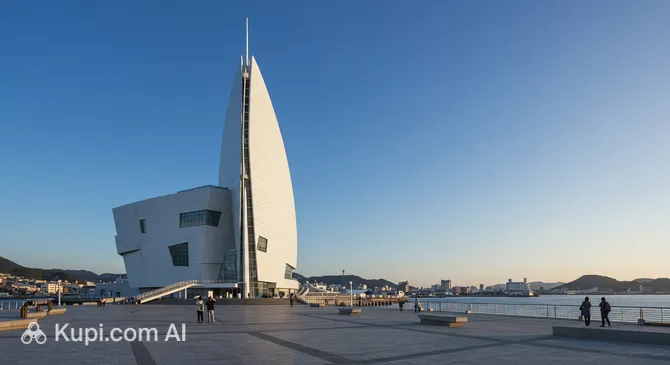
JMSDF Sasebo Museum (Sail Tower). Illustration.
Source: Kupi.com AI

Traveller photos:

Inside the museum, a fascinating journey through various aspects of Japan's maritime history awaits you. The exhibits cover a wide range of topics, from detailed ship models of different eras and historical documents to authentic uniforms and archival photographs. Special attention is paid to the daily lives of sailors, their service, and the modern tasks facing the fleet.

Interactive exhibits make the visit particularly exciting, allowing for a deeper understanding of the complexities of maritime affairs and technological achievements. The museum will be of interest to a wide range of visitors: both those fascinated by naval history and those who simply want to learn more about Japan's military power. It is an excellent place for educational leisure for both adults and children, offering a unique perspective on an important part of modern-day Japan.

Contacts

To get up-to-date contact information for the JMSDF Sasebo Museum (Sail Tower), such as a phone number or email address, it is recommended to visit the museum's official website or contact local tourist information centers in the city of Sasebo. There, you can find the latest details for contacting the museum and planning your visit.

How to contactContact
Address8-1 Uwamachi, Sasebo, Nagasaki 857-0058, Japan
Phone+81 956-22-3040
Websitewww.mod.go.jp

What to Do

Visiting the JMSDF Sasebo Museum (Sail Tower) in Sasebo is a unique opportunity to touch the maritime history of Japan. Here, you can examine in detail the impressive models of both modern and historical ships that once sailed the seas or are in service today. The museum's exhibition is dedicated to the past and present of the country's Maritime Self-Defense Force, offering visitors a deep dive into this fascinating topic.

Of particular interest to many are the museum's interactive zones. Here, anyone can try their hand as a sailor, learn more about the complex science of navigation, and get acquainted with modern maritime technologies. This makes the visit not only educational but also exciting, especially for young visitors or those interested in technology and the sea.

In addition to the permanent exhibition, the JMSDF Sasebo Museum often hosts thematic exhibitions, lectures, and educational programs. Visitors can take commemorative photos against the backdrop of impressive exhibits and purchase souvenirs in the museum shop. Don't miss the chance to enjoy the view of Sasebo Port, which is a significant part of Japan's maritime history in its own right and can be seen from the museum grounds.

Getting There

The JMSDF Sasebo Museum, also known as the Sail Tower, is conveniently located in the central part of Sasebo, in close proximity to the naval base and the port. This makes it easily accessible for visitors. One of the simplest ways to reach the museum is on foot from Sasebo Station; the walk takes no more than 10–15 minutes. Additionally, you can always use a taxi or arrive by private car, as there are parking spaces available near the museum.

If you are planning to visit the museum from other cities in Japan, the most comfortable option is the rail network. Sasebo has good transport links with major cities in the Kyushu region, such as Nagasaki and Fukuoka. Alternatively, you can consider intercity buses, which also run regularly between these locations and Sasebo, offering travelers a convenient way to reach their destination while enjoying the views along the way.

Nearest city: Sasebo

History & Facts

The JMSDF Sasebo Museum, also known as the Sail Tower, is a landmark site for understanding Japan's maritime history and, specifically, the history of Sasebo. Since its founding in 1902, the city of Sasebo has played a key role in the maritime strategy of Japan. It initially developed as an Imperial Navy base, and by the 20th century, one of the country's four largest naval arsenals was established here. This circumstance had a profound impact on the development of both the city and the surrounding region, transforming it into an important industrial and military center.

Following the events of World War II and the subsequent establishment of the Japan Maritime Self-Defense Force in 1954, Sasebo did not lose its strategic importance. On the contrary, it continued to function as an important base and training center for a new generation of sailors. This continuity and rich naval history formed the basis for creating a museum that could tell the story of this heritage.

The museum itself was founded with the noble goal of popularizing knowledge about modern Japanese maritime history. Its exhibits are designed not only to preserve the memory of the Japanese fleet's achievements but also to foster interest in maritime affairs, especially among young people. Visitors can learn about various aspects of naval service, the history of shipbuilding, and significant events related to the Maritime Self-Defense Force. Thus, the Sail Tower serves not just as a repository of artifacts, but as a living educational center connecting the past, present, and future of the Japanese fleet.

Time Needed

When planning a visit to the JMSDF Sasebo Museum (Sail Tower) in Sasebo, you should expect to spend about 1.5 to 2.5 hours exploring it. This time is usually sufficient for most visitors to get a general overview of the exhibition and see the key exhibits.

During this period, you can take a leisurely walk through the museum's main halls, which feature interesting artifacts and information related to the history and activities of the Japan Maritime Self-Defense Force. Additionally, if you want to dive deeper into the subject, you will have the opportunity to participate in interactive programs offered by the museum, as well as stop by the souvenir shop to remember your visit to this unique place.

Working Hours

When planning a visit to the JMSDF Sasebo Museum (Sail Tower), it is important to check the current opening hours in advance. Unfortunately, exact information regarding the museum's schedule and the need for prior ticket booking is currently unavailable. We recommend visiting the museum's official website or contacting local tourist information centers in Sasebo for the most up-to-date information.

There, you can also find out if the museum is open year-round or if visits are only possible during certain seasons. Checking in advance will help you plan your visit in the best way possible and avoid any inconvenience.

DayOpening hours
Monday9:30 – 17:00
Tuesday9:30 – 17:00
Wednesday9:30 – 17:00
ThursdayClosed
Friday9:30 – 17:00
Saturday9:30 – 17:00
Sunday9:30 – 17:00

Nearby

A visit to the JMSDF Sasebo Museum (Sail Tower) will undoubtedly be a highlight of your trip to Sasebo. However, to make your journey truly unforgettable, it is worth taking the time to explore the surroundings. Often, it is small walks nearby that reveal new facets of the city and allow for a deeper immersion into its atmosphere.

Exploring nearby attractions will not only broaden your horizons but also provide an opportunity to see the daily life of Sasebo, find cozy corners, or enjoy views that are not always included in standard tourist routes. It is a wonderful way to complement your impressions of the main site and make your trip more fulfilling. Below is a list of some interesting places located near the JMSDF Sasebo Museum (Sail Tower).

NameDistance
Nimitz Park0.5 km
Sasebo City Park0.5 km
Misarosso0.9 km
Kameyama Hachimangu Shrine0.9 km
Toride1.1 km
Yumihari Park Observation Deck1.3 km
Yumihari Park1.4 km

Reached the bottom of the page?

Looks like you know this route inside out