Support

Temple of Hercules

About

The Temple of Hercules is an outstanding monument of Roman architecture located in the heart of Amman within the famous Citadel. It is one of the most significant ancient structures in Jordan, dedicated to the Roman hero and deity Hercules, who, according to mythology, was considered the patron and protector of the city.
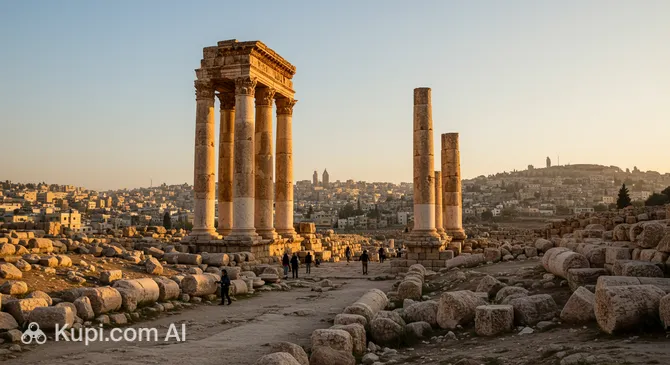
Temple of Hercules. Illustration.
Source: Kupi.com AI

Traveler photos:

This historical complex is considered one of the largest Roman temples ever built outside of Rome itself. The temple's architectural ensemble includes massive columns that rise majestically over the city, serving as a striking symbol of Amman's rich historical heritage.

Of particular note are the six colossal Corinthian columns that have survived to this day. They continue to impress visitors with their scale and elegance, recalling the former greatness of the Roman Empire and the skill of ancient builders. A visit to the Temple of Hercules allows you to touch ancient history and enjoy panoramic views of the modern city.

Contacts

The Temple of Hercules is a historical site within the Amman Citadel and typically does not have direct contact information. To visit, head to the Citadel via taxi or public transport. Please check Amman tourism portals or local information centers for the most up-to-date information regarding opening hours and routes.

How to contactContact
AddressMuseum St 132, Amman, Jordan
Phone number+962 7 8508 5912

What to Do

Visiting the Temple of Hercules in Amman is a true dive into the depths of history. Strolling through the ancient ruins, you can touch stones that remember the greatness of the Roman Empire and try to imagine what this monumental complex looked like in its prime. The main highlight and object of close attention is undoubtedly the famous remains of the colossal statue of Hercules. Only part of a giant marble hand has survived to this day, but even this fragment is striking in its size and craftsmanship, sparking great interest and many questions from researchers and tourists alike.

In addition to exploring the temple ruins themselves, visitors can enjoy magnificent panoramic views from the Citadel hill. From here, you can see almost all of modern Amman sprawling across the surrounding hills, creating an impressive contrast between antiquity and modernity. This spot is ideal for photography, especially at sunset. Tours are often held on the Citadel grounds, where guides provide fascinating insights into the history of the site, Roman architecture, and the significance of the Temple of Hercules in the ancient city of Philadelphia, as Amman was once known.

Getting There

The Temple of Hercules is conveniently located in the heart of Amman, atop Jebel al-Qala’a hill, home to the famous Citadel. Thanks to its central location and popularity, reaching this historical complex is quite simple. You can take a taxi from anywhere in the city — it is a fast and comfortable way to reach your destination. Additionally, public transport runs to the Citadel; you can easily check the specific routes with locals or at tourist information centers.

Access to the Citadel grounds, where the Temple of Hercules is situated, is through the main entrance. There is a parking lot nearby, which is convenient for those traveling by rental car. You will also find a visitor information center close by where you can pick up a map and learn more about the site. It is recommended to set aside enough time for your visit, as exploring the Temple of Hercules can be perfectly combined with other significant sites in the Citadel, such as the Jordan Archaeological Museum and the ancient defensive walls.

Nearest city: Amman

History & Facts

The Temple of Hercules in Amman is a majestic structure with history rooted in the Roman Empire. The temple's construction dates back to the 2nd century AD, presumably between 161 and 166 AD during the reign of Emperor Marcus Aurelius. Inscriptions found at the site suggest the temple was dedicated not only to the powerful Hercules, a hero of Greek and Roman mythology, but also to the Emperor himself, highlighting its importance to the religious and cultural life of the ancient city.

During the Roman period, historians believe the Temple of Hercules served as the primary sanctuary of Amman, then known as Philadelphia. It was a place of worship and significant rituals. However, despite its intended grandeur, there is evidence to suggest the temple was never fully completed. Of the ten or twelve massive columns originally planned to surround the sanctuary, only six were erected. These partially preserved columns remain impressive in scale today, serving as a reminder of the grand vision of ancient architects.

Interestingly, the site chosen for the Temple of Hercules was revered as sacred long before the Romans arrived. Archaeological research indicates that an ancient Ammonite temple once stood on this same hill. This earlier sanctuary was destroyed long before the Romans began building their monumental structure dedicated to Hercules. Thus, the history of this site encompasses several cultural and religious layers, making it even more significant for understanding the rich past of Jordan.

Time Needed

When planning a visit to the Temple of Hercules, one of the iconic landmarks of Amman and all of Jordan, you should allow 1–1.5 hours for a full experience. This timeframe typically includes not only viewing the temple itself but also walking through the surrounding Citadel grounds where it is located.

During this time, you can leisurely walk around the temple ruins, examine the surviving columns and fragments, take impressive photos, and, of course, enjoy the panoramic views of Amman from the Citadel hill. This amount of time will provide a comprehensive understanding of this historical site without feeling rushed.

Working Hours

When planning a visit to the Temple of Hercules in Amman, it is important to note that exact information regarding its opening hours may vary. Specific hours are currently not listed, so it is highly recommended to check the latest details on the attraction's official website or at local tourist information centers before your visit. This will help you plan your trip effectively and avoid any potential inconvenience.

As the Temple of Hercules is a popular historical site, it is also worth checking in advance whether pre-booking for tickets is required, especially during the peak tourist season. Additionally, confirm if the site is open year-round or if there are any seasonal restrictions. Such preparation will ensure a pleasant and hassle-free introduction to this iconic Jordanian landmark.

8:00 – 18:00

Nearby

A visit to the Temple of Hercules in Amman is undoubtedly an immersion into ancient history. However, to make your journey even more rewarding, it is worth exploring the nearby attractions. Studying the surrounding area will allow you to gain a deeper understanding of the cultural and historical context of this amazing place and see more facets of Jordan's capital.

There are several interesting sites near the Temple of Hercules that deserve your attention. From ancient ruins to lively squares, everyone will find something to enjoy, perfectly complementing the experience of the main attraction.

NameDistance
Amman Citadel0.2 km
Umayyad Palace0.2 km
Old Signs of Amman Museum0.3 km
Hashemite Plaza0.4 km
Amman Panorama Art Gallery0.4 km
Grand Husseini Mosque0.5 km
Chestnut Restaurant & Pub2 km

Have you reached the end of the page?

So the route has been studied inside and out