Support

Gikomba Market

About

Gikomba Market is not just a trading platform, but the beating heart of street commerce in Nairobi. As the largest open-air market in all of Kenya, it is a bustling and colorful labyrinth where you can find practically anything. It is a place where traditional African trade and modern realities intertwine, creating a unique atmosphere that every guest of the city should experience.

The range of goods at Gikomba Market is mind-boggling. Rows of fresh vegetables, fruits, and meat sit alongside stalls with shoes, textiles, and unique handicrafts. However, the market's true fame comes from the vast displays of "mitumba"—second-hand clothing imported from Europe and the USA. For many, this is an opportunity to find high-quality and fashionable items at incredibly affordable prices, and for vintage lovers, it is a true treasure trove.

A visit to Gikomba Market is a total immersion into the authentic life of the Kenyan capital. Here, you can not only make great purchases but also observe the daily lives of local residents, haggle with vendors, and even sample street food. The market is a vital economic hub, providing jobs for thousands of people and offering goods for every budget.
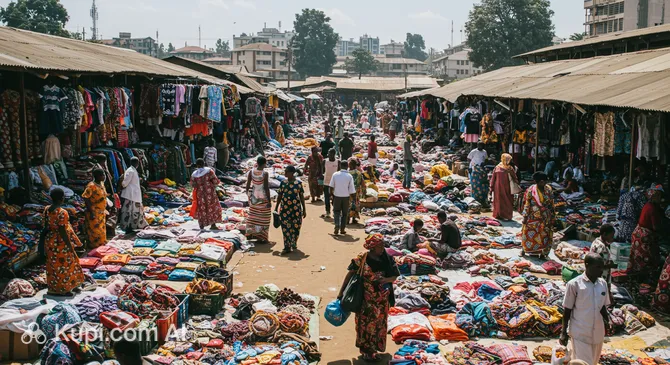
Gikomba Market. Illustration.
Source: Kupi.com AI

Traveller photos:

For a tourist, this is a unique chance to see the unpolished side of Nairobi, find original souvenirs, and feel the energy of one of the most dynamic places in East Africa. Recent initiatives have also turned the market into a platform for young designers who create genuine fashion collections from recycled clothing, adding a creative touch to the location.

Contacts

Since Gikomba Market is a massive and informal open-air marketplace, it does not have a single official website or information service. For up-to-date information, such as opening hours or the best way to get there, it is recommended to contact Nairobi tourist centers or consult with local guides.

How to contactContact
AddressKamukunji Road, Nairobi, Kenya
Phone+254 715 851140

What to Do

Visiting Gikomba Market is a true adventure and an opportunity to see the non-touristy side of Nairobi. The main activity here is immersing yourself in the authentic atmosphere of Kenyan trade. Don't hesitate to haggle with the sellers: it is not just a way to get a better price, but an integral part of the local culture and a way to interact with the people of Kenya. Walking through the busy rows, you can observe the daily hustle and take vibrant photos that reflect the dynamic life of the capital.

Of course, the primary goal for many visitors is shopping. You can find unique souvenirs at the market to remember your trip, as well as brightly colored traditional Kenyan fabrics, clothing, and various handicrafts. Prices here are generally significantly lower than in shops for tourists, making shopping particularly enjoyable. This is where you can find real treasures, whether it's a vintage item or a unique piece of handmade jewelry.

No visit to the market is complete without exploring the local cuisine. In numerous street stalls and small eateries, you can try traditional Kenyan dishes. Be sure to order nyama choma (charcoal-grilled meat), ugali (thick maize porridge), or fresh chapati flatbreads. This is a great way to refuel during your walk through the market and discover the new flavors of authentic African food.

Getting There

You can reach Gikomba Market in several ways, and the choice depends on your budget and your desire to immerse yourself in local life. For tourists, the simplest and most convenient option is a taxi or ride-hailing services, such as Uber, which are widely available in Nairobi. A trip from the city center usually takes about 15–20 minutes, though you should account for traffic density, which can affect travel time.

A more economical but also more adventurous way is to use public transport. In Kenya, these are primarily minibuses known as “matatus”. You will need to find a route heading to the eastern part of the city with a sign for "Gikomba" or "Eastlands." While the fare is significantly lower than a taxi, this option can be challenging for tourists unfamiliar with the chaotic and dynamic local transport system.

If you are staying near the city center and enjoy walking, Gikomba Market is also reachable on foot. This method allows you to better experience the city's atmosphere. However, given the bustle and complexity of the streets in this area, it is highly recommended to hire a local guide for your first visit. This will not only ensure your safety but also help you avoid getting lost in the colorful labyrinth of market stalls.

Nearest city: Nairobi

History & Facts

The history of Gikomba Market is closely intertwined with the history of Nairobi itself. Its origins date back to the colonial period in the mid-20th century, when the city was actively growing as the capital of the British East Africa Protectorate. From the very beginning, it became an important trading hub reflecting the dynamics and needs of the growing metropolis.

After Kenya gained independence in 1963, Gikomba Market not only retained its significance but continued to grow rapidly. It became a mirror of the country's economic and social changes, adapting to new realities and becoming an increasingly vital center of commerce for the local population. Over the decades, it has undergone many transformations, evolving from a local trading spot into a large-scale economic hub.

The period of the 1980s and 90s was particularly iconic for the market. It was then that a massive influx of second-hand clothing from Western countries, known as "mitumba," began flowing into Kenya. This event radically changed Gikomba's identity, turning it into the largest center for "mitumba" trade in all of East Africa. Buyers and sellers began flocking here not only from all corners of Kenya but also from neighboring countries, cementing the market's status as a key regional commercial hub.

Time Needed

When planning a visit to Gikomba Market, consider how much time you are willing to dedicate to its exploration. For a general introduction to the atmosphere, a quick walk through the main rows, and a few spontaneous purchases, 2–3 hours is usually enough for the average visitor. During this time, you will have enough time to feel the energy of the place, see its most colorful corners, and form a general impression of the largest open-air market in Kenya.

If your goals are more ambitious—for example, if you want to find rare vintage items, haggle for every purchase, or explore all the diverse sections from clothing to food—it is better to set aside half a day (about 4–5 hours). This will give you the chance to immerse yourself in the process without rushing, compare prices, and find truly unique goods. The market is huge, and a leisurely stroll will allow you to discover its hidden treasures.

For the most comfortable visit, it is recommended to arrive at the market in the morning hours. At this time, there are fewer people, and sellers are just starting their trading day, which often leads to better deals. Additionally, the freshest and highest quality goods are put out in the morning, especially when it comes to new arrivals of "mitumba" second-hand clothing.

Working Hours

Gikomba Market is open to visitors year-round, making it accessible at any time during your trip. Generally, the market stalls operate Monday through Saturday, from early morning until evening. Although some sources indicate working hours from 8:00 AM to 8:00 PM, it is better to arrive even earlier for wholesale purchases. Sunday is considered a day with reduced hours, and it's worth noting that some sections may be closed. The most bustling time, ideal for a tourist visit, is between 9:00 AM and 4:00 PM.

It is important to understand that Gikomba does not have a single strict schedule, as different parts of it may operate on their own timings. For example, wholesale sections selling new bales of clothing start their activity very early, around 4:00–5:00 AM. No tickets or prior registration are required to enter the market—access is free for everyone. Since the market does not have a single official information center, it is best to check details on-site or consult with local guides.

6:00 – 18:30

Nearby

Visiting the lively Gikomba Market is just one part of a fascinating journey through Nairobi. To gain a full understanding of the versatility of Kenya's capital, it is worth dedicating time to exploring its surroundings. After immersing yourself in the noisy and authentic atmosphere of the market rows, discovering other attractions will allow you to see the city from different angles—from historical monuments to modern cultural centers.

There are many interesting places in the immediate vicinity of the market that can be easily reached on foot or by taxi. This is a great opportunity to continue your stroll and enrich your travel impressions by discovering even more iconic city locations.

NameDistance
Tom Mboya Statue2 km
Kenya Railway Museum2.4 km
Jamia Mosque2.5 km
CJ's2.8 km
Nairobi Serena Hotel Restaurant3.2 km
Muthaiga Country Club3.3 km
National Museum of Kenya3.5 km

Reached the bottom of the page?

Looks like you know this route inside out