Support

Citadel of Raymond de Saint-Gilles

About

The Citadel of Raymond de Saint-Gilles, also known as Mont Pelerin (Mount Pilgrim), is one of the most significant historical citadels in Tripoli, located in northern Lebanon. This majestic defensive structure was founded in 1103 by Crusaders during the First Crusade. The fortress owes its name to Raymond IV, Count of Toulouse (Raymond de Saint-Gilles), who oversaw its construction, leaving an indelible mark on the region's history.
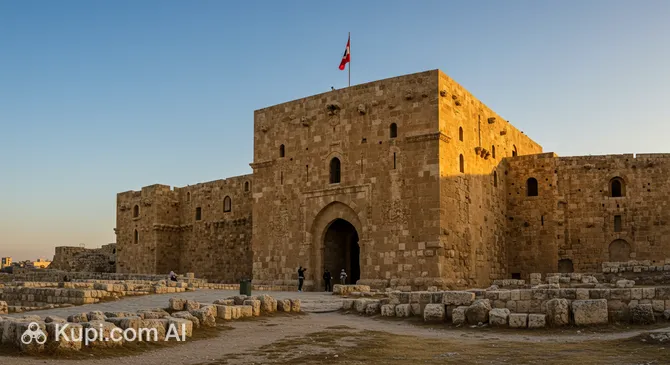
Citadel of Raymond de Saint-Gilles. Illustration.
Source: Kupi.com AI

Traveller photos:

Situated on the strategically important left bank of the Abu Ali River, the citadel is impressive in scale, measuring approximately 140 meters long and 70 meters wide. Its massive size is a testament to its former military importance and its capacity to house a significant garrison. Today, the fortress is not only a silent witness to centuries of history but also one of Tripoli's top tourist attractions, drawing travelers from all over the world.

The massive Ottoman gates, which still bear an engraving of Sultan Suleiman I, are particularly noteworthy. It was by his order that the citadel was significantly repaired and fortified during the Ottoman period, adding new architectural features. A visit to the Citadel of Raymond de Saint-Gilles is a unique opportunity to touch the past, feel the spirit of the Middle Ages, and enjoy panoramic views of the city and surrounding landscapes.

Contacts

To find the latest information on visiting the Citadel of Raymond de Saint-Gilles, including opening hours and directions, we recommend consulting the official tourism resources of Tripoli or local tourist information centers. As this is a major historical site, access details and guided tour options are typically provided through city services or authorized guides.

How to contactContact
AddressCRMV+9R6, Tripoli, Lebanon
Phone+961 6 430 495

What to Do

A visit to the Citadel of Raymond de Saint-Gilles in Tripoli is a true immersion into the rich and multi-layered history of Lebanon. Once inside, you can explore various structures and architectural elements that witness different eras, from the Crusader times to the Mamluk and Ottoman periods. Of particular interest are the massive Ottoman gates decorated with an engraving of Suleiman I, as well as the layout of the fortress itself, which clearly demonstrates the principles of medieval military architecture.

From the high walls of the Citadel of Raymond de Saint-Gilles, you can enjoy magnificent panoramic views of Tripoli, making it the perfect spot for impressive photos. It's also a great chance to learn more about the history of the Crusades and subsequent major stages in the region's development. Walking through the citadel grounds allows you not only to enjoy the views but also to better understand the strategic importance of this ancient structure.

Visitors are free to move around many areas of the fortress, exploring ancient walls, towers, and courtyards. Imagine the lives of the soldiers and rulers who once inhabited these powerful fortifications. While there may not be specific interactive exhibits, being in such a historic place and touching the ancient stones provides an unforgettable experience. Nearby, you'll find other interesting Tripoli attractions like the Clock Tower and Al-Manshieh Park, which can be included in your itinerary for a more complete introduction to the city.

Getting There

You can reach the Citadel of Raymond de Saint-Gilles in Tripoli in several ways, depending on your location and preferences. The citadel is one of the city's main landmarks, so it is well-known to locals and taxi drivers.

One of the most common ways is to take a taxi. The trip from downtown Tripoli to the fortress usually doesn't take long, though it depends on traffic. You can hail a taxi on the street or use a ride-hailing app if available. Be sure to agree on the fare in advance or ensure the driver uses the meter.

Public transport is another option if it's running toward the citadel. Local buses or shared taxis (services) in Tripoli may pass near the site. This is a more budget-friendly option but requires some time to figure out routes and stops. Ask locals or your hotel for the best route.

Since the fortress sits on a hill, be prepared to walk the final stretch, especially if you want to enjoy the views and approach the walls from different angles. This also allows you to get a better look at the architecture and surrounding landscape.

Nearest city: Tripoli

History & Facts

The Citadel of Raymond de Saint-Gilles, majestically overlooking Tripoli, Lebanon, holds centuries of history. Its construction began in 1103 at the initiative of Raymond IV, Count of Toulouse, a leader of the Crusaders. Built with the support of Byzantine Emperor Alexios I Komnenos, the citadel's primary goal was the conquest of Tripoli and its surrounding territories. Interestingly, before the Crusaders arrived, this strategic location was home to an 11th-century mosque built by the Fatimids. Later, the Crusaders converted it into a church, of which only the foundation remains today—a reminder of the complex shift between eras and cultures.

The original castle faced a difficult fate. In 1289, when the Mamluk Sultan Qalawun founded the modern city of Tripoli around the existing fortress, it was burned. However, the site's strategic importance meant it didn't stay in ruins for long. The citadel was rebuilt multiple times, with significant restoration occurring in 1307-1308 thanks to the efforts of Emir Esendemir al-Kurji. These modifications helped the fortress adapt to changing military requirements and maintain its role as a key defensive structure.

During the Ottoman period, the Citadel of Raymond de Saint-Gilles underwent further partial reconstruction, which largely shaped its current appearance. Ottoman architects and builders made significant changes, strengthening it and adding the features seen today. The final touch in its long history of reconstructions was made in the early 19th century. A thorough restoration led by the Ottoman governor of Tripoli, Mustafa Agha Barbar, allowed the citadel to retain its grandeur and survive as one of Lebanon's most significant historical monuments.

Time Needed

When planning your visit to the Citadel of Raymond de Saint-Gilles in Tripoli, it's worth setting aside about 2-3 hours. This is enough time to leisurely walk through the main parts of the citadel, climb the walls and towers for panoramic views of the city and the Mediterranean Sea, and soak in the historical atmosphere.

During this time, you can explore the courtyards, view the preserved buildings, and imagine life in the fortress through different eras. History and architecture enthusiasts might want to stay longer to study the fortification details and enjoy the views. If your time is limited, a quick tour of the main highlights and most scenic spots can take about 1-1.5 hours.

Keep in mind that the site is quite large, so comfortable shoes are recommended. It's also a good idea to bring water, especially during the warmer months. Visiting this iconic Lebanon landmark will leave you with vivid impressions.

Working Hours

When planning a visit to the Citadel of Raymond de Saint-Gilles in Tripoli, it's important to check the current opening hours in advance. Usually, such historical sites are open to visitors during the day, but times may vary depending on the season or day of the week. To avoid any inconvenience, we recommend checking information on the official tourism websites of Tripoli or Lebanon, or visiting local tourist information centers just before your trip.

Typically, the fortress is accessible year-round, though there may be schedule changes related to public holidays or special events. As for tickets, they can usually be purchased on-site. However, if you are traveling during the peak tourist season or planning a group visit, it's worth asking about advance booking options to guarantee entry and potentially avoid queues.

9:00 – 17:00

Nearby

Visiting the Citadel of Raymond de Saint-Gilles is undoubtedly a highlight of any trip to Tripoli. However, to make your experience even richer, it's worth exploring the nearby attractions. Discovering the surrounding area will allow you to dive deeper into the city's atmosphere, see its different facets, and find hidden gems.

Near the fortress, you will find many interesting spots, each telling its own story of Tripoli and Lebanon. These range from historical monuments to cultural sites and places where you can experience local life. Here are a few of them:

NameDistance
Khan al-Saboun0.2 km
Great Mosque of Al-Mansouri0.2 km
Khan al-Askar0.5 km
Sultan Abdul Hamid II Clock Tower0.7 km
Taynal Mosque0.7 km
Hallab 18811.1 km
Dar Al Amar1.6 km

Reached the bottom of the page?

Looks like you know this route inside out