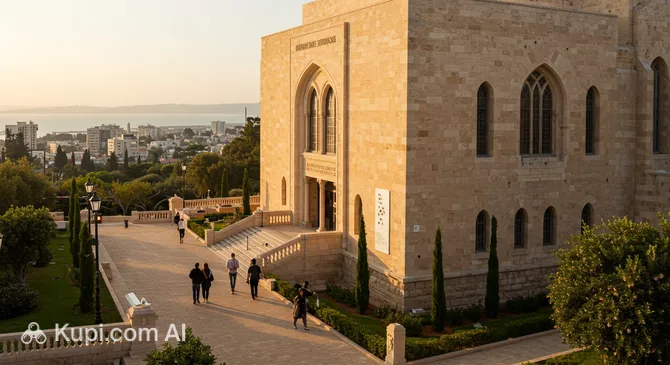
The Hecht Museum, also known as the Reuben and Edith Hecht Museum, is a unique cultural space located on the grounds of the University of Haifa in Haifa, Israel. This museum attracts visitors with its unusual combination of two main disciplines: archaeology and art, offering a deep dive into the history of the region and global artistic heritage.
Traveller photos:
The archaeology section of the museum introduces guests to the rich history of the Land of Israel. It features permanent exhibitions dedicated to Israeli archaeology, the life and culture of the ancient Phoenicians, and various ancient crafts. The exhibits allow visitors to trace the development of civilizations that inhabited this land over millennia and see unique artifacts found during excavations.
The art section of the museum is equally interesting. It focuses on 19th-century works of art, with a particular emphasis on Impressionism and other significant artistic movements of that period. The collection allows visitors to appreciate the skill of European artists and trace the development of painting during one of the most dynamic eras in art history.
The museum was founded on the initiative of Dr. Reuben Hecht, a prominent figure, founder of the Dagon Silos, and a member of the Board of Governors of the University of Haifa. The museum building, integrated into the university's main building, was designed by the distinguished Brazilian architect Oscar Niemeyer in collaboration with Professor Shlomo Gilad of Haifa, making it an architectural landmark in its own right.