Support

Clandestine Immigration and Naval Museum

About

The David Hacohen Clandestine Immigration and Naval Museum is a unique historical naval museum located in the city of Haifa, Israel. It is dedicated to two important chapters in the country's history: the period of clandestine Jewish immigration to Palestine during the British Mandate and the formation and development of the Israeli Navy.
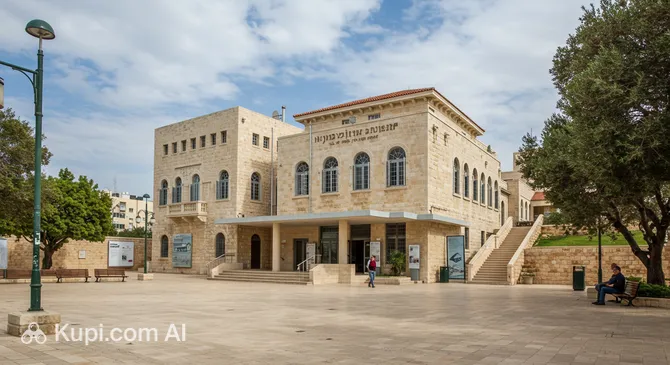
Clandestine Immigration and Naval Museum. Illustration.
Source: Kupi.com AI

Traveller photos:

The museum's exhibits detail the complex and often dramatic events related to the attempts by Jewish refugees to reach the Land of Israel by bypassing British restrictions. Visitors can see ship models, photographs, documents, and personal belongings of the immigrants. Another significant part of the museum tells the story of the Israeli Navy, from its inception to the present day, demonstrating its role in ensuring the country's maritime security.

The museum opened to the public in 1969 and is named after David Hacohen, a prominent public figure whose life was closely linked to the history of the Jewish people and the establishment of the state. Born in Gomel, he served in the Turkish army during World War I, studied in London, and later became a member of the Knesset. Located in the Kiryat Eliezer district at the foot of Mount Carmel and near the lower cable car station, the museum offers not only a deep dive into history but also a chance to enjoy the local scenery.

Contacts

To get the latest information about the Clandestine Immigration and Naval Museum, including visiting hours, ticket prices, and special events, it is recommended to consult official sources. Based on available data, information about the museum can be found on the following resource:

How to contactContact
Addressיש לרדת במדרגות "מעלה הדקר", על מנת להגיע לכניסה, Derech Allenby 204, Haifa, Israel
Phone+972 73-353-2291
Websitemuseums.mod.gov.il

What to Do

The Clandestine Immigration and Naval Museum in Haifa offers visitors a unique opportunity to immerse themselves in dramatic pages of Israel's history. The museum's exhibition is divided into two main parts, each telling the story of key moments in the state's formation. Visitors can study documents, photographs, and personal items related to the struggle for the right to immigrate between 1934 and 1948, as well as learn about the history of the Israeli Navy.

One of the museum's main attractions is the ship "Af Al Pi Chen" ("Nevertheless"). This fully preserved vessel, which transported 434 clandestine immigrants in 1947 and was intercepted by British authorities, now stands on land as a powerful symbol of that era. Visitors can climb aboard, explore its decks and interior cabins, and imagine the conditions in which people sought to reach their ancestral homeland.

In the section dedicated to the navy, another impressive exhibit is featured—a real combat ship that served until 1958. It was dismantled, moved to the museum grounds, and reassembled. Guests can examine its structure and weaponry and learn about its role in protecting the country's maritime borders. The exhibition also includes models of other vessels, navigational instruments, and various naval equipment.

In addition to viewing the exhibits, the museum offers guided tours led by experienced guides ready to share interesting facts and stories. Thematic seminars and lectures on the history of immigration and the development of the navy are also regularly organized. This makes a visit to the museum not only educational but also an interactive experience.

Getting There

The Clandestine Immigration and Naval Museum is located in the city of Haifa, in the Kiryat Eliezer district. It is easy to find as it is situated at the foot of Mount Carmel, near the port area of the city, which is a significant site in its own right, as Haifa serves as Israel's main naval base.

The museum can be reached in several ways. One of the most convenient landmarks is the lower station of the Haifa cable car — the museum is located right next to it. You can use city buses that run through the Kiryat Eliezer district or head toward the port area. Additionally, you can always take a taxi from anywhere in Haifa by giving the driver the exact address: 204 Derekh Allenby. The trip from the city center usually doesn't take much time.

Nearest city: Haifa

History & Facts

The Clandestine Immigration and Naval Museum in Haifa is more than just a collection of exhibits; it is a living testament to dramatic pages in Israel's history. The idea for its creation belongs to Lieutenant Colonel Yoshke Almog, and the museum opened its doors to its first visitors in 1969. Since then, it has been managed by the Israeli Ministry of Defense, carefully preserving the memory of the challenging period of the state's formation and the people whose lives were inextricably linked with the struggle to return to their ancestral homeland.

One of the most significant and moving exhibits in the museum is the ship "Af Al Pi Chen" (meaning "Nevertheless"). Its story is a true epic. In 1947, during the British Mandate, the vessel carrying 434 clandestine immigrants was intercepted by a British destroyer. Those seeking a new home were deported to Cyprus. However, after the War of Independence, the ship was not forgotten—it served faithfully in the Israeli Navy until 1958. Later, it was dismantled, carefully transported to the museum grounds, and reassembled so it could tell its story to future generations.

The museum is named after David Hacohen, a man with a truly remarkable and eventful biography. Born in Gomel, he served in the Turkish army during World War I, was educated in London, and during World War II, carried out the vital mission of liaison officer between the underground Jewish organization "Haganah" and the British army and intelligence. David Hacohen later became a prominent political figure and a member of the Knesset. His name, immortalized in the museum's title, symbolizes resilience, devotion to his people, and an unquenchable faith in the future.

Time Needed

When planning a visit to the Clandestine Immigration and Naval Museum in Haifa, you should expect that exploring its exhibits will take approximately 2-3 hours. This amount of time is generally sufficient to familiarize yourself with the main displays dedicated to the history of clandestine immigration to Palestine during the British Mandate, as well as the history of the Israeli Navy.

Of course, the duration of your visit may vary depending on the depth of your interest in the topics presented. If you wish to study every document, photograph, and exhibit in detail, watch all available video materials, or carefully examine the ship models and naval weaponry, your stay at the museum may be longer. Some visitors prefer a quicker overview, focusing on the most iconic parts of the collection.

In general, allocating half a day for the museum visit is an optimal choice, allowing you to immerse yourself in these important chapters of Israel's history without rushing and to enjoy all aspects of the exhibition, including any temporary displays if available.

Working Hours

When planning a visit to the Clandestine Immigration and Naval Museum in Haifa, it is important to check the current operating hours in advance. Generally, museums have a set schedule that may change depending on the season or day of the week, as well as on holidays. To ensure your visit goes smoothly, it is recommended to check the opening times on the museum's official website or contact the administration directly.

Often, popular museums—especially during the tourist season—may require advance ticket booking or registration for a tour. Clarifying this information will help you avoid queues and guarantee entry. Some museums are open year-round, while others may have seasonal restrictions, so it is always best to get the latest information from official sources before your trip.

DayOpening hours
Monday9:00 – 16:00
Tuesday9:00 – 16:00
Wednesday9:00 – 16:00
Thursday9:00 – 16:00
FridayClosed
SaturdayClosed
Sunday9:00 – 16:00

Nearby

Visiting the Clandestine Immigration and Naval Museum in Haifa is undoubtedly an educational experience. However, to make your trip even more rewarding and complete, it is worth paying attention to the attractions located nearby. Exploring the surrounding area will allow you to dive deeper into the city's atmosphere, discover new interesting places, and form a more comprehensive picture of Haifa's cultural and historical heritage.

Often, it is the short walks to neighboring sites that provide the most vivid impressions and unexpected discoveries. Near the museum, you will find other noteworthy locations that will complement your cultural program and make your day even more memorable.

NameDistance
National Maritime Museum0.2 km
Stella Maris Monastery0.3 km
Bat Galim Beach1 km
Hecht Park2.2 km
Baháʼí Gardens2.2 km
Bahá'í Gardens2.4 km
Baháʼí Gardens2.5 km

Reached the bottom of the page?

Looks like you know this route inside out