Support

Money Museum of the Bank of Lithuania

About

The Money Museum of the Bank of Lithuania, located in the historic center of Vilnius, the capital of Lithuania, offers a fascinating immersion into the world of finance. This specialized museum, established by the Bank of Lithuania, is located at Totorių Street 2/8, occupying part of the central bank's building complex. It provides visitors with a modern and interactive space to explore the history of money and banking.
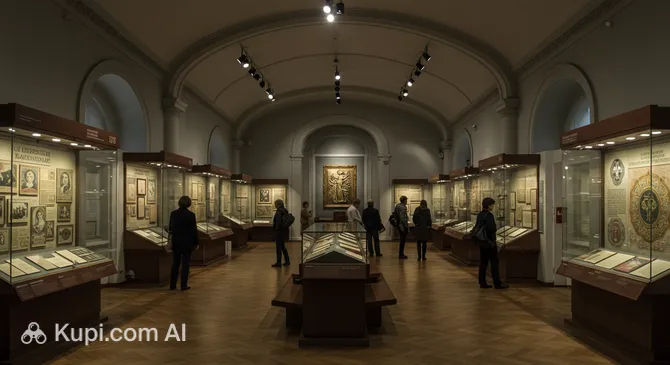
Money Museum of the Bank of Lithuania. Illustration.
Source: Kupi.com AI

Traveler photos:

The museum's exhibition covers an impressive timeline—from the most ancient forms of payment to modern currency. Guests can view rare collections of coins and banknotes, learn about minting tools, and see other artifacts related to currency circulation in Lithuania and around the world. The museum doesn't just display exhibits; it serves as an educational and cultural hub.

Special attention at the Money Museum is given to the national currency—the Lithuanian litas. Visitors can trace its history and learn details about the country's transition to the euro. This makes the museum particularly interesting for those wanting to better understand the economic history of Lithuania and the evolution of financial systems in general.

Contacts

To plan your visit to the Money Museum of the Bank of Lithuania in Vilnius, you can use the following contact information. It is recommended to check the museum's official website for the most up-to-date opening hours and exhibition details.

It is recommended to look for the museum's telephone number or email address on the official website or in local tourist guides.

How to contactContact
AddressTotorių g. 2/8, 01121 Vilnius, Lithuania
Phone number+370 659 22966
Websitewww.pinigumuziejus.lt

What to Do

A visit to the Money Museum of the Bank of Lithuania in Vilnius offers a captivating journey into the world of finance. Guests can explore an impressive collection of over 55,000 exhibits. These include not only coins and banknotes from different eras and countries but also ancient documents, tools used for making money, and other unique items related to the history of currency and banking.

One of the main highlights that catches visitors' attention is the world's largest pyramid made of coins. This structure, listed in the Guinness World Records, consists of 1,000,935 Lithuanian cents and symbolizes respect for the national currency before the transition to the euro. It is an impressive sight that is definitely worth seeing for yourself.

The museum's exhibition is thoughtfully divided into five thematic halls across two floors. Each hall focuses on a specific aspect: the history of money in Lithuania and the world, the development of the banking system, and modern payment tools. Visitors can engage with interactive exhibits, watch multimedia presentations, and participate in educational programs, making the visit both educational and entertaining.

As a pleasant bonus, admission to the museum and most tours are completely free. This makes the Money Museum of the Bank of Lithuania accessible to anyone interested in financial history and looking to broaden their horizons while in the capital of Lithuania.

Getting There

The Money Museum of the Bank of Lithuania is located in the heart of Vilnius, making it easily accessible for travelers. Situated near the intersection of the bustling Gediminas Avenue and Totorių Street, the museum is easy to reach on foot while strolling from other key landmarks in the Lithuanian capital. This is a great opportunity to combine a museum visit with a walk through the historic city center.

If you prefer public transport, the museum is well-served by numerous bus and trolleybus routes connecting various districts of Vilnius. Stops are within walking distance, ensuring a quick and convenient trip. For those traveling by car, there are paid parking zones nearby. However, given the central location and potential traffic, using a taxi or public transport might be a more comfortable option.

Nearest city: Vilnius

History & Facts

The Money Museum of the Bank of Lithuania in Vilnius is not just a repository for old coins and banknotes, but a fascinating journey into the world of finance and the history of currency in Lithuania. The museum was officially opened on June 25, 1999—a date chosen to mark the sixth anniversary of the introduction of the national currency, the Lithuanian litas. Initially, the exhibition was quite modest, but even then, it attracted those interested in numismatics and the country's economic history.

Over time, it became clear that the original space could no longer accommodate all the interesting exhibits or meet modern museum standards. Consequently, the museum building underwent a major renovation between 2009 and 2010. Following its completion, the museum significantly expanded its exhibition space and received its current, more comprehensive name—the Money Museum of the Bank of Lithuania. This update allowed the collections to be presented in a new, interactive format, making each visit even more educational.

The museum's collection has grown steadily and continues to expand, featuring rare coins and banknotes from various eras, as well as various items related to the history of banking in Lithuania. Visitors can trace the entire development of Lithuanian money, from ancient means of payment to modern banknotes. Special attention is given to significant milestones in the country's financial history, such as Lithuania's transition to the euro and key financial reforms, making the museum interesting not only for numismatists but for anyone wanting to better understand the state's economic development.

Time Needed

When planning a visit to the Money Museum of the Bank of Lithuania in Vilnius, it’s helpful to consider how much time you'd like to dedicate to exploring its exhibits. For a general overview of the main displays, 1 to 2 hours is usually sufficient. During this time, you can see the key exhibits that tell the history of Lithuanian money and currency circulation.

However, if you wish to delve deeper into the subject, use the museum's interactive features, or join a guided tour, your visit might take longer. Interactive programs and educational activities often require extra time, so if these are in your plans, it’s better to set aside about 2-3 hours. This will allow you to explore all the aspects that interest you without rushing and get the most out of this unique location in Lithuania.

Working Hours

The Money Museum of the Bank of Lithuania in Vilnius is typically open to visitors on weekdays. However, exact opening hours may vary depending on the season and official Lithuania holidays. To get the most current schedule information, it is highly recommended to visit the museum's official website before planning your trip. You can also check there if advance booking or online tickets are required, especially if you plan to visit during peak tourist periods.

Generally, museums like this operate year-round, but it's always useful to verify the details in advance to avoid any inconvenience. Consulting official sources will help you plan your visit effectively and ensure you can fully enjoy the exhibits at the Money Museum.

DayOpening hours
MondayClosed
Tuesday9:00 – 18:00
Wednesday9:00 – 18:00
Thursday9:00 – 18:00
Friday9:00 – 18:00
Saturday10:00 – 17:00
SundayClosed

Nearby

Visiting the Money Museum of the Bank of Lithuania in Vilnius is undoubtedly an engaging experience. However, to make your trip truly unforgettable, it’s worth taking the time to explore the surrounding area. Often, nearby sites—be they historical monuments, cozy cafes, or other museums—help you dive deeper into the city's atmosphere and provide a fuller picture of its life and culture.

A stroll around the Money Museum will allow you to discover new facets of Vilnius, see it from unexpected angles, and perhaps find spots that will become your personal favorites. This is a perfect way to complement the impressions from the main tour and make your day even more fulfilling. You will find several interesting places worth visiting near the museum:

NameDistance
Momo Grill Vilnius0 km
Grill London0.4 km
Palace of the Grand Dukes of Lithuania0.4 km
Gediminas Tower0.5 km
Museum of Occupations and Freedom Fights0.8 km
Bernardine Courtyard0.9 km
MO Museum0.9 km

Have you reached the end of the page?

So the route has been studied inside and out