Support

Museum of Occupations and Freedom Fights

About

The Museum of Occupations and Freedom Fights, formerly known as the Museum of Genocide Victims, is a significant and unique museum located in Vilnius, the capital of Lithuania. It is dedicated to the complex pages of 20th-century history, highlighting the struggle for the country's independence and preserving the memory of those who suffered from repression. This museum offers a deep dive into the past, which is essential for understanding modern-day Lithuania.
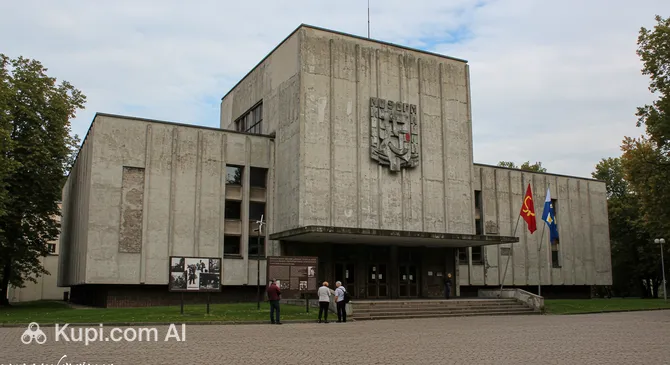
Museum of Occupations and Freedom Fights. Illustration.
Source: Kupi.com AI

Traveler photos:

The museum's location adds to its poignant atmosphere. It is housed in a historical building that served as the KGB headquarters for decades, located right across from Lukiškės Square. This fact makes a visit especially moving, as the building's walls witnessed many tragic events and decisions that impacted the lives of thousands.

The museum's exhibitions cover various periods and aspects of Lithuania's history related to occupations, resistance movements, the tragic fates of political prisoners and deportees, and daily life under totalitarian regimes. Visitors can see authentic documents, photographs, personal belongings, and other artifacts that tell the story of those difficult times.

The Museum of Occupations and Freedom Fights is the only institution of its kind in the Baltic States housed in the original building where repressive agencies once operated. This gives it exceptional historical value and makes it an important place for anyone seeking to understand the region's history better and honor the memory of those who fought for freedom.

Contacts

For up-to-date information about the Museum of Occupations and Freedom Fights, visiting hours, ticket prices, or to book a tour, you can use the following contact details:

How to contactContact
AddressAukų g. 2A, 01400 Vilnius, Lithuania
Phone number+370 602 87022
Websiteolkm.lt

What to Do

At the Museum of Occupations and Freedom Fights, visitors can immerse themselves in history by exploring numerous exhibits. These include authentic documents, photographs, and personal belongings of political prisoners, which speak volumes about people's lives. Archival materials and modern multimedia installations help to visualize life during the various historical periods the country endured.

A particularly strong impression is often left by the carefully reconstructed prisoner cells and interrogation rooms. These spaces allow guests to almost physically sense the conditions in which detainees were held and see the lifestyle of that era. The museum's memorial areas also play a vital role in honoring those who suffered in the struggle for freedom.

To gain a deeper understanding of the displays, guests of the Museum of Occupations and Freedom Fights can take guided tours or use audio guides available in several languages. In addition to the permanent exhibition, the museum regularly hosts themed exhibitions and temporary displays that broaden the perspective on complex historical events and offer new angles for reflection.

A visit to the museum typically leaves a profound emotional impact. It is more than just looking at exhibits; it is an opportunity to reflect on the past and foster respect for the values of freedom and human dignity. Many visitors find that a trip to the museum is a significant and memorable highlight of their time in Vilnius.

Getting There

The Museum of Occupations and Freedom Fights is conveniently located in the heart of Vilnius at 2A Aukų Street (Aukų g. 2A), directly across from the scenic Lukiškės Square. Thanks to its central position, the museum is easily accessible on foot if you are exploring the city's main tourist routes. This is a great opportunity to combine your visit with a stroll through the historical center.

For those who prefer public transport, there are bus and trolleybus stops located near the museum. Numerous routes connect this part of the city with other districts of Vilnius, making the journey to the Museum of Occupations and Freedom Fights quick and convenient. You can check route numbers and schedules at the stops or via Vilnius public transport apps and online maps.

If you are traveling by car, parking spaces can be found near Lukiškės Square. However, please keep in mind that parking in the city center is usually paid and spaces are limited, especially on weekdays. Alternatively, you can always use a taxi, which will easily drop you off right at the museum entrance. Additionally, city bike rentals are popular in Vilnius—it is another pleasant and eco-friendly way to reach the museum, especially in good weather.

Nearest city: Vilnius

History & Facts

The building that houses the Museum of Occupations and Freedom Fights today has a rich and multilayered history preceding its current purpose. It was erected at the end of the 19th century, with construction completed in 1899. Initially, this monumental structure was intended to house the courts of the Vilna Governorate, which was then part of the Russian Empire. The project was the work of talented architects of the time: Mikhail Prozorov and engineer Leonidas Wiener, who brought to life the designs of academician Vasily Prusakov.

Over time and through changing eras, the building served many functions. During the First World War, it was used by the German administration. After Lithuania declared independence in 1918, it housed various Lithuanian military and state structures, highlighting its important role in the life of the young nation. Thus, even before the tragic events of the mid-20th century, these walls witnessed the establishment of the Lithuanian state.

A somber period in the building's history began in the Soviet era when it became the headquarters of the Committee for State Security (KGB). Decisions that changed lives were made here, and interrogations were conducted within these walls. This history gives the modern museum a particularly poignant atmosphere. It was only in 1992, following the restoration of Lithuania's independence, that a museum was established here, dedicated to the memory of victims of repression and the tireless struggle of the Lithuanian people for freedom. As such, the building itself has become a powerful symbol reflecting the complex twists and turns of the country's history.

Time Needed

To fully explore the exhibits at the Museum of Occupations and Freedom Fights, it is recommended to set aside 1.5 to 3 hours. This will allow you to walk through all the halls at a leisurely pace, study the documents, photographs, and personal belongings on display, and immerse yourself in the atmosphere of the reconstructed spaces, such as prisoner cells and interrogation rooms.

The duration of your visit may vary based on several factors. If you plan to use a guide or an audio guide—which is highly recommended for a deeper understanding of the context—it may slightly increase your visit time. Also, if you are particularly interested in studying details, reading archival materials, or viewing multimedia installations, you should allow for extra time. Participating in guided tours, if available during your visit, will also affect the total duration.

In general, to get a comprehensive overview of the museum and its significant exhibits, it is best to plan for 2–3 hours. This allows you to delve into the complex and important history held within the walls of this unique site in Vilnius without rushing.

Working Hours

The Museum of Occupations and Freedom Fights is typically open to visitors Tuesday through Sunday from 10:00 to 18:00. Please note that Monday is a day off, so plan your visit accordingly. The museum is generally open year-round.

The museum's schedule may change on public holidays. To avoid inconvenience, it is highly recommended to check current opening hours and whether advance ticket booking is required on the official website of the Museum of Occupations and Freedom Fights or by calling their contact numbers. This is especially important if you plan to visit during public holidays or the peak tourist season.

DayOpening hours
MondayClosed
TuesdayClosed
Wednesday10:00 – 18:00
Thursday10:00 – 18:00
Friday10:00 – 18:00
Saturday10:00 – 18:00
Sunday10:00 – 17:00

Nearby

Visiting the Museum of Occupations and Freedom Fights is undoubtedly a deep and meaningful experience; however, Vilnius has much more to offer. Exploring the museum's surroundings will not only broaden your horizons but also help you get a better feel for the atmosphere of this amazing city, its history, and its modern rhythm. Thanks to the museum's excellent location, many other points of interest are within a pleasant walking distance, making your day even more fulfilling and diverse.

Near the Museum of Occupations and Freedom Fights, you can find other significant historical sites and cultural centers, as well as cozy spots to relax or discover the local cuisine. This is a perfect way to complement your main tour and gain a more complete impression of the multifaceted capital of Lithuania. Below is a list of some attractions and interesting places located nearby:

NameDistance
Lukiškės Prison 2.00.5 km
Grill London0.8 km
Momo Grill Vilnius0.8 km
Money Museum of the Bank of Lithuania0.8 km
MO Museum1 km
Palace of the Grand Dukes of Lithuania1.2 km
Gediminas Tower1.3 km

Have you reached the end of the page?

So the route has been studied inside and out