Support

Coral Reefs Monument

About

The majestic Coral Reefs Monument is an artistic symbol of Cozumel island, dedicated to the region's incredible underwater world. The monument is an elegant bronze sculpture designed as a fountain, depicting marine life among coral thickets. This landmark highlights the island's status as one of the world's best diving spots, reminding visitors that Mexico possesses a unique natural treasure.
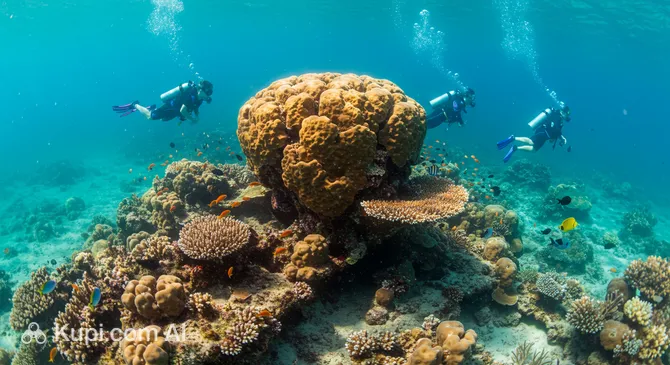
Coral Reefs Monument. Source: Kupi.com AI

Located on San Miguel's main waterfront, the monument serves as a stage for marine flora and fauna. Its detail is striking: corals, stingrays, fish, and other deep-sea dwellers are all captured in metal. For locals, it's not just city decoration, but an important symbol of ecology and a reminder of the need to protect the fragile "rainforests of the ocean."

Thanks to its location right by the pier, the monument is often the first attraction tourists see when stepping off the ferry. Its exquisite craftsmanship and deep symbolism make it a must-see during a walk along the promenade, especially against the backdrop of the Caribbean Sea's azure waters.

Contacts

For your convenience, the main contact details for the site are provided below. The monument is located in a public area on the city's main waterfront.

Address Avenida General, Av. Rafael E. Melgar 101, Centro, 77668 Cozumel, Q.R., Mexico
Google Maps Open on Maps

What to Do

First of all, you should have a small photo session at the monument. The sculpture against the turquoise sea and passing ferries looks especially impressive in the rays of the setting sun. It's the perfect place to feel the rhythm of the port city while enjoying the sea breeze and watching the lively life of the Rafael E. Melgar promenade.

While examining the details of the bronze corals and fish, you will surely be inspired to get closer to nature. The monument serves as an excellent starting point for excursions to the National Marine Park of Reefs. Here you can book a diving or snorkeling tour to see the legendary Palancar and Columbia reefs, where underwater visibility reaches 30 meters.

Additionally, visiting the monument is a reason to learn more about the island's environmental initiatives. Many tourists combine their walk with a visit to educational centers that talk about marine conservation programs. This place encourages responsible tourism and helps people realize the value of the Mesoamerican Barrier Reef.

Getting There

Getting to this iconic city spot is easy. The Coral Reefs Monument is located in the center of San Miguel de Cozumel at Avenida General, Av. Rafael E. Melgar 101, right by the main port. If you are arriving by ferry from Playa del Carmen, simply turn left immediately after exiting the pier—the sculpture will be visible from a distance. It is the perfect starting point for a walk along the scenic waterfront.

For travelers arriving at Cozumel International Airport (CZM), a taxi ride to the center will take only 10–15 minutes. Cruise ships usually dock at the international piers, from where you can reach the monument by a quick taxi ride or a pleasant walk along the coast, enjoying the sea breeze. You can also use public buses or rent a scooter, which is very popular on the island, though the city center itself is most easily explored on foot.

History & Facts

The history of this monument is inextricably linked with the international recognition of the island's underwater wealth. In the 1960s, the legendary oceanographer Jacques-Yves Cousteau visited these waters and declared them one of the most impressive diving spots on the planet. This event transformed the quiet island into a world capital for scuba diving.

In 1996, the Cozumel Reefs National Marine Park was officially established as part of the Mesoamerican Reef System—the second largest in the world. The Coral Reefs Monument was erected as a symbol of the local community's commitment to preserving this fragile ecosystem. It reminds every visitor of the importance of protecting corals, often called the "rainforests of the ocean."

Today, the monument is considered the city's main emblem. It reflects not only the biological diversity of the Caribbean Sea but also Cozumel's deep cultural connection with the ocean. Local authorities and scientists continue to use this symbol to draw attention to coral restoration programs and environmental monitoring in the region.

Time Needed

To simply view the monument itself and take some striking photos, you will need very little time—about 15–30 minutes. It makes for a great stop during a leisurely stroll along the waterfront before lunch or boarding a ferry.

However, if the monument inspires you to explore the real reefs it depicts, you should plan for a trip of 3 to 6 hours. This is the typical duration for glass-bottom boat tours, snorkeling excursions, or full-scale dives in the National Marine Park.

Working Hours

The monument is an outdoor sculpture, so it is available for viewing 24/7. You can come here early in the morning to avoid the crowds, or late in the evening when the waterfront fills with lights and a special atmosphere.

According to official data, the site is open 24 hours a day (Monday–Sunday: Open 24 hours). This makes it a highly convenient stop on any tourist itinerary, regardless of your schedule.

Nearby

A walk around the Coral Reefs Monument is a great opportunity to soak in the atmosphere of downtown San Miguel. Within walking distance, you'll find cozy coffee shops, authentic restaurants, and cultural centers that offer a glimpse into the traditions of the local residents.

Exploring the surroundings will enrich your experience: you can stop by a local brewery, relax at a beach club, or head to ancient Mayan archaeological zones. Below are some of the most interesting sites nearby:

Name Distance (km)
Aqui + Ahora Coffee Bar (Here and Now Cafe) 0
Casa Cuzamil 0.5
Cerveceria Punta Sur 0.5
La Monina 0.8
La Conchita del Caribe 1.9
Sunset 3.7
Pueblo Del Maíz 5.2
מגן דוד קוזומל 5.3
Skyreef Beach Club Cozumel 10.4
Zona Arqueológica San Gervasio 10.8

Reached the end of the page?

That means the route is fully explored