Support

San Gervasio Archaeological Site

About

The San Gervasio Archaeological Zone, also known as the Shrine of Gervasio, is a wonderful immersion into the world of the ancient Mayan civilization. Located in the central part of the island of Cozumel in Mexico, these ruins are the most significant and famous archaeological site on the island. Imagine ancient stones surrounded on all sides by lush tropical jungle, holding the secrets of long-past eras.
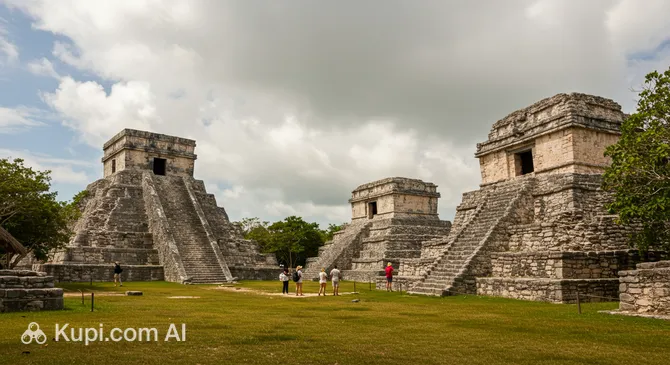
San Gervasio Archaeological Site. Illustration.
Source: Kupi.com AI

Traveler photos:

For the ancient Maya, San Gervasio was not just a settlement, but a major religious center. This place was considered a sanctuary dedicated to the powerful goddess Ix Chel—the patroness of fertility, love, childbirth, and medicine. The archaeological site is a complex of ancient buildings, temples, and structures dating back to approximately the 1st century BC, each telling its own unique story.

Visiting San Gervasio is not just about seeing ruins; it is a true journey through time, shrouded in mysticism and ancient legends. A special mystery is added to this historical site by the numerous small handprints left on the walls of the ancient structures. Every corner here seems permeated with mystery, inviting you to touch history and feel the spirit of an ancient civilization.

Contacts

To visit the San Gervasio Archaeological Zone, located in the central part of Cozumel island, you will most likely need to reach the island itself first. This is usually done by ferry, for example from Playa del Carmen, or by flying into Cozumel International Airport. Once on the island, the ruins can be reached by taxi or a rented scooter/car from the main town of San Miguel de Cozumel.

As this is an archaeological site, there may not be a direct contact phone number. It is best to check for up-to-date information on opening hours, entrance fees, and available tours on the official tourism portals of Mexico, the Cozumel island website, or at local tourist information centers upon arrival.

How to contactContact
Address77684 San Miguel de Cozumel, Quintana Roo, Mexico

What to Do

A visit to the San Gervasio Archaeological Zone is, first and foremost, a unique opportunity for history buffs and fans of ancient civilizations to immerse themselves in the world of the Maya. Here, you can explore the ruins of ancient temples, closely examine the architectural features of the surviving buildings, and learn a lot about the religious beliefs, rituals, and daily life of these mysterious people. A walk through the complex will allow you to literally touch the stones that hold centuries-old secrets.

Of particular interest is the Temple of the Goddess Ix Chel, the patroness of fertility and medicine. According to ancient tradition, pregnant women would travel here in May to perform a special rite—passing under the temple's arch. It was believed that this ritual would grant future newborns strength, health, and the blessing of the goddess. There is also a legend that the sanctuary was erected in honor of the god Ah Hulneb, who for a long time was considered the main protector and patron of the ancient tribes that inhabited the island of Cozumel.

Exploring the ruins is not the only thing to do in San Gervasio. After diving into Mayan history, you can head off to explore the surrounding jungle, which is an interesting natural attraction in its own right. Additionally, not far from the archaeological zone are the famous white-sand beaches of Cozumel, where you can rest and relax after an eventful tour. This combination of historical heritage and natural beauty makes a visit to San Gervasio particularly attractive and memorable.

Getting There

The San Gervasio Archaeological Zone is located in the heart of Cozumel, an island nestled off the eastern coast of the Yucatan Peninsula in Mexico. The first step on your journey to the ancient ruins is traveling to the island itself. The main transportation hub and the only town here is San Miguel de Cozumel. You can get here by ferry from mainland Mexico or by flying into Cozumel International Airport. The town is also known for having the largest cruise ship dock in the country, so many travelers arrive this way.

Once in San Miguel de Cozumel, you have several options to reach the San Gervasio Archaeological Zone. Since the ruins are located in the central, jungle-covered part of the island, the most convenient ways are by taxi or by renting a car or scooter. This gives you freedom of movement and allows you to explore the island at your own pace. The drive from the town to the ruins usually doesn't take very long and offers scenic views of the island.

If you prefer a more organized approach, joining one of the many guided tours is an excellent option. Many tour operators on Cozumel offer trips to San Gervasio, which typically include not only round-trip transfers but also the services of a professional guide. Such a guide can provide detailed insights into the history of this ancient Mayan complex, its significance, and its mysteries, making your visit even more educational and engaging.

For those who decide to head to San Gervasio on their own, especially using a rented vehicle, it is recommended to prepare in advance. Be sure to study a map of the island and plan your route to the archaeological zone. Given that the complex is surrounded by dense tropical jungle, finding it without preparation can be a bit challenging. However, a well-planned independent trip will give you an unforgettable experience exploring this amazing corner of ancient history.

Nearest city: Cozumel

History & Facts

The San Gervasio Archaeological Zone, which emerged around the 1st century BC, was not just a settlement but the heart of ancient Mayan spiritual life on the island of Cozumel. For this civilization, the island itself was considered sacred land, attracting pilgrims from all over the region. The ruins that survive to this day speak eloquently of the former greatness and importance of this site as one of the key pilgrimage centers.

Central to the religious life of San Gervasio was the worship of the goddess Ix Chel. She was revered as the powerful patroness of fertility, childbirth, love, and medicine. According to Mayan beliefs, every woman sought to make a pilgrimage to her temple on Cozumel to secure her favor. Archaeological finds, particularly the numerous clay images of Ix Chel discovered within the complex, serve as strong evidence of the deep religious significance of this sanctuary.

There is also a theory that the sanctuary might have been dedicated to another deity—Ah Hulneb, who was considered the main patron of the ancient tribes inhabiting Cozumel. Regardless of which specific god or goddess prayers were offered to here, the San Gervasio Archaeological Zone still holds many secrets today. Researchers are particularly interested in the mysterious handprints on the walls of ancient buildings, the origin and exact meaning of which remain a subject of debate and scientific inquiry, adding an aura of mysticism to the site.

Time Needed

To tour the San Gervasio Archaeological Zone, most visitors typically need between 1.5 and 3 hours. This time is usually enough to leisurely walk through the main structures of the complex, read the information boards, and soak in the atmosphere of the ancient Mayan city. The territory is relatively compact, but the paths and the ruins themselves invite thoughtful exploration.

The time you spend in San Gervasio can vary depending on your interest in history and archaeology. If you plan to use the services of a guide, the tour usually takes about 1.5–2 hours and includes stories about the significance of each structure and the history of the site. Exploring on your own may take longer if you want to study every detail or take many photographs. It's also worth factoring in time for purchasing tickets and perhaps visiting the small souvenir shop or cafe at the entrance.

If you want to immerse yourself more deeply in the atmosphere and perhaps explore the surrounding jungle a bit (within permitted areas), then you should set aside about half a day. Overall, for a comfortable visit without rushing, it is better to plan for 2–3 hours to fully enjoy this unique historical monument of Mexico on the island of Cozumel.

Working Hours

The San Gervasio Archaeological Zone is typically open to visitors daily, but exact operating hours can vary depending on the season and day of the week. As a rule, most archaeological zones in Mexico operate from the morning until late afternoon, often roughly from 8:00–9:00 AM to 4:00–5:00 PM. However, to avoid any unpleasant surprises, it is highly recommended to check the current information regarding opening hours and entrance fees on the attraction's official website or on Cozumel island tourism portals immediately before your visit.

Regarding ticket booking, for individual visitors, advance purchase is usually not required; tickets can be bought on-site. However, if you plan to visit the zone as part of a large group or during the peak tourist season, it wouldn't hurt to check the possibility and necessity of pre-booking. The San Gervasio Archaeological Zone is generally open for visits year-round, but weather conditions, especially during the rainy season, can affect the comfort of your visit.

9:00 – 15:45

Nearby

A visit to the San Gervasio Archaeological Zone is undoubtedly a highlight, but the island of Cozumel holds many more interesting places. Exploring the surrounding areas will allow you to dive deeper into the atmosphere of this amazing corner of Mexico, complementing your impressions of the ancient ruins with new discoveries and a multifaceted view of the island.

By extending your itinerary beyond San Gervasio, you can get to know other sides of Cozumel: from natural beauty to unique cultural sites and cozy local spots. Each of these places can add unique touches to your journey, making it even more fulfilling and memorable.

NameDistance
Isla de la Pasión5.5 km
Mayan Bee Sanctuary6.3 km
Pueblo del Maíz7.2 km
La Perle Noire10.4 km
Bajau Steakhouse & Seafood Grill10.6 km
San Miguel Church10.6 km
Aqui + Ahora Coffee Bar10.7 km

Have you reached the end of the page?

So the route has been studied inside and out