Support

San Felipe

About

San Felipe is a picturesque resort town located on the sunny shores of the Gulf of California in the state of Baja California. It is a unique place where the rugged beauty of the rocky desert meets the warm turquoise waters of the Sea of Cortez, creating stunningly contrasting landscapes. A trip to this region is a wonderful opportunity to discover authentic Mexico, full of bright sunshine and local flavor.

With a population of about 89,000 people, the city strikes a perfect balance between its status as a growing tourist center and the coziness of a small seaside province. There is a relaxed atmosphere here, and the sunny weather delights guests almost year-round. While the resort today attracts beach lovers and adventure seekers, the history of San Felipe as an important port and fishing village gives it a special charm and depth.
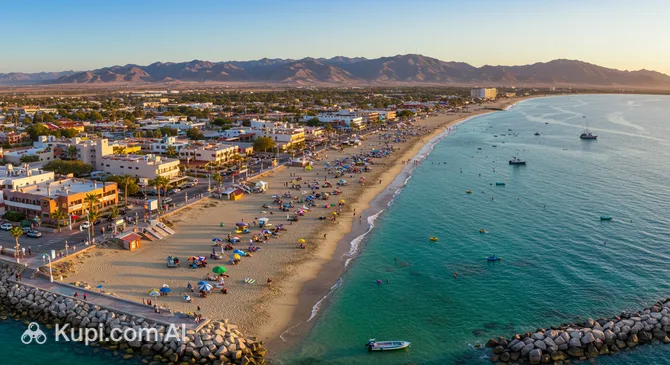
San Felipe. Illustration.
Source: Kupi.com AI

One of the city's hallmarks is its impressive natural landscapes: from endless beaches to valleys filled with giant cacti against a backdrop of mountain ranges. Tourists also note the phenomenal tides, which transform the coastline daily. The gastronomy here deserves special attention — San Felipe is famous for its freshest seafood, especially its renowned fish tacos.

San Felipe is worth visiting for the sense of complete unity with nature and the unforgettable sunsets over the sea. It is an ideal destination for those who want to escape the city bustle and enjoy the spirit of freedom and the hospitality of the local people.

Weather Overview

San Felipe's climate is determined by its unique location at the junction of the Sonoran Desert and the Sea of Cortez, which guarantees an abundance of sunny days and extremely low humidity. Summer here is truly sweltering: in July and August, the average temperature is about 32°C, with daytime highs often exceeding 36°C. Rain is virtually non-existent during this period, making the resort an ideal place for heat lovers and sea swimming.

The winter season, by contrast, is characterized by mildness and comfortable coolness. In December and January, average thermometer readings stay around 15°C, while nights can be brisk — temperatures drop to 10-11°C. Spring and autumn offer a "golden mean": as early as April, the air warms up to 21-22°C, and October pleases with pleasant warmth around 24-25°C. Expect very hot, arid summers and mild, dry winters with cool evenings.

Precipitation in this region is a rarity; even in the statistically "wet" winter months or in September, there are only 1-2 days with light rain. To accurately plan your wardrobe and choose the best dates for your trip, check what the expected weather in San Felipe is by month.

Average monthly temperature

Average monthly precipitation

Interesting Facts

In addition to its main attractions and relaxed beach holidays, San Felipe holds many fascinating secrets and unique natural features. Here are a few facts that will help you see this city in Mexico from a new perspective:
  • Record-breaking tides. San Felipe is famous for having one of the most impressive tidal ranges in the world. The water level difference here can reach seven meters! This rare phenomenon is due to the proximity of the Colorado River Delta, located north of the city. During low tide, the sea retreats very far, radically changing the landscape and exposing the seabed for walks.

  • A land of geographic contrasts. The city is located on the Baja California peninsula, which is the fourth longest in the world. The local nature is striking in its combination of the incompatible: here, a harsh, wild desert meets picturesque sea lagoons, and rocky mountains sit alongside soft sandy beaches.

  • A "secret" fisherman's harbor. For a long time, San Felipe remained a "secret" place known only to a small circle of American fishermen and spearfishers seeking seclusion and the exotic. Thanks to this historical fact, the city still maintains a spirit of exclusivity and genuine authenticity, avoiding the fate of overcrowded resorts.

  • The tradition of meeting the sun. Local residents and regular guests have a special, romantic tradition — celebrating the sunrise. People go out to the beach in the pre-dawn hours to see the first rays of sun over the Sea of Cortez, often accompanying the spectacle with impromptu picnics and tequila tastings.

How to Get There

San Felipe, located in a scenic corner of Baja California, does not have its own airport serving commercial flights. Travelers face a combined route: a flight to one of the major transport hubs nearby, followed by a trip by car or bus. You can find out more about how to get to San Felipe by exploring all available routes and modes of transport.

The closest Mexican air hub to the resort is Mexicali Airport (IATA: MXL). It is located in the city of Mexicali, the state capital, about 182 km from San Felipe. This is the most convenient option for domestic flights within Mexico. The drive from the airport to the coast by rental car or taxi takes about 2–2.5 hours via the modern Highway 5. Passenger traffic here is moderate, ensuring a calm experience with formalities.

For international travelers, Tijuana Airport (IATA: TIJ) is an excellent choice. It is located in the city of Tijuana, on the border with the USA, about 263 km from San Felipe. This is a major hub with many flights. The bus or car trip to the resort will take approximately 3.5–4 hours. The airport is convenient because it is connected directly to US territory via the Cross Border Xpress (CBX) bridge.

If you plan to enter from the USA, you can use flights to San Diego International Airport (IATA: SAN). It is located in the city of San Diego and is a very large international hub. The distance to San Felipe is about 292 km. Travel time by car is about 4.5–5 hours, though you should factor in time for crossing the state border between the USA and Mexico.

For convenience, here is a summary of the main airports:

AirportPassenger trafficDistance
Mexicali Airport1.6 mln182 km
Yuma International Airport216 228182 km
Tijuana Airport13.2 mln263 km
San Diego International Airport25.2 mln292 km

There is no direct rail connection to San Felipe, as there is no passenger railway in the region. The primary way to reach the city is by motor vehicle. After arriving at one of the aforementioned airports, tourists usually rent a car or use intercity bus services. The road to San Felipe (especially Highway 5 from Mexicali) is in good condition and offers beautiful views of the desert and the sea.

Main Attractions

The main attractions of San Felipe are natural wonders created by the unique union of desert and sea. In this corner of Mexico, you won't find grandiose palaces, but you will find breathtaking landscapes and places where you can feel the power of the elements. The primary points of interest here are related to ecotourism, wildlife watching, and panoramic views of the Gulf of California.

One of the region's hallmarks is the Valley of the Giants (Valle de los Gigantes). This nature reserve, located south of the city, fully lives up to its name. Colossal cardon cacti grow here, some reaching heights of 17 meters and weighing several tons. These majestic plants are true long-livers, with some specimens being hundreds of years old. A walk among such giants feels like a trip to another planet and offers unique photography opportunities.

Another equally impressive site is Consag Rock (Isla Consag). This rocky island rising above the sea's surface is clearly visible from the shore, but it is best reached by boat. The trip takes about 45 minutes. The island serves as home to colonies of sea lions, seals, and numerous seabirds. This is an ideal location for nature lovers, fishing, and snorkeling, allowing you to see the inhabitants of the Sea of Cortez in their natural environment.

For those seeking relaxation, the Puertecitos Hot Springs will be an interesting discovery. Located about an hour's drive south of San Felipe, these natural pools are unique because they sit right on the coast. Geothermal waters mix with cool ocean water during high tides, creating natural baths with adjustable temperatures. A visit to the springs requires planning according to the tide schedule, but the experience of bathing in hot water with a view of the sea is well worth it.

In the city itself, it is definitely worth climbing to the Shrine of the Virgin of Guadalupe, located on a hill next to the lighthouse. A staircase leads to the top, where tourists are rewarded with the best panoramic view of San Felipe Bay, the city beaches, and the vast desert. This spot is particularly popular at sunset, when the sun paints the surroundings in golden and crimson tones, creating a romantic and peaceful atmosphere.

Local Cuisine

The culinary scene in San Felipe is a true paradise for seafood lovers, where the culinary traditions of Baja California meet the freshness of the catch from the Sea of Cortez. The main feature of local cuisine is that the journey of products from the fishing boat to the plate takes minimal time. A seafood cult reigns here: shrimp, mussels, squid, and a variety of fish form the basis of the menu at most establishments, from simple street stalls to cozy restaurants.

Among the dishes that are a must-try, the famous fish tacos (tacos de pescado) hold the top spot. They are usually made from battered or grilled fish, served on a corn tortilla, and generously topped with cabbage, salsa, and lime. Another gastronomic hit of the region is "camaron enchilado," succulent shrimp in a spicy chili sauce. For those who want to refresh themselves in the heat, "seafood cocktails" — a mix of shrimp, octopus, or oysters in a cold broth with tomatoes, onions, cilantro, and avocado — are an ideal choice.

The dining culture in the city is very casual. Locals and tourists alike enjoy eating both in restaurants and at street stalls. Street food here is an adventure in itself: try machaca burritos (dried meat), hearty chimichangas, or sweet churros for dessert. In the evenings, farmers' markets open on the main square and the promenade, where you can buy artisanal delicacies. If you are looking for a reliable place with an authentic atmosphere, it's worth visiting La Casita de Tony, which is famous for its hospitality.

As for drinks, it is customary to accompany a meal with something refreshing. Among alcoholic beverages, the king of the table is the "Michelada" — a beer cocktail with lime, sauces, and spices, with the rim of the glass coated in salt and pepper. Of course, excellent tequila and mezcal are always available. Non-alcoholic drink lovers will enjoy "aguas frescas" (fruit waters) made from seasonal fruits, hibiscus (jamaica), or rice-based horchata.

A major event for the city is the annual Shrimp Festival. This event turns San Felipe into a center for culinary tourism, gathering thousands of guests. During the festival, you can not only taste dozens of shrimp dish variations but also immerse yourself in a celebratory atmosphere with music and dancing, which best characterizes the cheerful spirit of this Mexican resort.

Travel Tips

A trip to San Felipe is an immersion into a relaxed rhythm of life on the shores of the Sea of Cortez, where the desert meets the ocean. To ensure your holiday in this colorful corner of Mexico goes perfectly and leaves only pleasant memories, we have prepared a list of important practical recommendations.

  1. Clothing and Seasonality. The climate here is desert-like: in summer (May-September) it is hot, so light clothing made from natural fabrics, a wide-brimmed hat, and sunscreen with high SPF are necessary. In winter and spring, evenings can be cool and windy — be sure to bring a fleece sweater or windbreaker. Sockets here are the American type (A and B), so travelers from Europe will need an adapter.
  2. Getting Around the City. There is no public transport in the usual sense (buses with schedules). The city center and the Malecón promenade are easily explored on foot. For trips to distant beaches, use a taxi, but it is important to agree on the price before boarding, as there are no meters. Apps like Uber work inconsistently, so for freedom of movement, many tourists rent a car or even an ATV.
  3. Money and Payment. The official currency is the peso. Although US dollars are accepted in many tourist spots, the exchange rate is often unfavorable. It is more profitable to withdraw cash in pesos from an ATM (cajero automático) or exchange currency at a bank. Cards are accepted in supermarkets and large hotels, but in street cafes and souvenir shops, "cash only" reigns supreme. It is customary to leave a tip of 10–15%.
  4. Health and Safety. San Felipe is a peaceful and safe city, but follow basic precautions: do not leave valuables in plain sight in the car. The main health rule is to drink only bottled water. Tap water is not potable. Pharmacies ("Farmacia") are common, and many have a doctor on duty for simple consultations.
  5. Communication and Language. The primary language is Spanish, but due to the proximity to the border and the expat community, English is understood in most restaurants and hotels. For stable internet, it's better to buy a local SIM card (e.g., Telcel) at OXXO stores, as Wi-Fi in cafes can be slow. Download offline maps, as signal in the desert outside the city may drop out.
  6. Local Etiquette. Mexicans are very polite people. When entering a shop or restaurant, it is customary to say hello ("Buenos días" or "Buenas tardes"). Locals are in no hurry, so be patient with service — it's part of the relaxed "mañana" (tomorrow) atmosphere.
  7. What to Avoid. Avoid night trips on rural highways (Highway 5): roads can be unlit, and there is a risk of collision with livestock that wanders onto the warm asphalt. Also, do not buy turtle shell products or black coral from vendors — this is prohibited by law and harms nature.
  8. Mind the Tides. This is a specific tip for San Felipe: some of the strongest tides in the world occur here. The sea can retreat for hundreds of meters. If you plan a picnic on the shore or park your car on the sand, be sure to check the tide schedule so the water doesn't catch you off guard.

By following these simple tips, you can avoid minor organizational hassles and fully enjoy the hospitality and unique nature of San Felipe. We wish you a bright, safe, and comfortable trip!

Entertainment & Nightlife

Nightlife in San Felipe has its own unique character: you won't find massive multi-level mega-clubs with lasers like in Cancun, but you will immerse yourself in an atmosphere of unrestrained fun, live music, and Mexican hospitality. The epicenter of all evening entertainment is the Malecón promenade. As the sun sets, this street is transformed: lights come on, music sounds from the open doors of bars — from traditional mariachi to classic rock — and tourists and locals mix in a single stream of revelers.

The format of most establishments here is a hybrid of a restaurant, sports bar, and dance floor. The evening usually begins with a hearty dinner and cocktails. An excellent place to start is La Casita de Tony. This establishment is famous for its cozy atmosphere, perfect for long gatherings with friends before heading out to dance. Another popular spot where you can eat well and enjoy the evening cool with a drink is Cafe New George. Groups often gather here to discuss the day's events and get into the nightly rhythm.

The atmosphere in San Felipe's nightlife spots is very casual and relaxed. The dress code is virtually non-existent: shorts, t-shirts, and sandals are perfectly acceptable clothing even for the most popular bars. The crowd here is diverse: from American expat retirees to young people visiting for the weekend. Many bars on the Malecón offer karaoke, billiards, and sports broadcasts. On weekends and holidays, the fun often spills out right onto the street.

Practical Tips and Safety:

  • Timing: The busiest time is Friday and Saturday after 9:00 PM. On weekdays, the city goes to sleep quite early.
  • Prices: The cost of drinks and entry (where applicable) is significantly lower than in Mexico's major resorts. Many bars offer "Happy Hour" specials at sunset.
  • Transport: If you stay in the center, most places are within walking distance. If your hotel is remote, be sure to call a taxi through the reception or arrange with a driver in advance, as catching a car on the street late at night can be problematic.
  • Safety: The Malecón area is well-lit and patrolled by police; it is safe to walk here late. However, it is not recommended to go alone to unlit sections of the beach or wander through remote residential neighborhoods at night.

As for daytime entertainment, it is more laid-back in San Felipe and often connected to nature, as there are no large theaters or museums here. During the day, tourists visit local souvenir shops, small galleries of local artists, or go on boat trips. Cultural leisure can include visiting city festivals often held in the main square, or simply observing city life from a cafe terrace.

Parks & Museums

San Felipe is not the kind of city where travelers spend days in the halls of classical museums; rather, it is a place where nature itself acts as the main exhibit, and cultural life is inextricably linked to the region's history. Green oases and landmarks are harmoniously integrated into the harsh but beautiful landscape of Baja California, offering guests a unique combination of outdoor recreation and introduction to local traditions.

The city's main walking area, acting as a central park, is the famous Malecón (El Malecón). This picturesque promenade, decorated with palm trees and small sculptures, stretches along the coast of the Sea of Cortez. During the day, you can hide in the shade of gazebos while enjoying the view of fishing boats, and in the evening, become part of the lively city life. The Malecón is a meeting place for locals and tourists, where the festive atmosphere doesn't fade year-round.

For closer contact with nature, head to the Valley of the Giants (Valle de los Gigantes). Although technically a nature reserve, it functions as a unique open-air botanical park. The main value of this place is the colossal cardon cacti, which are centuries old. A walk among these giants gives the feeling of a trip to another planet and allows you to see desert flora in all its majesty.

Fans of organized recreation by the water will enjoy Campo Turistico No. 1. This zone combines features of a beach park and a campground, offering visitors a well-kept area right on the bay shore. Here you can not only enjoy a beach holiday but also spend time in a peaceful setting, watching birds and sea landscapes away from the city bustle.

There are few classical museums in San Felipe, but the key cultural and historical site is the Shrine of the Virgin of Guadalupe (Santuario de la Virgen de Guadalupe). Located on an elevation, this church is not only a spiritual center but also an important architectural landmark. The climb to the shrine is a kind of excursion in itself, rewarded with a magnificent panorama of the city and the bay, allowing you to appreciate the scale and beauty of the area.

To immerse yourself in the creative life of the city, it's worth checking out the local Cultural Center (Centro Cultural) or small private galleries downtown. Works by local artists and craftsmen reflecting the color of Mexican life are often exhibited here. Although the displays may be modest, they are charming in their sincerity and provide insight into the contemporary art of the region.

Insider Tip: San Felipe's most amazing "park" appears only during low tide. The water in the Gulf of California retreats hundreds of meters, exposing the sandy bottom and creating a vast space for walking. This is an ideal time to look for beautiful "sand dollar" shells, but remember: if the shell is still alive and dark in color, it should be left in the sea.

Getting Around

The public transport system in San Felipe is designed as simply as possible and has nothing in common with busy megacities. Here you won't find subways, trams, or trolleybuses. The city is quite compact, and its tourist center, including the Malecón promenade, shops, and restaurants, is easy to explore on foot. The absence of a complex transport network is compensated for by the availability of taxis and the popularity of private transport.

Classic city buses in the traditional sense are virtually non-existent here. Locals sometimes use minibuses (colectivos) for trips to residential neighborhoods away from the coast, but these routes are rarely of interest to tourists as they do not cover the main attractions. There is no set schedule; transport runs as it fills up or with long intervals, so you shouldn't rely on it when planning your holiday.

The most popular alternative to public transport is the taxi. Cars can be found at special stands in the city center, near major hotels, or simply hailed on the street. An important feature of local taxis is the lack of meters. The cost of a trip is fixed for certain zones, but the price must be agreed upon with the driver in advance, before you get into the car. This will help avoid misunderstandings at the end of the journey.

To pay for taxi and colectivo fares, you will need cash — Mexican pesos. Credit cards and ride-hailing apps do not work here, and drivers often may not have change for large bills. Therefore, it is strongly recommended to always carry small banknotes and coins. Taxi apps like Uber are unstable or completely unavailable in this region, so it's better to count on the classic way of catching a car.

For a full exploration of the surroundings, trips to the Valley of the Giants, or remote beaches, renting a car is the ideal option. This will give you complete freedom of movement, as many interesting places are beyond walking distance. Rental offices are located both in the city itself and at the airports of neighboring large cities from which tourists usually arrive.

A unique feature of San Felipe's transport environment is the widespread use of ATVs and buggies. Here, they are not just entertainment but a full-fledged means of getting around the city and sand dunes. You can rent an ATV for a few hours or a whole day. However, remember the safety rules: wearing a helmet is mandatory, and riding on beaches where people are relaxing is strictly prohibited.

Accommodation

The choice of accommodation in San Felipe perfectly reflects the relaxed and casual character of this resort. Here, you won't find the massive all-inclusive skyscrapers typical of Cancun. Instead, the city offers cozy boutique hotels, traditional Mexican motels, and a vast number of camping options. Renting private homes and villas on the coast is particularly popular, making it ideal for families or large groups who want to feel at home.

When choosing an area, you should start with the goals of your trip. If you want to be at the center of the action, enjoy the nightlife, and have walking access to restaurants, choose hotels in the Malecón promenade and downtown area. It is always lively and fun here. For those seeking seclusion and quiet, areas to the south or north of the city are better suited, featuring peaceful resort complexes and private villas with direct sea access.

San Felipe is also known for its unique "campos" culture — tourist camps. These are specially equipped areas along the beaches where you can rent a spot for an RV, set up a tent, or rent a simple bungalow (palapa). This is the most budget-friendly and authentic way to live right at the water's edge, waking up to the sound of the Gulf of California's waves.

Booking Tip: While finding accommodation is usually not a problem, the city is packed during Easter Week (Semana Santa) and American Spring Break. If your trip falls on these dates, it is necessary to book accommodation several months in advance, as demand exceeds supply many times over.

The price range in the city varies from very affordable to mid-range. Budget travelers can find spots in campgrounds or inexpensive hostels, while renting luxury beachfront homes will be more expensive, though still cheaper than in other popular Mexican resorts. Booking is available through popular online aggregators, but for renting private homes or campground spots, it is often more effective to contact owners directly or look for options through local social media groups.

Nearby Cities

For those who want to explore the surroundings, San Felipe serves as an excellent starting point for day trips to several interesting nearby locations:

CityPopulationDistance
San Quintin5 433117 km
Puerto Peñasco62 301128 km
Ciudad Guadalupe Victoria16 506142 km
San Luis Río Colorado176 685158 km
San Luis35 289162 km

One of the most popular destinations for a change of scenery is Ensenada. Located on the shores of the Pacific Ocean, this city offers a climate and atmosphere different from the desert coast of the Sea of Cortez. It's worth coming here to see the famous sea geyser, La Bufadora, which shoots water to a great height, visit the famous Mercado Negro fish market, and taste the region's best seafood. Ensenada is also known as the gateway to the Guadalupe Valley wine region.

The state capital, Mexicali, attracts those interested in urban culture and history. It is a bustling border city with a rich cultural heritage. Mexicali is famous for its unique cuisine, particularly its renowned Chinese restaurants in the historic La Chinesca district, as well as its museums and art centers. A trip here is an opportunity to dive into the dynamic rhythm of a large city and enjoy excellent shopping.

These nearby destinations allow you to get a sense of the diverse culture and landscapes of the region.

Shopping & Souvenirs

Shopping in San Felipe differs from the usual trips to large shopping centers. There are no massive malls with global brands here; instead, commerce is concentrated in small private shops and markets. The city offers excellent opportunities for buying essentials, beach gear, and authentic products from local artisans.

The center of tourist trade is the Malecón (El Malecón) promenade. Walking along the sea, you can find many stalls with ceramics, clothing, and jewelry. Another important commercial artery is Chetumal Street (Calle Chetumal). This road leads to the promenade and houses both souvenir shops ("Curios shops") and stores with household goods and pharmacies.

For groceries and household supplies, locals and tourists visit chain supermarkets such as Calimax or Bodega Aurrera. They offer a wide range of food and drinks at fixed prices. For fashion shopping or specialized electronics, it's better to head to the state's larger cities, such as Mexicali.

An important part of the city's commercial life is the Fish Market (Mercado de Mariscos). People come here for the freshest catch from the Sea of Cortez: shrimp, fish, and shellfish. The market is interesting not only for buyers but also for those who want to see the flavor of a port city. On weekends, small markets are often organized on the streets, selling second-hand items and household goods.

When choosing gifts to remember your trip to Mexico, look for ironwood (palo fierro) products. This is a traditional regional craft: artisans carve figures of animals and sea creatures from dense wood. Other popular items include:

  • Silver jewelry;
  • Wool blankets and bright ponchos;
  • Talavera-style ceramics;
  • Natural vanilla and sweets.

Shops in the tourist zone are usually open from 10:00 AM to 8:00 PM or 9:00 PM. Keep in mind that small private shops may close for a siesta during the hottest hours of the day (from 2:00 PM to 4:00 PM). Supermarkets work without breaks from early morning until late evening.

The preferred method of payment is cash in pesos. US dollars are accepted almost everywhere, but the exchange rate in shops is often unfavorable. Bank cards can be used in large supermarkets and some restaurants, but terminal devices are usually absent in souvenir stalls. Finding Tax-Free shops in San Felipe is difficult, as local trade is predominantly represented by small businesses.

Reached the end of the page?

That means the route is fully explored